REVIEW · KATHMANDU
Katmandu: Pashupatinath Open Cremation & Evening Aarati
Book on GetYourGuide →Operated by Holyland Adventure Tours and Travels Pvt Ltd · Bookable on GetYourGuide
A river of fire and prayer feels unforgettable. This Kathmandu tour puts you at Pashupatinath during the open cremation rites, then shifts gears to the Lord Shiva evening Aarati with chants, music, and oil lamps. I like how the pacing gives you time to take in both the solemn rituals and the public devotion—just be ready for an emotionally heavy scene and a bit of walking.
You’ll start with transport from your address in a private air-conditioned vehicle, then head to Arya Ghat on the Bagmati River. You’ll finish after the Aarati, back in Kathmandu with the same driver and pickup routine. One possible drawback: this is not a quick stop, and it’s not suitable if you have mobility limits, back problems, or medical conditions, because you’ll be walking to the cremation area and standing for the ceremony.
In This Review
- 5 Key Things That Make This Evening Tour Worth It
- Why Pashupatinath Changes Shape After Dark
- The 3-Hour Flow: Pickup, Arya Ghat Walk, Then Shiva Aarati
- What You’ll See at the Open Cremation Rituals on the Bagmati River
- The Aarati Ceremony: Where Chants, Music, and Oil Lamps Take Over
- Price and Value: What $27 Gets You (and What It Might Not)
- Logistics That Matter: Pickup Timing, Walking, and Standing for Aarati
- What to Bring for a Smooth (and Respectful) Visit
- Who This Tour Is For (and Who Should Skip It)
- The Bottom Line: Should You Book This Evening Experience?
- FAQ
- How long is the Pashupatinath open cremation and evening Aarati tour?
- What time should I arrive to watch the Aarati ceremony?
- Is pickup from my Kathmandu hotel included?
- What’s included in the price?
- What is not included?
- What should I bring, and what should I wear?
5 Key Things That Make This Evening Tour Worth It
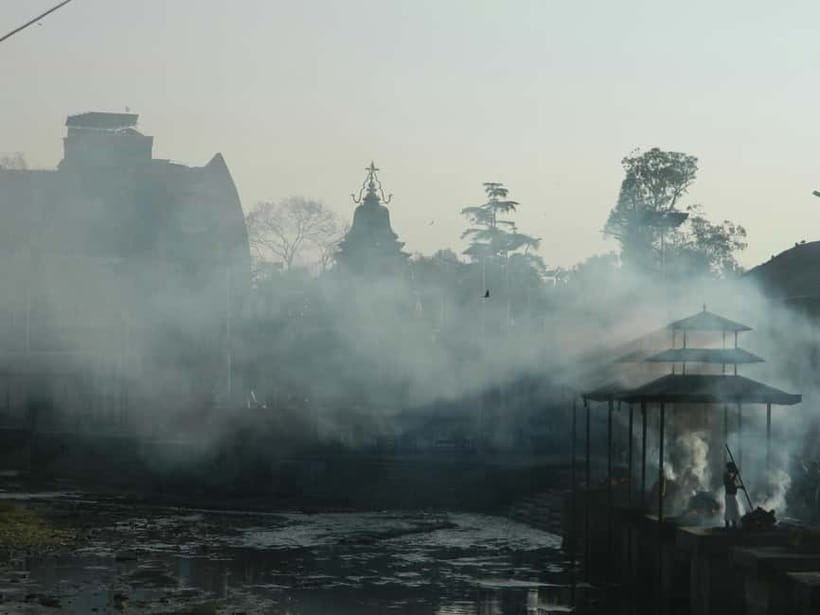
- Arya Ghat positioning: You walk toward the Bagmati cremation site after arriving at the temple complex, not from a far-off viewpoint.
- Two-time-zone experiences in one: daytime arrival setup, then darkening skies when the river and funeral pyres become far more dramatic.
- The Aarati for Lord Shiva: expect chanting, rhythmic devotion, and the glow of oil lamps as the main ceremony begins around 6:00–6:30 PM.
- A clear spiritual framework: you’re taught the belief that cremation at this holy place is connected to moksha, or liberation.
- Know-your-pace reality: the experience is short (about 3 hours), but it’s still physically demanding and emotionally intense.
Why Pashupatinath Changes Shape After Dark
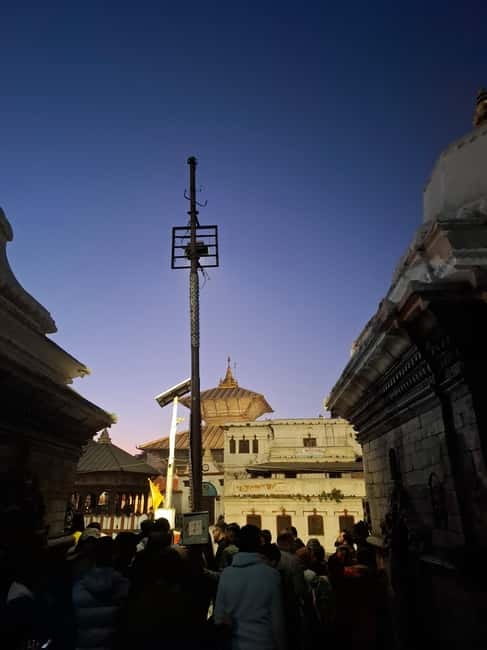
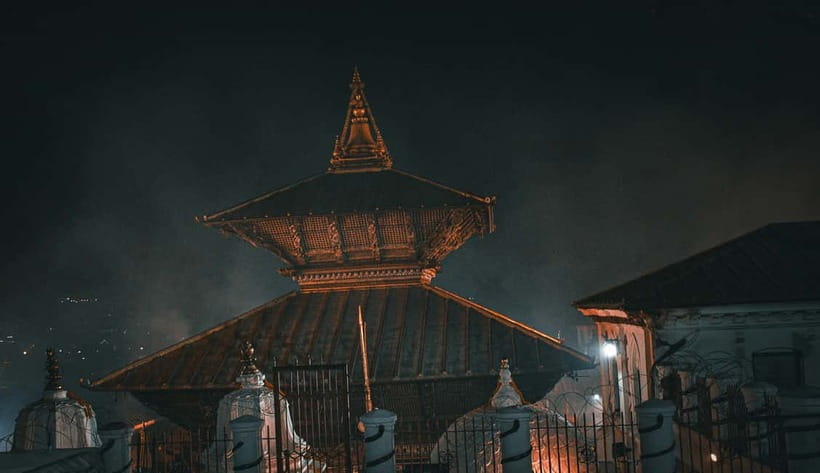
Pashupatinath is famous for a reason: it’s a living religious center, not a staged museum stop. What makes this specific timing matter is the shift toward evening, when the ceremony lighting and the riverside atmosphere take over.
Once the Aarati time window hits (around 6:00–6:30 PM), the oil lamps and chanting create a different mood than the earlier temple area walking. I also like that you’re not only watching from the edges—you’re guided to get into the right area in time, with an encouragement to arrive by 5:30 PM for the best viewing spot.
The key consideration is emotional load. Even if you’re curious rather than squeamish, open cremation rituals are confronting by nature, and your body and mind should be ready before you go.
You can also read our reviews of more evening experiences in Kathmandu



The 3-Hour Flow: Pickup, Arya Ghat Walk, Then Shiva Aarati
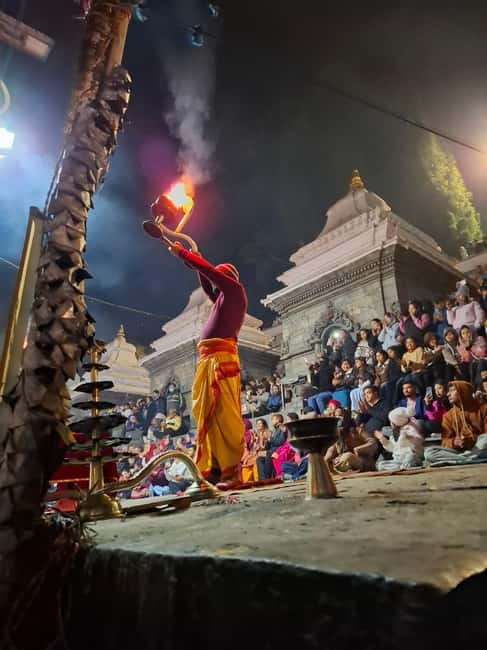
This is built like a tight evening circuit, with about 3 hours total duration. Your day starts with pickup from your accommodation in Kathmandu, in a private air-conditioned vehicle, and a short briefing on do’s and don’ts.
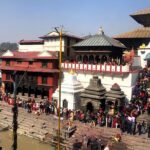
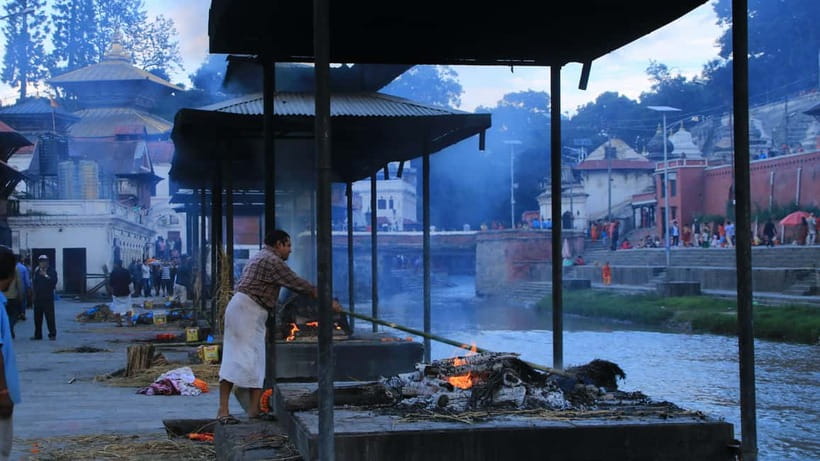
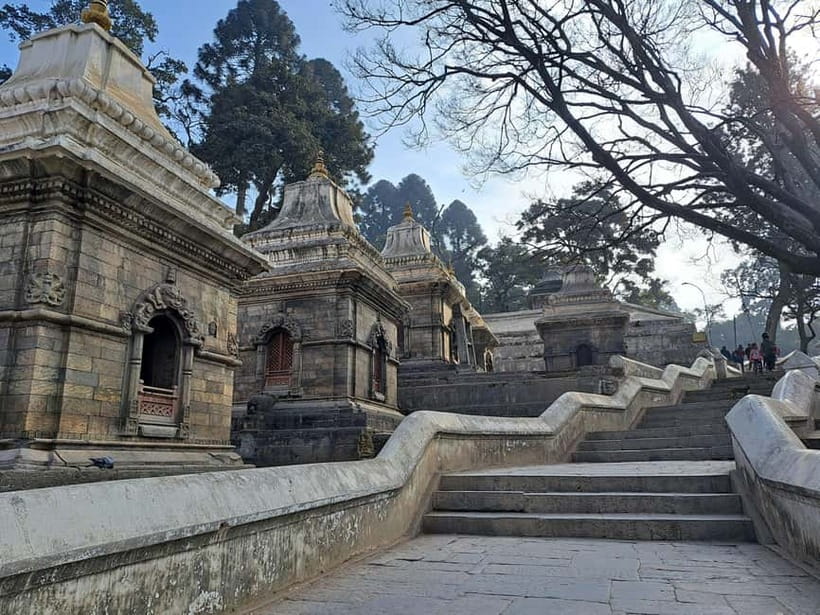
From there, you go to the Pashupatinath Temple complex and then walk toward Arya Ghat, the open cremation site along the Bagmati River. This part is slow in a good way—you can see the rites as they unfold, and you’re able to observe the solemn atmosphere without the tour turning into a sprint-and-skip checklist.
Then the tour switches gears. You’re advised to arrive at the Aarati viewing area at least 30 minutes before it starts—so roughly 5:30 PM—to secure a comfortable spot. After the ceremony begins (6:00–6:30 PM), you’ll watch Aarati worship for Lord Shiva while cremation activity continues in the background.
What You’ll See at the Open Cremation Rituals on the Bagmati River
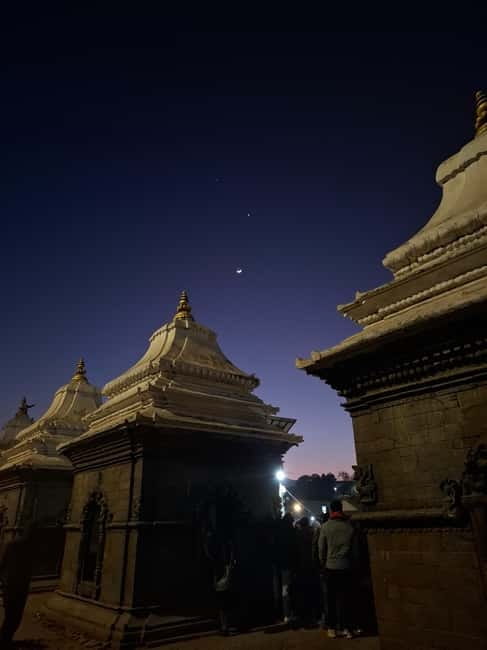
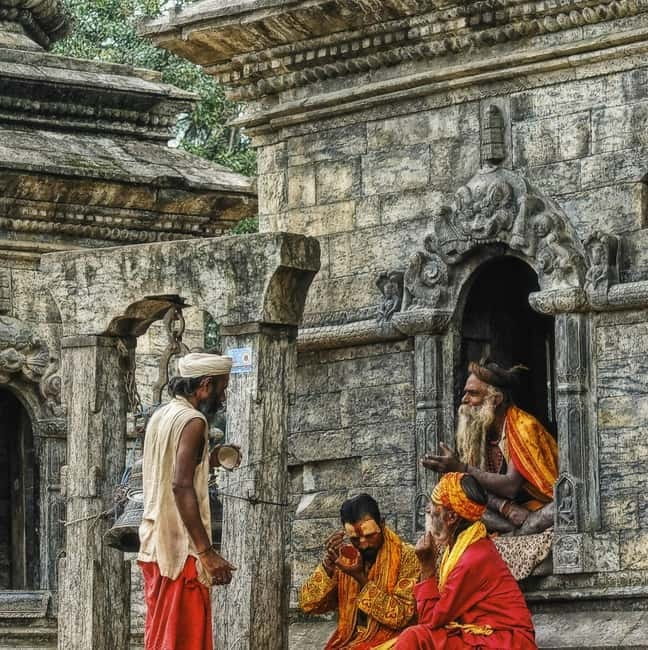
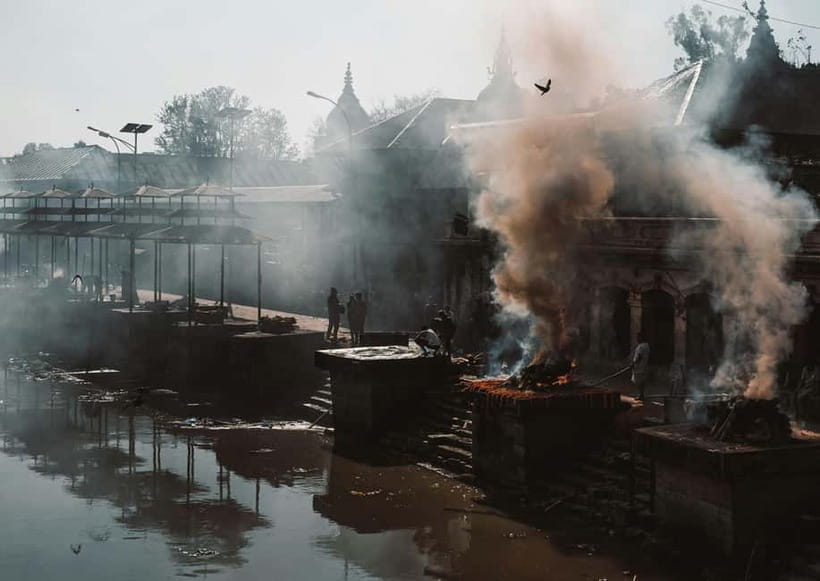
The centerpiece is the open cremation at Pashupatinath, along the Bagmati River at Arya Ghat. You’ll observe Hindu funeral rites right at the riverside setting, where the ritual is believed to support a spiritual path toward moksha (liberation).
Try to think of this as more than a spectacle. The value here is the spiritual logic behind the scene: why cremation at this holy site matters to believers, and how devotion and death exist side by side in this place. If you want to understand what you’re seeing, the tour is set up for that—there’s an expectation of learning the belief behind the practice.
A practical note: you will be walking to the cremation area. That means comfortable shoes are not optional, and your comfort level with standing still matters. If you’re sensitive to distressing sights, consider whether you’re emotionally prepared for open cremation rituals before committing.
The Aarati Ceremony: Where Chants, Music, and Oil Lamps Take Over
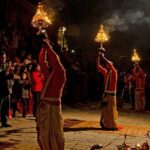
The evening Aarati is dedicated to Lord Shiva, and it’s the part that many people remember for the sounds and light as much as the visuals. The ceremony includes chanting and rhythmic devotion, with oil lamps glowing in the dark.
Timing is important. You’re told to reach the Aarati area by 5:30 PM to get a good viewing spot, and the ceremony starts between 6:00 PM and 6:30 PM. If you arrive late, you’ll likely lose the comfortable place to watch—and this is one of those events where position changes the whole experience.
One thing I appreciate is the way the tour doesn’t pretend the cremation scene ends when Aarati begins. You can witness both: the public act of worship in the foreground and the continuing cremation rituals behind it. That overlap is jarring at first, but it’s also one of the most honest ways to understand how this culture holds grief, faith, and daily religious life together.
Price and Value: What $27 Gets You (and What It Might Not)
At around $27 per person for a 3-hour experience, you’re paying for a specific evening window: transport, pickup/drop-off, and time at the key sites. You also get drinking water and an experienced driver, plus the convenience of a private group setup.
What you should plan for: entry tickets, meals, and a tour guide are listed as not included. At the same time, some bookings have included an English-speaking explainer, and one standout guide name that comes up is Bhum Raj Tiwari, praised for clear English explanations that help visitors understand the why behind Hindu rituals.
Because the included guide details can be inconsistent in how it’s presented, I’d treat this like a “confirm before you go” situation. If you care about explanation (especially around religion), ask ahead whether you’ll have an English guide or whether the driver will handle context during the stops. Having someone who can explain in plain language makes the difference between watching and understanding.
Also consider the quality-control factor. A small number of experiences reported issues like late pickup and car comfort problems, including a driver with little or no English and vehicle conditions that were not what you’d expect for a tourism-focused service. That’s not the norm suggested by the overall setup, but it’s enough to justify checking what vehicle you’ll get and what language support is available.




Logistics That Matter: Pickup Timing, Walking, and Standing for Aarati
Pickup is included, and the driver is supposed to arrive within a 15-minute window of the scheduled time. The vehicle is described as private and air-conditioned, and you’ll be taken from your Kathmandu address to the temple entrance.
Once you arrive, you drop at the main entrance of the temple complex and then walk toward Arya Ghat. This is where your footwear choice matters most, because you want shoes that handle uneven surfaces and long standing moments.
For the ceremony, you’re encouraged to arrive by 5:30 PM to secure a better viewing position. That means you shouldn’t treat the tour time as flexible once you’re close to Pashupatinath—you’ll want to be ready to stand and watch rather than search for a spot at the last minute.
Weather also matters, since it’s outdoors. Bring a light jacket if you get cold easily, and wear modest clothing suitable for a religious site.
What to Bring for a Smooth (and Respectful) Visit
Bring a passport or ID card, comfortable shoes, a camera, and cash. You’ll be outdoors for parts of the experience, so wear comfortable clothes and plan for evening temperature changes.
For respect and ease, go modest with your outfit. Pashupatinath is a religious site, and modest clothing helps you move through the area without feeling like you’re underdressed or out of place.
Finally, think about your personal limits. If you need a break from intense sights, this isn’t the kind of tour that offers lots of escape time. Your best move is to pace yourself and treat the experience like an event, not a casual evening.
Who This Tour Is For (and Who Should Skip It)
This isn’t a good fit for everyone. It’s specifically noted as not suitable for children under 9, people with back problems, people with mobility impairments, wheelchair users, and those with pre-existing medical conditions.
If you’re in good walking condition and you’re emotionally prepared, you’ll likely find this powerful for its honesty. You get a rare chance to witness a major Hindu funeral tradition along the Bagmati River, then see how public devotion continues through the evening Aarati.
If you’re unsure, consider alternative ways to experience the area that reduce stress on your body. The distance to the cremation area and the standing time for the Aarati are real factors, even though the tour is short on paper.
The Bottom Line: Should You Book This Evening Experience?
I’d book this if you want more than sightseeing and you’re ready for a culturally central, emotionally serious event. The combination—open cremation rituals at Arya Ghat plus the Lord Shiva evening Aarati—gives you a whole arc of spirituality: life, death, and public worship in one evening.
I’d skip it if you’re looking for light, feel-good culture, or if mobility concerns make walking and standing hard for you. It also helps to confirm language support, since a guide can make the difference between confusion and real understanding.
If you’re careful with expectations and respectful in your mindset, this is the kind of Kathmandu experience that changes how you see the city’s spiritual life—fast, up close, and not in a way that feels like performance.
FAQ
How long is the Pashupatinath open cremation and evening Aarati tour?
The duration is about 3 hours, though it may run closer to 3–4 hours depending on your location and traffic.
What time should I arrive to watch the Aarati ceremony?
You should plan to arrive at the Aarati area by about 5:30 PM for the best viewing spot. The Aarati starts between 6:00 PM and 6:30 PM.
Is pickup from my Kathmandu hotel included?
Yes. Pickup and drop-off are included, and you’ll be picked up from your chosen location in Kathmandu.
What’s included in the price?
The included items are an experienced driver, drinking water, and pickup and drop-off.
What is not included?
Entry tickets, meals, and a tour guide are listed as not included.
What should I bring, and what should I wear?
Bring a passport or ID card, comfortable shoes, a camera, comfortable clothes, and cash. Modest clothing is recommended because Pashupatinath is a religious site.