REVIEW · KATHMANDU
Everest Base Camp Trekking – 2025/2026
Book on Viator →Operated by Alpine Ramble Treks · Bookable on Viator
One flight away from history, one trail away from reality. This private Everest Base Camp trek has domestic flights to Lukla built in, plus an experienced guide so you’re not spending your days guessing the route.
I also like the steady, human pace promised here: you’re not pushed into a pace that breaks you, and you get real care for meals, timing, and logistics along the way.
One thing to weigh: this is a high-altitude trek in basic lodges, and cold nights (and possible flight delays around Lukla) are part of the deal.
Key takeaways before you go
- Lukla flights included so you start faster and waste less time on transit.
- Private guided routing helps you stay on track and move at a comfortable rhythm.
- Everest National Park fees + TIMS card are included, which saves paperwork stress.
- Water purification tablets are provided, plus you’ll get guidance on safe drinking water.
- Lodges, twin-sharing rooms, and included meals keep the trekking days simple.
- Non-technical trek setup means no ropes, crampons, or technical climbing skills are required.
In This Review
- Kathmandu Setup: getting oriented without the first-day chaos
- Lukla to Phakding: your first real taste of the Everest region
- Namche Bazaar: the acclimatization walk with Sherpa village energy
- A practical note
- Namche to Pangboche: quieter trail time and monastery atmosphere
- Pangboche to Labuche: staying on the altitude rhythm
- Labuche to Gorakshep and Base Camp: the cold work that pays off
- What to expect from the base-camp day
- Gorakshep to Pangboche and Namche: the return down that still hurts
- Namche to Lukla: last mountain day, then the Kathmandu transfer
- The $1,339.20 value: what you’re buying besides a walking route
- What’s included (the stuff that reduces risk and stress)
- What’s not included (the surprises to plan for)
- One more value detail: luggage support
- Lodge life and meals: how the day is paced from 6 am to bedtime
- Meals: menu variety, and the hygiene angle
- Water: tablets and a separate plan for hot water
- Safety and altitude: moderate effort, non-technical route, real consequences
- Guide and porter support
- Altitude sickness planning
- Gear checklist that matches this specific trek reality
- Who should pick this trek (and who might feel annoyed)
- Names that matter: Alpine Ramble, and the guide support you’ll rely on
- Should you book Alpine Ramble’s Everest Base Camp Trek for 2025/2026?
- FAQ
- How long is the Everest Base Camp trek?
- Are domestic flights to Lukla included?
- What’s included in the trek cost?
- What is not included?
- Do I need technical climbing gear for this trek?
- What kind of lodging will I get on the trek?
- What’s the daily schedule like?
Kathmandu Setup: getting oriented without the first-day chaos
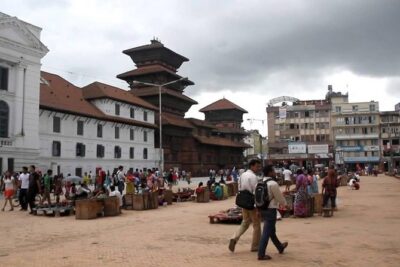
Your trip begins in Kathmandu with a classic Nepal arrival flow: an airport representative meets you and transfers you to your hotel. In the evening, you’ll be introduced to your program and your team. That matters more than it sounds. Kathmandu can be noisy, confusing, and full of choices. A smooth start means you’re thinking about what to pack and how to handle jet lag—not where to go next.
You should also note the stated meeting point start time of 7:15 am. If you’re used to rolling out late, this trek asks for an early start mindset from day one.
Lukla to Phakding: your first real taste of the Everest region
Day two is about movement right away. You’ll take a domestic flight to Lukla and then trek to Phakding (2,652 m), with the walking segment listed at about 3 hours. You’ll start feeling the rhythm of the trail quickly: gradual effort, frequent breaks, and villages that feel like living places, not photo stops.
Phakding is also your first opportunity to settle into lodge life. You’ll see how tea houses work day-to-day here: warm drinks, simple meals, and small routines that help you keep going at altitude.
You can also read our reviews of more hiking tours in Kathmandu
Namche Bazaar: the acclimatization walk with Sherpa village energy
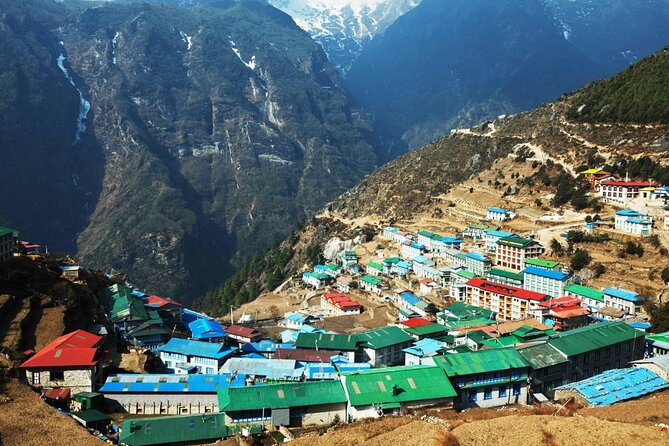
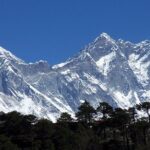
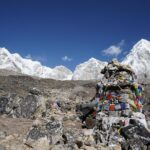
The Phakding to Namche Bazaar day is longer: 10 to 12 km, about 5 hours, and Namche is listed at 11,283 ft. This is where you’ll notice the altitude most. Even if you feel strong, you’ll likely get a slower burn in your breathing. That’s normal.
Namche Bazaar is also one of the key cultural anchors of the Everest region. As you hike through Sherpa villages and past Buddhist monasteries, you’re not just walking toward mountains—you’re walking through communities built around mountain life. Your guide’s job is important here: they help interpret what you’re seeing and keep the day from turning into a scramble.
A practical note
This trek is described as private and at your pace. Still, Namche day is a good reminder that pace is not speed. It’s steady steps, consistent breaks, and listening to your body.
Namche to Pangboche: quieter trail time and monastery atmosphere
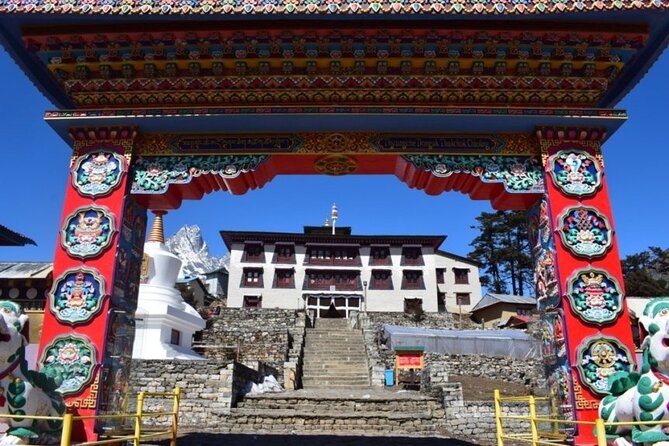
Next up is Namche to Pangbuche (Pangboche/Pangboche), listed at about 5 hours. This is the kind of day that can feel extra satisfying because the trail often opens up into stretches where you can just walk, look, and reset your effort.
Pangboche is known for monastery presence in the Everest region, and this route is designed to give you time to connect that spiritual backdrop to the landscape around it. If you enjoy learning as you go, your guide’s cultural explanations can make these hours feel more meaningful than just “another trekking day.”
Pangboche to Labuche: staying on the altitude rhythm
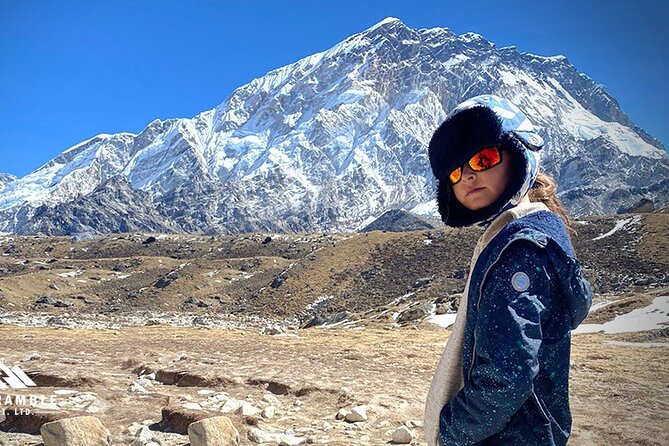
Day five is Pangbuche to Labuche, about 5 hours. At this stage, you’re climbing into thinner air. Even if you don’t feel dramatically sick, you’ll likely notice small changes: quicker fatigue, slower recovery after rests, and feeling cold sooner.
This is where the benefit of a private guide shows up again. You’re not just following a line on a map. A good guide keeps you from overeating or underhydrating, reminds you when to take those short pauses, and helps you keep the day in your control.
Labuche to Gorakshep and Base Camp: the cold work that pays off
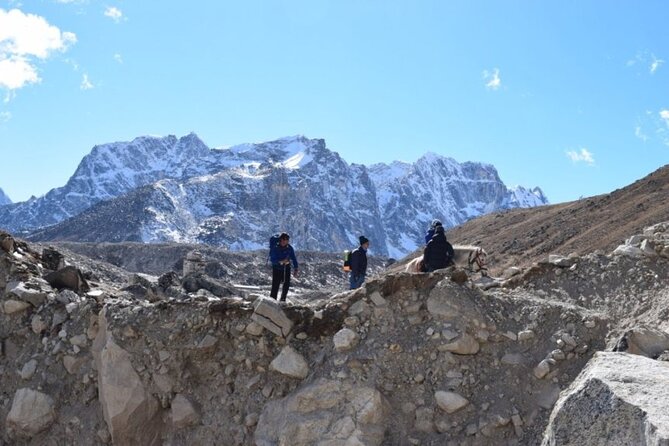
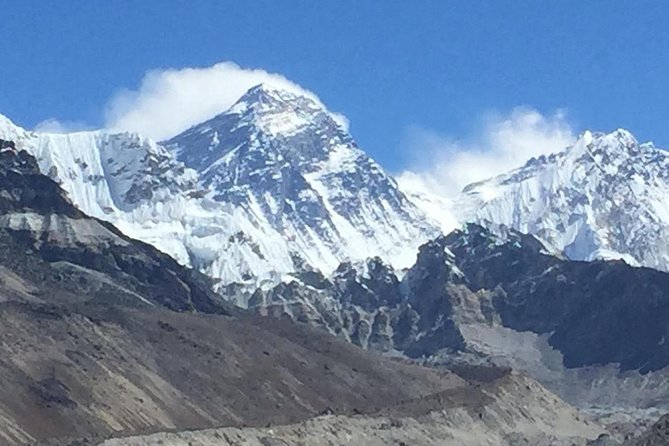
The big day is described as Labuche to Gorakshep, then base camp area, then back to Gorak Shep with about 5 hours for the movement segment. This is the heart of the Everest Base Camp experience: you get the real end-point energy without making this a technical climbing project.
Your lodge stay matters here because the altitude makes “comfortable” feel different. Your overnight accommodations in the mountains are basic trekking lodges with warm blankets, pillows, and comfortable mattresses, but you should not expect Kathmandu standards. If you’ve only trekked in warmer regions, plan mentally for very cold evenings.
What to expect from the base-camp day
- You’ll reach the Everest Base Camp area as part of the trek route.
- You’ll be in a place where hypothermia risk is real if you dress lightly.
- You’ll likely want to move slow, take breaks, and keep wind and temperature in mind.
Gorakshep to Pangboche and Namche: the return down that still hurts
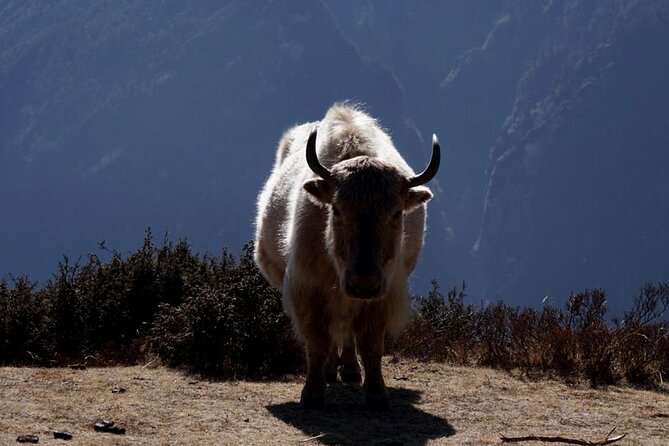
After the base-camp area experience, you start the return. The schedule shows a day going from Gorakshep back toward Pangboche, then onward to Namche Bazaar with about 4 hours listed for the Pangboche to Namche segment.
Descending can feel easier, but don’t let that fool you. Your knees and feet still work hard on the way down. A smart trekking pace keeps the legs functional for the next days, not just the next hour.
Your guide also encourages connection with local Sherpa settlements during the day-to-day flow. That can turn the return days into more than just leg recovery.
Namche to Lukla: last mountain day, then the Kathmandu transfer
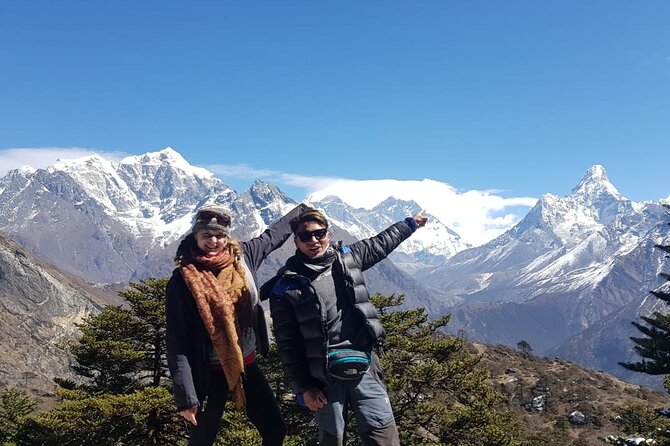
The route lists Namche Bazaar to Lukla as about 5 hours. This is a big psychological transition. You’ve spent days living by mountain routines, and now you’re walking toward a flight that feels almost surreal after all that slow altitude effort.
Then you take the domestic flight back to Kathmandu with a 35-minute transfer to your hotel.
The $1,339.20 value: what you’re buying besides a walking route
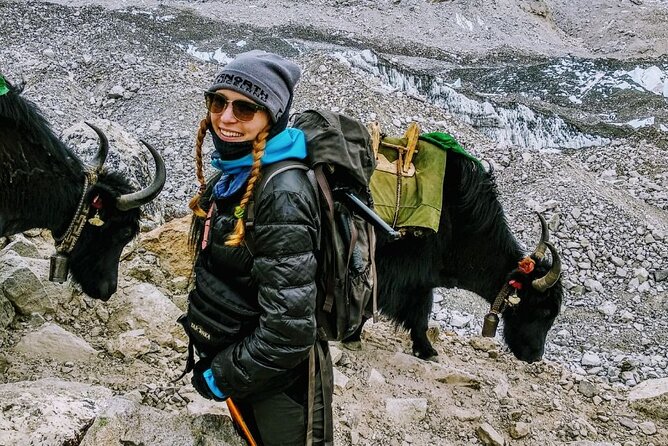
At $1,339.20 per person, you’re not just paying for a trail. You’re paying for a bundled system: flights, lodges, permits, guide support, and day-to-day logistics that would be hard to coordinate alone.
What’s included (the stuff that reduces risk and stress)
- Domestic flights from Kathmandu/Manthali to Lukla and return
- Accommodation at trekking lodges during the trek (twin-sharing)
- Meals on a full-board basis: breakfast, lunch, dinner
- Everest National Park fees + TIMS card
- Experienced ART’s government-licensed, English-speaking local guide
- Water purification tablets
- Private transportation and air-conditioned vehicle for Kathmandu-side moves
What’s not included (the surprises to plan for)
- Visa fee / Nepal entry visa and international flights
- Travel insurance
- Extra Kathmandu accommodation and meals before/after
- Wi‑Fi, hot shower, alcohol, snacks, and other personal items
Also, the tour notes that hot shower and Wi‑Fi aren’t part of the trek package. That’s common, but it’s still worth reading the fine print in your own head before you go.
One more value detail: luggage support
The plan includes a porter system: one porter to carry your luggage, and one porter for 2 trekkers. The guidance says your luggage should not surpass 18 kg. If you want a porter for each person, it says they can be provided if required.
Lodge life and meals: how the day is paced from 6 am to bedtime
The day structure is clearly laid out, and it’s one of the best reasons to choose a guided trek. Here’s the typical rhythm described:
- Around 6 am, you get wake up tea from your guide or porter.
- Breakfast is typically around 7 am.
- Before walking, you stretch and warm up for about 5 minutes.
- The trekking rhythm includes about 45 minutes to 1 hour walking, then 3–4 minutes rest, repeated.
- Walking time to the lunch camp is around 2–3 hours.
- Lunch happens around 12–1 pm with about 40 minutes for the meal.
- After lunch, you walk another 2–3 hours to reach the camp/lodge.
- You rest, then coordinate dinner together, with dinner order noted to be before 5 pm.
- After dinner, you get a next-day briefing.
That last part is underrated. Many trekkers underestimate how much a short briefing reduces uncertainty. When you’re tired and cold, knowing what comes next helps.
Meals: menu variety, and the hygiene angle
Meals are included through breakfast, lunch, and dinner (with hot drinks). The trek is described as lodge-based with menu choices like dal bhat, soups, noodles, eggs, potatoes, handmade bread items, and apple pie, along with teas and coffee options.
One health note from the trek guidance: non-veg options may be available, but it doesn’t recommend meat items in the Everest region due to hygiene and health concerns. I’d follow that logic. On this trek, your best food choices usually come down to simple, freshly prepared meals like dal bhat and vegetable soups.
Water: tablets and a separate plan for hot water
Water is described as available along the way. You can use tap water for free, but you’ll use purification tablets. There’s also mention of bottled water costing around 2–3 dollars per liter.
Cold water might not feel ideal at altitude. The guidance suggests taking a separate proper bottle for hot water, because cold water doesn’t fit every time in the high-altitude conditions.
Safety and altitude: moderate effort, non-technical route, real consequences
This is marketed as a moderate trekking destination with 3–5 hours of hiking a day. It also says the route is not technical: no crampons, no oxygen cylinders, no ropes, and no climbing skills needed.
That’s good news for first-timers. But altitude still isn’t a “skill” problem. It’s a body problem. The trek guidance lists a wide range of trekking ages completing this route, including older and overweight trekkers, but it still requires a moderate fitness base and stamina for cold conditions over about two weeks.
Guide and porter support
You have an experienced licensed English-speaking guide plus porter help. The company emphasizes safety from getting lost by staying guided. That means less wandering and more focus on pacing.
Altitude sickness planning
The equipment list includes Diamox (acetazolamide). I can’t tell you how your body will respond to altitude, so treat that as a doctor-discussion item, not a guess-and-hope plan.
Gear checklist that matches this specific trek reality
The trek provides some items if you don’t have them—down jackets and sleeping bags are mentioned as available in rent. Still, you’ll want your own basics.
What matters most on Everest Base Camp days:
- Sun protection: sunscreen +40, sunglasses, and a sun hat
- Cold protection: warm hat, scarf, lightweight gloves, warm gloves
- Night and early mornings: headlight
- Weather cover: poncho or rain jacket
- Footwear: proper trekking boots, plus extra sock pairs
- Big daypack: day backpack over 30 L, pack cover, thermal bottle
The equipment list also includes a first aid kit, antibacterial gel, moleskin, elastic bandages, and oral rehydration salts. Keep it simple but not empty.
Who should pick this trek (and who might feel annoyed)
This Everest Base Camp trek fits best if you:
- Want a private guided experience so you can move at your pace
- Like learning about culture and nature from a local guide
- Are comfortable with a non-technical, high-altitude lodge trek
- Prefer having key logistics handled: permits, TIMS, flights to Lukla, and most meals
You might feel less happy if you:
- Expect luxury: mountain lodges are basic, and bathrooms may be shared at high altitude
- Need reliable hot showers and Wi‑Fi
- Are counting on a smooth schedule with no weather disruption—flight delays are possible around Lukla and Kathmandu
Also, accommodations are twin-sharing during the trek. If you’re traveling solo, a single supplement is referenced.
Names that matter: Alpine Ramble, and the guide support you’ll rely on
In the feedback you can find repeated praise for Alpine Ramble’s people and communication. You’ll see names like Dil (the owner), plus guides such as Sujal and Samir mentioned in other trek experiences with the same operator. There’s also praise for Sherpa team members like Manish. Even if you don’t get the same guide, the repeated focus is consistent: clear communication before the trek and practical help while you walk.
Should you book Alpine Ramble’s Everest Base Camp Trek for 2025/2026?
I’d book this if you want a well-structured Everest Base Camp trek where the hardest parts of planning—Lukla flights, permits, lodge logistics, and safe navigation—are handled for you. The price makes more sense when you remember it includes the big-ticket moving pieces: domestic flights, park fees, TIMS, accommodations during the trek, and full-board meals.
Skip it (or ask hard questions) if you’re trying to minimize altitude risk through comfort. This is cold, basic-lodge trekking. Also, budget for the items not included like your visa, travel insurance, and international flight, plus any extra Kathmandu nights.
If your goal is reaching Everest Base Camp without the stress of building a plan from scratch, this one is built for you.
FAQ
How long is the Everest Base Camp trek?
The experience is listed as 14 days (approx.).
Are domestic flights to Lukla included?
Yes. Domestic flights from Kathmandu/Manthali to Lukla and return are included.
What’s included in the trek cost?
The package includes accommodation at trekking lodges during the trek, most meals (full-board basis for breakfast, lunch, dinner), permits (Everest National Park fees and TIMS), water purification tablets, and an experienced licensed English-speaking local guide.
What is not included?
Not included are visa fee/entry visa (and Nepal entry visa wording), international flights, travel insurance, extra accommodation and meals in Kathmandu before and after the trek, and personal costs like hot and cold drinks, Wi‑Fi, hot showers, alcohol, and snacks.
Do I need technical climbing gear for this trek?
No. The trek is described as not technical, with no crampons, ropes, or oxygen cylinders required.
What kind of lodging will I get on the trek?
You stay in basic trekking lodges with warm blankets and mattresses. Rooms are twin-sharing; a single supplement is mentioned for solo travelers. Attached bathrooms may not be available at higher altitudes.
What’s the daily schedule like?
The trek describes a routine with wake-up tea around 6 am, breakfast around 7 am, walking breaks and a lunch stop around 12–1 pm, then arriving at the camp for rest and dinner. A next-day briefing happens after dinner.