REVIEW · KATHMANDU
Everest Base Camp Trek with Helicopter Flight Back
Book on Viator →Operated by Bold Himalaya Treks and Travels Pvt Ltd · Bookable on Viator
Some people chase Everest for the summit. This trek helps you get the views.
What makes this one interesting is the mix of classic Khumbu trekking with the big time-saver: a helicopter back to Kathmandu after your high-altitude days. I like that the plan includes experienced guide support and the practical logistics you need for the route (domestic flights, hotel in Kathmandu, and park fees). I also like the emphasis on real comfort where it counts, including solid lodge and hot water situations in Kathmandu even when conditions get messy.
The one thing to double-check is the helicopter back cost. In the trip details, the helicopter flight from Gorak Shep to Kathmandu is listed as not included, even though the schedule counts on it—so confirm what you’re actually paying for.
In This Review
- Key things that make this Everest Base Camp trip work
- Why an EBC trek that skips the return still feels like the real deal
- Price and logistics value: what $446.50 really buys
- Kathmandu arrival: pickup, briefing, and a comfortable first night
- Lukla flight and the downhill start to Phakding
- Namche Bazaar day: Sherpa villages and the Dudhkoshi bridge crossing
- Everest View Hotel hike and the Sherpa Museum stop
- Tyangboche: classic Everest-Lhotse perspectives and a lodge-day lunch
- Dingboche acclimatization and Nagarjun Peak: the altitude “safety valve”
- Thukla Pass to Lobuche: memorials, glacier views, and tougher footing
- Everest Base Camp day from Gorak Shep: the Khumbu Icefall moment
- Kala Patthar sunrise and the helicopter back to Kathmandu
- Guides, comfort, and the human details that actually matter
- Who should book this Everest Base Camp with helicopter back
- Should you book it or choose a different EBC style?
- FAQ
- How long is the Everest Base Camp trek with helicopter flight back?
- Where does the tour start in Kathmandu?
- Are domestic flights included?
- What parts of the trek are included for permits and fees?
- What meals are included during the trek?
- Is trekking gear included?
- Are the helicopter flights included?
- Do I need to bring a porter?
- What happens if weather is bad?
Key things that make this Everest Base Camp trip work
- Lukla flight in, helicopter flight out: you skip the return hike from the high country.
- Acclimatization built in: a prep hike on the Dingboche day helps you handle altitude.
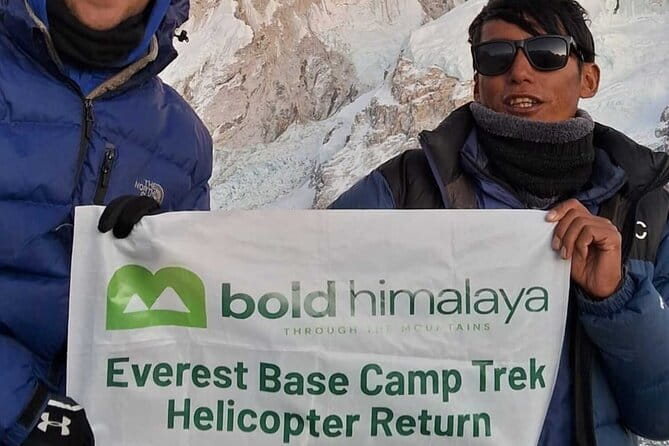
- Guides and named care: names like Surendra and manager Sobit come up in the company’s story.
- Permits and fees included: Sagarmatha National Park fee, TIMS, and local entrance fees are covered.
- Gear support: sleeping bag, down jacket, and trekking poles are listed as included if you need them.
- Kathmandu buffer time: you get a briefing day and an easy first night before flights and trekking.
Why an EBC trek that skips the return still feels like the real deal
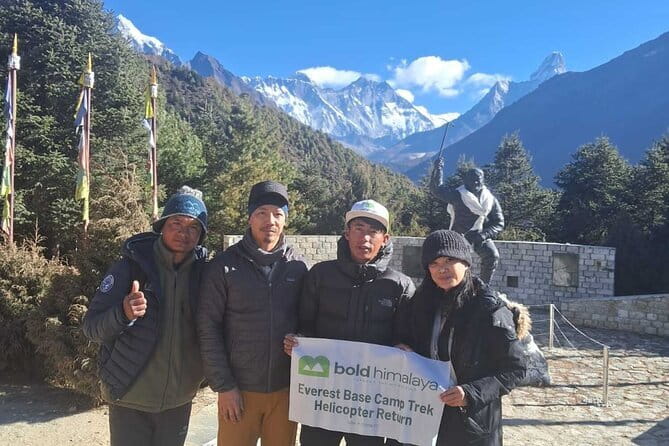
Everest Base Camp is one of those places where even a short detour off the main trail feels like it matters. You’re moving through Sherpa villages, crossing suspension bridges, and stepping higher day by day toward a landscape dominated by ice and stone.
This version is smart because it treats your time like a resource. You’re still doing the core climbing rhythm of the Khumbu (including the altitude prep day), but you’re not spending extra days hiking back down just to finish the loop. The payoff is that you get more time in the meaningful parts: Namche, Tengboche/Tyangboche area, Dingboche, and the Base Camp approach.
The helicopter piece is the hook—but also the thing you manage carefully. Weather drives the schedule in the Himalaya, and air travel has limits. If the helicopter is delayed or changes, it can affect your final day.
You can also read our reviews of more hiking tours in Kathmandu
Price and logistics value: what $446.50 really buys
At $446.50 per person, the big value isn’t that the trek is cheap. It’s that a lot of the expensive hassles are handled for you: flights, permits, and guiding.
Here’s what the package lists as included:
- Domestic flight Kathmandu to Lukla (with an alternative Ramechap to Lukla if needed)
- Private transportation and a Kathmandu hotel night (twin sharing, breakfast included)
- Experienced trekking guide (salary, insurance, food, and accommodation)
- Sagarmatha National Park entrance fee, TIMS, and a local municipal entrance fee
- A set of trekking gear: sleeping bag, down jacket, and trekking poles (if you need them and per the provided return condition)
- Meals counted across the trek: breakfast 9, lunch 8, dinner 8
- Small provisions on the trail: seasonal fruit and dry nuts
- Kathmandu cultural show and dinner program
Now the caution: the helicopter flight from Gorak Shep to Kathmandu is specifically listed under not included. That means the true all-in cost may be higher than the headline price if you want the helicopter as shown in the plan. This is the one line you should confirm before you fall in love with the idea.
If you want a trek where you don’t have to micromanage permits, flights, and meal planning, this is priced in a way that makes sense. If you’re trying to control every variable and don’t need helicopter convenience, compare this offer against alternatives that include (or exclude) the return flight.
Kathmandu arrival: pickup, briefing, and a comfortable first night
Your trip starts at Tribhuvan Airport in Kathmandu with pickup offered and a transfer to your hotel. After you settle in, you get an evening briefing. That matters more than it sounds. EBC is not the kind of trek where you want to wing logistics and then discover missing documents, confusing flight details, or unclear gear expectations at the last minute.
You also get one night in Kathmandu (hotel listed as Thrive or similar), in twin sharing with breakfast. That’s a simple baseline, but it can make the difference between arriving tired and actually feeling ready.
One nice added touch: you’re included in a one cultural show and dinner program in Kathmandu. It’s not Everest, but it’s a good way to keep your energy steady before you jump into early mornings and high altitude.
Lukla flight and the downhill start to Phakding
Day two is a flight from Kathmandu to Lukla. You land at one of Nepal’s most famous airports, where the Himalayan scenery is already doing the heavy lifting for you. Even if you’re not a plane person, the first look down toward the valleys hits fast.
Then you start trekking downhill toward Phakding. The route passes through alpine forests, which is a very different feel than the stone-and-ice days later. This day is about rhythm:
- walking enough to get moving
- eating regularly
- letting your body learn the trail
A practical note: if you’re prone to motion sickness or cold, pack accordingly for the early flights. The ride plus altitude can be a weird combo.
Namche Bazaar day: Sherpa villages and the Dudhkoshi bridge crossing
From Phakding you trek to Namche Bazaar, usually with a crossing of the Dudhkoshi River via suspension bridges along the way. Bridges like this are more than a photo stop. They’re a quick test of balance and footing, and they keep you mentally present while the trail rises.
Namche is a hub town. Here, you see the Sherpa way of life intertwined with mountain tourism. The goal on this day isn’t just distance—it’s orientation. You’re getting used to the altitude feel, the lodge rhythm, and the idea that everyone here has a mission.
This is also where you’ll understand why people care about acclimatization so much later. Even at this stage, you’ll feel the height.
You can also read our reviews of more tours and experiences in Kathmandu
Everest View Hotel hike and the Sherpa Museum stop
On a later day, you get a rest-and-explore block around Namche. The plan includes visiting the Sherpa Museum and then hiking up to the Everest View Hotel in the afternoon for panoramic views.
I like this stop because it gives you two types of understanding:
- museum time to make sense of what you’re seeing
- a viewpoint hike to experience the scale firsthand
The View Hotel hike is not a summit bid, but it’s enough effort to remind you that altitude is not theoretical. If you pace yourself and take breaks, you’ll get the payoff without turning it into a suffering contest.
Tyangboche: classic Everest-Lhotse perspectives and a lodge-day lunch
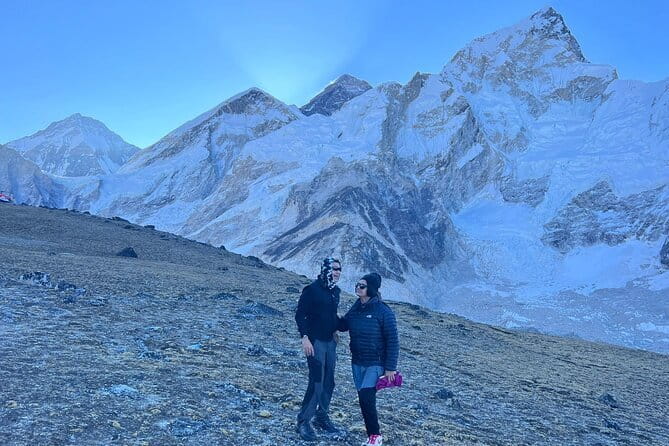
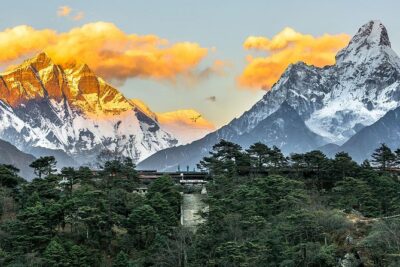
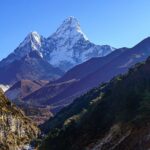
You continue onward to Tyangboche, with a route that keeps Everest and Lhotse in your mental frame. The plan includes lunch in Phungi Thanga before trekking onward.
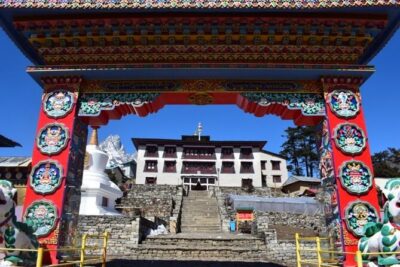
Tyangboche is one of those places where the village layout and surrounding peaks make you feel the mountain everywhere. It’s also a good place for rest because the next days push higher.
Potential drawback: if you rush, this becomes an endurance day instead of a scenic day. The solution is boring but effective—slow down. Your lungs will thank you later.
Dingboche acclimatization and Nagarjun Peak: the altitude “safety valve”
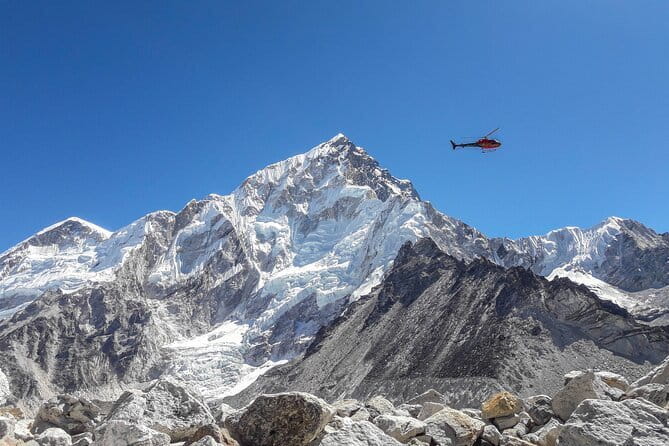
You reach Dingboche, crossing a suspension bridge over the Imja Khola. The route passes through rhododendron forests and villages such as Pangboche and Somare. Then you get a dedicated preparation day for higher altitude.
That prep day includes hiking up to Nagarjun Peak, described as offering 360-degree views. Even if you don’t obsess over degrees, the core purpose is clear: a controlled push helps your body adapt.
This is the part of the trip I consider most valuable for long-term comfort. People often think acclimatization is optional. It’s not. You want your body to handle the next stages, especially as you move toward passes and higher sleeping zones.
Thukla Pass to Lobuche: memorials, glacier views, and tougher footing
From Dingboche, you trek to Lobuche (4,940m). The route passes through Thukla Pass with memorials to climbers, and then you reach Lobuche with close-up views of surrounding glaciers.
This is where the scenery shifts more dramatically into the high-alpine feel. The pass area can be emotionally heavy, but it’s also a moment of perspective. You’re walking into the world where serious mountaineering happens, even if you’re not attempting it.
Overnight in Lobuche is listed as roughly 5 to 6 hours of trekking time to reach it. Plan your day so you arrive before you’re exhausted. A cold, tired arrival makes the next morning harder.
Everest Base Camp day from Gorak Shep: the Khumbu Icefall moment
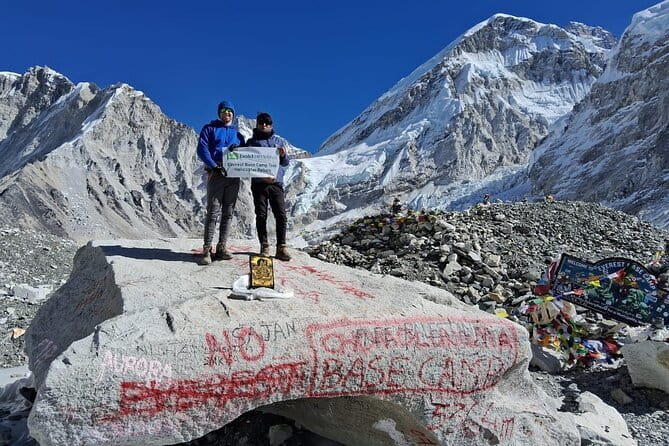
On the next big day, you trek to Everest Base Camp (5,364m) and overnight in Gorak Shep (5,170m). You trek to Gorak Shep, leave your gear, and continue toward Base Camp.
This is a long day, and the main highlight is the view of the Khumbu Icefall. Whether you’re a geology fan or just someone chasing the iconic silhouette, the Icefall tends to make Everest feel real in a new way. It also changes how you see the route—suddenly the mountain looks less like a backdrop and more like an active system.
One practical consideration: this is high altitude. The day is not just a walk; it’s a patience test. Hydrate, eat what you can, and don’t try to be a hero with your pace.
Kala Patthar sunrise and the helicopter back to Kathmandu
The final day starts with an early hike to Kala Patthar (5,550m) for sunrise and panoramic views. This is the classic move because it gives you morning light when the peaks tend to look at their best.
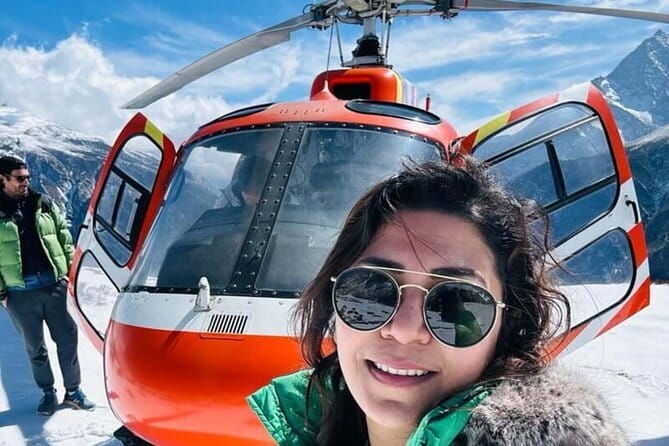
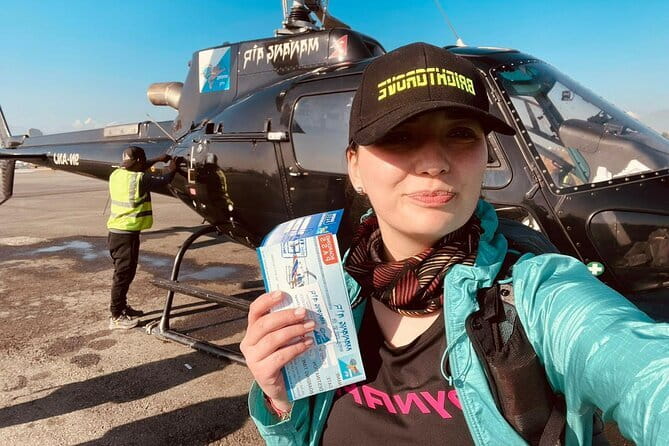
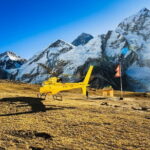
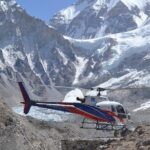
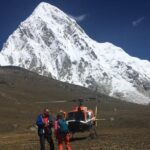
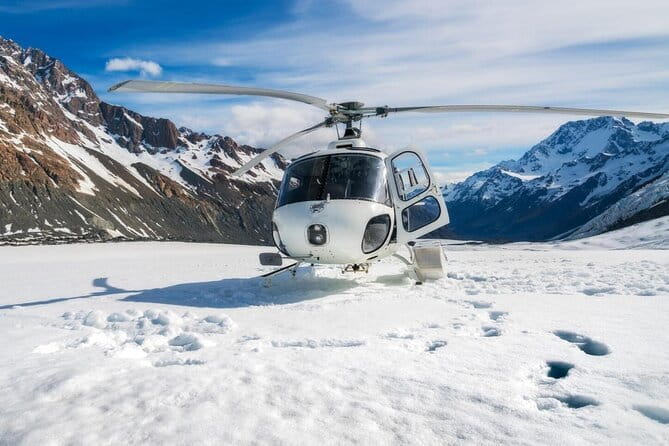
After that, you return to Gorak Shep and board a helicopter to Kathmandu, followed by transfers. The schedule frames this as the key convenience feature—skip the long hike back and land in the city while you still have energy.
But remember the earlier caution: the helicopter flight is listed as not included. Even if you plan for it, confirm:
- whether the helicopter is already included in your quoted price
- what happens if weather impacts flight timing
Also note the tour details say the experience requires good weather and can be canceled due to poor weather, with a different date offered or a full refund. For the helicopter part, that kind of rule is not just paperwork. It affects your last-day expectations.
Guides, comfort, and the human details that actually matter
This trek is not only about the mountains. It’s about the people managing the pace, the comfort, and the small decisions that keep you safe.
The plan includes an experienced trekking guide with salary, insurance, food, and accommodation covered. That’s a big deal because the guide’s role isn’t just leading you—it’s reading trail conditions, setting a reasonable pace, and keeping you organized when altitude makes everything feel more difficult.
I also like that the company’s human side shows up with real names. A guide named Surendra and a porter named Uncle Doma Ghale are part of the story from past participants. I can’t promise the same crew for every booking, but it’s a strong sign that you’re not just assigned a nameless helper.
The same goes for communication. A manager named Sobit is described as very attentive from the first email. If you book this trip, use that. Ask questions early. Confirm your flight plan (including whether Ramechap to Lukla is used) and clarify the helicopter situation.
On comfort: one of the strongest points in the experience profile is the attention to hot water and lodge comfort, even when conditions force changes. That matters more than people expect. When you’re cold and tired, hot water turns into a morale upgrade.
Who should book this Everest Base Camp with helicopter back
This is a good fit if:
- you want the classic Everest Base Camp route through Sherpa country
- you value time savings on the way out
- you’re comfortable with a multi-day trekking rhythm and altitude steps
- you prefer organized logistics (flights, fees, meals) over DIY planning
Think twice if:
- you have tight budget limits and aren’t sure what the helicopter will cost beyond the listed price
- you hate early mornings (Kala Patthar is early)
- you’re not ready for altitude preparation on the Dingboche day
Also, the trip is listed as a private tour where only your group participates. That’s a plus if you want a steadier pace and fewer disruptions. The downside is you should still be honest as a group about fitness and experience, because the mountain won’t care if it’s private.
Should you book it or choose a different EBC style?
Book this trek if you want a balanced package: real guiding, included permits, domestic flights, and a structured acclimatization plan—plus the chance to wrap up with a helicopter.
Before you commit, do two quick checks that save regret:
- Confirm whether the helicopter flight from Gorak Shep to Kathmandu is included in the price you’re paying.
- Ask how weather changes are handled on the final day, since the experience requires good conditions.
If those answers make sense and the total cost still feels fair, this is a smart way to reach Everest Base Camp without stretching the journey into an extra trek back down.
FAQ
How long is the Everest Base Camp trek with helicopter flight back?
The experience is listed as about 10 days.
Where does the tour start in Kathmandu?
The meeting point is Tribhuvan Airport in Kathmandu, Nepal, with pickup offered.
Are domestic flights included?
Yes. A domestic flight from Kathmandu to Lukla is included, with an alternative route from Ramechap to Lukla depending on the itinerary.
What parts of the trek are included for permits and fees?
The package includes Sagarmatha National Park entrance fee, Pasang Lhamu Rural Municipality entrance fee, and TIMS.
What meals are included during the trek?
Breakfast (9), lunch (8), and dinner (8) are listed as included.
Is trekking gear included?
Sleeping bag, down jacket, and trekking poles are listed as included if you need them, with a note about return after trekking.
Are the helicopter flights included?
The schedule mentions a helicopter flight back to Kathmandu, but helicopter flight from Gorak Shep to Kathmandu is listed under not included. Confirm what’s included in your final total.
Do I need to bring a porter?
Porters are listed as not included, though a trekking guide is included. If you want porter help, you should confirm options directly with the provider.
What happens if weather is bad?
The experience requires good weather. If it’s canceled due to poor weather, you’ll be offered a different date or a full refund. You can cancel up to 24 hours in advance for a full refund.