REVIEW · KATHMANDU
Everest Base Camp Trek
Book on Viator →Operated by Nepal Hiking Adventure Company - Private Day Tours · Bookable on Viator
Lukla flights set the tone. This 14-day Everest Base Camp trek strings together big-altitude trekking, Sagarmatha National Park scenery, and Sherpa culture—starting with a short flight to Lukla and building up with an intentional acclimatization day in Namche Bazaar. Two standouts for me are the mix of mountain viewpoints and human-scale village days, plus the chance to see places like Tengboche Monastery and Everest View Point along the way.
What I like most is how the route is paced so you are not just grinding upward the whole time.
I also like the way the trek is built around real Everest country landmarks. You get time in Namche Bazaar to settle in, a stop at Sherpa Museum to understand mountaineering life locally, and then later the classic high-mountain moments at Everest Base Camp and Kala Patthar for the highest viewpoint on the itinerary. A big plus is the small group size—up to 8 people—so your guide can keep a steadier eye on everyone’s rhythm.
That matters when the air gets thin.
One drawback to consider: the Lukla flight can be weather-dependent, and the itinerary also uses Ramechhap as a backup in busy season. Since the experience requires good weather, expect some real-world flexibility around flights and timing, even with a solid plan in place.
In This Review
- Key Highlights You’ll Feel on This Everest Base Camp Trek
- Price and Logistics: What You’re Really Paying For
- Kathmandu Setup: Thamel Nights, Pre-Trek Meeting, and Fast Orientation
- Lukla Flight Day: Beautiful Air Scenery and the Main Risk
- Phakding to Namche Bazaar: Your First Real Taste of Sherpa Country
- Namche Acclimatization: Sherpa Museum + the Everest View Hotel Experience
- Tengboche: Monastery Quiet with Big Mountain Views
- Dingboche and Deboche: Rhododendron Trails, Nunnery, and Mountain Drama
- Lobuche and Memorial Country: Where the Trek Becomes Personal
- Everest Base Camp Day: Icefall Mood and a Real Glacier Setting
- Kala Patthar Sunrise Peak: The Highest View Moment (5,550m)
- The Descent with Meaning: Pangboche, Monasteries, and Returning Toward Lukla
- Fly Back: Lukla to Kathmandu or Ramechhap to Kathmandu
- Your Guide and Support Team: The Human Factor That Shows Up Again and Again
- Meals, Lodging, and What Your Day Actually Feels Like
- Who This Everest Base Camp Trek Fits Best
- Should You Book This 14-Day Everest Base Camp Trek?
- FAQ
- How long is the Everest Base Camp trek?
- Where does the trip start?
- Is pickup from the airport included?
- Are flights included?
- What about accommodation in Kathmandu?
- Are meals included during the trek?
- What isn’t included in the price?
- What fitness level do I need?
- How many people are in a group?
- What if flights or the experience are canceled due to weather?
Key Highlights You’ll Feel on This Everest Base Camp Trek
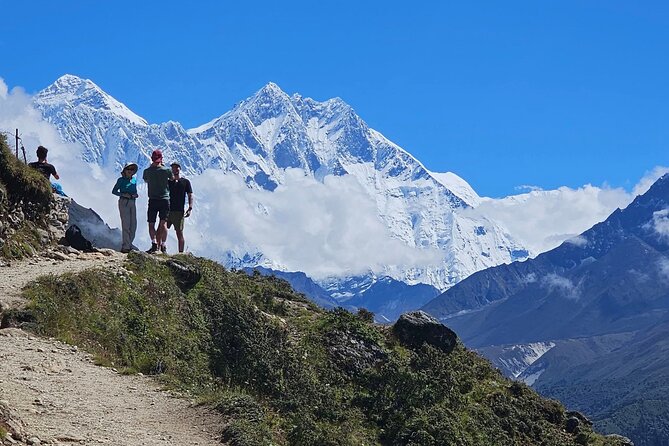
- Lukla start plus a realistic flight plan (KTM–Lukla–KTM or via Ramechhap on peak season)
- Acclimatization in Namche Bazaar at 3,440m/11,283ft to reduce the “rush uphill” feeling
- Cultural stops that teach as you walk, including Sherpa Museum and monastery visits
- Everest Base Camp day with glacier/icefall focus, not just photos from a distance
- Kala Patthar as the summit moment at 5,550m for dawn views (weather allowing)
Price and Logistics: What You’re Really Paying For
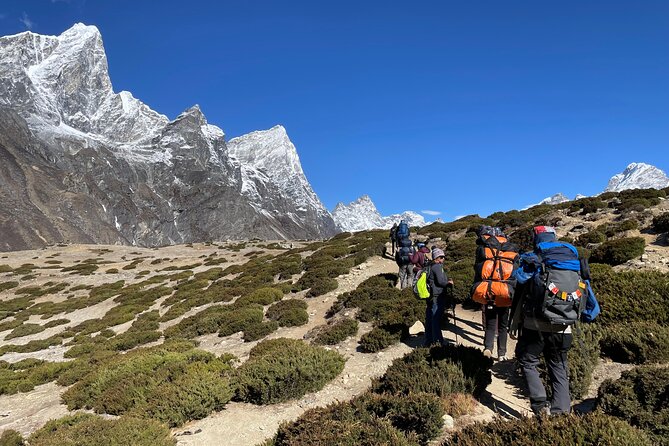
At about $1,300 for a 14-day trek, this is not the cheapest Everest option—but it’s also not trying to be “ultra-budget.” The value comes from what’s actually included versus what can quietly add up.
Here’s the practical breakdown of why the price can make sense:
- Flights to and from Lukla are included as part of the package (KTM–Lukla–KTM or Ramechap–Lukla–Ramechap, with drive to Ramechhap in peak season).
- Airport pickup and final transfer are included, so you’re not scrambling on Day 1 or Day 14.
- Kathmandu lodging covers two nights on a bed-and-breakfast basis (Hotel Kailash Kutee or same category).
- Meals are mostly covered across the trek: breakfast (13), lunch (11), dinner (11). That coverage matters because trekking days often eat time and energy—and food consistency is a big deal when you’re climbing.
What you should budget separately:
- Personal expenses and beverages, plus tips for guide/driver.
- Alcohol is not included (and only available to those over 18).
And then there’s the Everest reality check: the itinerary depends on weather for flights, and the experience requires good weather. That means you’re paying not only for the trekking route, but for the coordination that keeps the trip moving when conditions change.
Finally, small group size—maximum 8 travelers—is one of those details that sounds minor until you’re on narrow trails and shared dining spaces. Fewer people usually means less chaos, faster problem-solving, and more attention from your team.
You can also read our reviews of more hiking tours in Kathmandu
Kathmandu Setup: Thamel Nights, Pre-Trek Meeting, and Fast Orientation
Your trip starts in Kathmandu, with airport pickup and a drive to a hotel near Thamel. You’re not left to figure everything out alone on Day 1. You also get a pre-trip meeting with the team and time to get ready for the next day.
That first night is more than just a bed. It’s your buffer for the trekking learning curve:
- You can get your layers organized.
- You can sanity-check your gear.
- You can ask questions before you’re far from help.
If you’re arriving after a flight, the biggest win here is how quickly you get your bearings. Then you wake up the next day and go straight into the adventure—no long shopping detours or extra admin days.
Lukla Flight Day: Beautiful Air Scenery and the Main Risk
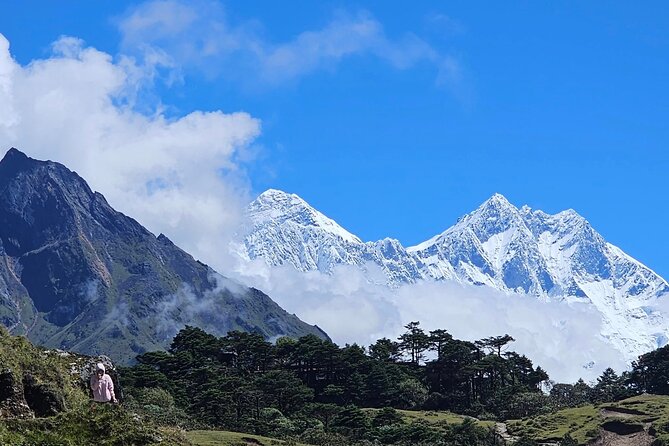
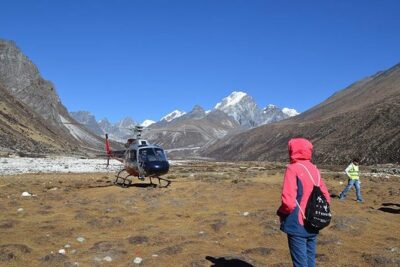
Day 2 is the big transition: an early flight of about 40 minutes from Kathmandu or Ramechhap to Lukla, which is known for challenging conditions. This is one of those “you’ll feel it in your stomach” moments, because wind and weather can affect timing.
What I like about this itinerary is that it’s not pretending the flight is guaranteed:
- It explicitly allows for cancellations/delays based on weather and local factors.
- It includes a plan for the return flight as well.
- On peak season, it uses Ramechhap because Kathmandu airport traffic can force different routing.
So when you choose this trek, choose it knowing you’re signing up for the Himalaya as they are, not as a brochure. The upside is obvious: the air views en route to Lukla can be spectacular, and the whole trek feels more “real” once you’ve crossed into the Khumbu world.
Phakding to Namche Bazaar: Your First Real Taste of Sherpa Country
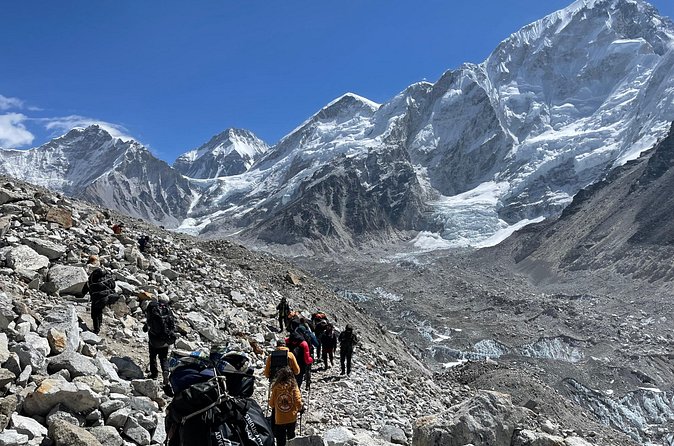
Once you land in Lukla, the trek begins with a short walk to Phakding for the first night. This is a helpful first trekking day because it gets your legs working without demanding maximum altitude stress right away. It’s a gentle on-ramp.
Then come the classic steps toward Namche:
- From Phakding you trek toward Monjo, crossing suspension bridges along the way.
- You continue into the Namche Bazaar area.
Namche Bazaar is the Everest region’s entrance and cultural hub, and you’ll feel that immediately. It’s not just a “place to sleep.” You’re surrounded by Sherpa life, trekking logistics, and the mountain scale that makes every later viewpoint hit harder.
Namche Acclimatization: Sherpa Museum + the Everest View Hotel Experience
Day 4 is your acclimatization day in Namche Bazaar at 3,440m / 11,283ft. That choice is smart. Everest trekking isn’t just about stamina—it’s about altitude management. A rest day here is your chance to lower the risk of getting hammered too soon.
During this stop, you can add culture and viewpoints rather than just sitting still:
- Visit the Sherpa Museum, a strong way to learn about Sherpa culture and mountaineering history.
- Take time for the local rhythm of Namche: tea shops, village lanes, and slow altitude breathing.
This matters because it gives the trek context. When you later reach Tengboche, Everest Base Camp, and Kala Patthar, you’ll understand the landscape in human terms, not just as a photo backdrop.
Tengboche: Monastery Quiet with Big Mountain Views
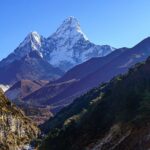
Day 5 moves from Namche region toward Tengboche, taking you up a high-level path above the Dudh Koshi. This is where the scenery starts getting louder, and the mountains begin acting like the main character.
Tengboche is also your monastery moment: the plan includes the Charming Tengboche Monastery. Even if you’re not a “temple person,” the effect is the same—quiet, cold air, and the feeling that the mountains have their own schedule.
If you like spiritual places, this one has that calm. If you don’t, it still works because it breaks up the day from pure walking into something memorable and human.
Dingboche and Deboche: Rhododendron Trails, Nunnery, and Mountain Drama
Day 6 takes you to Dingboche, and you’ll trek through rhododendron forests and meadows. On Everest routes, those living slopes can feel like a gift because you’re traveling through altitude zones—not just climbing to a single number.
The route includes a stop near Deboche, including a Buddhist nunnery visit before continuing toward Imja Khola. These are small pauses, but they help you stay mentally fresh. By the time you reach Dingboche, you’ve earned the sense of “we’re really here.”
Day 7 then gives you another breather day in Dingboche. It’s framed as an option to relax, take a walk, or choose a day off depending on how you’re feeling. That flexibility is practical. Some people want extra movement; others need recovery.
Lobuche and Memorial Country: Where the Trek Becomes Personal
Day 8 shifts toward Lobuche and includes a walk to Dughla, over a hill where there are several memorials to Sherpas who lost their lives on Everest trips. This is one of the stops that changes how you experience the trek.
It’s not cheerful. It’s not meant to be. But it is grounding. You’re walking in a place shaped by courage and cost, and the memorials add weight to the views you’ll see later.
The day also sets you up for big sightlines: the itinerary calls out views like Kalar Pattar and Pumori, plus travel along the Khumbu Glacier moraine.
Everest Base Camp Day: Icefall Mood and a Real Glacier Setting
Day 9 is the signature moment: trekking toward Everest Base Camp, with an itinerary that specifically mentions touring base camp and the surrounding glacier and icefall area.
You’ll walk through stony dunes, moraines, and streams. This part feels different from earlier days because the trail environment starts to look more like “rock on purpose,” not just a village path.
After lunch, the day continues on toward base camp, then you shift to Gorak Shep for the night. Lodges here are part of the trek rhythm—practical shelter, simple meals, and that sense you’re close to the top of the story.
Kala Patthar Sunrise Peak: The Highest View Moment (5,550m)
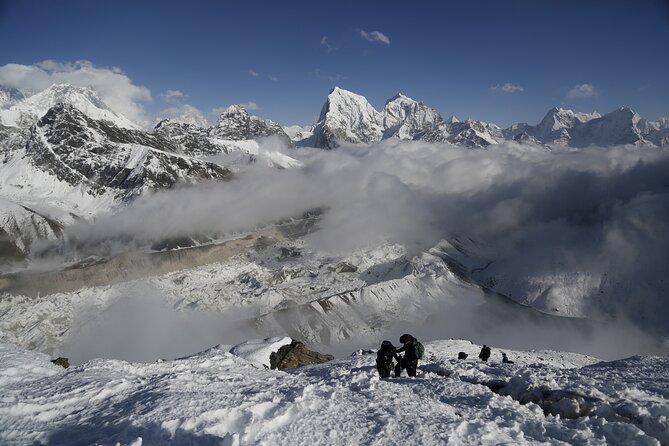
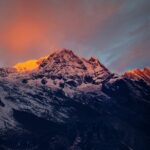
Day 10 is dedicated to Kala Patthar at 5,550m. The plan frames it as the highest elevation viewpoint on the trek and schedules it for the kind of dawn views trekkers chase.
You’re trekking up from Gorak Shep and your guide schedules the timing to match the view window. The itinerary suggests a climb that takes about two hours from the route timing described.
After the viewpoint, you descend back toward Pheriche, with the day structured as: see the view, return for breakfast at Gorak Shep, then travel down for the overnight.
Even if the weather isn’t perfect, this day is still worth it because it forces focus. You stop thinking like a tourist and start moving like an experienced trekker—step by step, breath by breath.
The Descent with Meaning: Pangboche, Monasteries, and Returning Toward Lukla
Day 11 heads toward Namche Bazaar, and the itinerary includes Pangboche monastery, described as the oldest monastery in the area, when visiting conditions allow. That’s a nice counterweight to the base camp intensity—something older, quieter, and less dramatic than the glacier edges.
Then you continue descending through Tangboche and toward Phungithanka and onward to Kyanj—before returning to the next overnight point in the plan.
Day 12 is your trek toward Lukla, with relaxed walking through lush background scenery, Sherpa hamlets, and then the Hilary suspension bridge area before arriving back in Lukla.
This is when the mountains start to feel both familiar and slightly unreal—like you’re leaving a place you just learned to understand.
Fly Back: Lukla to Kathmandu or Ramechhap to Kathmandu
Day 13 includes flying from Lukla, then during busy season routing, flying to Ramechhap Airport and onward by coordination back to Kathmandu.
The exact airports and routing depend on the plan and the days’ operations, but the key point is that flights are part of the return, not an optional add-on. Your guide then transfers you to accommodation in Kathmandu.
Day 14 ends with a final transfer to Tribhuvan International Airport, with time for any last arrangements.
Your Guide and Support Team: The Human Factor That Shows Up Again and Again
What elevates this trek isn’t only the geography. It’s the team behind it—especially the guide.
Across the experience, the names you’ll see tied to strong service include Ram, Bishnu, Rajesh, Gore, Prakash, plus support staff and assistance like Amer (porter support), and team members named Tilak, Binode, and Sanjay.
The practical value of a good guide shows up in small moments that matter in the Khumbu:
- Keeping you calm when plans shift
- Handling the daily rhythm so you don’t burn out
- Sharing problem-solving in real time (gear help, pacing adjustments)
- Keeping the group engaged when weather tests patience
If you want a trek where the experience feels looked after—not just escorted—this is where it can deliver.
Meals, Lodging, and What Your Day Actually Feels Like
This trek runs on simple, repeatable systems:
- Kathmandu: two nights in a hotel near Thamel with breakfast included.
- On trek: lodges with breakfast/day coverage plus lunch and dinner coverage on most trek days.
Because meals are included on a large chunk of days, you spend less time worrying about where you’ll eat and more time thinking about the next climb.
The lodging on trek days is basic in the way mountain trekking requires. It’s not set up for comfort-luxury. But it supports the core goal: sleep, recover, eat, and move again.
Who This Everest Base Camp Trek Fits Best
This trek is built for people with moderate physical fitness who can handle altitude, long walking days, and changing conditions.
It’s especially suitable if you:
- Want the classic Everest route with a clear build-up to base camp
- Value cultural stops like Sherpa Museum and monastery visits
- Prefer a small group (up to 8) over a big herd
- Are comfortable with the fact that Lukla flights can change
It may not fit if you’re looking for guaranteed flight timing down to the minute. This route works best when you travel with flexibility and accept that weather owns the schedule sometimes.
Should You Book This 14-Day Everest Base Camp Trek?
If your goal is the real Everest Base Camp experience—complete with acclimatization, major landmarks, and a guide team that tends to handle both altitude and logistics well—this is a strong choice.
I’d book it if you want:
- A route that includes Namche acclimatization and a Kala Patthar viewpoint day
- Included flights (so you’re not piecing together travel on your own)
- A small-group setup (up to 8) with support from named guides like Ram, Bishnu, and Gore in different departures
- Enough structure that you can focus on the walk, not the planning
I wouldn’t book it if you need absolute certainty on flight dates or if you dislike the idea that good weather is required and plans may shift. In Everest country, that’s not a flaw—it’s the deal.
If that tradeoff sounds acceptable, this trek gives you exactly what you came for: Everest views, Sherpa culture, and the kind of high-altitude achievement that feels bigger than a single summit.
FAQ
How long is the Everest Base Camp trek?
It runs for about 14 days.
Where does the trip start?
It starts in Kathmandu, Nepal.
Is pickup from the airport included?
Yes. The tour includes drop-off and pickup from the airport on arrival and final departure.
Are flights included?
Yes. Flights for clients are included for KTM–Lukla–KTM or Ramechhap–Lukla–Ramechhap, and in peak season there can be a drive to Ramechhap. The guide’s flight is included too.
What about accommodation in Kathmandu?
You get 2 night accommodation in Kathmandu on a bed-and-breakfast plan (Hotel Kailash Kutee or same category).
Are meals included during the trek?
Yes. Breakfast is included on 13 days, lunch on 11 days, and dinner on 11 days.
What isn’t included in the price?
Personal expenses and beverages, tips for guide/driver, and alcoholic beverages are not included.
What fitness level do I need?
The tour states that travelers should have a moderate physical fitness level.
How many people are in a group?
The maximum group size is 8 travelers.
What if flights or the experience are canceled due to weather?
The experience requires good weather. If it’s canceled due to poor weather, you’ll be offered a different date or a full refund. You can cancel up to 3 days in advance for a full refund.