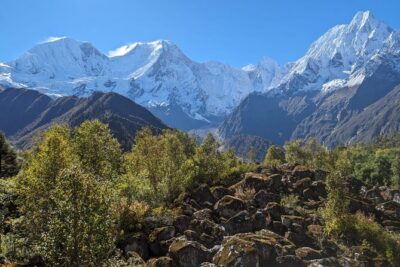
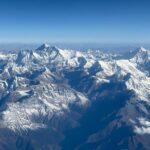
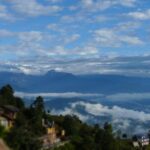
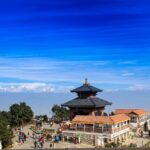
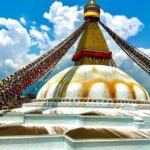
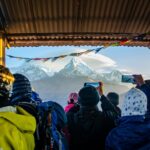
Altitude starts with a postcard view. This private Everest Base Camp trek is built around the logistics that usually stress people out: smooth airport pickup and drop-off plus a timed flight day into Lukla. Then you move through high-altitude terrain with a guide coordinating everything from permits to daily pacing.
I also like the practical support baked into the plan. You get an English-speaking guide, and you’ll have a porter arranged for heavy gear, which makes the climbs feel more human. One possible drawback: this trip is weather-dependent (Lukla flights can be tricky), and altitude can hit even with good planning, as it has for trekkers on past high-altitude itineraries.
In This Review
- Key points to know before you go
- Kathmandu arrival: the part you never want to improvise
- Lukla flight and your first trekking day: where the trek really begins
- Namche Bazaar acclimatization: suspension bridges and a sanity check for altitude
- Tengboche: monastery vibes and forest trekking that tests your calves
- Dingboche: Ama Dablam views and the value of a real acclimatization block
- Lobuche and Gorak Shep: the day views start to feel constant
- Everest Base Camp day: Khumbu Glacier moraine to the big moment
- Kala Patthar and the descent days: big mornings, longer legs, less glory in the afternoon
- Phakding and Lukla: finishing the trek part of the story
- Fly back to Kathmandu: the relaxing part that still feels emotional
- Price and logistics value: what $1,600 buys (and why it can be worth it)
- Guides and pace control: the human factor that turns hard days into doable ones
- What to bring and how to handle altitude the smart way
- Should you book this Everest Base Camp private trek?
- FAQ
- What’s included in the $1,600 price?
- Are flights to Lukla included?
- Do I need to arrange permits and entrance fees?
- Will I have a porter?
- Where does the trip start and how do I meet the group?
- Is travel insurance included?
Key points to know before you go
- Private, guided flow: daily guidance and planning so you’re not stuck figuring things out at altitude.
- Lukla flights are part of the value: domestic air plus airport tax are included, saving you the hassle.
- Porter support for heavy gear: helps you trek comfortably without hauling your whole life uphill.
- Clear acclimatization days: time in Namche Bazaar and Dingboche before higher sections.
- Everest Base Camp and Kala Patthar focus: two signature days that most trekkers remember.
- Kathmandu comfort before and after: 2 nights in a 3-star hotel plus a farewell dinner and certificate.
Kathmandu arrival: the part you never want to improvise
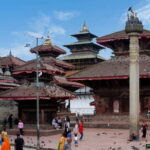
Day 1 is all about getting set up. You’re welcomed by the company staff and transferred to your hotel, and an airport representative explains the program after you arrive. You also get a real buffer day before trekking starts, which matters in Kathmandu where you’re dealing with jet lag and paperwork.
Then comes the useful part: permits, entrance fees, and the trek-day scheduling are handled for you. That doesn’t just save time—it reduces the chances you miss something small that can snowball into a bigger delay later.
For sleeping, you’ll stay in Kathmandu for 2 nights in a 3-star hotel with breakfast. It’s not luxury travel, but it’s a solid base to reset before the mountains.
You can also read our reviews of more private tours in Kathmandu
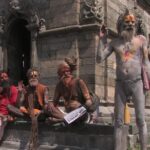
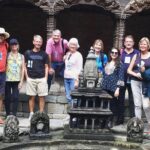
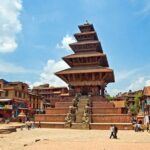
Lukla flight and your first trekking day: where the trek really begins
On Day 2, you fly about 40 minutes from Kathmandu to Lukla. Even if you’ve seen photos, the Tenzing Hillary Airport arrival still feels like a shift—from city life to the real trail world.
After landing, you start trekking from Lukla and begin your first transition from altitude reality to trail rhythm. The day is listed as a trek of about 5 hours, so it’s not a marathon. That’s good planning for a first push: enough walking to get your legs awake, but not so much that you burn out before the big acclimatization segment.
Practical tip: the weather matters for these flight days. If cloud or wind moves in, your schedule can change, so build in patience. The trip’s cancellation terms also reflect this reality—poor weather can trigger a reschedule or a full refund.
Namche Bazaar acclimatization: suspension bridges and a sanity check for altitude
Namche Bazaar is the first major altitude checkpoint, and the route there is part of the experience. On Day 3, you trek along the northern bank of the Dudh Koshi River, crossing suspension bridges along the way, including the Hillary Suspension Bridge. The suspension bridges aren’t just scenic—they’re a great way to break up the trek visually and keep your attention on the path instead of the altitude creep.
You’ll reach Namche after about 6 hours of walking. Day 4 is the key day: acclimatization, not distance-chasing. This is where the plan shows maturity.
Namche itself is a useful stop for practical reasons. You can explore the town, including places with wifi-linked cafes, plus souvenir and gear shops. It’s also a good day to fine-tune your kit—check gloves, top layers, sock situation, and how your shoes feel after a real day on the trail.
One more thing I appreciate here: acclimatization isn’t treated like a random extra day. It’s built into the pacing, which helps you reduce the chances of the “I got hit by altitude” problem that’s shown up in past high-altitude experiences.
Tengboche: monastery vibes and forest trekking that tests your calves
Day 5 heads toward Tengboche, and this is where the trail becomes more about effort. The description flags ups and downs, plus forest sections, and yes, that usually means your calves feel it.
The payoff is the kind of view that makes people quiet for a second. You may also get wildlife glimpses—musk deer are mentioned as a possibility—though you shouldn’t count on it.
You’ll walk about 5 hours. That’s a good length for a day that mixes steady climbing with descents. If you tend to overdo it on day one and then suffer later, this kind of pacing helps you recover.
What to watch for: in forest terrain, you can lose track of how fast you’re breathing because the views aren’t always front-and-center. Keep your pace controlled and check your energy, especially if your sleep the night before wasn’t great.
Dingboche: Ama Dablam views and the value of a real acclimatization block
Day 6 moves you to Dingboche. On the way, you pass small villages and cultural features like chortens and mani walls. It’s a reminder that this trek isn’t only about Everest—it’s about living culture along the way.
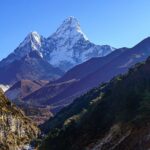
The route also includes Pangboche, where you can enjoy stunning views of Mt. Ama Dablam. Whether it’s crystal-clear that day or partially hidden, Ama Dablam is one of the mountains that tends to stick in memory.
You’ll hike around 5 hours, arriving in Dingboche after another day of varied terrain.
Day 7 is your second acclimatization day, again not a speed day. You’ll reach Dingboche and then do a walk up a ridge above the town before returning. This is the classic rhythm: go higher without pushing too hard, then settle back down. It’s one of the best ways to give your body time to adjust.
If you’ve ever had symptoms at altitude, listen closely to how you feel on these acclimatization days. The plan gives you time to notice issues early, which is exactly when good guiding matters.
You can also read our reviews of more hiking tours in Kathmandu
Lobuche and Gorak Shep: the day views start to feel constant
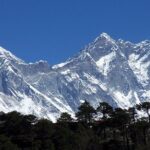
Day 8 takes you to Lobuche. The trek description emphasizes Himalayan views from the start. At first, it’s described as difficult, and as you approach Dusa, the valley narrows.
You’ll walk about 5 hours, and this stretch can feel mentally heavier than earlier days because you’re getting deeper into the Everest zone. Even when you’re not climbing fast, the air can feel thin and the terrain can demand more focus.
One thing I like about this itinerary is that it doesn’t skip the “in-between” day. You’re not rushing straight into Base Camp from a low altitude start. You’ve already spent time in Namche and Dingboche, and you’ll feel that difference on the days that follow.
Everest Base Camp day: Khumbu Glacier moraine to the big moment
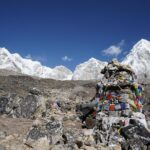
Day 9 is the signature day: Everest Base Camp. You’ll trek through the lateral moraine of the Khumbu Glacier and arrive at Gorak Shep, a village surrounded by snow-capped mountains. From there, the Base Camp moment becomes the focus.
The trek day is listed around 5 hours. That might sound short for such a big destination, but remember you’re moving through high altitude terrain and adapting to thinner air. The guide’s job here isn’t just timing—it’s managing effort so you arrive feeling like a person, not a wreck.
This is also the day where teamwork matters. In past experiences with this operator, guides have been described as attentive and experienced when altitude symptoms show up. That matters because Base Camp is the goal, but it’s not the only goal—staying safe is part of what makes the day feel worth it.
Pack mindset for Day 9: keep your layers ready. Even if the morning is tolerable, conditions around Base Camp can shift fast.
Kala Patthar and the descent days: big mornings, longer legs, less glory in the afternoon
Day 10 is Kala Patthar. The plan has you waking early, having breakfast, then trekking down toward Tengboche. The route passes through rhododendron forests, crosses the Imja Khola bridge, and continues through juniper forest sections.
This is one of those days where timing and temperature matter. Early starts can feel cold at altitude, but the early movement often helps you get better conditions for the views people come for. The tradeoff is that your body has to work even when you’d rather keep sleeping.
Day 11 brings you back toward Namche Bazaar. It’s another about 5 hours day, again moving through rhododendron forests and across the Imja Khola area. Descents are easier on your lungs but harder on your knees. Keep your steps short and controlled, especially if you’re tired.
A useful reminder: don’t treat the descent as the end of the challenge. Fatigue can make ankle twists and missteps more likely. Good guiding is often about preventing small problems, not only solving big ones.
Phakding and Lukla: finishing the trek part of the story
Day 12 is a shorter trekking day: head toward Phakding following the Dudh Koshi River banks and crossing suspension bridges. After forests and small villages, you’ll finally reach the end of the trekking route for the day.
This is about 5 hours walking. The goal is to put you in position for the flight home, without turning the last trek day into a leg-shredding finish.
It’s also where porter support pays off again—if your heavy gear was carried during the earlier days, you’re more likely to arrive with enough energy for the final leg and the flight day.
Fly back to Kathmandu: the relaxing part that still feels emotional
Day 13 is the flight back to Kathmandu. You’ll have breakfast, then fly about 40 minutes from Lukla to Kathmandu, described as a real breather after the trek.
Day 14 is a proper wrap-up. You’ll get a farewell dinner and a trek certificate. It’s also an opportunity to share what you loved and what didn’t work for you—useful feedback for future adjustments, and a nice way to close out the whole experience.
If you’re the type who likes to process the trip slowly, Day 14 is a smart ending. You’re not immediately rushing to pack and catch transportation again.
Price and logistics value: what $1,600 buys (and why it can be worth it)
At around $1,600 for 14 days, you’re not just paying for a pair of shoes and some trail time. This package includes a lot that typically adds up fast:
- 2 nights in Kathmandu (3-star hotel with breakfast)
- Domestic flights Kathmandu–Lukla–Kathmandu plus airport tax
- A professional English-speaking guide
- Permits and entrance fees during the trek
- Lodges or tea houses on the trail
- Meals (breakfast, lunch, dinner counts are provided for the trek days)
- Porter support for heavy gear (arranged for two trekkers)
- A farewell dinner plus certificate
The big value lever here is the combination of flights + paperwork + daily coordination. Private trekking often costs more than group tours, but private usually also means you’re less likely to get slowed by mismatched pacing. And in high altitude, pacing is not a small detail.
If you’re traveling solo, check how the porter arrangement is handled for your group size, since the included porter is described for two trekkers. It’s the kind of detail worth confirming before you commit.
Guides and pace control: the human factor that turns hard days into doable ones
The trekking plan relies on more than routes. It relies on people.
In past EBC trips arranged by this operator, guides have been praised for making daily pacing fit real energy levels. In one experience, the guide tuned the pace to the trekker’s skills and energy, and even when altitude issues prevented finishing, the guiding support was described as attentive and experienced.
You’ll also see repeated appreciation for smooth communication before and after arrival in Nepal. That matters when you’re dealing with timing for flights into Lukla and the shift from city logistics to mountain logistics.
As for names: guides and team members mentioned in EBC contexts include people like Kalyan Gurung, Kaylen, Ram, Romeo, and Akash. You may not get the exact same pairing, but it’s still a useful sign. When a company gets the guide part right, the whole trek feels calmer.
What to bring and how to handle altitude the smart way
The trip is for people with moderate physical fitness, and it’s private, so you can set your own pace with your guide. Still, Everest Base Camp is high altitude and not a casual stroll.
Here’s the practical checklist mindset I’d use if I were preparing:
- Build a layering system that works for cold mornings and warmer afternoons.
- Protect hands and feet early; they’re often the first problem.
- Stay disciplined with your pace on acclimatization days (Namche and Dingboche are there for a reason).
- Plan for altitude symptoms to happen even with good planning. If you feel worse, speak up quickly so your guide can adjust the plan.
The itinerary structure gives you room to respond, but you still need to take symptoms seriously.
Should you book this Everest Base Camp private trek?
Yes, if you want a trek where the hard parts are handled for you. This plan is strong for people who don’t want to manage permits, daily coordination, and flight timing while also trying to stay healthy at altitude.
Book it if:
- You value private guiding and a realistic acclimatization schedule.
- You want airport pickup and drop-off plus Kathmandu hotel comfort.
- You like the idea of arriving with heavy gear already sorted through porter support.
Think twice (or ask more questions) if:
- Weather sensitivity worries you. Since Lukla flights can be impacted, you’ll need patience even if you’re prepared.
- You’re prone to altitude issues and want to discuss how your guide will respond if symptoms show up.
If you want a straightforward, well-run path to Everest Base Camp—without the logistics headache—this one fits the bill.
FAQ
What’s included in the $1,600 price?
It includes airport pickup and drop-off by private vehicle, a professional English-speaking guide, accommodation in Kathmandu and on the trek (lodges or tea houses), permits and entrance fees during the trek, and a porter for two trekkers. Domestic flights between Kathmandu and Lukla (including airport tax) are included, along with meals (breakfast, lunch, and dinner counts are provided) plus a farewell dinner and a trek appreciation certificate.
Are flights to Lukla included?
Yes. You fly Kathmandu–Lukla–Kathmandu, with the flight time listed as about 40 minutes each way, and it includes airport tax.
Do I need to arrange permits and entrance fees?
No. The tour says it arranges all necessary permits and entrance fees during the trekking.
Will I have a porter?
Yes. A porter is included for heavy gear, described as arranged for two trekkers.
Where does the trip start and how do I meet the group?
The start point is Tribhuvan Airport in Kathmandu, Nepal. The meeting hours are listed as Monday to Sunday from 7:00 AM to 7:00 PM.
Is travel insurance included?
No. Travel insurance is listed as not included. Personal expenses are also not included.