REVIEW · KATHMANDU
Everest Base Camp Trek 15 Days
Book on Viator →Operated by Sherpa Expedition & Trekking · Bookable on Viator
Everest tests you, then rewards you. This 15-day Everest Base Camp trek from Kathmandu pairs Sherpa culture with classic Himalayan scenery, from Buddhist villages to the Khumbu icefall world. You also get the practical comfort of clean scenic lodges and included meals, so the trip feels doable even when the air gets thin.
What I like most is the human side: guides such as Pasang and Lakpa are repeatedly credited with calm leadership and real care. I also like that your daily routine comes with real support, including porters and solid logistics, not just a map and a prayer.
One thing to think about before you book: this trek needs good weather and a moderate fitness base, and you’ll still have to budget for items not included (visa, insurance, and tips for guide/porter).
In This Review
- Key highlights you should care about
- Everest Base Camp, in 15 Days, with Sherpa Pace and Real-World Support
- Kathmandu Start: 6:15 AM and a Private Group Setup
- Sherpa Villages, Buddhist Monasteries, and Cultural Stops
- Forests, Rhododendrons, and Higher Mountain Views
- Khumbu Icefall Region and the Everest Base Camp Approach
- Lodges, Meals, and Included Sleeping Bag Comfort
- Guides and Porters: Why People Finish Strong
- Price and Logistics: Is $2,400 Good Value Here?
- Should You Book This Everest Base Camp Trek?
- FAQ
- How long is the Everest Base Camp trek?
- Where does the trek start in Kathmandu?
- What time does the trek start?
- Is this tour private?
- What’s included in the price?
- What costs are not included?
Key highlights you should care about
- Sherpa-guided, private group feel: only your group participates, not a mixed crowd.
- Cultural stops built in: Sherpa villages with Buddhist customs plus monasteries along the route.
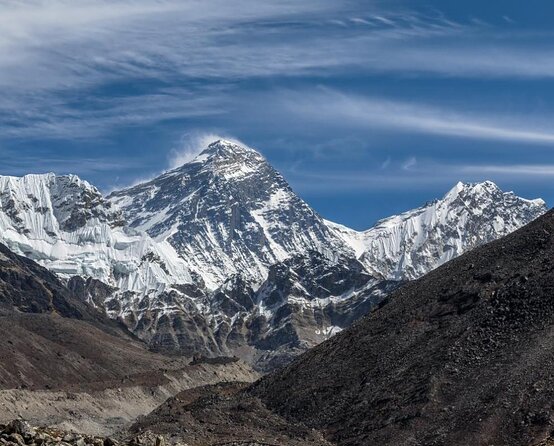
- Khumbu icefall scenery on your way to Everest Base Camp: dramatic, barren, glacier-stark views.
- Clean lodge comfort with gear provided: sleeping bag and duffel bag are included for the trek days.
- Safety-minded altitude support: guides like Gumbo and Tendi are praised for close attention to adaptation.
Everest Base Camp, in 15 Days, with Sherpa Pace and Real-World Support
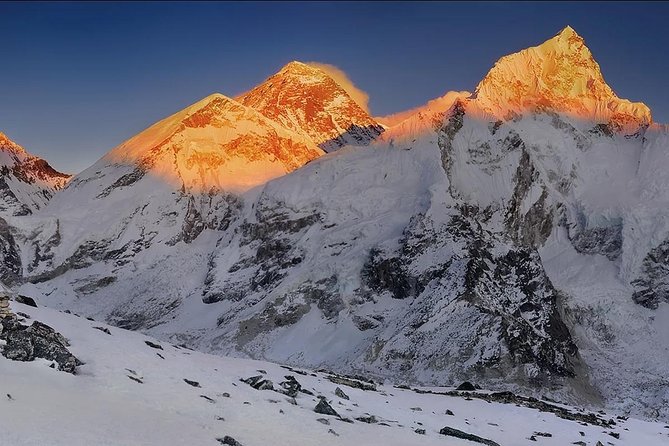
You’re signing up for a bucket-list objective, but it’s the everyday rhythm that makes this work. Over about 15 days, you’ll work higher in stages, take in mountain views, and sleep in lodge comfort rather than roughing it all the way.
The trip’s appeal is also more than the final point. You get to move through Sherpa communities and see Buddhist culture up close, then spend time with monasteries against huge peak backdrops. One day might feel like a cultural walk and the next like a high-altitude photo mission, but both stay anchored by local hospitality.
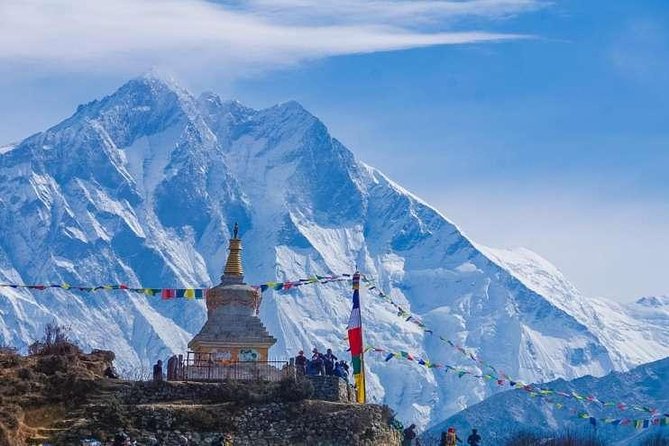
The route also balances lush and stark. Expect alpine rhododendrons and pine forests on some stretches, then shift toward the barren, ice-and-rock drama of the Khumbu icefall area. That contrast is part of why Everest Base Camp feels like a transformation, not just a single destination.
You can also read our reviews of more hiking tours in Kathmandu
Kathmandu Start: 6:15 AM and a Private Group Setup
Your trek starts back in Kathmandu at Sherpa Expedition And Trekking on Chaksibari Marg (44600). The listed start time is 6:15 am, and pickup is offered, which matters if you want to avoid the stress of finding your own way out the door early.
It’s also a private tour/activity, meaning it’s only your group. For a trek like this, that can be a big deal: you’re less likely to get stuck with mismatched walking speeds or different expectations about breaks and pacing.
One more practical note: the meeting point is near public transportation. Even if you use a taxi or a pickup, it’s good to know you’ve got an exit plan if your timing goes sideways.
Sherpa Villages, Buddhist Monasteries, and Cultural Stops
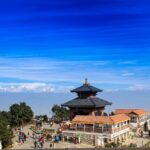
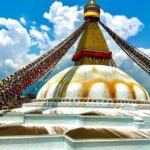
This trek doesn’t treat culture like an add-on. It’s part of what you’re doing as you walk, and it shows in how the experience is described: Sherpa traditional villages with Buddhist culture and customs, plus old heritages and interesting monasteries.
When you have time in villages and monasteries, you’re not just looking at buildings. You’re seeing how the region’s people live with mountains in their daily world. It also gives your body breaks that don’t feel like a pure stop-and-go grind. Even when the altitude is the main challenge, cultural stops help keep the day from feeling one-note.
The monastery factor is also useful in a more practical way. Quiet places tend to slow you down, which can be a good match for an acclimatization mindset. You’re reminded to breathe, take your time, and stay steady rather than sprinting toward the next view.
Forests, Rhododendrons, and Higher Mountain Views
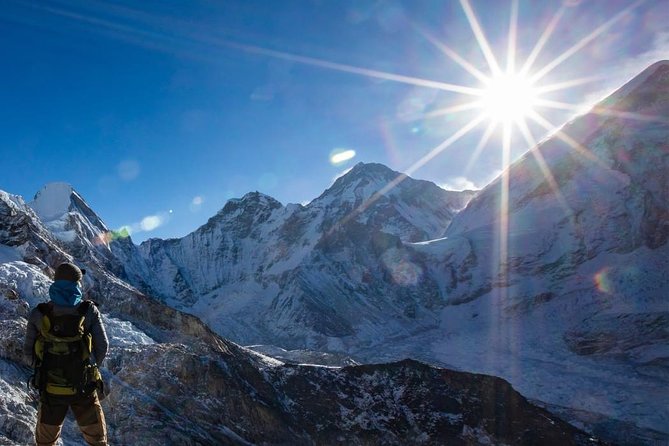
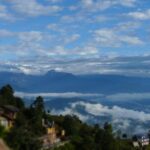
The route’s scenery shifts as you go. You’ll see pine forests and alpine rhododendrons in the greener stretches, then work toward harsher terrain as the trek rises.
That matters for your comfort. Forested sections often mean calmer walking and less glare, while higher areas tend to be more exposed and demanding. Even if the day-to-day details aren’t spelled out, the overall pattern is clear: you’ll move from softer scenery to sharper mountain atmosphere.
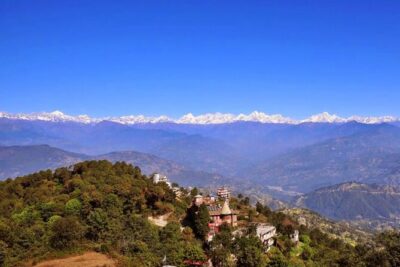
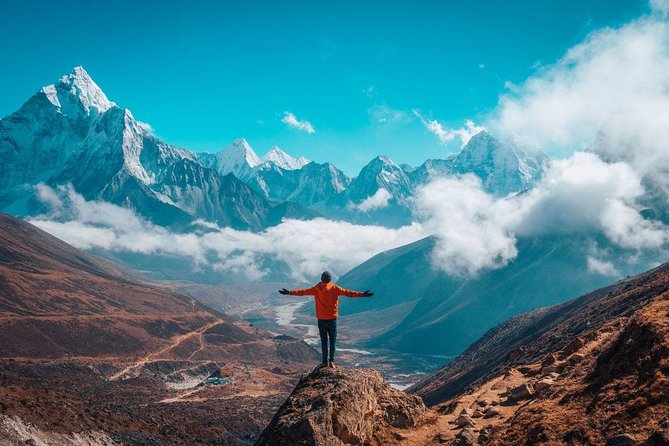
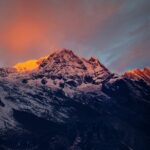
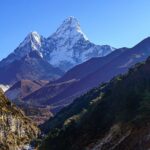
And the views? You’re promised panoramic high-mountain perspectives throughout the trek. In this region, that usually means frequent stopping for photos, but more importantly, it’s the kind of scenery that makes the effort feel worth it in real time instead of only at the end.
Khumbu Icefall Region and the Everest Base Camp Approach
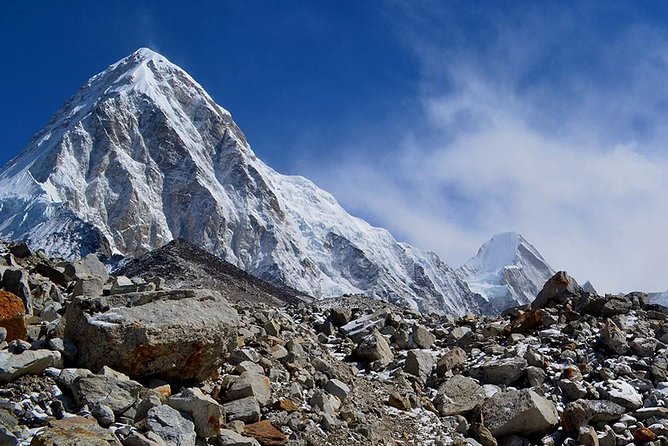
The Everest Base Camp experience is built around high-mountain intensity, including the barren Khumbu icefall glaciers. That’s one of the most striking things about the description: you’re not just strolling through pretty valleys. You’re moving into a landscape shaped by ice, altitude, and scale.
Reaching the base camp area is also where pacing and support matter. Several of the people guiding this kind of trek are praised for how carefully they watch physical condition and altitude adaptation. One guide named Gumbo, along with Tendi, is specifically called out for keeping adaptation and safety front and center.
Here’s the bottom line for your expectations: the base camp portion is intense. You’ll want to keep your focus, manage your energy, and follow your guide’s cues on when to press on versus when to slow down.
Lodges, Meals, and Included Sleeping Bag Comfort
One of the smartest parts of this package is that the essential support items are included. Your plan includes breakfast, lunch, and dinner, and it also includes a sleeping bag and a duffel bag. That means less gear shopping and less guesswork about what to bring.
The trekking days are described as warm and comfortable, with clean scenic lodges. That matters more than people think. On a trek like this, sleep quality and warmth affect how you feel the next morning. When lodges are clean and comfortable, you spend less time recovering and more time actually moving safely.
Food is included too, and you won’t be stuck figuring out what to eat each day. Still, you’ll need to remember what’s not included: alcoholic beverages, soda/pop, and snacks. If you rely on particular snacks or drinks for morale, you’ll want to plan for them.
Guides and Porters: Why People Finish Strong
The strongest praise in the provided feedback is about people—guides and porters working as a team. Names come up often, including Pasang, Lakpa, Nima, Ram (for logistics), Buddha Tamang, and porters Neema and Kumar.
What these comments point to is practical support, not just friendliness. One example: porters helping carry day backs, which is a big quality-of-life factor when you’re tired. Another: guides treating trekkers like family and making the whole experience feel organized and safe.
There’s also a logistics angle that’s easy to overlook until you’re in Nepal. One trip example describes strong communication and flexibility when flights delayed arrival. If you want a trekking company that can adjust in Kathmandu when your schedule changes, this kind of responsiveness is the difference between a calm start and a stressful one.
Price and Logistics: Is $2,400 Good Value Here?
At $2,400 per person for about 15 days, the value comes down to what’s included versus what you still pay separately.
Included:
- Meals: dinner, breakfast, lunch
- Trek sleep gear: sleeping bag and duffel bag
- All fees and taxes
- Pickup offered
Not included:
- Nepal visa
- Insurance
- Tips for guide/porter
- Alcoholic beverages, soda/pop, and snacks
For many people, the biggest “hidden” cost is visa and insurance. Budget for those early so you’re not scrambling at the last moment. Tips also matter in Nepal trekking culture, and since they aren’t included, you should plan a reasonable amount for the guide and porters rather than winging it.
The other value marker is the private setup and included support gear. When you combine private participation, included meals, and sleeping gear, the trip feels more like a guided service package than a bare-bones trek.
One more thing: the experience requires good weather. If weather forces a change, you’re offered a different date or a full refund, and that’s worth noting for peace of mind.
Should You Book This Everest Base Camp Trek?
Book it if you want Everest Base Camp with structured support: included meals, included sleeping gear, and a guide-and-porter team that people credit for safety and staying on track. The combination of Sherpa villages, Buddhist monasteries, and the Khumbu icefall area also makes the journey feel rounded, not only goal-driven.
Skip it or think twice if you’re not ready for altitude challenges and variable mountain conditions. You should also be honest about budget. The trek price covers a lot, but visa, insurance, tips, and non-included drinks/snacks can add up.
If you’ve got moderate physical fitness and you’re ready for a real mountain test with real people guiding you, this is a strong match. It’s the kind of trek where the destination matters, but the day-to-day care is what helps you enjoy the climb.
FAQ
How long is the Everest Base Camp trek?
It’s listed as 15 days (approx.).
Where does the trek start in Kathmandu?
It starts at Sherpa Expedition And Trekking on Chaksibari Marg, Kathmandu 44600, Nepal.
What time does the trek start?
The listed start time is 6:15 am.
Is this tour private?
Yes. It’s a private tour/activity, and only your group participates.
What’s included in the price?
Included are dinner, breakfast, lunch, a sleeping bag and duffel bag, and all fees and taxes.
What costs are not included?
Not included are Nepal visa, insurance, tips for guide/porter, and also alcoholic beverages, soda/pop, and snacks.