REVIEW · KATHMANDU
Private Day Tour – Sacred Journey to Namo Buddha
Book on Viator →Operated by Himalayan Planet Adventures · Bookable on Viator
Simplicity meets real devotion in this day trip. You get hotel pickup in Kathmandu, a private vehicle, and a guided visit to Namo Buddha, one of the most sacred sites in the Kathmandu Valley. I especially like how the tour leans into the spiritual story—so you’re not just looking at buildings and calling it a day.
Two things I’d call out right away: entrance fees are included, and the guide work matters, too. On this tour, guidance is built around the compassion legend and what you’re seeing at the monastery, which makes it easier to understand why locals treat this place as holy.
One consideration: this is a spiritual pilgrimage stop, not a snack-and-souvenir run. If you’re expecting a lot of variety or a modern city-style schedule, the tone will be quiet, reflective, and centered on worship.
In This Review
- Key things you’ll enjoy most
- Why Namo Buddha is a smart half-day from Kathmandu
- Pickup and the private vehicle: less hassle, more attention
- Namo Buddha Stupa: what to watch for beyond the photo
- Thrangu Tashi Yangtse Monastery: murals, prayer wheels, monks
- The views: Himalaya snowcaps and Tamang village life
- Timing and pacing: how the 5 to 6 hours usually feel
- Price and value: what $85 covers (and why that matters)
- Who should book this private sacred journey
- Quick, practical tips before you go
- Should you book Sacred Journey to Namo Buddha?
- FAQ
- How long is the Private Day Tour – Sacred Journey to Namo Buddha?
- Is pickup and drop-off included?
- Where is pickup available?
- What’s included in the tour price?
- Are food and drinks included?
- Is this tour private or shared?
- What if I need to cancel?
Key things you’ll enjoy most
- Legend-first storytelling at Namo Buddha makes the stupa visit feel meaningful, not generic.
- Thrangu Tashi Yangtse Monastery details like Tibetan murals and spinning prayer wheels give you something concrete to look for.
- Punctual hotel pickup in the Kathmandu ring-road/Bouddha area keeps your day stress-free.
- Private-vehicle comfort means fewer logistics problems and more time on-site.
- Entrance fees included so you’re not hunting down extra payments mid-tour.
Why Namo Buddha is a smart half-day from Kathmandu
Namo Buddha is one of those places where a short time on the hill feels worth it. In Buddhism, it’s tied to a well-known compassion story: a young prince in a past life of Lord Buddha is said to have sacrificed himself to save a starving tigress and her cubs. That legend isn’t just background; it’s the lens your guide uses while you’re there.
This tour also fits Kathmandu reality. You don’t need a full-day plan to get to something spiritually significant. The route is designed around a focused visit window, so the day stays manageable even if you’re juggling jet lag, sightseeing stamina, or you’re just not in the mood for long travel days.
If you’re a Buddhist traveler, you’ll likely appreciate the respectful pace and the emphasis on worship. Even if you’re not, the story and the monastery art give you a clear, human reason to care.
You can also read our reviews of more private tours in Kathmandu
Pickup and the private vehicle: less hassle, more attention
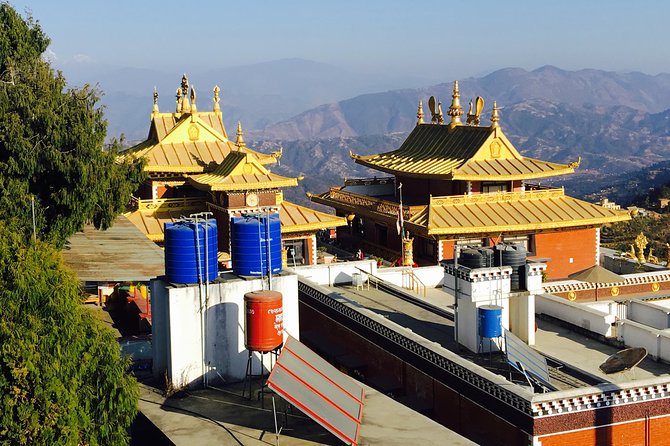
The tour includes hotel/port pickup and drop-off inside the Kathmandu Ring Road and Bouddha area. That matters more than it sounds. Kathmandu traffic can be unpredictable, and starting with a reliable pickup saves you from negotiating taxis or figuring out timing on your own.
You travel in a comfortable private vehicle, and the “private” part is real: it’s only your group. That usually means you can move at the pace your guide sets without spending the day herding around a large crowd.
A small but practical bonus: entrance fees and local taxes are covered, so you’re less likely to hit a “pay here, pay there” situation. You’ll still want to keep a little flexibility in mind, but the basics are handled.
Namo Buddha Stupa: what to watch for beyond the photo
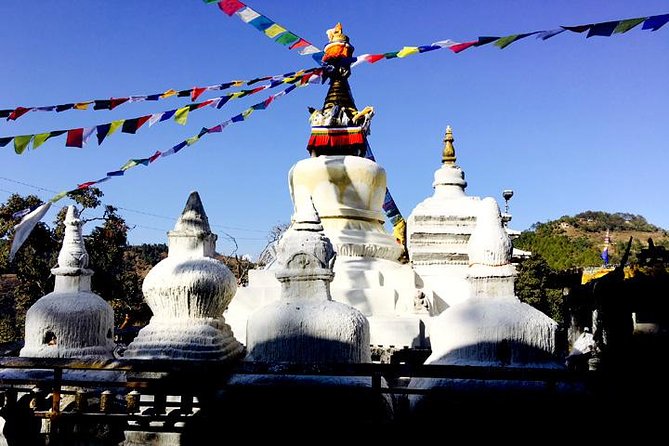
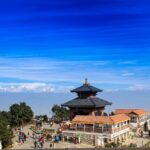
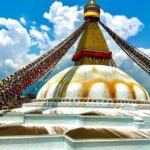
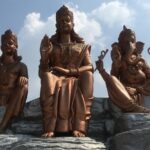
Your first stop is Namo Buddha (Stupa), one of the three most sacred Buddhist pilgrimage sites in the Kathmandu Valley. When you arrive, don’t treat it like a quick viewpoint. Instead, think of it as a place where people come to practice, reflect, and connect to teachings through story.
The big reason guides focus on the legend is that it changes what you notice. You’re not just staring at a holy structure; you’re trying to understand the compassion idea behind it. Your guide will explain the meaning of the site and the legend of the prince who sacrificed himself to save the tigress and her cubs.
While you’re exploring the stupa area, look for the small cues of devotion: how people position themselves, how they spend time, and how they engage with the space. Even if you don’t know Buddhist terms, you can still read the mood of the place. It’s respectful, grounded, and meant for quiet attention.
Potential drawback: if you need lots of movement, busy markets, or variety in your attractions, this stop may feel more solemn than energetic. On the bright side, that’s also why it can be a highlight for people who like meaning over motion.
Thrangu Tashi Yangtse Monastery: murals, prayer wheels, monks
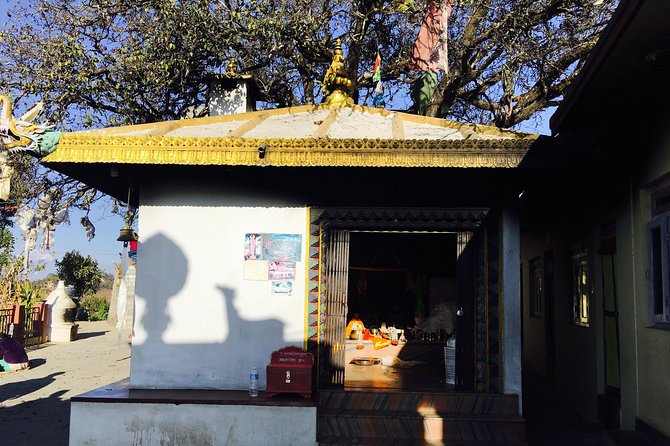
Right in the Namo Buddha visit, you’ll spend time at Thrangu Tashi Yangtse Monastery. This is where the tour becomes visually satisfying. You’ll see colorful Tibetan murals, and you’ll also notice the spinning prayer wheels that are common in Tibetan Buddhist practice.
What I like about this monastery stop is that it’s not just “look, there are art objects.” Your guide ties the visuals to the religious context, so the symbols don’t feel random. When someone explains what you’re seeing, you tend to remember the details later.
And then there’s the human part: the serene energy of monks in prayer. Even if you’re not sure what to do with that moment, you’ll feel the difference between a tourist photo stop and a working place of worship. Keep your voice low, act patient, and give space where people are praying.
If you care about photography, plan your shots around respectful timing. A guide’s pacing helps here, too. In one of the past experiences of this tour, the guide Shanti was praised specifically for being patient while people took photos and for explaining the history clearly. That kind of guidance can make a big difference when the site is active and people are focused.
The views: Himalaya snowcaps and Tamang village life
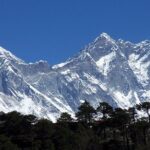
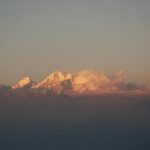
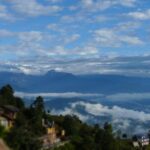
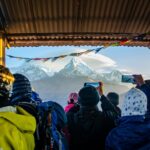
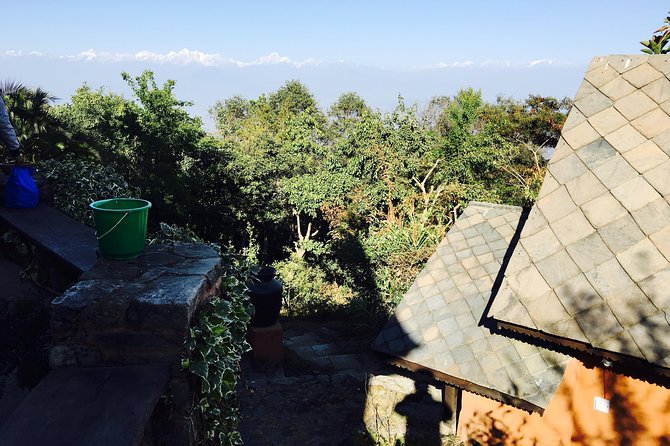
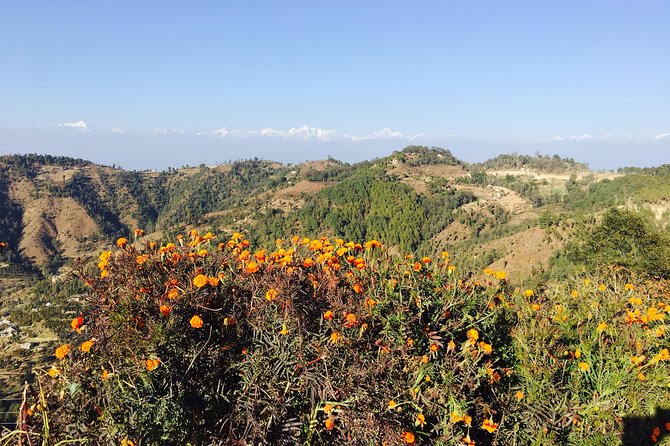
The route and the hillside setting bring views of the snow-capped Himalaya, along with terraced farm land and ethnic Tamang villages in the broader area. This isn’t presented as a “look at the scenery” detour. It’s part of the pilgrimage context—people live, farm, and worship in the same region, and the landscape around the holy site is part of the daily rhythm.
If you’re new to Nepal’s hill geography, the terraced pattern and village layout can be a real eye-opener. You’ll likely find it easier to understand how communities have shaped the hillsides for farming over generations.
Practical note: weather and cloud cover can change visibility. On a clear day, Himalaya views can feel like a reward. On a more muted day, you’ll still get the monastery experience and local life elements; the spiritual visit remains the core.
Timing and pacing: how the 5 to 6 hours usually feel
The total tour time is about 5 to 6 hours. That’s long enough to feel un-rushed, but short enough to fit into a Kathmandu schedule without wiping out your whole day.
One segment is listed around 2 hours at Namo Buddha, which includes exploration and the guided explanation of what you’re seeing. The rest of the time is mainly transport and setup. This pacing works best if you want one main focus and don’t want to stack too many stops.
Because food and drinks aren’t included, I recommend thinking ahead about a snack or meal before you go, or plan to eat right after. If you’re sensitive to hunger during quiet sites, bring a small water bottle and something light you can handle easily.
Keep in mind this is a pilgrimage stop, so the rhythm is slower than a normal sightseeing circuit. That’s not a flaw. It’s part of the experience. Come ready to slow down a bit and listen.
Price and value: what $85 covers (and why that matters)
The price is $85.00 per person for this private day tour. Whether it’s a good deal depends on what you’d otherwise pay for a guide, entry tickets, and transport.
Here’s what you’re getting for your money:
- Hotel/port pickup and drop-off within Ring Road and Bouddha area
- Private vehicle transport
- Professional tour guide
- Entrance fees included
- Local taxes included
That combination is the value. Entrance fees are easy to forget until you’re already at the site, and Kathmandu transport isn’t cheap if you’re booking everything separately. With this setup, you pay once and spend your time focusing on the place, not on budgeting breakdowns.
The one cost you should plan for: food and drinks. If you eat before and after, you’ll probably be fine. If you tend to graze all day, consider bringing a simple snack so you’re not stuck waiting for your next meal slot.
If you’re traveling as a small group, this can become even better, especially since there are group discounts listed. Even though it’s private, group pricing can help reduce the per-person cost if you’re booking with friends.
Who should book this private sacred journey
This tour fits best when you want one meaningful destination and a guide who explains it clearly.
You’ll likely enjoy it if:
- You’re interested in Buddhism and the ideas behind sacred places
- You want an easy Kathmandu day trip that doesn’t require planning headaches
- You appreciate Tibetan Buddhist visual culture like murals and prayer wheels
- You care about respectful visits and don’t need constant action
It’s also a good option for people who want cultural depth without a full, multi-stop itinerary. The schedule stays focused, and the guide’s history helps you make sense of the site fast.
If you’re more into modern city neighborhoods, craft markets, or high-energy tours, you might find the pace slower than you expect. But if you’re okay with quiet and meaning, you’ll probably find it rewarding.
Quick, practical tips before you go
- Expect a spiritual tone at Namo Buddha and the monastery. Dress respectfully and keep your behavior calm.
- Bring a simple plan for food since no food is included.
- If photography matters, you’ll do better if you let your guide set the timing. In past experiences, guides like Shanti were praised for patience with photos while still covering the history.
- Wear comfortable shoes. Even without a long hike being mentioned, you’ll want stability for a hillside religious site.
Should you book Sacred Journey to Namo Buddha?
If your goal is a focused, respectful, legend-driven visit with included entrance fees and real guide time, I’d say yes. This is the kind of half-day tour that can become a standout memory because it gives context, not just coordinates.
Skip it only if you strongly prefer faster, more varied sightseeing or you want food and breaks built into the ticket. Since food and drinks aren’t included, you’ll need to manage meals on your own.
Overall, this private format is a good match for people who want clarity and calm: pickup handled, transportation handled, and a guided visit that actually explains why the place is sacred.
FAQ
How long is the Private Day Tour – Sacred Journey to Namo Buddha?
The tour lasts about 5 to 6 hours.
Is pickup and drop-off included?
Yes. Hotel/port pickup and drop-off are included.
Where is pickup available?
Pickup is included inside the Ring Road and the Bouddha area.
What’s included in the tour price?
You get transport by private vehicle, a professional tour guide, entrance fees, and local taxes.
Are food and drinks included?
No. Food and drinks are not included.
Is this tour private or shared?
It’s private. Only your group participates.
What if I need to cancel?
You can cancel for free up to 24 hours in advance for a full refund. Changes made less than 24 hours before the start time aren’t accepted.