REVIEW · KATHMANDU
Kathmandu: UNESCO Heritage Site Private & Guided Tour
Book on GetYourGuide →Operated by Nepal Adventure Guide · Bookable on GetYourGuide
Seven UNESCO stops, one smooth day. This private Kathmandu tour strings together the city’s biggest sacred landmarks and palace squares, with English-speaking local guidance and transport that keeps you from wasting time figuring things out.
What I like most is the way the stops connect: Swayambhunath, Pashupatinath, and the major Durbar Squares give you a clear storyline of how Kathmandu’s Hindu and Newar worlds developed side by side. I also really value the human touch from guides such as Nabin and Sajan, who turn stone, carvings, and rituals into plain-language context you can remember.
One consideration: entrance fees aren’t included, so the $59 price is just the baseline. Add site tickets for all seven landmarks and budget a bit extra for the day.
In This Review
- Key Highlights You’ll Feel Immediately
- What This 7-Site Kathmandu UNESCO Tour Actually Covers
- Swayambhunath Stupa: Monkey Temple Views Without the Guesswork
- Pashupatinath Temple by the Bagmati River: A Sacred Hindu Pilgrimage Stop
- Boudhanath Stupa: Peaceful Tibetan Culture at World-Scale Scale
- Patan Durbar Square: Newari Art and Royal-Style Courtyards
- Bhaktapur Durbar Square: A More Preserved Medieval Feeling
- Kathmandu Durbar Square, Hanuman Dhoka, and the Kumari Ghar
- Changunarayan Temple: One of the Oldest Stops in the Valley
- Guides, Timing, and Getting Around Without Stress
- Price and Entrance Fees: What $59 Really Means
- Vehicle Rules and Day-Comfort Basics
- Who Should Book This Tour (And Who Might Not Love It)
- Should You Book This Kathmandu UNESCO Tour?
- FAQ
- Which UNESCO World Heritage Sites are included?
- Are entrance fees included in the $59 price?
- Does the tour include transportation and hotel pickup?
- What languages are the guides available in?
- Is the tour suitable for wheelchair users?
- What rules apply for drinks or alcohol during the tour?
- What is the cancellation policy?
Key Highlights You’ll Feel Immediately
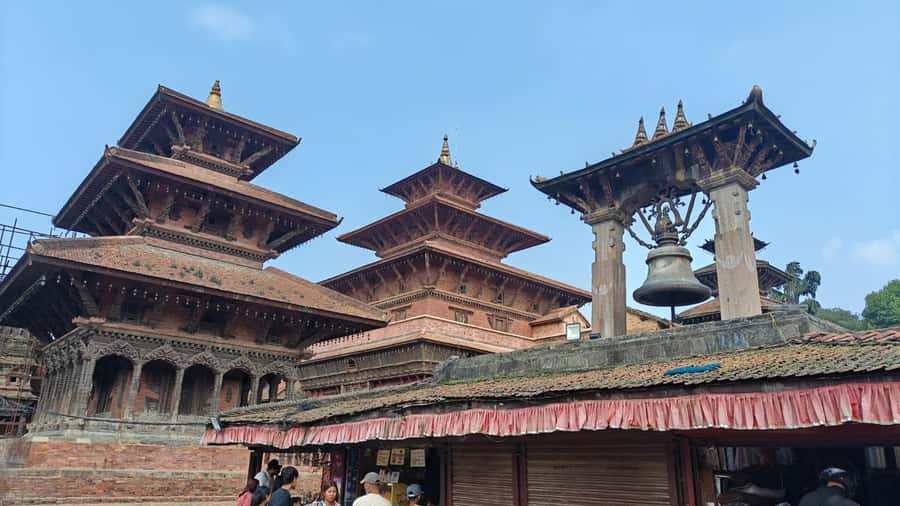
- 7 UNESCO World Heritage Site stops with expert guidance at each location
- Comfortable hotel pick-up and drop-off within Kathmandu Valley
- Swayambhunath hilltop views from the famous Monkey Temple area
- Pashupatinath Temple on the Bagmati River for a powerful Hindu pilgrimage site
- Boudhanath Stupa and Patan/Bhaktapur Durbar Squares for Tibetan culture and Newari craft
What This 7-Site Kathmandu UNESCO Tour Actually Covers
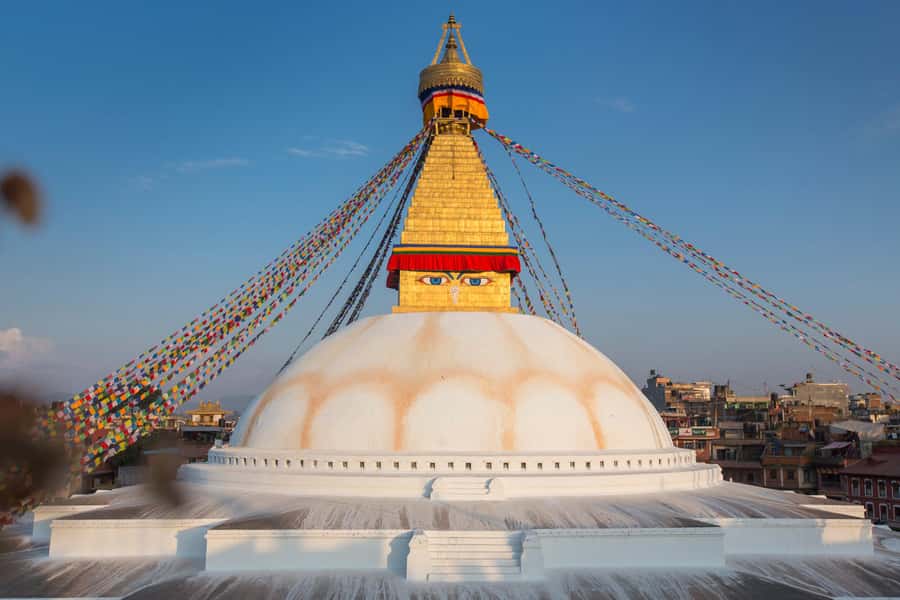
This tour is built around seven major UNESCO World Heritage landmarks across Kathmandu Valley, moving through spiritual sites, royal squares, and architectural powerhouses. You’ll hit Swayambhunath, Pashupatinath, and Boudhanath Stupa, then continue to the Newar art centers at Patan Durbar Square and Bhaktapur Durbar Square. The route also includes the monarchy-focused Kathmandu Durbar Square and ends with Changunarayan Temple.
Why that matters for you: Kathmandu’s heritage is spread out, and many visitors lose time bouncing between places without context. Here, the guide makes each stop easier to understand, so you’re not just looking at old buildings—you’re learning what they were for and how they fit into Nepal’s cultural mix.
And because it’s private and guided, you can ask questions as you go. That’s a big deal at sites where small details (temples, courtyards, iconography) change the whole meaning.
You can also read our reviews of more guided tours in Kathmandu
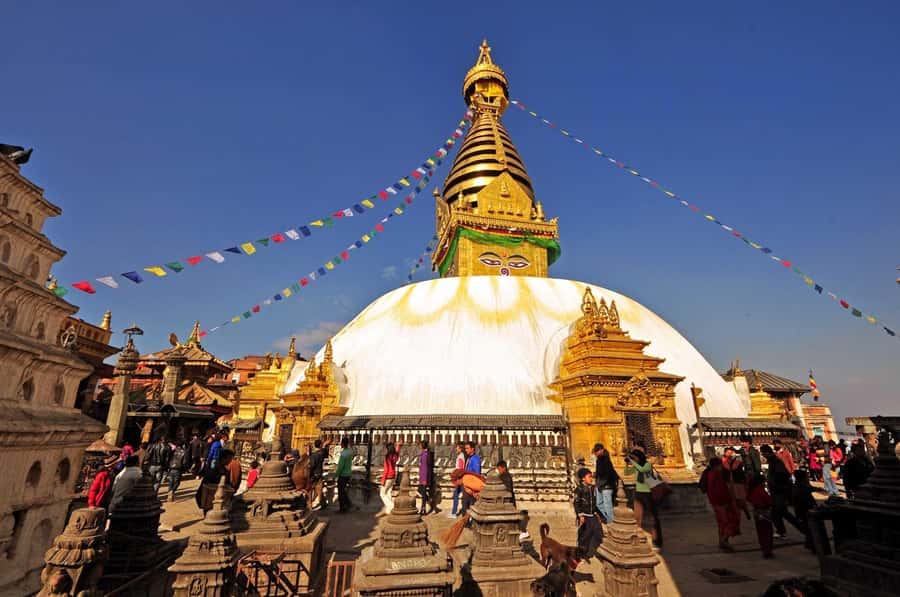
Swayambhunath Stupa: Monkey Temple Views Without the Guesswork
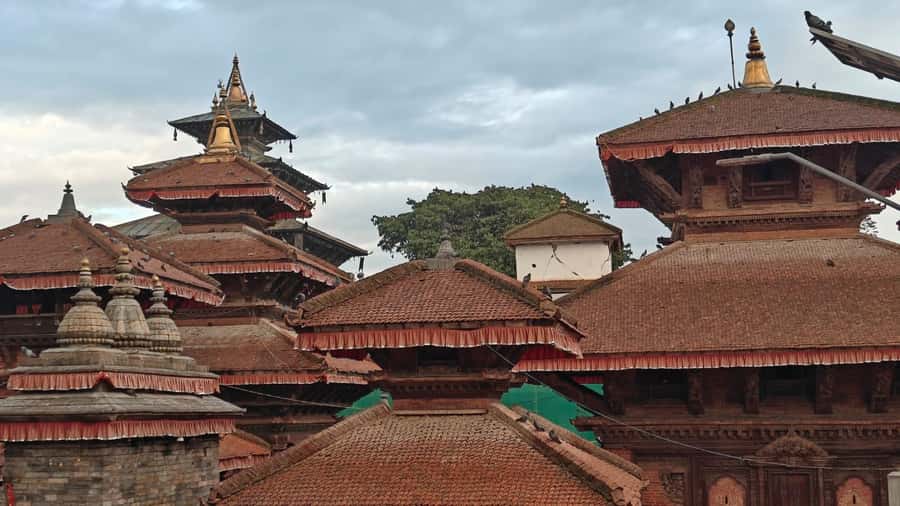
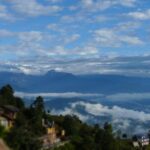
Swayambhunath, often called the Monkey Temple, starts you off high above Kathmandu Valley. The stupa itself is the anchor, but the real payoff is the way the hilltop position gives you a wide view of the city and valley.
You’ll also notice why this stop is such a magnet for visitors: the architecture is designed for viewing from multiple angles. Even if you’re not a “stupa person,” you can still appreciate the symmetry, the layered decoration, and the way the site feels like a spiritual landmark you reach by climbing.
Practical note: the hilltop can mean stairs and uneven paths. If you’re planning on wearing shoes that grip well and you’re okay with walking uphill, this is a strong start to the day. The guide’s job is to help you orient fast so you don’t just wander around the complex.
Pashupatinath Temple by the Bagmati River: A Sacred Hindu Pilgrimage Stop
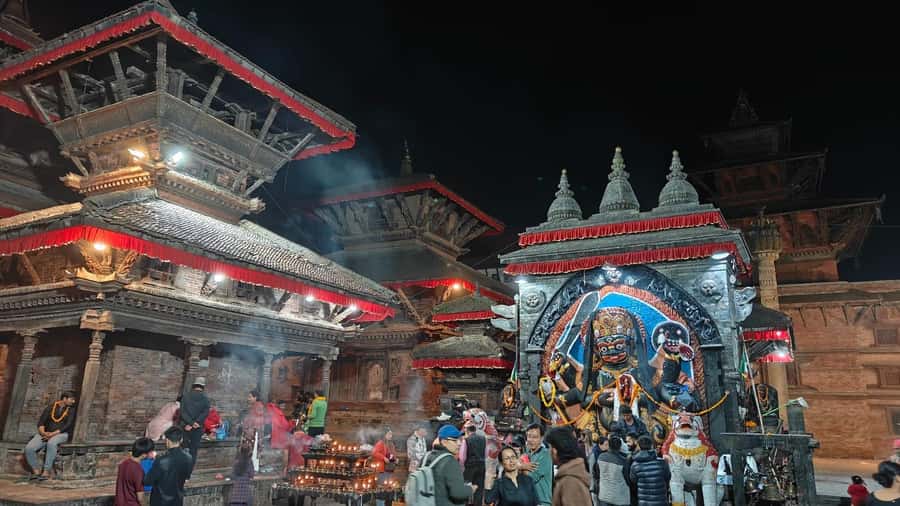
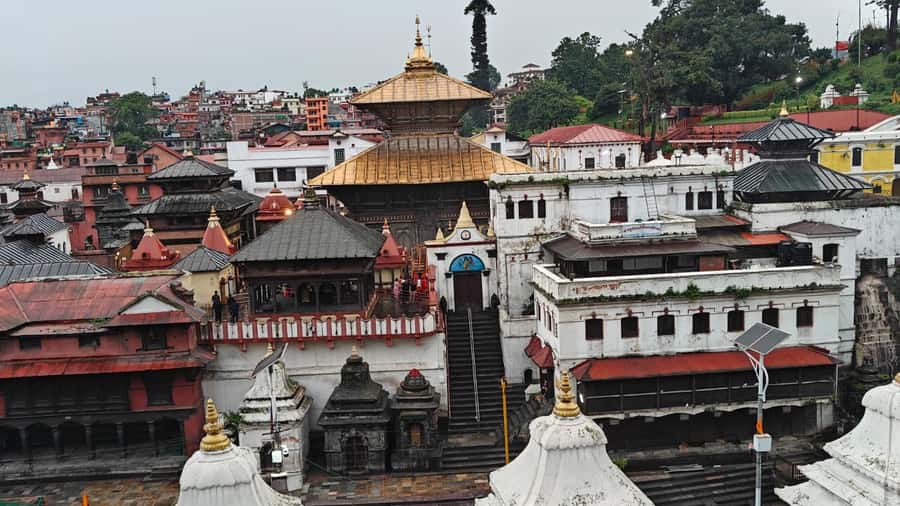
Next comes Pashupatinath Temple, one of the most important Hindu pilgrimage sites in the Kathmandu Valley area. It sits by the Bagmati River, and that setting is not just scenery. The river-side location is part of why the temple remains spiritually central.
What you’ll get from a guided stop like this is context you can actually use. The guide helps you connect what you’re seeing—temple structures, sacred space, and the overall atmosphere—to the broader idea of pilgrimage and worship here. Even when you don’t follow every tradition, you’ll understand the significance of the site’s role in the lives of devotees.
A consideration for your comfort: temple areas often require extra care with behavior and movement. This tour won’t spell out rules for you ahead of time, so it’s smart to go with a respectful mindset and follow what the guide and local staff indicate on the ground.
Boudhanath Stupa: Peaceful Tibetan Culture at World-Scale Scale
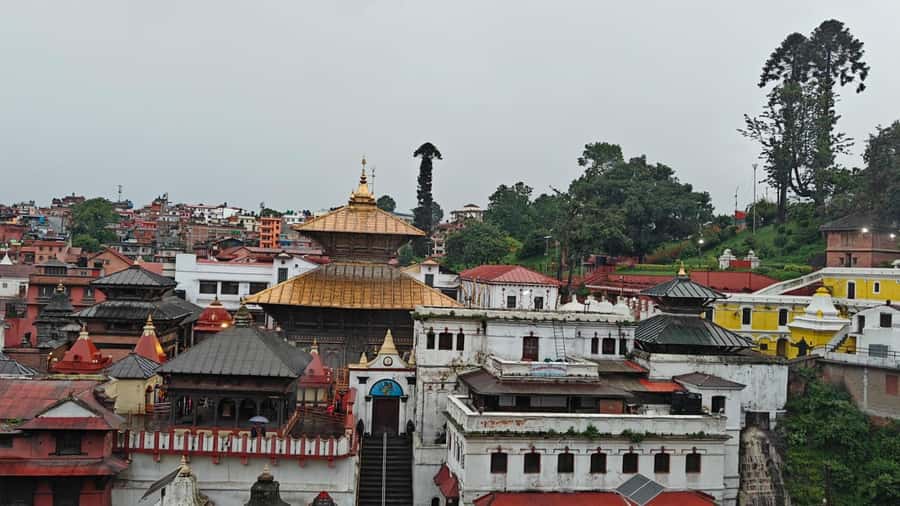
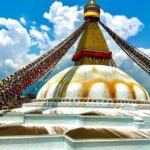
Then you shift into a calmer rhythm at Boudhanath Stupa, described as one of the largest in the world. This is a key stop if you want Kathmandu to feel like more than a Hindu city. Boudhanath is widely associated with Tibetan culture, and the atmosphere reflects that.
You’ll feel the difference as soon as you arrive: Boudhanath isn’t just about a single building. It’s about how people interact with the space—how the stupa anchors the surrounding area and creates a steady focal point for spiritual life.
With a guide, you’ll understand what you’re looking at beyond the obvious shape and size. The tour approach helps you slow down where it counts, instead of treating the stupa like a quick photo stop. If you’re the type who likes to learn why people gather somewhere, this part tends to land well.
Patan Durbar Square: Newari Art and Royal-Style Courtyards
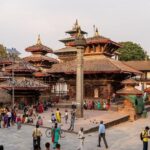
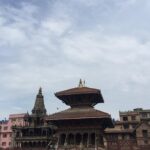
Patan Durbar Square is where the tour turns to Newari craftsmanship. The focus here is on palace and temple structures built with intricate detail—things that can look impressive but also confusing if you don’t know where to start.
In Patan, the appeal is the mix of royal heritage and religious architecture, all packed into a historic square. The guide helps you read the site like a story: courtyards, carved elements, and the way temples and palaces relate to each other.
What I think you’ll like here is that the scale feels human. You’re not staring at one monumental object—you’re exploring a coordinated set of spaces. That makes it easier to connect what each building likely represented in daily life and ceremonial life.
You can also read our reviews of more private tours in Kathmandu
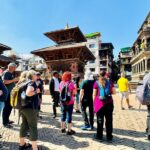
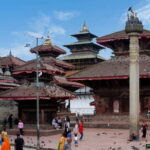
Bhaktapur Durbar Square: A More Preserved Medieval Feeling
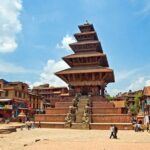
Bhaktapur Durbar Square is described as a preserved medieval square with royal heritage sites. Compared to Kathmandu’s busier-feeling centers, this stop often gives a stronger sense of time depth—stone, carvings, and the overall layout feel maintained and intentional.
You’ll benefit from the guide’s pointing out what’s special about the architecture and how it reflects Newari building traditions. When a knowledgeable guide explains the “why,” carvings and details stop being random decoration and start being signals—style choices and religious meanings built into the walls.
One consideration: Bhaktapur can involve more walking and longer stops, depending on how much you want to read into the carvings. If you’re okay with slow sightseeing, this is a highlight. If you prefer fast, you may want to ask your guide to keep the pace moving while still hitting the key structures.
Kathmandu Durbar Square, Hanuman Dhoka, and the Kumari Ghar
Kathmandu Durbar Square brings you back to the monarchy story. This is where the tour’s political-religious side becomes harder to ignore, with major highlights including Hanuman Dhoka Palace and the Kumari Ghar, home to the living goddess.
This stop is particularly meaningful because it links architecture with a living tradition. Even if you’re only lightly familiar with Nepal’s royal past, the guide should help you understand how these buildings served as stages for power, ceremony, and spiritual symbolism.
Why it’s worth doing with a guide: Durbar Squares can feel like a lot of separate sights piled into one area. The guided approach helps you see connections—what to prioritize, which buildings have the strongest cultural meaning, and how to make sense of the complex layout without getting lost.
If you’re sensitive to crowds and tightly packed areas, Kathmandu Durbar Square may be the busiest-feeling stop. In that case, focus on the major anchors your guide highlights and plan to take breaks when offered.
Changunarayan Temple: One of the Oldest Stops in the Valley
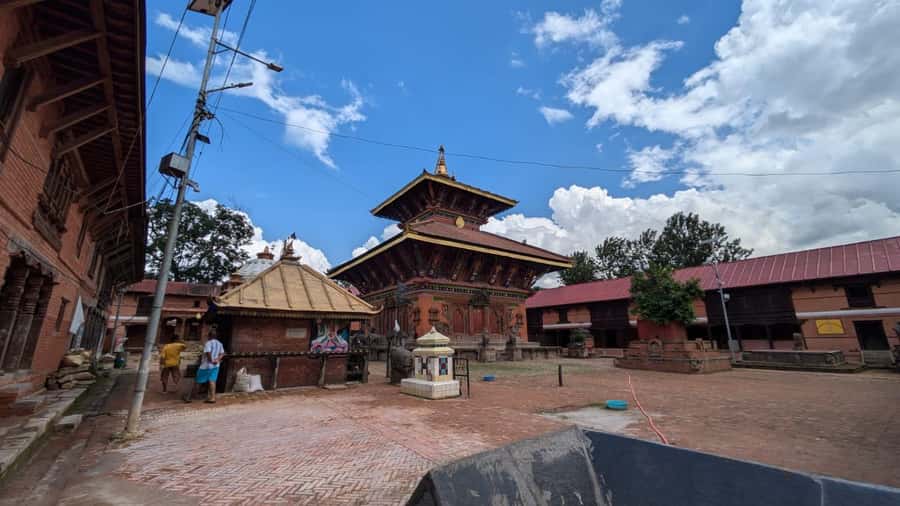
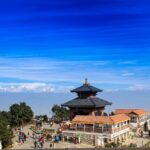
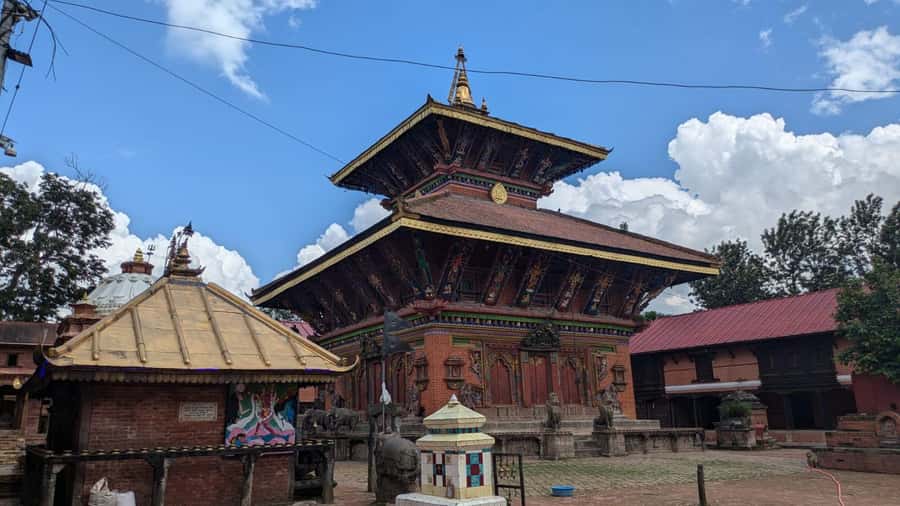
The tour finishes with Changunarayan Temple, described as a serene stop and one of the oldest Hindu temples in the valley. This is a good final note because it changes the rhythm. Earlier stops are about major square energy and landmark scale. Changunarayan feels more like a quiet, historical anchor.
With a guide, you can appreciate what “old” means in practical terms: long-lasting religious significance, enduring architectural style, and the sense that this place has mattered for generations. Even without turning it into an academic exercise, you’ll likely leave with a stronger sense of Nepal’s architectural continuity.
It’s also a smart pacing choice. Ending with a calmer site can make the last leg feel reflective rather than rushed—useful if you’re walking a lot through the other squares and temples.
Guides, Timing, and Getting Around Without Stress
The biggest value here is the built-in expertise plus transport. You get an expert English-speaking guide for the heritage sites, plus comfortable transportation between stops and hotel pick-up/drop-off within Kathmandu Valley.
The review trail is consistent on one point: organization and smooth execution. People specifically praised guides like Nabin and Sajan for turning each location’s history and significance into clear stories, not just facts. Another highlight was the driver experience—Sundar was mentioned as friendly and skillful, which matters more than you’d think when roads, traffic, and timing affect how much you enjoy each stop.
A practical upside for you: this format reduces decision fatigue. Instead of mapping routes and trying to figure out the best order, your day is structured around the sites that make sense together. And because it’s private, it should feel less like herding and more like a guided walkthrough.
Price and Entrance Fees: What $59 Really Means
At $59 per person, this tour is positioned as a value option for a seven-stop UNESCO day with guides and transport. On paper, it looks straightforward: pay for the tour service and get the guided experience.
The catch is important: entrance fees to all seven UNESCO sites are not included. That means your total day cost will be tour price plus site tickets. Also, meals aren’t specified, so you should plan on paying for food separately.
How to budget smartly:
- Assume the tour price covers guide time and transport, not site admission.
- Carry cash or be ready for the ticketing setup the day of your visit.
- Bring water that you can drink safely outside the vehicle (the tour rules say no drinks in the vehicle).
If you like structure and want to see a lot without scrambling, $59 can be a good deal. If you’re trying to minimize every additional cost and you already know your way around, you might compare against self-guided options.
Vehicle Rules and Day-Comfort Basics
The tour has clear vehicle rules: no drinks in the vehicle, and alcohol and drugs aren’t allowed, including no alcoholic drinks in the vehicle.
For your comfort and convenience, that’s actually helpful. It keeps the day focused and reduces messy logistics. Just plan accordingly:
- Bring what you need for the day outside the vehicle.
- Use breaks to drink and snack rather than trying to do it mid-drive.
Also, the tour isn’t suitable for wheelchair users. If mobility is a factor for you, you’ll want to look for a different format where the walking and terrain can be managed.
Who Should Book This Tour (And Who Might Not Love It)
This tour fits best if you want heritage sites explained with context and you like seeing a set of major landmarks in one organized day. It’s ideal for:
- History and culture lovers
- People drawn to spiritual architecture
- Visitors who want the Newari and Hindu/Tibetan layers of Kathmandu to connect in their head
You might want to think twice if you prefer solo pacing with no fixed structure, or if you’re highly budget-tight once entrance fees and meals are added. Also, if you want minimal walking, the hilltop and Durbar Square areas can be tough without extra support.
Should You Book This Kathmandu UNESCO Tour?
I’d book it if you want a guided, efficient route through Kathmandu’s biggest UNESCO heritage stops and you care about understanding what you’re looking at. The combination of hotel pickup, comfortable transport, and guides who can explain significance in plain language is where the value really lives—especially at places like Pashupatinath and the Durbar Squares where meaning matters as much as scenery.
If you’re the kind of traveler who just wants to snap photos and move on, the entrance fees and walking might feel like overhead. But if you want your time in Kathmandu to feel organized and meaningful, this is a solid choice.
FAQ
Which UNESCO World Heritage Sites are included?
The tour includes Swayambhunath Stupa, Pashupatinath Temple, Boudhanath Stupa, Patan Durbar Square, Bhaktapur Durbar Square, Kathmandu Durbar Square, and Changunarayan Temple.
Are entrance fees included in the $59 price?
No. Entrance fees to all 7 UNESCO World Heritage Sites are not included.
Does the tour include transportation and hotel pickup?
Yes. The tour includes comfortable transportation between sites and hotel pick-up and drop-off within Kathmandu Valley.
What languages are the guides available in?
The tour is available with English and Hindi language support.
Is the tour suitable for wheelchair users?
No, it is not suitable for wheelchair users.
What rules apply for drinks or alcohol during the tour?
Drinks in the vehicle are not allowed, and alcohol and drugs are not allowed. Alcoholic drinks in the vehicle are also not allowed.
What is the cancellation policy?
You can cancel up to 24 hours in advance for a full refund.