REVIEW · KATHMANDU
Annapurna Base Camp Trek
Book on Viator →Operated by Nepal High Trek & Expedition Pvt. Ltd · Bookable on Viator
Seven days to Annapurna’s icy doorstep. What makes this Annapurna Base Camp Trek so compelling is the steady journey from Ghandruk and Chhomrong up to the base camp moment, including those sunrise views people dream about. I also really like that you’re not left juggling paperwork, since the trip includes ACAP and TIMS permits with a government-licensed mountain guide.
One thing to plan around: the trek is active and starts early, with a stated start time of 4:45am, plus the experience needs good weather to run smoothly. If you’re not ready for long walking days and chilly early mornings, this won’t feel easy.
In This Review
- Key highlights I’d circle
- Why Annapurna Base Camp feels like a real win in just 7 days
- Permits, licensed guides, and the safety-value of “included”
- The early start rhythm: 4:45am and why it’s worth it
- Day 1: Pokhara views, then the walk to Ghandruk
- Day 2: Chhomrong and the Kimrong Danda ridge grind
- Day 3: Chhomrong to bamboo through Sinuwa Danda and the Modi River gorge
- Day 4: Past Himalaya Hotel toward the base-camp approach under Annapurna South and Hiunchuli
- Day 5: Annapurna Base Camp time, then a long return toward Bamboo
- Day 6: Chhomrong turnaround and Jhinu Danda Hot Spring
- Day 7: Final walk to Siwai, then Pokhara and the museum stop
- Price and logistics: what $699.67 is really buying you
- Who should book this Annapurna Base Camp trek (and who should think twice)
- Should you book this Annapurna Base Camp Trek?
- FAQ
- What time does the Annapurna Base Camp trek start?
- How long is the trek?
- Is pickup included, and is it private?
- What’s included in the tour price?
- Do I need travel and rescue insurance?
- Can I cancel for a full refund, and what if weather is bad?
Key highlights I’d circle
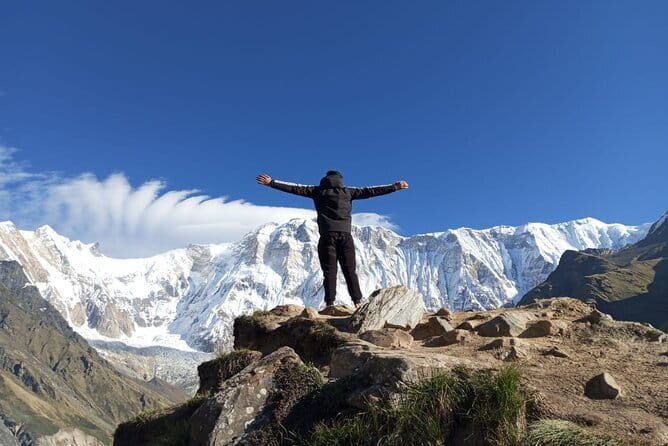
- Base camp sunrise payoff: the itinerary is built to get you time at the camp area and a memorable morning view.
- Permits handled for you: ACAP and TIMS are included, with a government license holder mountain guide.
- Pro local guides and porters: guides named in prior trips include Suraj, Anos, and Laku, and porters such as Sonam and Necha are specifically mentioned.
- Meals and seasonal fruit included: you get three meals a day during the trek (with lunch/dinner counts listed) and seasonal fruit along the way.
- Hot springs recovery at Jhinu Danda: a classic end-of-trek treat to ease tired legs.
- Ground transport that saves time: transfers reduce the amount of backtracking you’d otherwise need.
Why Annapurna Base Camp feels like a real win in just 7 days
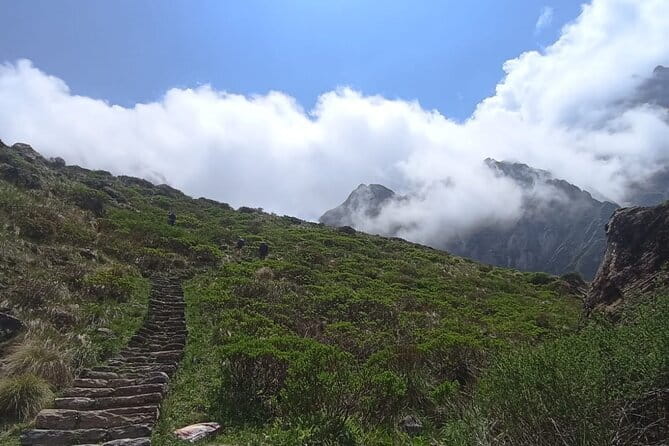
Annapurna Base Camp is the kind of destination where the effort feels worth it fast. In a week, you’ll move through familiar village stops, climb through forest sections, and finally reach that wide-open base camp area with big mountain views—exactly the moment you’re training for.
What I like about doing it in this compact format is that it’s not a long slog of travel days. You’re trekking most of the time, then you’re back down and finishing with something fun (hello, Jhinu hot springs) rather than feeling like the trip just ends when your legs finally give up.
The trip is also described as moderate, which matters. You’ll still need stamina—this isn’t a stroll—but the pacing is meant for people who can handle daily hiking with some climbs and descents.
You can also read our reviews of more hiking tours in Kathmandu
Permits, licensed guides, and the safety-value of “included”
A big reason this trek is good value is that your core setup is handled. You’re getting:
- a government license holder mountain guide
- Annapurna Conservation Area Project (ACAP) permit included
- TIMS card included
Why this matters for you: permits aren’t just admin. They tie into route access and local management of the conservation area. And a licensed guide typically means fewer surprises—especially in a region where weather, trail conditions, and timing can shift quickly.
On the human side, guide support shows up repeatedly in the named guides from prior groups. Suraj is described as exceptional at planning meals and accommodations, while Anos and Laku are described as attentive, friendly, and dedicated. That’s the kind of guide you want when the trail gets tiring and you don’t want to spend mental energy on logistics.
The early start rhythm: 4:45am and why it’s worth it

The experience has a 4:45am start time. That’s early enough to make your brain complain, but early starts often pay off on mountain treks:
- trails can be cooler and less crowded
- daylight helps with visibility and pacing
- you’re more likely to protect energy for the uphill sections
If you’ve never done a trek that begins before sunrise, give yourself grace. Plan on keeping your mornings simple: wake up, hydrate, eat, and get moving. You’ll spend a lot of the day thinking about legs and breath—not emails.
Day 1: Pokhara views, then the walk to Ghandruk
Your trip is built around an overnight in Pokhara first. After breakfast, you drive beyond Pokhara to begin your first walking day, with Ghandruk as the first key stop. This is where the Annapurna region starts to feel real: terraced fields, rhododendron forest sections, and village life show up early.
Ghandruk is often the kind of place where you get your first “wow” view, and it’s also a useful warm-up. You’ll be moving enough to feel like you’re trekking, but you’re still not deep into the hardest parts of the route.
Practical note: this is listed as moderate and part of a guided plan, so you won’t be doing navigation or route decisions yourself. That’s a big stress reducer if this is your first time in the Himalaya.
Day 2: Chhomrong and the Kimrong Danda ridge grind
From Ghandruk, you start with a gradual morning path, then shift into a climb to Kimrong Danda (a ridge). After that, the day turns into a descent: down into cool forest trails, toward the Kimrong River, and into a farm village area.
This is a good day to pay attention to your pacing strategy. Ridges can feel steadier than steep climbs, but they still take time. And descents can be sneaky: your legs work hard even when you feel like you’re going downhill.
If you want value from this trek, you’ll treat days like this as part of the training. Walk slower than you think you need, and your energy will show up again when you’re near the highlight.
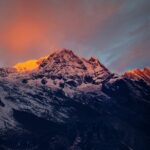
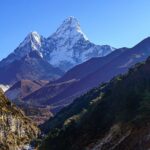
Day 3: Chhomrong to bamboo through Sinuwa Danda and the Modi River gorge
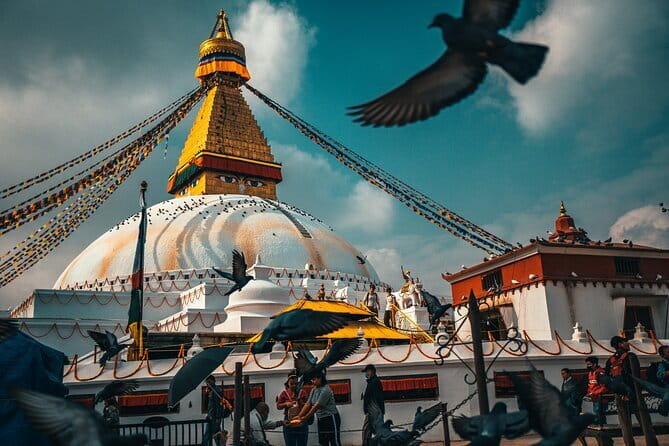
Day 3 is where the trek starts to feel more serious. You go downhill from Chhomrong to a bridge, then you climb again to Sinuwa Danda (another ridge). After that, the trail moves through deeply forested areas with winding ups and downs before reaching bamboo, described as being within the Modi River gorge region.
This day is long—one of the itinerary’s biggest time blocks. That doesn’t mean it’s impossible, but it does mean you’ll want to:
- keep an even pace
- snack when you’re hungry, not when you’re starving
- expect the forest segments to slow you down a bit
What’s nice is that you’re not doing this solo planning. The package includes the guide and trekking support, so you can focus on walking and rest, not decision-making.
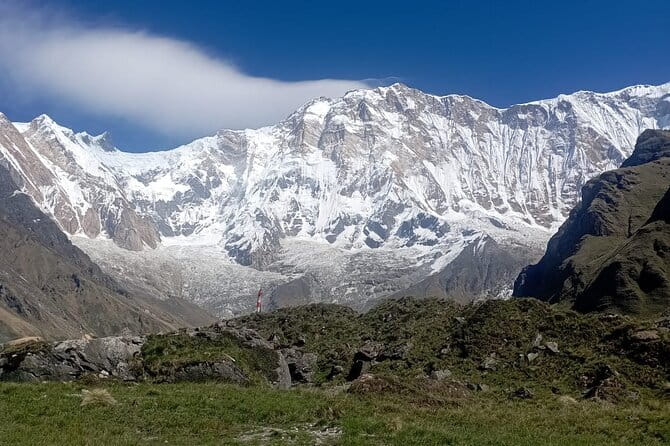
Day 4: Past Himalaya Hotel toward the base-camp approach under Annapurna South and Hiunchuli
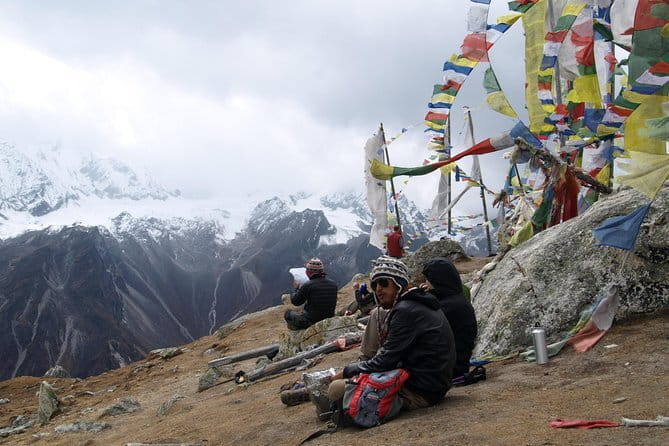
This is the day that really shifts the trip from “great trek” to “we’re close now.” The route leads you close to the highlight. You pass Himalaya Hotel, near a Hinko cave, and you’re moving under the presence of Annapurna South and Hiunchuli peaks.
The itinerary description notes you then go downhill from Himalaya Hotel to near the base camp area. You’ll likely feel it before you see it: the air, the sound of trekkers around you, and the way the day’s effort changes when you realize the goal is within reach.
If you care about timing and payoff, this day matters because it sets up your next day at base camp.
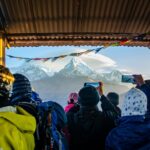
Day 5: Annapurna Base Camp time, then a long return toward Bamboo
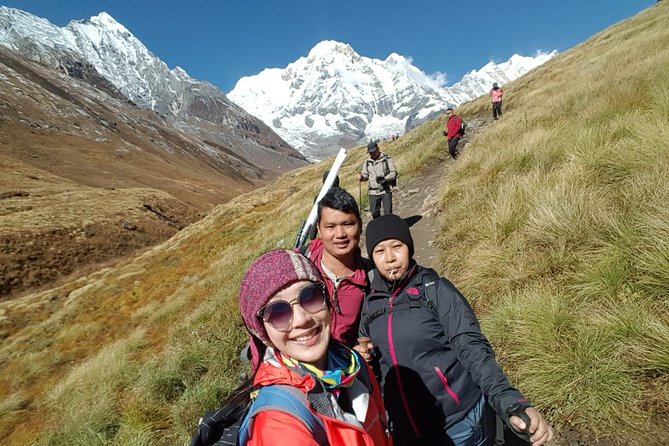
At Annapurna Base Camp, you’re given a longer window to enjoy the scenery—then you turn around and start heading back down. The plan calls for around six hours of walking with short ups, returning toward Bamboo and back through tall tree lines and lush vegetation.
This is a common trekking truth: your legs feel it more on the way down, even when the views get quieter. A return day like this is where good guiding helps. You need the right pace, the right meal timing, and a schedule that keeps you from rushing and paying for it later.
Also, note how the package includes seasonal fruits and your meals. When energy dips, that’s not a small detail. It can make the difference between a controlled pace and a messy last hour.
Day 6: Chhomrong turnaround and Jhinu Danda Hot Spring
Day 6 is the emotional relief day. You return back toward Chhomrong, dealing with ups and downs, then you divert onto a new trail to reach Jhinu, described as a hill village on a ridge with grand scenery—and the highlight here is the Jhinu Danda hot spring.
After days of walking, hot springs aren’t just a nice extra. They’re practical recovery. Your legs get a chance to reset, and your whole body feels less battered for the final day.
If you like finish lines, this is your finish-line energy.
Day 7: Final walk to Siwai, then Pokhara and the museum stop
The last walking day goes to Siwai, listed as about 4 hours. Then there’s a drive back toward Pokhara (the itinerary notes around 2 hours), and the plan includes a Pokhara Museum stop for about 30 minutes.
This ending matters because it lets you ease out of trek mode. Instead of immediately jumping into more hiking, you get a gentle downhill walk in warmer farm areas, then a calm cultural stop before you’re done.
It also makes the trip feel complete. You trek hard for days, then you don’t just disappear into transit fatigue.
Price and logistics: what $699.67 is really buying you
At $699.67 per person, this trek isn’t priced like a bargain “pay and pray” situation. It includes a lot of the expensive-but-hard-to-spot parts:
- three meals per day during the trek (with lunch and dinner counts listed)
- 7 night accommodation on the trek
- a government license holder mountain guide
- ACAP permit and TIMS card
- seasonal fruits
- all ground transportation on the listed segments (including Pokhara-related transfers)
You’re also getting a stated pickup offered option and a private tour/activity setup where only your group participates.
Value check: if you’ve ever tried to piece together a trek in Nepal yourself, you know the hidden time costs. This price is paying for the puzzle to be solved for you—guides, permits, meals, and transfers lined up—so your main job is to walk and enjoy the view.
Who should book this Annapurna Base Camp trek (and who should think twice)
This fits best if you:
- want a 7-day Annapurna Base Camp trek instead of stretching it into a longer expedition
- have moderate fitness and can handle long hiking days with climbs and descents
- prefer being guided—especially with permits (ACAP and TIMS) already handled
- like the idea of ending with a hot spring recovery day
You might think twice if you:
- want a trip with minimal early mornings or short walking days
- expect a totally weather-independent experience (this one requires good weather)
Should you book this Annapurna Base Camp Trek?
I’d book if you want a full-service week that gets you to Annapurna Base Camp without you wrestling with permits, meal logistics, or route headaches. The package is built around what most people actually care about: the walking, the mountain moments, and a guided plan that removes stress.
Also, do yourself a favor and ask in advance about the guide/porter pairing. Named guide styles in prior experiences include Suraj, Anos, and Laku, and porters like Sonam and Necha are specifically mentioned. If you’re hoping for a particular kind of energy—cheerful, attentive, and organized—this operator’s past matches can help you aim for that.
FAQ
What time does the Annapurna Base Camp trek start?
The stated start time is 4:45am.
How long is the trek?
The trek is listed as 7 days (approx.).
Is pickup included, and is it private?
Pickup is offered, and it’s described as a private tour/activity, meaning only your group participates.
What’s included in the tour price?
Included items are three meals during the trek (breakfast, lunch, dinner), a government license holder mountain guide, the Annapurna permit (ACAP) and TIMS card, all listed ground transportation segments, 7 night accommodation on the trek, and seasonal fruits.
Do I need travel and rescue insurance?
Yes. Travel and rescue insurance is listed as not included.
Can I cancel for a full refund, and what if weather is bad?
There’s free cancellation with a full refund if you cancel at least 24 hours in advance. The experience also requires good weather, and if it’s canceled due to poor weather, you’ll be offered a different date or a full refund.