REVIEW · KATHMANDU
Poon Hill Trek package
Book on Viator →Operated by Nepal Hiking Adventure Company - Private Day Tours · Bookable on Viator
Sunrise at Poon Hill is the whole reason for this trek. It delivers Annapurna and Dhaulagiri panoramas at first light, and the walk is balanced with Gurung and Magar village life along the way. Guides like Bishnu and Ram are often the ones talking you through what you’re seeing, and Tilak gets credit for being attentive and helpful when plans get tight.
The only real catch is timing and weather. Weather matters for that sunrise moment, and you’ll be moving early even on your rest days.
What I like about this package is how organized it feels on paper: small groups (max 8), a mobile ticket, included buses, and a clear trail plan from Birethanti through Ulleri, Ghorepani, Poon Hill, and Ghandruk.
In This Review
- Key points at a glance
- Why Poon Hill is a smart Nepal intro (and not just a pretty stop)
- Price and logistics: what $405 covers (and what it doesn’t)
- Day 1: Kathmandu meeting point, then the bus to Pokhara
- Day 2: Birethanti permits, then Ulleri via Hile
- Day 3: Rhododendron forest to Ghorepani
- Day 4: Poon Hill sunrise hike, then Ghandruk village walking
- Day 5: Ghandruk down to Syauli Bazzar and back to Birethanti
- How hard is this trek, really? Fitness without fantasy
- What’s included on the trail (and why meals matter more than you think)
- Guides, group size, and why that changes your experience
- Sunrise logistics and weather: the one variable you can’t control
- Getting the best value out of this package
- Who should book this Poon Hill trek package
- Should you book this trek?
- FAQ
- How long is the Poon Hill Trek package?
- Where does the trek start and end?
- What is the price for this package?
- Do I get transport included to and from the trek start and end?
- How many nights of accommodation are included during the trek?
- Are meals included?
- How many travelers are in the group?
- Is the permit part of the package?
- Is a guide included?
- What happens if the trek can’t run due to weather?
Key points at a glance
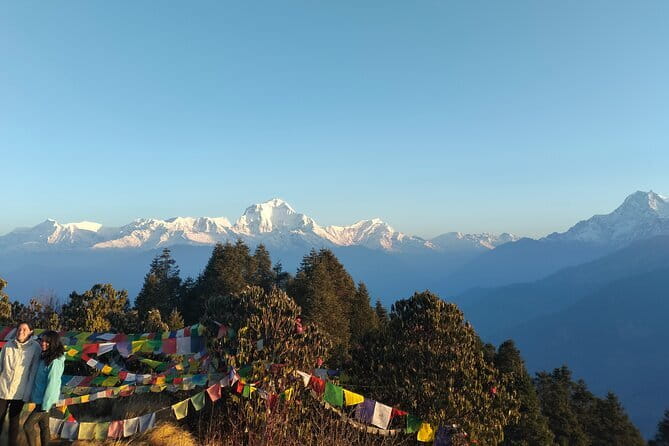
- Sunrise at Poon Hill: early hike for the classic big-mountain views.
- Village walking: Gurung and Magar settlements along the trail, not just viewpoints.
- Guides who communicate: people like Bishnu are known for fast, clear answers before you go.
- Meals and lodging included: trekking-day breakfasts/lunches/dinners and 3 nights in lodges.
- Limited group size: up to 8 travelers, which usually means smoother pacing.
- Not a steep grind: marketed as easy enough for normal fitness, with days paced by villages.
Why Poon Hill is a smart Nepal intro (and not just a pretty stop)
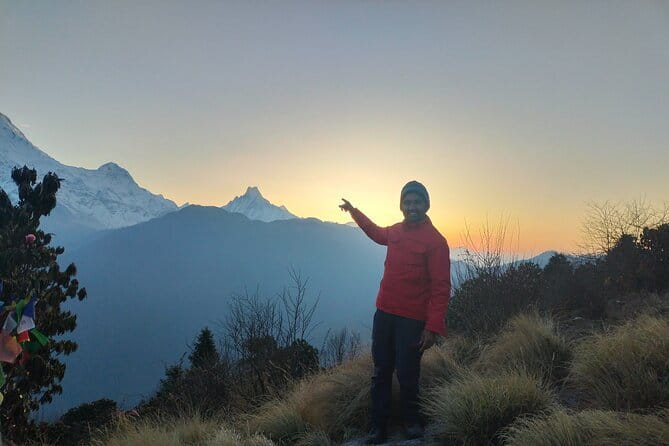
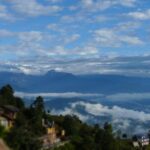
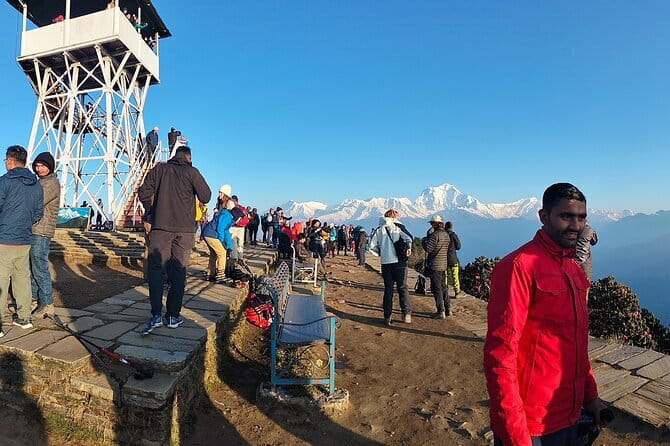
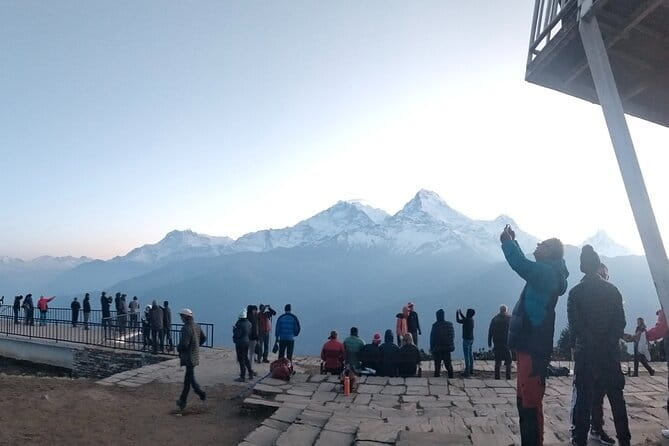
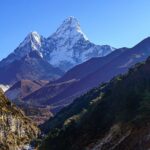
Poon Hill is popular for a reason: it’s one of the easiest ways to feel the scale of the Annapurna region without committing to a long, high-pressure trek. From early morning viewpoints, you’re chasing wide mountain angles toward the Annapurna and Dhaulagiri ranges—exactly the kind of payoff that makes the effort feel worth it.
What makes this trek more than a sunrise hike is that you don’t just go up and back. The route links a string of settlements—Gurung and Magar villages—so you experience local daily rhythm while still getting mountain views. That mix is why this trek works so well for first-time hikers and people returning to Nepal after time away.
You can also read our reviews of more hiking tours in Kathmandu
Price and logistics: what $405 covers (and what it doesn’t)
At $405 for an approx. 5-day package, you’re paying for the parts that usually cause the most friction when you plan yourself: transportation, permits/fees/taxes, a guide, and lodging for the trekking days. You also get meal support—breakfast daily for the trek days included (4 breakfasts), plus lunch (4) and dinner (3). That matters because food costs and logistics can add up fast once you’re on the trail.
Here’s what’s included that tends to be high value in practice:
- Transport to and from trek start/end points (plus a tourist bus drive to Pokhara)
- All fees and taxes tied to the trek setup
- An experience trekking guide (with the guide’s needs covered)
- 3 nights of accommodations during the trek
- 1 night in Pokhara on a B&B plan
And here’s what you should budget for on your own:
- Drinks and beverage during the trek (not included)
- Personal expenses
- Tips for your guide/potters (expected)
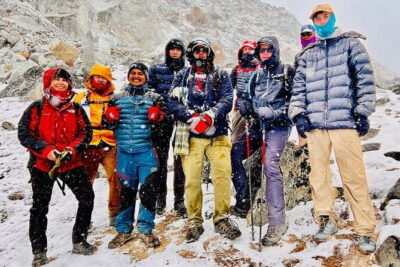
Also pay attention to group size. With a maximum of 8 travelers, you’re less likely to feel like you’re herding cats on narrow trails. You’ll still hike with others, but the pacing usually feels more human.
Day 1: Kathmandu meeting point, then the bus to Pokhara
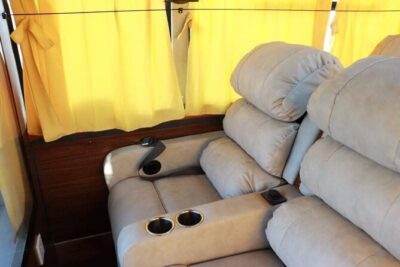
Your trip starts near Thamel at Nepal Hiking Adventure Company’s head office. From there, you head toward the bus park to connect to Pokhara. This is the day where you trade hustle for comfort: you’re on a tourist bus and you’re doing the big relocation without spending the whole day planning transfers.
The Kathmandu to Pokhara drive takes about 6–8 hours. That means you’ll want a little “travel brain” mindset: charge your phone, keep water handy, and accept that the road is part of the deal. When you arrive, you sleep in Pokhara for the night. This is useful because it gives you one full night to reset before hiking starts.
Day 2: Birethanti permits, then Ulleri via Hile
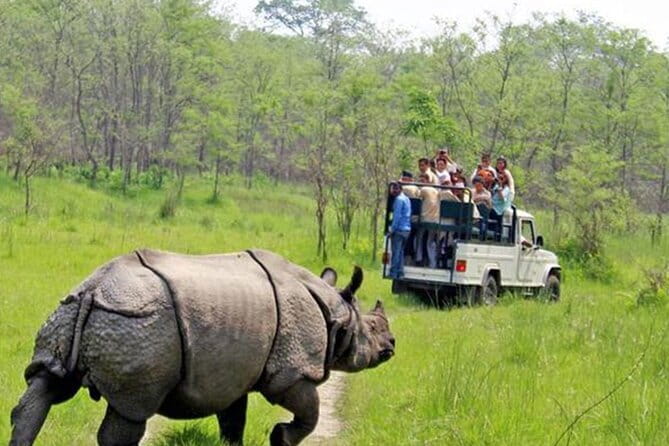
On Day 2 you drive from Pokhara Lakeside to Birethanti, which is described as a checkpoint of the Annapurna conservation areas. You’ll check in your permit there, then start hiking toward Ulleri through Hile. This is the classic early trek day formula: administrative start, then an uphill push that gets your legs awake.
The pacing is laid out in chunks:
- A drive and permit check in Birethanti
- Trek time through Hile (with a short lunch break)
- Continued uphill to Ulleri
Why this day is valuable: it sets expectations. You get a taste of how the trail feels without jumping straight into the hardest segment. And because Hile is a lunch break point, you’re less likely to feel like you’re hiking blindly with no recovery pause.
One consideration: even when a trek is labeled easy, uphill still counts. Bring proper footwear and don’t treat Day 2 like a casual stroll. Save your big energy for the sunrise morning later.
Day 3: Rhododendron forest to Ghorepani
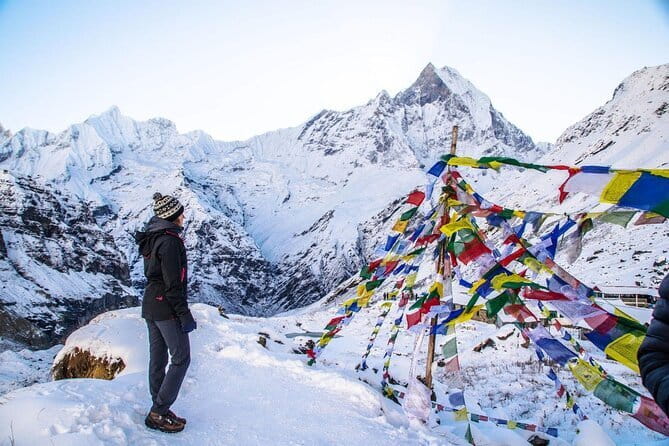
After breakfast at your hotel, the hike to Ghorepani starts early. The trail goes through rhododendron forest, which is a big part of the emotional “Nepal feeling” people come for—cooler shade, seasonal color, and a trail that feels alive rather than purely exposed.
Your time on the move is set at around 5 hours to reach Ghorepani. That’s a comfortable target for building stamina without exhausting you. Ghorepani is also a practical base: it positions you close enough to make the Poon Hill sunrise hike realistic.
This is also the day where you’ll likely notice how pacing changes when you’re guided. A good guide helps you keep moving at a sustainable speed. In past trips run by guides such as Bishnu and Ram, the consistent theme is attentive care and clear support—things that matter when you’re tired and questions pop up.
Day 4: Poon Hill sunrise hike, then Ghandruk village walking
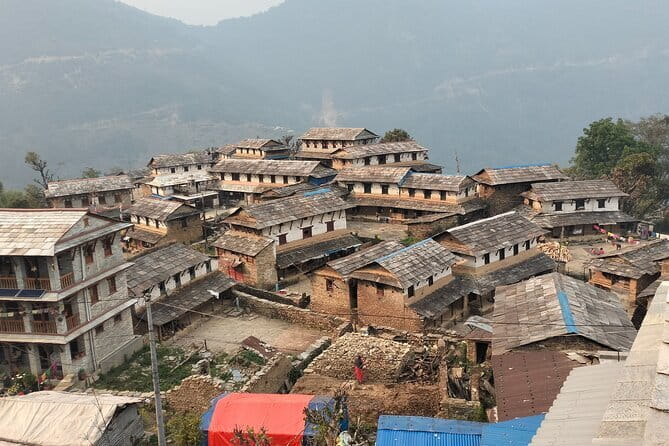
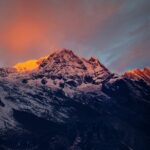
Day 4 is the star of the show. You’ll hike early to Poon Hill for sunrise, then spend time viewing the mountains from that viewpoint. Afterward, you return to your hotel, eat breakfast, and reset before your next walk.
Then comes the second half of the day: after breakfast, you head to Ghandruk. You’ll stop for lunch along the way when you feel hungry, and the total trekking time is about 6 hours.
What you’ll likely love about this structure is that it keeps the day from collapsing into one long climb. You get the big moment at Poon Hill, then you shift into village trekking. That’s where the trek starts to feel like a real journey rather than a single photo session.
Possible drawback: the day is long. Early morning plus a full afternoon means you’ll want to manage energy carefully. If you’re someone who hates alarm clocks, this is still the trek you want, just go in knowing Day 4 demands a bit of discipline.
Day 5: Ghandruk down to Syauli Bazzar and back to Birethanti
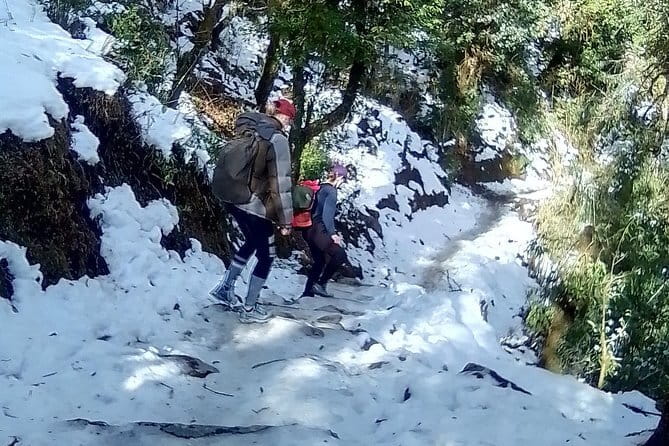
On the final day, you start in the morning with breakfast, then trek from Ghandruk downhill. The plan takes you walking down to Syauli Bazzar, and then you continue along an easy path to Birethanti. Trek time is around 4 hours total, so this isn’t a burn-the-legs finale.
From Birethanti, you end the trek and then drive back to Pokhara. The drive time after the hike is listed as about 2 hours. This is a nice finish because it gives you a clean end point: no late-night scrambling, no guessing how to get back into city life.
How hard is this trek, really? Fitness without fantasy
This trek is described as an easy difficulty level for people with normal fitness. That tracks with the itinerary shape: lots of village-to-village movement, manageable daily hiking windows, and built-in breaks like lunch stops and meal inclusion.
But “easy” doesn’t mean “effortless.” You’re still hiking uphill and hiking downhill for multiple days. I recommend you treat this as a stepping-stone trek: train lightly before you go if you can, and focus on steady walking rather than speed.
A few practical tips that match the reality of this route:
- Wear shoes you trust on uneven steps. Your biggest enemy isn’t height—it’s footing.
- Plan for cold early starts. Even if days warm up later, sunrise hikes start before comfort shows up.
- If you’re new to trekking, keep your pace conservative. The goal is to finish strong, not win a race you never signed up for.
What’s included on the trail (and why meals matter more than you think)
You’re not walking around with empty planning energy because meals are built into the package. Breakfast is included for 4 days, lunch for 4 days, and dinner for 3 days. In practice, that means you usually know when food is coming and you can plan your energy around it.
This matters because trekking-day appetite can be unpredictable. Cold mornings can make you forget to eat. Long afternoons can make you ravenous. Having lunch and dinner handled removes the guesswork and helps you stay consistent.
Two small “watch outs”:
- Drinks and beverages during the trek are not included, so plan to budget for water and anything else you want to buy.
- Personal expenses aren’t included, so don’t assume every stop has the same pricing or that you’ll be able to buy snacks anytime you want.
Guides, group size, and why that changes your experience
This package runs with a maximum of 8 travelers. That small group size affects more than vibes. It changes pacing, how often you pause, and how quickly questions get answered. It also reduces the chance you get lost in a crowd during busy moments near viewpoints.
Guide quality also shows up in the details. From provided feedback in the materials you shared, guides such as Bishnu and Ram are repeatedly described as helpful, supportive, and responsive. Tilak, for example, is credited with looking after needs and being informative. Whether you get a guide from that same pool or someone else, the key is that the company emphasizes an experienced guide with guide needs included.
What you can do: ask questions early. If you’re unsure about footwear, layers, or what time you’ll leave for Poon Hill, get clarity before you start hiking. A quick, clear guide makes the trek feel smoother.
Sunrise logistics and weather: the one variable you can’t control
You should know this trek requires good weather. Sunrise is the highlight, but clouds happen. When the trek is canceled due to poor weather, you’ll be offered a different date or a full refund. That safety net is important because you’re paying for a specific experience, and weather can make or break it.
My practical advice: when you book, consider picking a window where you expect better conditions. And on your sunrise night, do not treat sleep like a luxury. Charge devices, dress for early movement, and set expectations for what you can see depending on cloud cover.
Getting the best value out of this package
This trek makes financial sense when you want the structure handled for you. If you’re the type who likes planning every detail, you can cobble together similar pieces in Nepal—but you’ll spend time on permits, transport coordination, lodging arrangements, and meal planning.
Here, you’re buying a package that covers:
- The start-to-end logistics between Kathmandu and Pokhara
- Permits/fees/taxes tied to the trekking area checkpoint
- Guide support for the trail days
- Lodging on 3 trekking nights plus a Pokhara night with breakfast plan
So the value isn’t just the final price. It’s the reduction in decision fatigue. For many people, that’s the real reason they book.
Who should book this Poon Hill trek package
Book this if:
- You want a Himalayan taste that fits a short schedule (about 5 days).
- You like the idea of sunrise viewpoints paired with village walking.
- You’re okay with early mornings and you want the logistics simplified.
- You value small group pacing (max 8 travelers).
You might want to think twice if:
- You’re very sensitive to early start times.
- You get unhappy when weather changes plans. Even with options for date changes or refunds, sunrise days depend on conditions.
Should you book this trek?
I’d recommend booking if your goal is classic Nepal views with a guided, meal-supported plan and minimal fuss. The combination of Poon Hill sunrise plus village walking through Gurung and Magar areas makes this more memorable than a one-note hike.
Just go in with realistic expectations about early mornings and the fact that weather can shift what you see. If that doesn’t bother you, this package is a strong, practical way to experience the Annapurna region.
FAQ
How long is the Poon Hill Trek package?
It’s listed as about 5 days.
Where does the trek start and end?
It starts in Kathmandu (meeting at Nepal Hiking Adventure Company) and the trek ends at Pokhara Lakeside.
What is the price for this package?
The price is $405.
Do I get transport included to and from the trek start and end?
Yes. Transportation to and from trek start/end points is included, plus a tourist bus ticket to drive to Pokhara.
How many nights of accommodation are included during the trek?
You get accommodations for 3 nights during the trek, plus 1 night in Pokhara on a BB plan.
Are meals included?
Yes. Breakfast (4), lunch (4), and dinner (3) are included. Drinks and beverages are not included.
How many travelers are in the group?
The maximum group size is 8 travelers.
Is the permit part of the package?
Yes. All fees and taxes are included, and the plan includes a permit check at Birethanti.
Is a guide included?
Yes. An experience trekking guide is included.
What happens if the trek can’t run due to weather?
The experience requires good weather. If it’s canceled due to poor weather, you’ll be offered a different date or a full refund. Cancellation is free up to 24 hours in advance for a full refund.