REVIEW · KATHMANDU
1 day with our women empowerment and children development project
Book on Viator →Operated by Human welfare committee · Bookable on Viator
One day, hands-on, community-first in Kathmandu. This program with the Human Welfare Committee is built around women-led skills and children’s school-day energy, so you spend less time watching and more time doing. You’ll start with a Nepali cooking lesson, then move into beadwork, and later you’ll join the kids for games, walks, painting, singing, and dinner.
I especially love that the focus stays practical: you learn a real Nepali staple dish (either Dal Bhat or momo) and you get to make your own colorful jewelry from beads. I also like the people side of it: you’ll meet the organization’s team, including Tenzing, and the day feels more like a relationship than a checklist.
A possible consideration: this is a full block of time (about 8 to 10 hours) with hands-on activities, so if you want a light, pure sightseeing day, this won’t match that vibe. Bring a flexible attitude and comfy clothes.
In This Review
- Quick highlights you can plan around
- Meet Human Welfare Committee: why this day feels different
- 11:00 to 1:00 Nepali cooking class: Dal Bhat or momo
- 1:00 to 2:00 Lunch: eating together like a community day
- 2:00 to 4:00 Jewelry workshop with colorful beads
- 4:00 to 4:30 The walk to the main center
- 5:00 to 7:00 Kids’ activities: games, sports, walking, dancing, singing, painting
- 7:00 to 8:00 Dinner with the children
- The vibe, the people, and the practical contact with Tenzing
- Price and value: is $120.13 worth a full community day?
- Timing, duration, and what to wear and bring
- Who this experience suits best
- Should you book this Kathmandu empowerment day?
- FAQ
- What does the program include?
- Where does the experience start and end?
- How long is the experience?
- What is the price per person?
- Is the tour private?
- Is a mobile ticket provided?
- Can I join if I’m not an expert at cooking or crafts?
- Is free cancellation available?
- Where does it happen during the day?
Quick highlights you can plan around
- Nepali cooking class focused on Dal Bhat or momo, led by women in the community
- Bead jewelry workshop where you make something you can keep as a souvenir
- Shared lunch and dinner, including dinner with the children
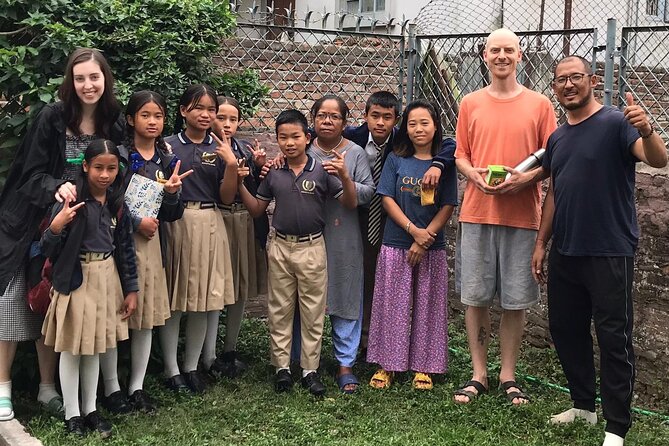
- School-after-4 PM energy, with games, sports, dancing, singing, and walking
- Meet the organizer team, including Tenzing, in a day that includes conversation time
- A private format, with only your group participating
Meet Human Welfare Committee: why this day feels different
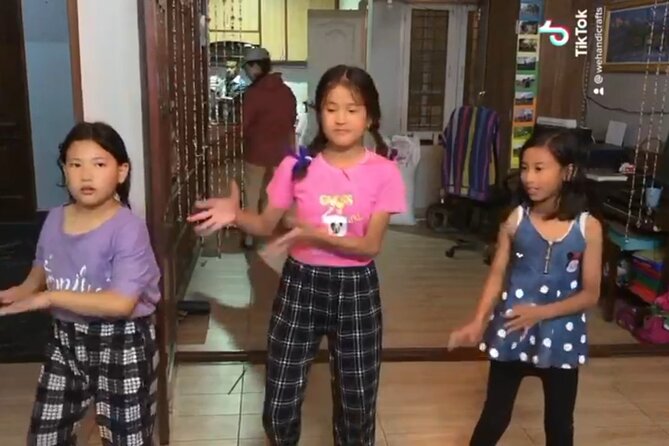
In Kathmandu, it’s easy to spend days just moving from one landmark to the next. This experience is designed to do the opposite. You’re not only learning culture through photos or lectures. You’re joining a women and children development project that runs on daily routines: food, crafts, school arrival, and community play.
You’ll spend the day with the Human Welfare Committee and with the women who lead your activities. That matters, because the women aren’t background characters here. The day starts with them, continues through their workshops, and carries that momentum into the afternoon.
You’ll also get time with the organization leadership, including Tenzing, which is where the experience turns from “activity” into “understanding.” Conversations like that can help you read what you’re seeing with more context, especially when the day includes everything from making food to watching children transition from school into the rest of the afternoon.
One more detail I think you’ll appreciate: the schedule is structured, but the tone stays human. You’re invited to participate, not just observe.
You can also read our reviews of more tours and experiences in Kathmandu
11:00 to 1:00 Nepali cooking class: Dal Bhat or momo
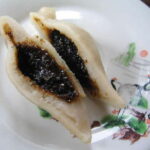
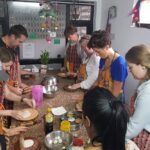
Your day begins with a cooking session led by Nepali women. You’ll learn how to cook a traditional dish—either Dal Bhat or momo. This is the kind of class that’s usually more useful than a formal history lesson. Food is hands-on, it has immediate steps, and it gives you a way to ask questions while you work.
What to expect from this portion:
- You’ll be actively involved, not standing at the back.
- The class gives you a feel for how everyday Nepali meals come together.
- You’ll likely learn more than one step of the process, because cooking is built in sequence.
Why this is good value: when you pay for an experience like this, you want something you can take home in your memory and skills. A recipe you practiced with your hands beats a list of facts every time.
A small practical consideration: cooking can be a little messy and time can feel tight while you follow instructions. Wear comfortable clothes and be ready for the hands-on part.
1:00 to 2:00 Lunch: eating together like a community day
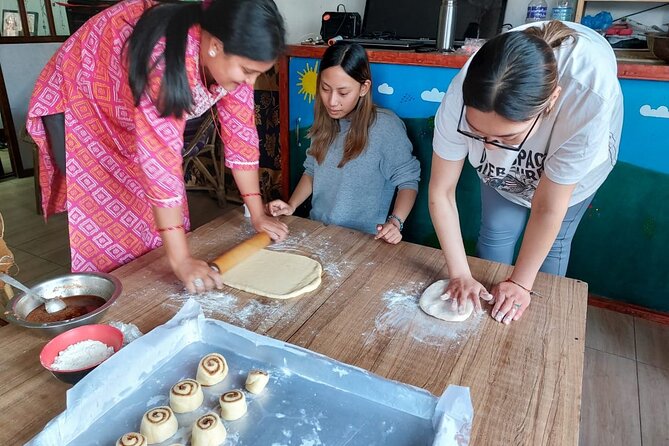
Right after the cooking class, lunch is served. This break isn’t an afterthought. It’s built into the flow, so you can eat what you helped make and slow down after the more active morning portion.
Lunch at this point in the day also gives you something rare on short tours: a chance to chat naturally with people while everyone shares a meal. That’s where you’ll often understand the day’s rhythm better—what’s normal, what’s special, and what people are focused on right now.
Tip for you: if you’re curious, ask simple questions during lunch. Things like how the dish is eaten at home or what kids like to eat can lead to better conversations than broad “tell me about Nepal” prompts.
2:00 to 4:00 Jewelry workshop with colorful beads
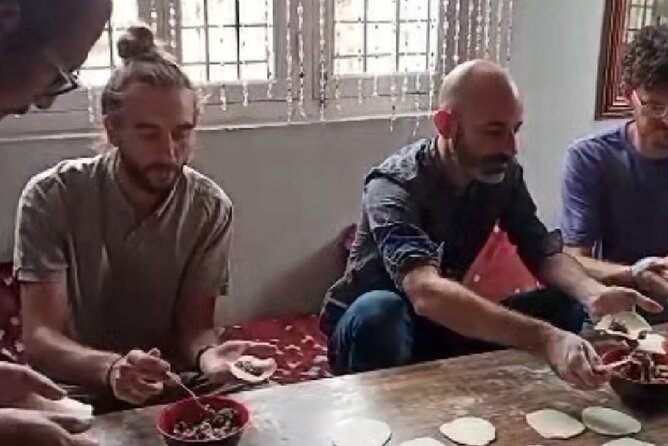
After lunch, you shift into a bead jewelry-making workshop led by the women. You’ll work with colorful beads and create your own piece—either as something for yourself or as a souvenir.
This is the best kind of craft activity: it’s portable, personal, and you can finish with a tangible result. Jewelry-making also tends to create a relaxed pace. Even if you’re not a “craft person,” you’ll likely find a comfortable entry point because beads are small, hands-on, and forgiving.
What makes this workshop worthwhile:
- You’re creating something you can keep, not just a photo.
- The activity is tied to the women leading it, so it feels purposeful.
- It gives you a quieter moment before the more energetic children’s segment.
Possible drawback: jewelry work can be detail-heavy, so if you’re pressed for patience, give yourself grace. This isn’t about speed; it’s about making something with care.
4:00 to 4:30 The walk to the main center
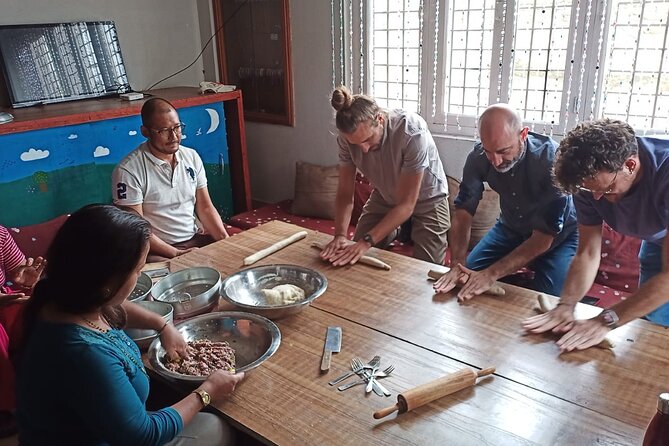
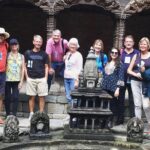
At 4 PM, you’ll walk together toward the Human Welfare Committee’s main center. The walk is about 30 minutes.
Why this part matters: it’s a natural transition. You go from crafts and cooking (station-based activities) to a community space where the kids are just returning from school. A short walk helps you reset your body and mental focus, and it’s often when you get your bearings for the rest of the day.
Practical note for you: wear shoes you feel confident walking in, because you’ll also be joining games and sports later.



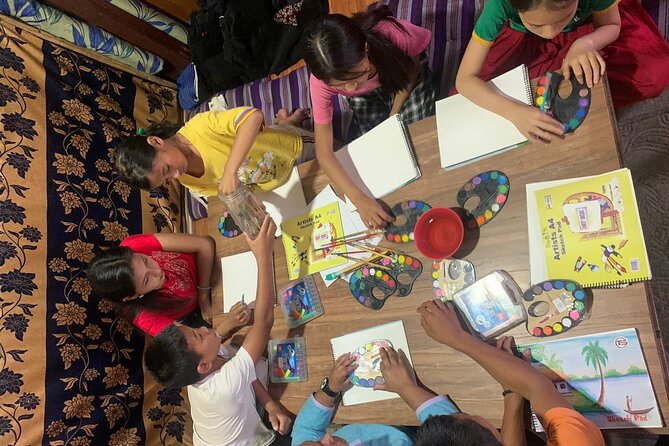
5:00 to 7:00 Kids’ activities: games, sports, walking, dancing, singing, painting
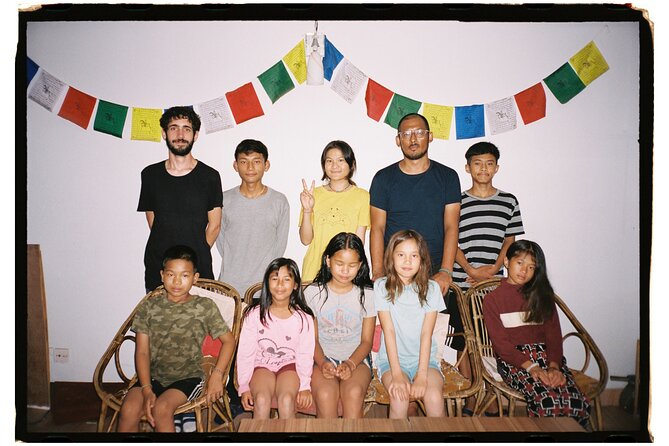
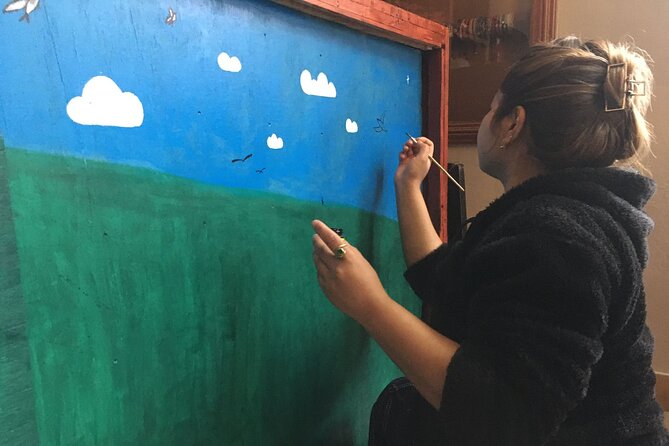
This is the pulse of the day. Around 4 PM, the children return from school, and your program then shifts into connection time: you join them for games, sports, walking, dancing, singing, and/or painting.
From a travel-experience standpoint, this is where the day becomes memorable. Not because it’s staged, but because kids bring spontaneity. You’re part of the day’s movement, laughter, and short bursts of play.
What you can expect:
- Activities can vary in style, such as games, movement-based play, or creative activities like painting.
- The energy tends to ramp up after school.
- The goal is simple: shared smiles and time together.
A consideration to keep in mind: children’s activities can get physical and unpredictable. If you’re sensitive to noise or busy movement, plan for that. If you like being active and positive, you’ll likely enjoy it a lot.
7:00 to 8:00 Dinner with the children
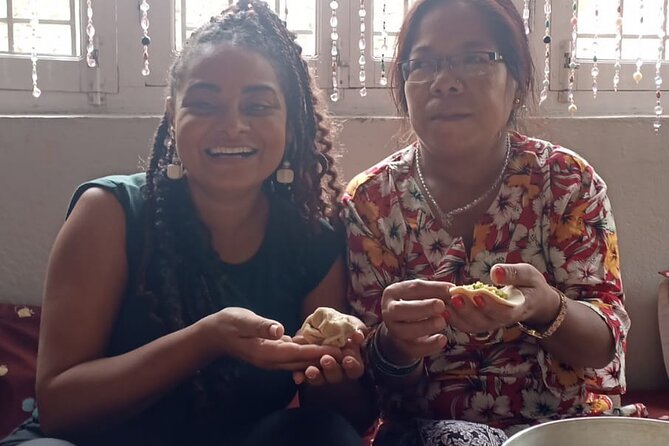
After the active afternoon, dinner comes with the children. This is a meaningful shift. Instead of just playing and leaving, you stay for a shared meal, which helps the day feel complete and respectful.
Why this matters: a dinner together is where you often see the normal side of daily life. It’s not just an “event.” It’s part of the project’s everyday rhythm—food, conversation, and community closeness.
If you’re hoping to understand the impact of a women and children development project, this is one of the best windows you’ll get during a single day.
The vibe, the people, and the practical contact with Tenzing
One theme that stands out about this kind of program is the closeness of the interaction. You’re not just in a classroom. You’re inside the flow of the organization’s day.
Tenzing is named as the person running the organization, and you should expect real conversation time, not only quick instructions. That kind of chat can turn what you’re doing from “fun activity” into “learning how things work on the ground.”
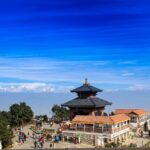
Also, you may see more of the local spiritual landscape during the broader time at the center, including a Buddhist temple visit mentioned in feedback from participants. The exact timing can vary, but it’s a reminder that this community space isn’t isolated from Nepal’s daily faith and culture.
Price and value: is $120.13 worth a full community day?
At $120.13 per person, this is not a cheap, drop-in workshop. But it also isn’t priced like a generic “volunteer-style” add-on that gives you little beyond a photo.
Here’s what you’re getting that supports the price:
- A full day of structured activities spanning cooking, lunch, bead jewelry, kids’ activities, and dinner
- A women-led cooking and craft component, which takes skill and time
- Dinner with the children, which changes the day’s meaning compared to “play for an hour and go”
- A private format where only your group participates
- An admission ticket included in the experience
Also, the average booking lead time is about 79 days. That’s a clue that this is popular enough that planning ahead helps you secure your spot and lock in the schedule you want.
In plain terms: if you value hands-on participation and you’re okay with spending a long stretch with a community rather than ticking off sightseeing stops, this can feel like strong value.
Timing, duration, and what to wear and bring
The day runs about 9 hours in practice, with a schedule that starts around 11:00 AM and ends around 8:00 PM. Your group begins at the meeting point at We handicraft Paknajol in Kathmandu, then follows the day’s blocks: cooking, lunch, beadwork, walk to the main center, kids’ activities, and dinner.
The total time matters because this isn’t a short taste. You’ll be present through multiple moods: calm craft work, energetic children time, and then a shared evening meal.
What to wear for comfort:
- Comfortable clothes for cooking and beadwork
- Shoes for walking (including the 30-minute walk and later movement)
- Clothes you’re okay with potentially getting a little warm or sitting on the floor/chairs for craft and meals (you’ll be participating, after all)
If you’re the kind of traveler who gets tired quickly from physical activity, pace yourself early in the day, especially after cooking.
Who this experience suits best
This day fits best if you:
- Like hands-on travel where you do more than you watch
- Enjoy conversations with local people and want context from the organization team
- Want an ethical-style interaction focused on participation and community connection
- Are comfortable spending most of the day engaged, including with children’s activities
It’s less ideal if you:
- Want a light, sightseeing-only schedule with minimal interaction
- Don’t enjoy crafts, cooking, or active play
- Prefer short, low-energy group tours
Also, the program notes that most travelers can participate, so you don’t need special expertise to join. Your job is to show up with curiosity and a good attitude.
Should you book this Kathmandu empowerment day?
I’d recommend booking if your goal is meaningful, practical connection in Kathmandu. The structure is strong: women lead the cooking and craft parts, and the kids’ school-to-afternoon energy gives the day a natural emotional arc. Add in dinner with the children, and the whole thing feels more complete than a quick stop.
I would skip it if you’re only interested in classic tourist sights or if you want a shorter, less involved schedule. This is a long day, and it’s designed to be participatory.
If you do book, treat it like a day with real people, not like a performance. Ask questions, join in with the activities you can, and aim for kindness over “doing it right.” That’s what will make it memorable.
FAQ
What does the program include?
It includes a Nepali cooking class (Dal Bhat or momo), lunch, a jewelry workshop with colorful beads, a walk to the main center, activities with children, dinner with the children, and a farewell at the end.
Where does the experience start and end?
The start is at We handicraft Paknajol, Kathmandu. The end is at Human Welfare Committee, Manjushree Galli, Kathmandu.
How long is the experience?
It runs about 8 to 10 hours, roughly a full day.
What is the price per person?
The price is $120.13 per person.
Is the tour private?
Yes. It’s a private tour/activity, and only your group participates.
Is a mobile ticket provided?
Yes, the experience includes a mobile ticket.
Can I join if I’m not an expert at cooking or crafts?
Yes. The program states that most travelers can participate, and the activities are designed for visitors to join in.
Is free cancellation available?
Yes. Free cancellation is available up to 24 hours in advance for a full refund.
Where does it happen during the day?
You’ll start near We handicraft Paknajol, then after lunch you walk together about 30 minutes to the Human Welfare Committee main center, where the children’s activities and dinner take place.