REVIEW · KATHMANDU
Kathmandu Sightseeing Tour with Car and Guide
Book on Viator →Operated by Himalayan Trekking · Bookable on Viator
Four UNESCO stops, one easy car route.
This Kathmandu sightseeing tour is an affordable way to see major UNESCO landmarks in Kathmandu Valley without trying to stitch together transport on your own. I like the air-conditioned vehicle plus bottled water setup, because Kathmandu traffic and heat can drain you fast. And I really appreciate the car-and-guide format that keeps you moving between spiritual and historic sites in a tight 3–5 hour window.
One thing to consider: entrance fees are not included, so you’ll want a little extra cash or card for temple and heritage-site tickets. It’s also a lot to fit into a single morning or afternoon, so plan for walking, stairs, and crowd flow—especially at hilltop and temple areas.
In This Review
- Quick take: why this Kathmandu route works
- Why a car-and-guide day beats self-guided chaos
- Price and value: what $50 really buys you
- The 3–5 hour flow: how the route keeps momentum
- Stop 1: Kathmandu Durbar Square and the living face of old Kathmandu
- Stop 2: Boudhanath Stupa for Buddhist practice at big-site scale
- Stop 3: Swayambhunath Monkey Temple and the payoff of the hilltop
- Stop 4: Pashupatinath Temple, a major Hindu pilgrimage site by the river
- What the guide actually adds (beyond pointing)
- Logistics that matter in Kathmandu: meeting point, comfort, timing
- Who should book this tour
- Who should plan carefully
- Should you book this Kathmandu Sightseeing Tour with Car and Guide?
- FAQ
- How long is the Kathmandu sightseeing tour?
- Where does the tour start?
- Which sites are included in the tour?
- Is this a private tour?
- What’s included in the price?
- Are entrance fees and tickets included?
- Is lunch included?
- What is the cancellation policy?
- Is the tour suitable for most travelers?
Quick take: why this Kathmandu route works
- Four UNESCO-linked stops in one efficient loop, so you’re not bouncing around the city all day.
- AC vehicle + bottled water helps you stay comfortable as you hop from one district to the next.
- Guide-led explanations give you context at each site, instead of just wandering and guessing.
- Private feel for your group means you can move at a pace that matches your comfort level.
- Admission tickets aren’t included, so your final cost will be a bit higher than the base price.
Why a car-and-guide day beats self-guided chaos
Kathmandu can feel like a puzzle if you’re trying to navigate between heritage sites, temples, and busy streets. This tour takes the hardest part off your plate: getting between landmarks smoothly. With pickup offered from Thamel and a driver during the tour, you can focus on what you came for—seeing Kathmandu Valley’s most important sites.
The other win is the guide. You’re not just collecting photos. At each stop, you get a framework for what you’re looking at: why the site matters to Hindu or Buddhist communities, what the layout is telling you, and what to watch for as you move through courtyards and sacred spaces. That turns a “checklist day” into a day that actually makes sense.
You can also read our reviews of more guided tours in Kathmandu
Price and value: what $50 really buys you
At $50 per person, this tour sits in the budget-friendly zone for Kathmandu. What makes it feel fair is what’s included: an air-conditioned vehicle, bottled water, a driver, and a professional guide whose remuneration is covered.
Here’s how to think about value: you’re paying to remove logistics friction. If you were to hire transport, find a guide separately, and time it all yourself, you’d likely spend more than the base rate—plus you’d lose the clean stop-to-stop timing.
Two cost notes so you can plan:
- All fees and taxes aren’t included. Each stop lists admission tickets as not included.
- Lunch isn’t included. So budget for a meal stop before or after, or bring a snack if that works with your day.
The 3–5 hour flow: how the route keeps momentum
The tour runs about 5 hours (approx.), and it’s structured around four main stops. Each stop is allotted around one hour, which is enough time to see the highlights, absorb the atmosphere, and still have a bit of breathing room.
The order is practical: you start with a heritage square, then move into major Buddhist sites, and finish at one of the most important Hindu temples in the world. It also helps that the vehicle does the heavy lifting between locations. Your legs do the walking; the car does the traveling.
Stop 1: Kathmandu Durbar Square and the living face of old Kathmandu
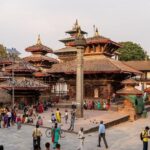
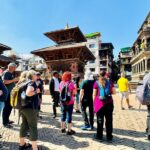
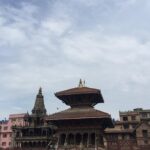
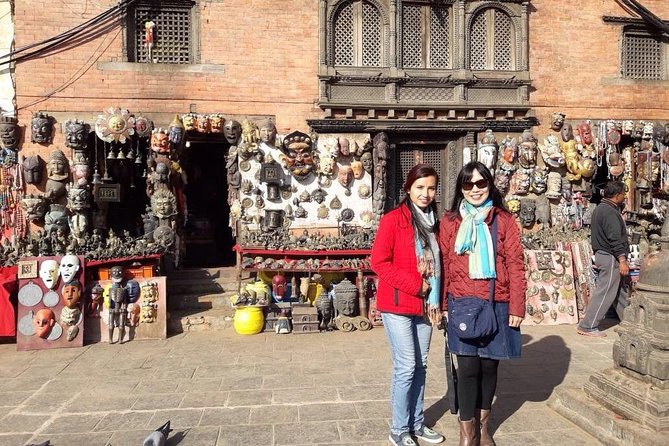
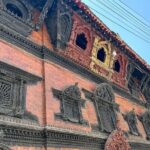
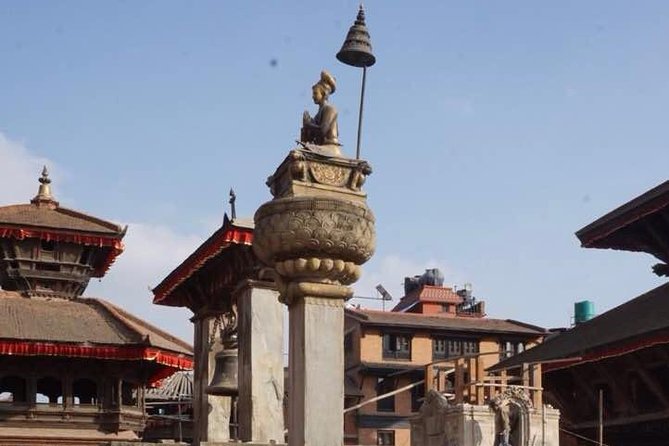
Kathmandu Durbar Square is the kind of place where history shows up as architecture, carvings, and street-level ritual. This is where you start your day, and it’s a smart first stop because you can get your bearings quickly.
A standout here is the Kumari Ghar (House of the Living Goddess). Even if you don’t plan to go inside (since admission isn’t included), the area is tied to a tradition that’s still very much part of Kathmandu’s cultural identity. You’ll also notice how the square works as a collection of temples, courtyards, and older-style buildings—each offering a different angle on how city life has grown around sacred and royal spaces.
Practical consideration: this is a walking-heavy environment with people moving in every direction. Give yourself time to slow down at doorways, carved stone details, and open courtyards, rather than racing for a photo.
Stop 2: Boudhanath Stupa for Buddhist practice at big-site scale
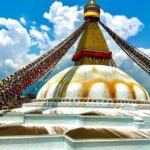
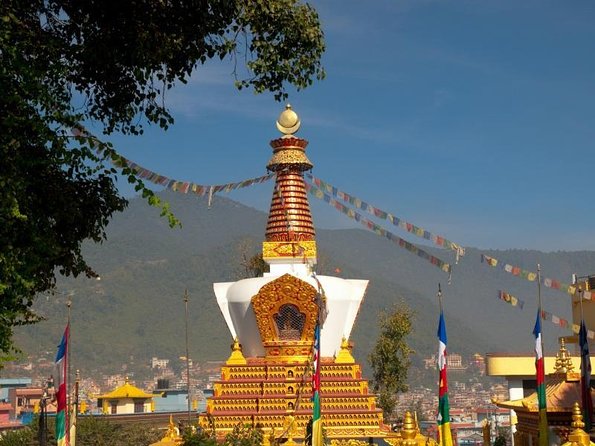
Next up is Boudhanath Stupa, one of the largest and most significant Buddhist stupas in the world and a UNESCO World Heritage Site. This place feels powerful partly because of scale, and partly because of how living it is—pilgrimage and daily practice happen here, not just on special occasions.
You’ll want to look for how people move around the stupa area. The stupa isn’t just a landmark; it’s a focal point for devotion and routine. The experience is very much about attention: watching worshippers, observing prayer practices, and noticing the layers of decoration and symbols.
Practical note: because this is such a major site, crowds can be part of the rhythm. If you’re sensitive to tight spaces, go slow and pick moments to step aside while you read the scene.
Stop 3: Swayambhunath Monkey Temple and the payoff of the hilltop
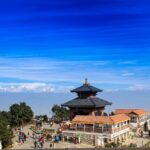
Swayambhunath, also called the Monkey Temple, sits on a hilltop and gives you panoramic views over Kathmandu. That view factor is one of the biggest reasons this stop is popular. You’re not only seeing sacred structures—you’re seeing the city’s shape around them.
The site’s nickname comes from the monkeys you might encounter around the temple areas. That doesn’t mean chaos, but it does mean you should keep your belongings secure and avoid sudden movements when animals get curious.
Because Swayambhunath is on a hill, you should expect stairs and uphill walking. The tour budgets about an hour, which can work well if you pace yourself and focus on the key viewpoints and main temple zones without trying to conquer everything in one go.
Stop 4: Pashupatinath Temple, a major Hindu pilgrimage site by the river
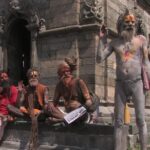
Your final stop is Pashupatinath Temple, dedicated to Lord Shiva and recognized as a UNESCO World Heritage Site. It’s set on the banks of the Bagmati River, and the riverfront setting matters—it shapes how people gather and how the temple feels in use.
This is one of those places where religious practice is front and center. You’ll see visitors coming for devotion, and the site’s setting creates a sense of order and focus even when it’s busy. If you like cultural context, this is a great closing chapter because it connects Kathmandu’s spiritual landscape across communities.
Practical consideration: temple areas are sacred spaces. Dress and behavior matter. Even if the tour guide handles the route, you should still keep your movement respectful and watch for signs and local guidance.
What the guide actually adds (beyond pointing)
A car and driver get you to the sites. The guide is what makes the experience stick in your memory.
With this tour, you’re paying for:
- Site context at each stop (what you’re seeing and why it matters)
- Help with timing so you don’t spend too long getting oriented
- A calmer experience in busy areas, because you’re not guessing which direction to go
In the feedback tied to this operator, Surya comes up as a friendly, welcoming presence who helps people feel comfortable during the journey. The theme is organization: being ready when you need to move, explaining things clearly, and making the day feel smooth even when the city isn’t.
If you’re booking and you have any preferences—like slower pacing, extra time at one stop, or photo-focused routes—this kind of guide-led setup is usually better at adapting within the time window.
Logistics that matter in Kathmandu: meeting point, comfort, timing
You start in Thamel, one of the easiest bases for visitors. Thamel is convenient because it puts you near lots of hotels, restaurants, and travel services. From there, pickup offered keeps you from having to coordinate rides right at the start.
Inside the tour, the big comfort detail is the air-conditioned vehicle and bottled water. Kathmandu can be warm and dusty, and having that built into the tour helps you stay patient rather than cranky.
The route is about momentum. Each stop is roughly an hour, so the day doesn’t drag. If you’re the type who likes to linger, tell your guide early and see if adjustments can be made. With private service for your group, there’s often more flexibility than on rigid shared tours.
Who should book this tour
This works best if you want:
- A first-time Kathmandu experience that hits major sites without stress
- A heritage-and-spiritual day where the guide helps you understand what you’re looking at
- A budget-friendly option that still includes transport, guide, and basic comforts
It’s also a good fit for travelers who don’t want to manage route planning, traffic timing, or last-minute ticket searching between locations.
Who should plan carefully
If you’re sensitive to crowds, uneven surfaces, or stairs, you’ll want to go in with realistic expectations—especially at hilltop sites and temple zones. Also remember that admission tickets aren’t included, so your final budget needs a little buffer.
And if you were hoping for a slow, sit-down sightseeing day with long breaks, four major stops in about five hours may feel packed. This is a “see the highlights” format, not a “half-day nap and people-watch” plan.
Should you book this Kathmandu Sightseeing Tour with Car and Guide?
Yes—if you want a straightforward route connecting Kathmandu Durbar Square, Boudhanath Stupa, Swayambhunath, and Pashupatinath in one efficient day. The value is strongest when you factor in the AC vehicle, bottled water, driver, and guide included in the price.
Book it especially if it’s your first time in Kathmandu and you’d rather spend time at sites than stuck figuring out transport. Just plan for entrance fees since they’re not included, and remember lunch isn’t included either.
If you tell me your travel month and whether you prefer early mornings or later starts, I can suggest how to time temple-heavy sightseeing for comfort.
FAQ
How long is the Kathmandu sightseeing tour?
It’s listed as about 5 hours (approx.), with the route designed around multiple stops.
Where does the tour start?
The tour start is Thamel, and pickup is offered.
Which sites are included in the tour?
The tour includes Kathmandu Durbar Square, Boudhanath Stupa, Swayambhunath, and Pashupatinath Temple.
Is this a private tour?
Yes. It’s described as a private tour/activity, so only your group participates.
What’s included in the price?
Included are an air-conditioned vehicle, bottled water, a driver during the tour, and a professional tour guide (including his remuneration).
Are entrance fees and tickets included?
No. All fees and taxes are not included, and the stops list admission tickets as not included.
Is lunch included?
No. Lunch is not included.
What is the cancellation policy?
You can cancel for a full refund if you cancel up to 24 hours in advance of the experience’s start time.
Is the tour suitable for most travelers?
The info says most travelers can participate, and service animals are allowed.