REVIEW · KATHMANDU
Kathmandu Sightseeing Tour by Private Vehicle
Book on Viator →Operated by Himalayan Social Journey · Bookable on Viator
Kathmandu can feel loud, fast, and confusing. This half-day sightseeing loop keeps you moving efficiently with hotel pickup, A/C comfort, and a local English-speaking driver who explains what you’re looking at.
I really like the included transportation. You get a clean, air-conditioned vehicle plus hotel pickup and drop, which matters in Kathmandu traffic. I also like that the day is built around big, high-meaning stops without turning into an all-day grind.
One thing to consider: entrance fees aren’t included, and the tour is set up as primarily transportation (not a guaranteed dedicated guide). If Patan Durbar Square is your priority, double-check that it’s part of your day’s routing.
In This Review
- Key Things To Know Before You Go
- How This Kathmandu Half-Day Tour Works in Real Life
- Price and Value: What You’re Actually Paying For
- The Morning Pickup That Makes or Breaks Your Day
- Patan Durbar Square: UNESCO Heritage You Shouldn’t Miss
- Swayambhunath (Monkey Temple): Views and Meaning in One Stupa
- Boudhanath Stupa: A Major Center for Tibetan Buddhism
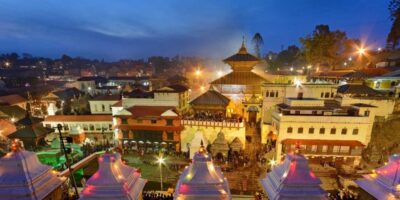
- Pashupatinath Temple: The Big Hindu Landmark That Draws Millions
- The Real Strength: A Driver Who Explains, Not Just Drives
- Timing and Pacing: How to Get the Most From 5–6 Hours
- Who This Tour Fits Best
- Should You Book This Kathmandu Sightseeing Tour?
- FAQ
- How long is the Kathmandu sightseeing tour?
- What time does the tour start?
- Where do you get picked up and dropped off?
- Is transportation included in the price?
- Are entrance fees included?
- Is a tour guide included?
- How big is the group?
- Does it include a mobile ticket?
- What is the cancellation policy?
Key Things To Know Before You Go
- Hotel pickup and drop keeps your morning simple in Kathmandu
- A/C vehicle helps when the day heats up and traffic drags
- Four major cultural stops in 5–6 hours gives you a good first-picture of the city
- Entrance fees are extra, so budget for monument charges at each site
- Small group size (up to 15) means the ride stays manageable
How This Kathmandu Half-Day Tour Works in Real Life
This tour is designed for travelers who want the highlights without spending your whole day coordinating taxis, timing, and route changes. You start in the morning, get collected from your accommodation, and then you move through a concentrated set of religious and heritage landmarks across the Kathmandu Valley.
The format is straightforward: a shared-basis group (small, up to 15), an air-conditioned car, and an English-speaking driver who also helps with context. That combination is exactly what you want on a first visit, especially if your time is limited or you’re tired of making logistics your main activity.
The other big point is pace. The tour runs about 5–6 hours, with about an hour at each of four stops. That doesn’t mean “deep linger time” at every monument. It does mean you get a satisfying overview, with enough time to walk around, take in the atmosphere, and understand why each place matters.
You can also read our reviews of more private tours in Kathmandu
Price and Value: What You’re Actually Paying For
At $60 per person, you’re mostly paying for the vehicle time, pickup/drop, and the convenience of a planned route. The price includes air-conditioned transportation, an English-speaking driver, and hotel pickup and drop.
What’s not included is where you’ll feel the cost add up: monument entrance fees. Each stop has its own charge, and you should assume you’ll pay separately on arrival. Based on reported pricing experiences, foreigners often face entrance fees in the range of roughly 200–1000 Nepali rupees per location, depending on the site.
So the “value math” looks like this:
- You save money versus piecing together multiple rides and figuring out timing.
- You avoid time waste by having a set route.
- You’ll still spend extra for entry fees at each stop.
If you’re trying to do Patan, Swayambhunath, Boudhanath, and Pashupatinath in one day, this pricing can be fair because it compresses four logistics-heavy destinations into one morning plan.
The Morning Pickup That Makes or Breaks Your Day
Start time is 9:15 am, and hotel pickup and drop are included. That single detail can save you stress. In Kathmandu, you don’t just fight distance; you fight timing. When the tour handles pickup, you’re not trying to negotiate a ride while hungry, jet-lagged, or stuck in the local rhythm of traffic.
You’ll be traveling in an air-conditioned vehicle with an English-speaking driver. Even if you’re not expecting a full professional tour guide experience, that driver role still helps. It means you can ask questions on the move and get real explanations instead of just reading signs.
A small note from practical experience: you may be in a sharing basis group. That usually keeps costs down, but it also means you’ll want to stay flexible during the transfer time and be ready for minor timing shifts.
Patan Durbar Square: UNESCO Heritage You Shouldn’t Miss
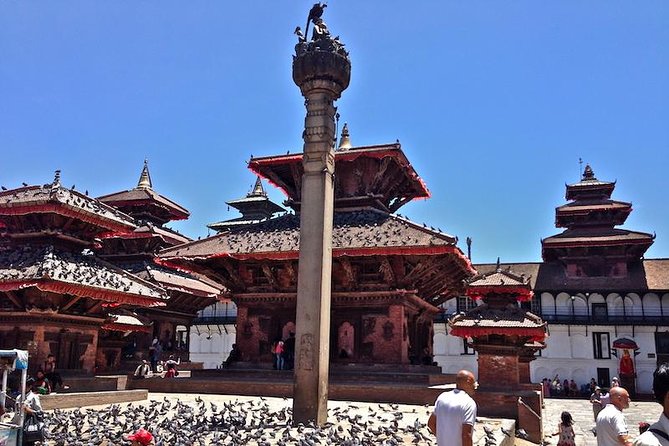
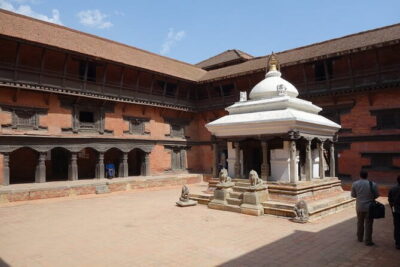
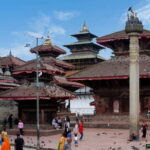
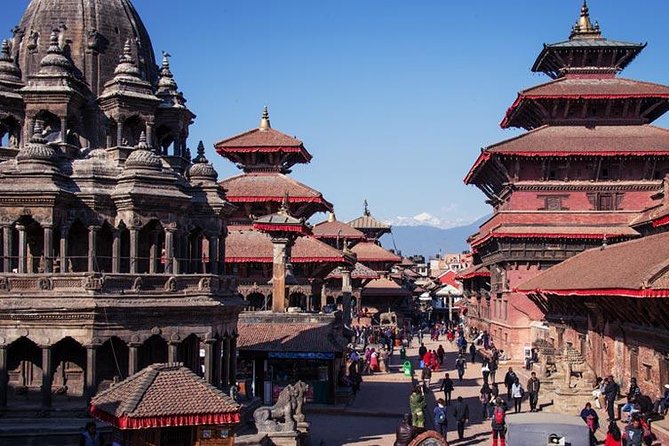
Patan Durbar Square (in Lalitpur) is one of Kathmandu Valley’s three Durbar Squares and part of the UNESCO World Heritage grouping. It’s famous for its concentration of heritage structures around the square, and it gives you a different angle than the Kathmandu sites because it’s rooted in the Lalitpur city center.
What I like about this stop in particular is how it sets a “heritage backbone” for your day. Before you reach the big Buddhist and Hindu landmarks, you get a sense of how the valley’s power, art, and architecture developed around these palace-courtyard spaces.
Time is about one hour here, and that’s enough for a first walk-through and orientation. It’s not enough for a museum-level deep study, so treat this as your orientation anchor: walk, look up at the details you can see quickly, and let your driver guide the meaning behind what you’re seeing.
One important consideration: there’s at least one account of a disappointment when Patan wasn’t possible. If Patan Durbar Square is on your must-see list, confirm that it’s included in your specific day’s routing before you go. That small check can prevent a big letdown.
Swayambhunath (Monkey Temple): Views and Meaning in One Stupa
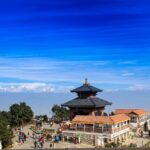
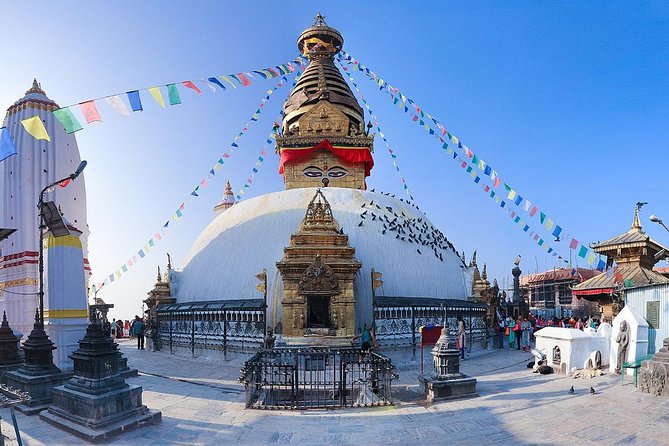
Next up is Swayambhunath, a Buddhist stupa that’s described as approximately 2,600 years old. It’s often called the Monkey Temple, and that nickname connects to the presence of monkeys around the area.
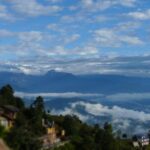
This stop works well as a “break in your itinerary” because it’s not just a building. It’s a viewpoint and a spiritual hub in one place. Swayambhunath looks over the Kathmandu Valley, so even if you’re short on time, you get that instant sense of scale—how the city spreads below and how the landmarks fit into the larger valley.
You’ll get about an hour here. In that time, focus on two things:
- The stupa presence itself, and
- The sweeping sense of what it overlooks.
If you’re worried about the Monkey Temple aspect, don’t panic—just keep small items secure and be mindful in crowded areas. Monkeys are part of the identity here, so it’s worth planning around the reality rather than trying to ignore it.



Boudhanath Stupa: A Major Center for Tibetan Buddhism
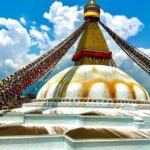
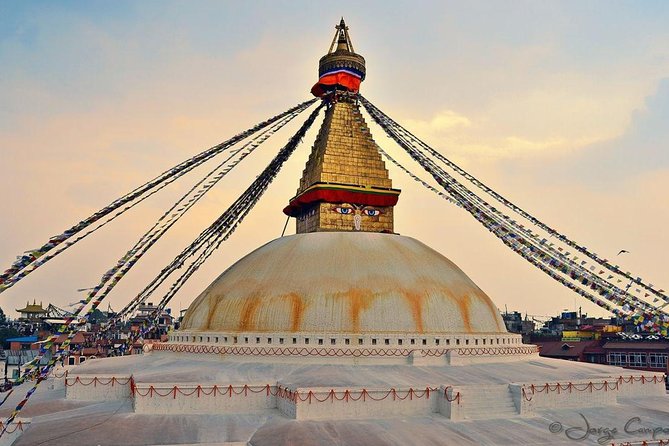
Boudhanath Stupa is one of the largest stupas in the world, and it’s closely connected with Tibetan Buddhist practice. It’s described as constructed back in the 4th century, and it’s treated as a must-visit site for Tibetans.
I like this stop because it shifts your perspective. After walking around Durbar Square and climbing into the Swayambhunath atmosphere, Boudhanath gives you a different spiritual tone: strong, communal, and focused on devotion.
At about one hour, you’ll have time to walk around the stupa area, absorb the steady rhythm of people moving through the space, and understand why it matters. Your driver’s explanations about religious and cultural significance help here, because without context, you might see a monument and miss the living practice around it.
A good way to use your time: don’t try to do everything at once. Pick a comfortable spot to pause, watch movement, and let your understanding click. This is the sort of place where meaning often lands through quiet observation.
Pashupatinath Temple: The Big Hindu Landmark That Draws Millions
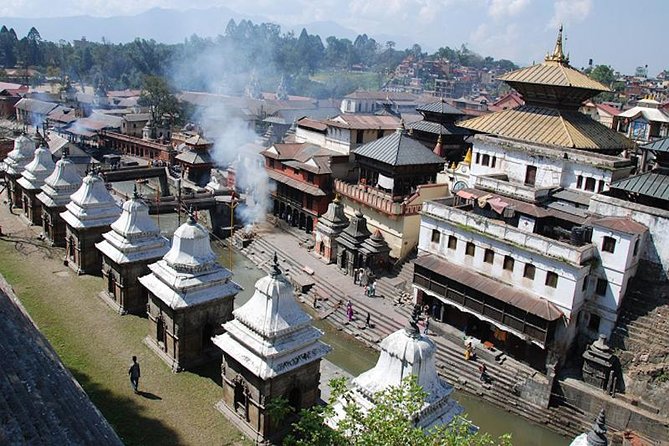
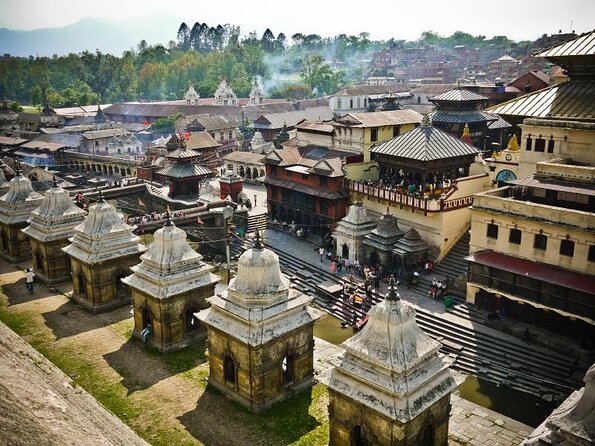
Pashupatinath is one of the legendary Hindu temples of the subcontinent. The name is explained as meaning the god of animal lives, and the temple welcomes millions of visitors every year.
This is the stop that gives your day its scale and intensity. It’s also where you’ll feel the “Kathmandu as crossroads” vibe—multiple faith traditions, huge crowds, and the sense that the city’s religious life isn’t just sightseeing, it’s central to daily identity.
Again, you get about one hour. That’s enough time to experience the space, see the main activity zones, and understand why it’s such a major pilgrimage destination. It’s not enough to study every detail or fully grasp the temple’s layered traditions, but it’s a strong introduction.
If you prefer quieter sites, you might find this one more intense. The good news is that your other stops create balance. By the time you arrive here, you’ve already built context, so it feels less like random chaos and more like a meaningful conclusion to your loop.
The Real Strength: A Driver Who Explains, Not Just Drives
One of the best parts of this style of tour is the “in-between” value. You’re not stuck alone with a route plan. You’re in an A/C car, moving efficiently, while an English-speaking driver provides explanations about religious and cultural significance.
That’s especially helpful in Kathmandu, where places can look similar at a glance—sacred spaces, religious architecture, and heritage courtyards. When someone connects the names to meanings, the stops start to click into place.
Still, it’s wise to set expectations correctly. The tour includes an English-speaking driver, but it doesn’t list a separate tour guide as included. In plain terms: you may get solid talking and context from the driver, but you should not assume a full independent guide experience with deep commentary at every step.
Timing and Pacing: How to Get the Most From 5–6 Hours
The total time is 5–6 hours, and each stop is allocated around one hour. That means:
- You’ll have some walk time at each site.
- You won’t have time to “wander forever.”
- You’ll need to keep moving with your group to avoid falling behind.
The sweet spot is to arrive at each stop with a simple goal:
- At Durbar Square, look for heritage layout and meaning.
- At Swayambhunath, enjoy the stupa and the viewpoint.
- At Boudhanath, slow down and absorb the religious atmosphere.
- At Pashupatinath, focus on the scale and significance.
If you treat the tour like a highlight circuit, you’ll feel satisfied. If you treat it like a slow photography day, you might feel rushed.
Who This Tour Fits Best
This is a great fit if you:
- Want a first-time Kathmandu overview without overthinking transportation
- Are comfortable sharing a small group vehicle
- Prefer a structured morning plan
- Want to visit four major landmarks in one go
It can be less ideal if you:
- Want long, slow stays at only one or two sites
- Need a full dedicated tour guide experience separate from the driver
- Are extremely sensitive to itinerary changes, especially around Patan Durbar Square
Should You Book This Kathmandu Sightseeing Tour?
I’d book it if you want efficient value: pickup and drop, A/C comfort, and a route that hits major heritage and sacred sites in a half day. At $60 per person, the transportation value is the core win, and it’s a smart way to get oriented fast.
I’d hesitate if Patan Durbar Square is your top priority and you’re the type who will be upset if timing or routing shifts. In that case, confirm the stop carefully before you pay, and budget extra for entrance fees so there are no surprises at the gates.
If you like clear structure, short explanations, and a manageable itinerary, this one is a practical way to see Kathmandu’s biggest hits without turning your trip into a logistics project.
FAQ
How long is the Kathmandu sightseeing tour?
It runs about 5 to 6 hours total.
What time does the tour start?
The start time is 9:15 am.
Where do you get picked up and dropped off?
Pickup and drop are included from your hotel in Kathmandu.
Is transportation included in the price?
Yes. The tour includes an air-conditioned vehicle with an English-speaking driver.
Are entrance fees included?
No. Monument entrance fees are not included.
Is a tour guide included?
A separate tour guide is listed as not included. You’ll have an English-speaking driver who provides explanations.
How big is the group?
The maximum group size is 15 travelers.
Does it include a mobile ticket?
Yes, the tour offers a mobile ticket.
What is the cancellation policy?
Free cancellation is available up to 24 hours before the experience starts for a full refund.