REVIEW · KATHMANDU
Journey to Dhunche A Scenic Bus Ride to the Gateway of Langtang
Book on Viator →Operated by Nepal Vehicle Hiring Pvt Ltd · Bookable on Viator
Langtang starts with a bumpy bus day. This Kathmandu to Dhunche bus run treats you to Trishuli River views in the morning and then ratchets up the scenery until snow-capped mountains start stealing the show near the Langtang gateway area. I like the big payoff for the low effort, and the practical stops that keep the trip from feeling like one long grind.
My main caution is simple: expect a rocky, steep-road kind of ride. The road is winding, and even with a careful driver, the bus can feel jolty on turns and hills. That doesn’t ruin it—it just helps to go in with the right expectations.
In This Review
- Key Things You’ll Notice on This Bus Trip
- A Deluxe Bus Ride Toward Langtang’s Gateway
- Price and What $17 Buys You (and What It Doesn’t)
- Kathmandu to Dhunche: Your Day, Hour by Hour
- Departure: Machha Pokhari (7:15 am)
- The River Run: Trishuli Views Start Early
- Climbing Terrain: More Mountain, Less Flat
- Break Stops: Tea, Leg Stretching, and Simple Food
- Arrival: Dhunche Gateway, Ending Near Syapru Besi
- Where This Ride Really Shines: The View-to-Time Ratio
- Comfort on Steep Hills: What to Expect From the Road
- Group Size and How It Affects Your Day
- Who This Trip Is For (and Who Should Rethink It)
- Practical Tips for Making the Most of the Ride
- Should You Book the Kathmandu to Dhunche Bus to Langtang?
- FAQ
- How much does the Kathmandu to Dhunche bus cost?
- How long is the bus ride?
- Where do I meet the bus in Kathmandu?
- What time does the bus depart?
- Where does the trip end?
- What’s included in the ticket price?
- Is food included?
- How big is the group?
- When do I receive confirmation after booking?
- Is this trip refundable if I cancel?
Key Things You’ll Notice on This Bus Trip
- Trishuli River scenery early on: you’ll be looking out of the window for long stretches
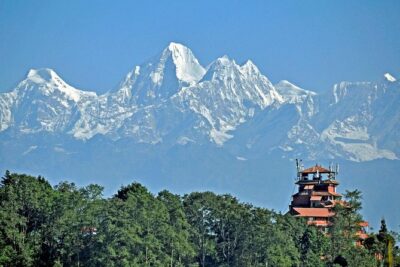
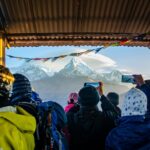
- Snowy peaks later: the mountain view starts small, then gets much better as you climb toward Langtang
- Short break stops: the schedule includes times to stretch and buy simple food or tea
- Small bus group (max 20): you’re not packed into a giant crowd
- Deluxe bus ticket for a low price: good value if you want transport, not extra activities
- Seat and bus numbers provided after booking: helps you find your row fast
A Deluxe Bus Ride Toward Langtang’s Gateway
If you want the Langtang region without committing to a full day hike, a bus day from Kathmandu is one of the cleanest options. The idea is straightforward: you leave the city, follow the river for long stretches, then gradually push into higher terrain where the Himalayas start showing up more clearly.
What makes this ride genuinely interesting is the pacing of the views. At first, the Trishuli River corridor gives you rolling scenery—water, banks, and the day-to-day look of the region. As the hours pass, the hills feel steeper and the air seems like it’s changing, and that’s when the mountain shapes can start appearing in the distance in a way that feels real, not postcard-real.
I also like that this isn’t sold as a fancy tour with a long story on a bus. It’s a working-transport experience with sightseeing baked in. That matters because it keeps your expectations honest: you’re paying for the ride and the chance to see the changing terrain, not for an entertainment program.
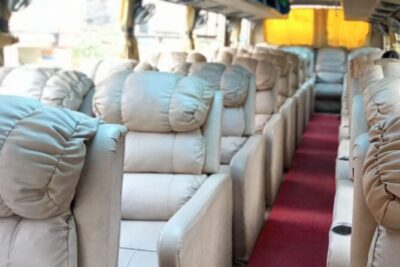
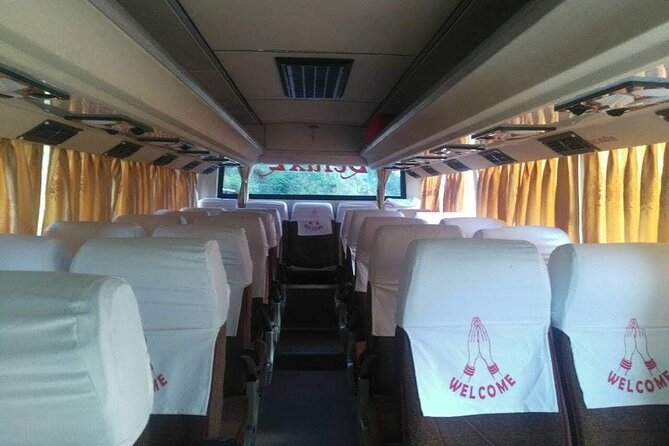
One small detail I really appreciate is the “deluxe bus” framing. That signals you should have a seat you can settle into, rather than a tight, cramped ride that turns every road bump into misery. I can’t promise luxury-level comfort, but the setup is designed to be more comfortable than the most basic options.
You can also read our reviews of more tours and experiences in Kathmandu.
Price and What $17 Buys You (and What It Doesn’t)
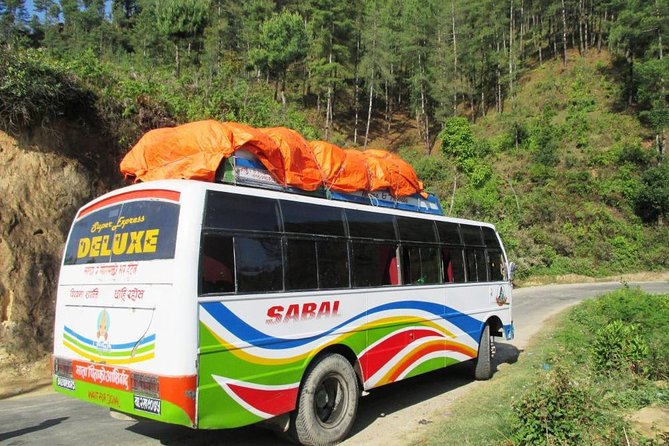
At $17 per person, this trip sits in the “value” zone. You’re paying for transportation from Kathmandu to the Langtang gateway area, with a deluxe bus ticket as the included item. That’s it.
Here’s the practical way to think about the value: if you would otherwise spend money on private transport or pay more for a higher-end guided day, this offers a lower-cost path to the same big goal—getting out of Kathmandu and seeing mountains up close in the same day.
What you shouldn’t expect (because it’s not included) is that someone will cover meals, drinks, or entry fees. The bus ride includes chances to stop for things like tea and a traditional meal, but you’ll be buying those yourself.
So the “value math” is: you pay low for the ride, then spend a bit on snacks and lunch if you want them. If you’re the type who brings water and simple snacks, you can keep costs down even more.
Kathmandu to Dhunche: Your Day, Hour by Hour
The schedule is built around a morning start. You meet at Machha Pokhari, Ring Rd, Kathmandu and depart at 7:15 am. The full ride time is about 8 to 9 hours, depending on traffic and road conditions.
Departure: Machha Pokhari (7:15 am)
You’ll start from Machha Pokhari on Ring Rd. This is a convenient departure point because it’s in the Kathmandu network where you can actually get there without a complicated plan.
Once you book, you should receive the key details you need to show up confidently—like the bus number and seat number, plus the reporting and departure timing. That saves you from the classic headache of standing around guessing which vehicle is yours.
The River Run: Trishuli Views Start Early
After departure, the trip settles into a long stretch of winding roads that trace the Trishuli River. This is the part of the day where you can really earn your sightseeing time. The river corridor tends to give you frequent “look out the window” moments, especially when the road runs close enough for the scenery to feel immediate.
If you like travel that mixes motion and scenery, this section is your sweet spot. You’re not sitting still. You’re moving through the real surroundings of Nepal, and the river keeps giving you a visual anchor while the broader hills roll by.
Climbing Terrain: More Mountain, Less Flat
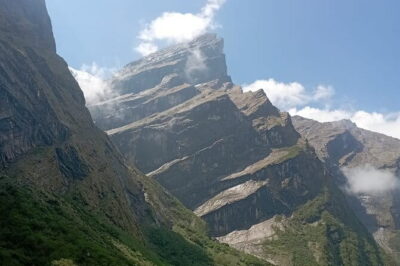
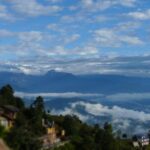
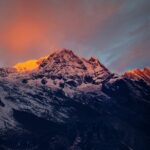
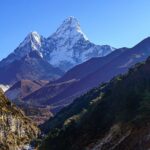
As you progress, the scenery shifts. The road climbs, and the view starts to open up more. This is where passengers often start turning their phones off and just looking. You may notice Himalaya shapes in the distance first, then clearer silhouettes later as altitude and angle do their work.
One practical note: when the bus heads into steeper stretches, the ride can feel more intense. That’s normal here. Based on real-world comments people have shared from this route, the driver’s skill matters—people notice how safely the bus handles those steep hills and corners.
Break Stops: Tea, Leg Stretching, and Simple Food
The bus makes a few stops during the ride. These aren’t elaborate pit stops. Think of them as scheduled moments to:
- stretch your legs
- use restroom facilities if available
- grab a drink or a quick bite
The information for the ride specifically points to simple roadside experiences, like tea at a roadside tea stall, and a chance to enjoy a traditional Nepalese meal during the journey.
That’s more than a minor convenience. These short breaks are what keep a long road trip from turning into a single, exhausting block of time. They also help you experience the region in a low-pressure way—just enough local texture without forcing you into a detour.
Arrival: Dhunche Gateway, Ending Near Syapru Besi
Here’s a detail to double-check when you’re planning your onward travel: the route is described as reaching Dhunche, the gateway to Langtang National Park, but the listed end point is Syapru Besi.
In real terms, that likely means you’ll be dropped in the Langtang area where you can connect to the next leg of your plan. But if your next activity depends on exact location—like a trek start, a hotel, or a shuttle—you’ll want to confirm your drop-off point with the operator when you receive your booking details.
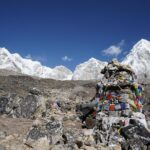
The mountain payoff tends to land right around this final portion of the ride. Even if you missed some of the distant peaks earlier, the approach to the gateway area is where those views become the highlight.
Where This Ride Really Shines: The View-to-Time Ratio
Some transport days are “just get there.” This one does better. The reason is the view-to-time ratio: as the hours roll on, you’re not only moving forward—you’re also watching the scenery change in a way that feels earned.
I especially like the two-stage scenery: river first, mountains second. It keeps the drive from feeling repetitive. If you only care about mountains, you might think you’ll have to wait all day. But the river corridor gives you something to watch right away, and that makes the eventual big peaks feel like a reward, not a late disappointment.
Also, I like that the bus experience includes breaks that let you taste everyday travel rhythms—roadside tea, simple meals, and the feeling of moving with local schedules instead of imposing your own.
Comfort on Steep Hills: What to Expect From the Road
This route is not a smooth highway cruise. It’s steep, winding, and bumpy in spots. One of the comments people make about this trip is how the driver handles the hills. Even when the ride feels rough, a skilled driver can keep you safe and moving confidently through the turns.
So what should you do with that information?
- Sit where you get the best view if you can (ask when you pick your seat details, since seat assignments are provided after booking).
- Plan for some motion. If you’re prone to nausea on curvy roads, bring what helps you.
- Leave yourself mentally room for the ride to feel more physical than you’d expect from a “city to nearby area” bus.
Also, remember the schedule is approximate—8 to 9 hours depends on traffic. That means you should treat the day as a long transport block with sightseeing opportunities, not as a tightly timed sightseeing itinerary.
Group Size and How It Affects Your Day
This trip runs with a maximum of 20 travelers. That’s a meaningful detail. It usually means less chaos at stops, fewer people fighting for limited space during bathroom breaks, and an easier time settling into your seat.
It also tends to make it simpler if you’re traveling solo. You’re not joining some huge crowd with complicated dynamics. You’ll still share the experience, but it stays manageable.
I also like that the bus is marketed with seat and bus numbers. That reduces the stress of figuring things out at the last minute.
Who This Trip Is For (and Who Should Rethink It)
This bus ride works best for people who want:
- a budget-friendly way to reach the Langtang gateway area
- scenery during a single day with minimal planning
- a day trip style transport option rather than a multi-day plan
It’s also a good fit if you like the middle ground: you want some authentic moments (roadside tea, local meal stops, river views) but you don’t want to spend half your day coordinating transfers.
It might not be the best fit if:
- you need very smooth, comfortable transport (the road can be bumpy)
- you have tight timing constraints for a specific trek start and can’t risk slight delays
- you dislike curvy, steep roads even when the driver is careful
Practical Tips for Making the Most of the Ride
You’ll enjoy this more if you plan for the realities of a mountain road day.
- Bring layers. Even if Kathmandu feels warm, the temperatures can shift as you climb.
- Use the stop times. The tea and meal breaks aren’t just for eating—they’re your chance to reset.
- Expect window time. The best views often come when you’re settled and looking out, not when you’re scrambling for movement inside the bus.
- Confirm your drop-off location details after booking. Since the route name emphasizes Dhunche but the end point is listed as Syapru Besi, your next connection depends on the exact drop.
None of this is dramatic. It’s just good planning that keeps the day relaxing instead of stressful.
Should You Book the Kathmandu to Dhunche Bus to Langtang?
Yes, you should book it if your main goal is to get from Kathmandu into the Langtang area for cheap, with river scenery and a real chance at snowy mountain views by the end of the day. The price-to-experience ratio is strong, especially if you’re okay with a bumpy mountain-road feel.
Skip it—or at least reconsider—if you’re extremely sensitive to rough roads or you have an onward plan that absolutely requires arriving at an exact point without any variation. In that case, you’ll want to confirm where you’re dropped and how much the traffic could affect your timing.
If you’re flexible, this is one of those straightforward transport experiences that turns into a memorable view day.
FAQ
How much does the Kathmandu to Dhunche bus cost?
It costs $17.00 per person.
How long is the bus ride?
Plan on about 8 to 9 hours, depending on traffic conditions.
Where do I meet the bus in Kathmandu?
The start point is Machha Pokhari, Ring Rd, Kathmandu 00977, Nepal.
What time does the bus depart?
The start time is 7:15 am.
Where does the trip end?
The end point is listed as Syapru Besi 45000, Nepal.
What’s included in the ticket price?
The deluxe bus ticket is included.
Is food included?
No. The ticket includes the bus ride only. However, the trip includes stops where you can buy things like tea and a traditional Nepalese meal.
How big is the group?
The maximum number of travelers is 20.
When do I receive confirmation after booking?
Confirmation is received at the time of booking.
Is this trip refundable if I cancel?
No. It is non-refundable and cannot be changed for any reason.
If you tell me your onward plan (trek start, hotel location, or next transport), I can help you sanity-check whether Syapru Besi is the right drop-off point for your timing.