REVIEW · KATHMANDU
Kathmandu Highlights: Private UNESCO World Heritage Sites Tour
Book on Viator →Operated by Breakfree Adventures Pvt. Ltd. · Bookable on Viator
One day in Kathmandu that mixes temple-grade detail with real walking can feel rare. This private route pairs panoramic Nagarkot-to-Changunarayan views with a guide who helps you connect what you see to what it means, then keeps going with major UNESCO monuments across the valley. I especially like the hotel pickup and the way the plan turns a hard-to-organize day into a smooth one. One thing to consider: the monument entry fees are not bundled into the base price, so your final total depends on how many UNESCO sites you cover.
The timing also matters. The day can run about 5 to 10 hours because it stacks a hike plus multiple stops, and it calls for moderate fitness and comfortable shoes. The good news is that you get a packed lunch and bottled water, plus a private vehicle in air conditioning for the transfers between sights.
In This Review
- Key highlights worth planning for
- Nagarkot to Changunarayan: a hike that changes the pace of Kathmandu
- Changunarayan Temple: the UNESCO stop you’ll remember
- Kathmandu Valley Durbar Squares: what you get with a private guide
- Kathmandu Durbar Square (historic palace complex)
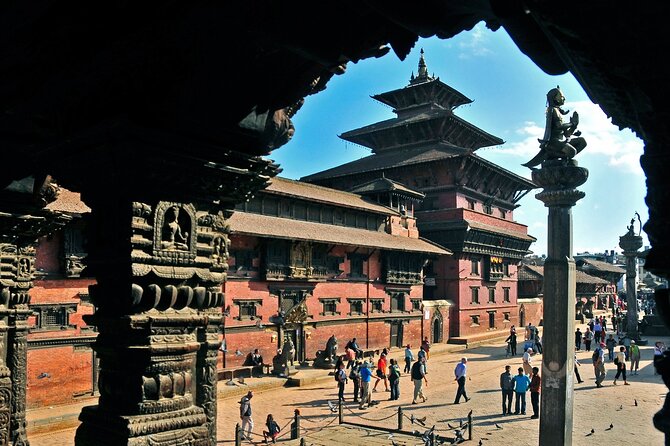
- Patan Durbar Square (Lalitpur)
- Bhaktapur Durbar Square
- Boudhanath, Swayambhu, and Pashupatinath: Hindu and Buddhist centers in one day
- Boudhanath Stupa
- Swayambhunath
- Pashupatinath Temple
- Private guide + air-conditioned vehicle: why it makes the UNESCO day easier
- Price and the real cost of UNESCO tickets in Kathmandu
- How long is this day, really? Timing and photo strategy
- What to bring (and what to skip) for this Kathmandu UNESCO day
- Who this private UNESCO tour is best for
- Should you book Kathmandu Highlights: Private UNESCO World Heritage Sites Tour?
- FAQ
- How long is the Kathmandu UNESCO private tour?
- Is this tour private or shared with other people?
- Do you get hotel pickup and drop-off?
- Is transportation provided, and is it air-conditioned?
- What’s included in the tour price?
- Are entrance fees to UNESCO sites included?
- Is lunch included?
- Do I need a certain fitness level?
- What should I wear or bring?
- Can I cancel and get a full refund?
Key highlights worth planning for
- Nagarkot views + a guided hike through small villages, not just photo stops
- Changunarayan Temple (UNESCO) focused time for an ancient Vishnu temple near Bhaktapur
- A tight UNESCO loop that can include Durbar Squares, major stupas, and a flagship Hindu pilgrimage site
- Private, English-speaking guide plus hotel pickup/drop-off by vehicle
- Entrance fees are separate, so confirm the UNESCO site count before you pay onsite
- Private tour for your group only, with a mobile ticket issued for convenience
Nagarkot to Changunarayan: a hike that changes the pace of Kathmandu
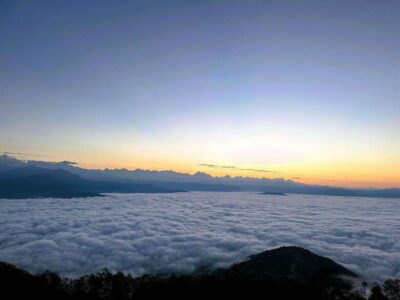
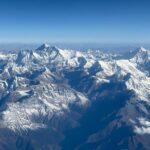
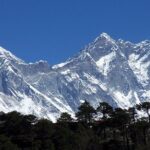
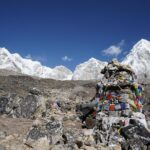
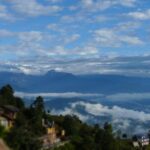
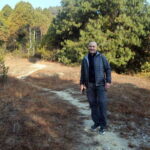
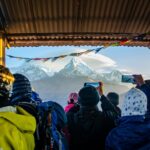
I like starting this kind of day outside the city core, because it reminds you Nepal is more than monuments. The tour begins with a scenic drive to Nagarkot, then you pick up the trail toward Changunarayan. Even if you are not training for a trek, this is the part that gives the day its heartbeat: you move, you breathe, and you look up at the Himalayan panorama when conditions cooperate.
The hiking is described as about a 5-hour tour in total for the Nagarkot to Changunarayan portion, and the route is meant to pass through small villages. That matters. In many Kathmandu itineraries, you get very good architecture talks and very little village reality. Here, you get a chance to see daily life at a human scale—homes, lanes, and the rhythms of people who live far from the souvenir stalls.
Fitness-wise, the tour asks for moderate physical fitness. That usually translates to a steady walking pace rather than technical scrambling, but you should still plan for uneven ground and steps. Bring comfortable shoes because you will be on your feet for long stretches. If you dislike hills or know you tire fast, this is where you need to be honest with yourself before booking.
You can also read our reviews of more private tours in Kathmandu
Changunarayan Temple: the UNESCO stop you’ll remember
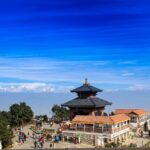
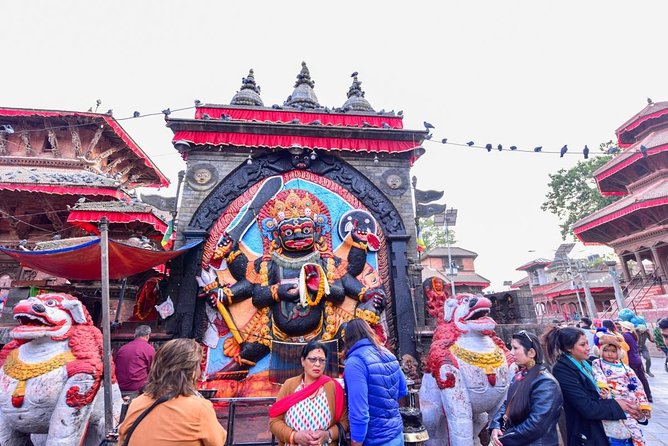
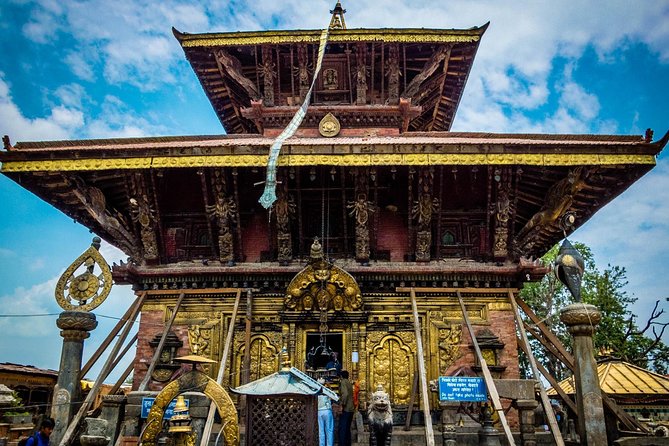
Changunarayan Temple, also spelled Changu Narayan, is the historical anchor of the day. It’s an ancient Hindu temple dedicated to Lord Vishnu, and it’s positioned closer to Bhaktapur than central Kathmandu. The visit is scheduled for about 30 minutes, with admission listed as free in the itinerary segment.
What makes this stop valuable isn’t only that it is UNESCO. It’s that it connects the hike to the big-city monuments you’ll see later. You start walking through everyday Nepal, then you step into a site where religion, artistry, and history overlap. With a private guide, you can ask the practical questions too: Why Vishnu here? What architectural details indicate age and patronage? How do people use this space today?
If you care about context—how a temple sits in a living cultural landscape—this is one of the most satisfying parts of the itinerary. It also helps you avoid the common problem of UNESCO overload, where every monument becomes the same blur of stone.
Kathmandu Valley Durbar Squares: what you get with a private guide
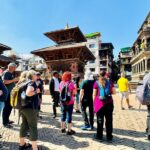
The Kathmandu Valley Durbar Squares can look similar on paper, but they don’t feel identical when you stand there. This day visits several major sites tied to former royal centers and Newar artistry, and the guide’s role is what makes the differences click.
Kathmandu Durbar Square (historic palace complex)
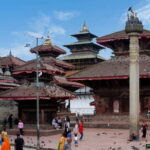
There are two Kathmandu-related palace complexes listed in the stop plan. One segment is the historic palace complex of Nepal’s former kings, with 30 minutes and admission listed as free for that stop. This kind of site is where courtyards, temple forms, and traditional architecture all sit in the same view—so it’s easier to understand how power and faith were physically intertwined.
Patan Durbar Square (Lalitpur)
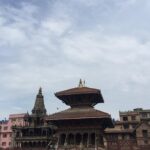
Patan (in Lalitpur) is known for its Newar architecture, artistic temples, and the ancient royal palace area. The stop length is also 30 minutes, but the itinerary marks entry as not included here. Even with limited time, the private format helps because you can focus on the specific details your guide points out, rather than trying to interpret everything alone while traffic and crowds do their thing.
You can also read our reviews of more historical tours in Kathmandu
Bhaktapur Durbar Square
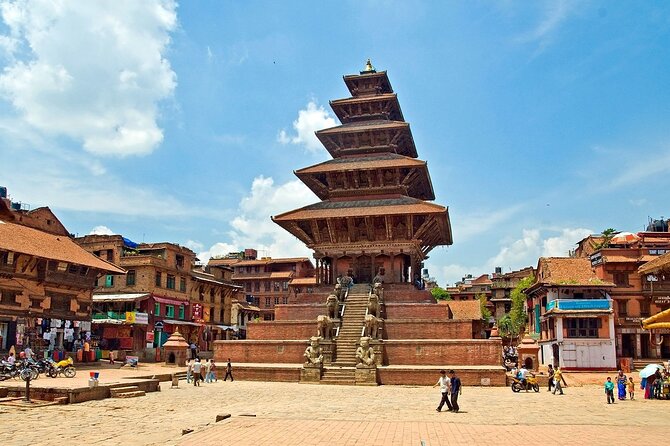
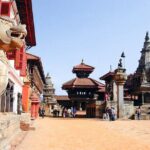
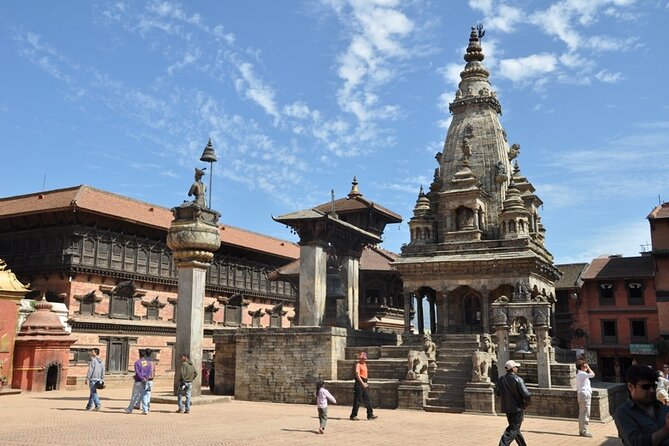
Bhaktapur’s Durbar Square is described as a well-preserved medieval city square with palaces and pagoda-style temples. This one is also slotted for 30 minutes, with entry not included in the listed segments. The big value here, for me, is that Bhaktapur often feels more intact than many other places—so you can better imagine how a city center functioned before modern development reshaped daily movement.
The practical takeaway: these Durbar Squares are time-efficient, but they still require attention. You’ll be looking at details—carvings, temple forms, stonework—so if you prefer minimal walking and maximum scenery, keep your expectations realistic. A private guide is what turns short visits into understanding.
Boudhanath, Swayambhu, and Pashupatinath: Hindu and Buddhist centers in one day
This tour also swings into the big spiritual heavyweights of Kathmandu Valley, and that contrast is one of the reasons it works. You get Buddhist sites with active ritual life and then you shift into major Hindu pilgrimage space—all with guide context and transport between far-apart corners.
Boudhanath Stupa
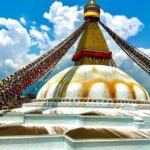
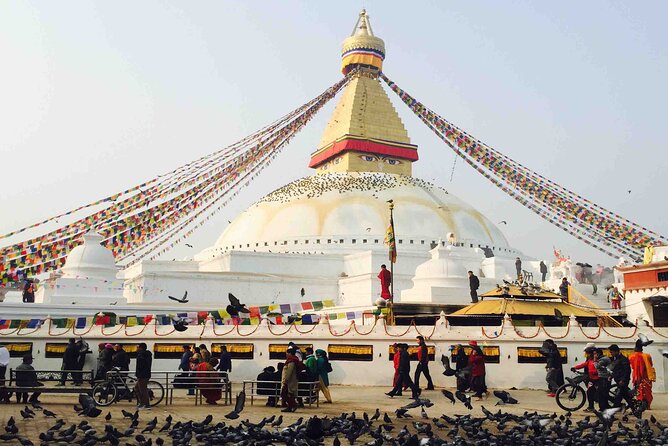
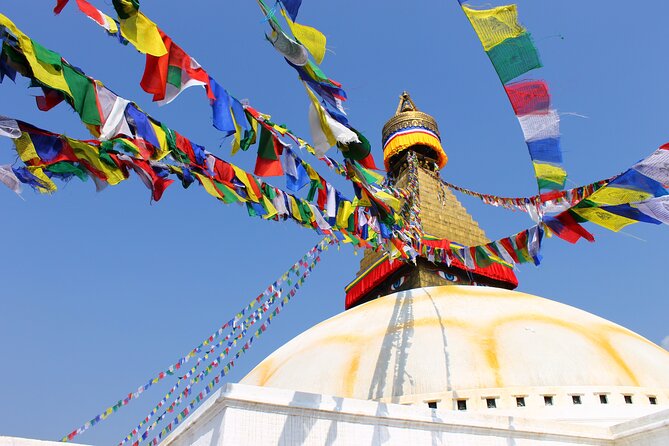
Boudhanath Stupa is listed as one of the largest Buddhist stupas in the world, described as a center for Tibetan Buddhism with vibrant religious rituals. The stop is 30 minutes, and entry is listed as not included. If you like to watch how worship happens—people moving, chanting, circumambulating—you’ll likely find this stop absorbing. The stupa’s scale also makes it easier to grasp why it became such a major spiritual hub.
Swayambhunath
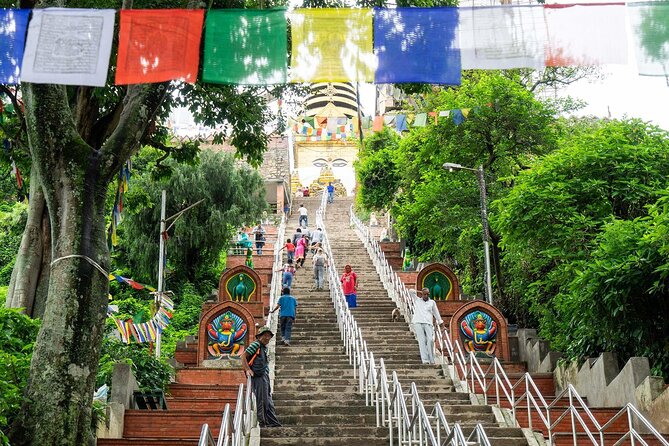
Swayambhunath is an iconic hilltop stupa with panoramic views of Kathmandu and sacred Buddhist sites. It’s scheduled for 30 minutes with free admission listed for that stop. The view component is a real payoff here. Even if clouds block distant mountains, you still get a sense of Kathmandu Valley’s shape and how the city spreads around sacred points.
Pashupatinath Temple
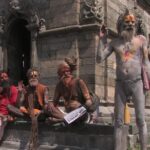
Pashupatinath is the major Hindu temple on the Bagmati River, famous for its cremation ghats and religious ceremonies. This is listed for 30 minutes, with entry not included. Pashupatinath is not a casual sight. It’s a working religious place, and the rituals are part of what you’re seeing—not a performance for tourists. If you’re sensitive to that, I’d still say go. Just mentally prepare for solemnity rather than sightseeing vibes.
Private guide + air-conditioned vehicle: why it makes the UNESCO day easier
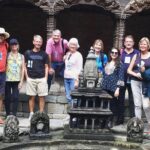
This tour is private, meaning it’s for your group only, not mixed with strangers. That single detail can make a long UNESCO day feel sane. You control the pace of questions, you can focus on your interests (temples vs. art details vs. everyday village life), and you’re not stuck waiting for a slower group or getting rushed by someone else’s agenda.
You also get hotel pickup and drop-off by a private vehicle and air conditioning, which is a big deal in Kathmandu traffic. The itinerary involves multiple zones across the valley, and without transport support you’d lose time negotiating rides or figuring out routes between sites.
A few practical perks matter too:
- Professional English-speaking guide (not just a driver who points)
- Packed lunch and bottled water included (so you’re not stuck hunting food mid-day)
- A mobile ticket, which tends to reduce last-minute hassle
Guide names you might come across include Mukesh Shah and Subash, who were highlighted for being friendly, cooperative, and able to explain history and spirituality in a way that makes the monuments feel less like random stone. Your experience will depend on the guide you’re assigned, but these examples show the kind of interpretation that’s possible on this route.
Price and the real cost of UNESCO tickets in Kathmandu
The base price is listed at $49.50 per person, and that number includes several things: the private guide, pickup/drop-off, private air-conditioned transportation, and taxes/service charges. For a day that covers multiple UNESCO sites, that’s a reasonable entry point—especially if you’re comparing it to hiring separate private guides for each stop.
Here’s the catch: monument entry fees are not included. The tour data provides two pricing possibilities:
- NPR 2600 for 4 UNESCO sites
- NPR 6000 for 7 UNESCO sites
That difference can be significant. One guest flagged that adding the 7-site entrance fees pushed the total up by around US$50 per person compared with what they expected, and that’s a classic travel-budget trap. The fix is simple: before the day starts, ask your guide or operator exactly which UNESCO site count your itinerary is charging for, so there are no surprises at the ticket desk.
Also note that gratuities for guide and driver are not included. That doesn’t mean you must tip a fortune; it just means you should budget something if you want the experience to feel fully appreciated. If you’re on a tight budget, plan a small tip amount ahead of time.
Bottom line on value: the base price covers the hard parts to organize—transport, guide time, and getting you between sites. Your biggest variable cost is entrance fees.
How long is this day, really? Timing and photo strategy
Duration is listed as 5 to 10 hours. That wide range is your clue that the tour can flex based on the hike pace, traffic, and which sites are included in your final UNESCO ticket bundle.
Most stops are timed at about 30 minutes, which is enough for orientation and a few focused views if you move efficiently. The hike portion is the longer “chunk” that sets your energy level for the rest of the day. If you want the best photos, start thinking in sequences:
- Shoot the temple details early while you’re fresh.
- For stupa stops, plan on a little extra time for watching rituals rather than only taking pictures.
- Save your skyline-type photos for Swayambhunath, since it’s the hilltop viewpoint.
Light can shift quickly, and Kathmandu traffic can add unpredictability. The private vehicle helps, but it won’t erase the reality of city streets. If you hate uncertainty, go with the tour anyway—it gives you structure—just expect the day to run as one long continuous outing rather than a quick drop-in.
What to bring (and what to skip) for this Kathmandu UNESCO day
Since the day includes a hike and multiple monument walks, your packing list is straightforward.
Bring:
- Comfortable shoes (non-negotiable)
- A light layer (temple areas can feel cool or windy)
- Any personal snacks you like, even though lunch is included
Skip the heavy stuff. You don’t need a full daypack for a packed lunch and bottled water situation, and carrying extra weight on a hike can sap your stamina.
If you’re traveling solo, this is also an advantage. Private guide time lets you ask questions that you might otherwise skip. If you’re with family, note the minimum age is 3 years, and you should be realistic about the hiking and total time outdoors.
Who this private UNESCO tour is best for
I’d recommend this tour if you want a guided day that handles both interpretation and logistics. Specifically:
- First-timers in Kathmandu who want UNESCO sites organized in a single route
- People who care about context—why a temple exists, what symbols mean, how Hindu and Buddhist sites differ in practice
- Travelers who prefer private pacing over crowd management
- Solo travelers and couples who don’t want to waste time piecing together rides and entry stops
It’s a weaker fit if you:
- Hate walking and prefer short, minimal movement sightseeing
- Need a strictly short schedule, since the day can run up to 10 hours
- Are on a budget that can’t handle separate entrance fees
Should you book Kathmandu Highlights: Private UNESCO World Heritage Sites Tour?
If you’re the type of traveler who likes seeing the obvious UNESCO icons but also wants them explained in plain human terms, this is a strong booking. The base price gives you the guide and transport structure, and the hike adds a layer that most city-only tours can’t offer.
My booking advice comes down to two checks:
- Confirm the entrance fee tier you’ll be paying (NPR 2600 for 4 UNESCO vs NPR 6000 for 7 UNESCO). It changes the real cost.
- Be honest about your walking tolerance. The tour expects moderate fitness and comfortable shoes, plus a long day.
Do those two things right, and you’ll come away with a Kathmandu Valley day that feels connected: from village paths to UNESCO temples, from Buddhist stupas to Hindu ritual space.
FAQ
How long is the Kathmandu UNESCO private tour?
It’s scheduled for about 5 to 10 hours, depending on timing and the walking portion.
Is this tour private or shared with other people?
It’s a private tour. Only your group will participate.
Do you get hotel pickup and drop-off?
Yes. Hotel pickup and drop-off are included.
Is transportation provided, and is it air-conditioned?
Yes. You’ll travel by private vehicle with air conditioning.
What’s included in the tour price?
The tour includes a professional English-speaking guide, hotel pickup/drop-off, private air-conditioned transportation, and taxes/service charges.
Are entrance fees to UNESCO sites included?
No. Monument entry fees are not included. The tour lists NPR 2600 for 4 UNESCO sites and NPR 6000 for 7 UNESCO sites.
Is lunch included?
Yes. The day includes a packed lunch and bottled water.
Do I need a certain fitness level?
The tour recommends travelers have moderate physical fitness level, since there is a hiking component.
What should I wear or bring?
Comfortable shoes are recommended, especially for the hiking portion.
Can I cancel and get a full refund?
Yes. You can cancel for free up to 24 hours in advance for a full refund.