REVIEW · KATHMANDU
All Nepal Tour
Book on Viator →Operated by Above the Himalaya Trekking · Bookable on Viator
Temples, jungle, and mountain views in one loop. The All Nepal Tour stitches together Kathmandu, Pokhara, Chitwan, and Lumbini with guided sightseeing and organized travel days, so your energy stays on people, places, and the views instead of logistics.
I love how much is handled in advance: airport/hotel transfers, hotel stays with breakfast, and guided time in Kathmandu, Lumbini, and Pokhara with an expert guide and a private vehicle. I also like the Chitwan component because the nature guide, jungle program, and jungle permit are included. One consideration: your day-to-day spending can still add up since lunches/dinners in Kathmandu, Lumbini, and Pokhara and many sightseeing entry costs are not listed as included.
In This Review
- Key highlights at a glance
- The Big Picture: Why This Nepal Route Works
- Kathmandu: Temples, Markets, and a Real-World Daily Pace
- Pokhara: Mountain-View Time Without Needing to Hike
- Chitwan Jungle Day: Nature Guide and Permit Included
- Lumbini: Guided Culture Stop With the Right Kind of Structure
- Transportation and Timing: Private Van Comfort Meets Local Movement
- Price ($1,290) and Real Value: What You’re Actually Paying For
- Weather Guide: Choose Months That Treat Your Eyeballs Kindly
- Who This Tour Fits Best (and Who Might Want to Rethink)
- Should You Book the All Nepal Tour?
- FAQ
- What cities are included in the All Nepal Tour?
- How long is the tour?
- Is pickup offered?
- Are mobile tickets included?
- What’s the group size limit?
- What transportation is used between cities?
- What weather should I expect during the trip?
- Do I need a visa for Nepal?
- What documents should I bring?
- What’s included for Chitwan?
- Is travel insurance required?
Key highlights at a glance
- Four core regions in one trip: Kathmandu, Pokhara, Chitwan, and Lumbini
- Guided sightseeing with local know-how: Kathmandu, Lumbini, and Pokhara are guided
- Chitwan is not a mystery box: jungle program, nature guide, and permit included
- Comfort-first travel rhythm: hotels throughout with breakfast and planned transfers
- Small group size: maximum 15 travelers
- Weather matters here: September–November tends to be clearer, winter can be cold
The Big Picture: Why This Nepal Route Works
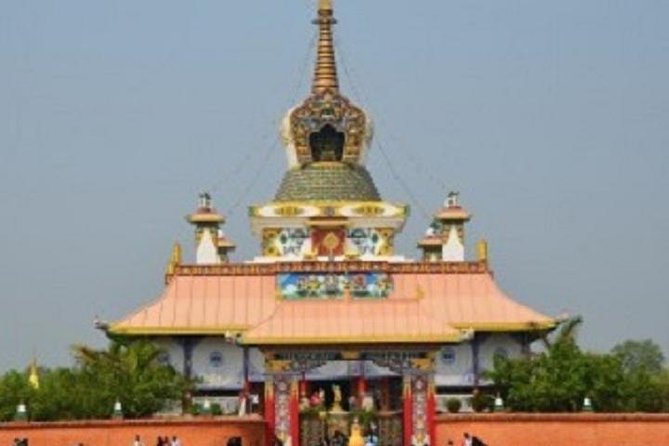
This tour is designed for people who want a strong Nepal sampler without committing to a trek. You’re covering religion and culture in Kathmandu and Lumbini, scenic mountain country around Pokhara, and then the animal-and-river feel of Chitwan’s jungle program.
What I find smart is how the itinerary balances “look” time and “do” time. You get guided sightseeing, but you’re also given at least one day where the focus is on moving through the Chitwan nature setting rather than just checking off sights. If you want a trip that feels full but not chaotic, this kind of structure is usually a good match.
You can also read our reviews of more tours and experiences in Kathmandu.
Kathmandu: Temples, Markets, and a Real-World Daily Pace
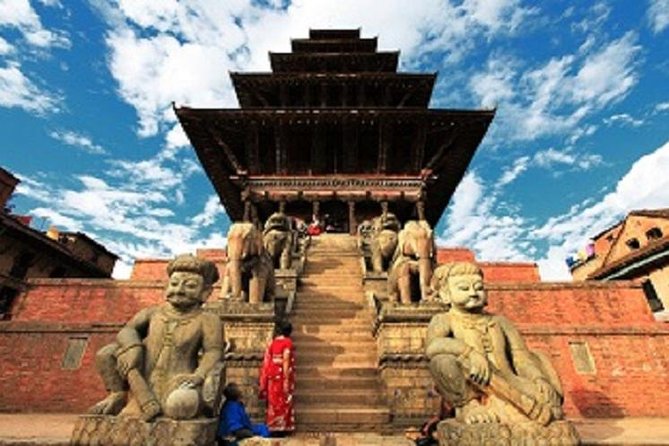
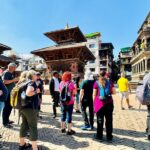
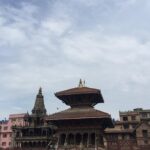
Kathmandu is where the tour starts its cultural story. You’ll have a guided tour in Kathmandu, using a private vehicle, which matters because traffic and route planning can be a headache when you’re on your own.
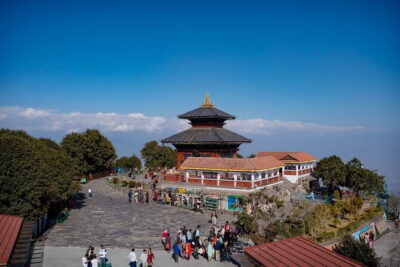
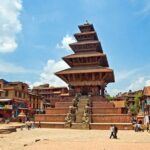
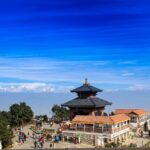
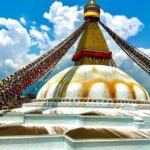
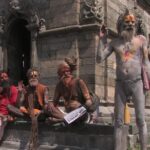
The Kathmandu program is aimed at classic religious and cultural highlights—old temples, a world heritage stop, and everyday life you can actually see in motion. Based on what’s been shared about past Kathmandu guiding (including a friendly, knowledgeable guide named Ajay), the best version of this day is the one where you slow down enough to ask questions rather than just take photos. Temples like Pashupathi Nath Temple and Swayambhunath Temple are the kind of places where a guide’s context helps you understand what you’re seeing (and what you should be respectful about). Budhanilkanta Temple also shows up as a stop in Kathmandu-focused planning.
Practical tip: Kathmandu is busy and sometimes crowded around major temples. Wear shoes you can walk in for a while, and keep layers handy—religious sites often mean you’ll be standing and moving on uneven steps.
Pokhara: Mountain-View Time Without Needing to Hike
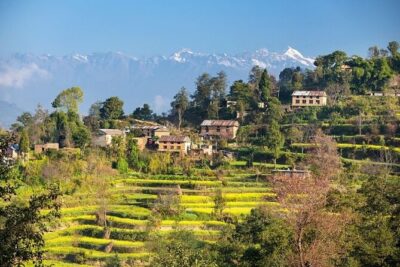
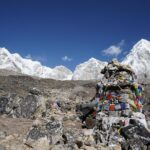
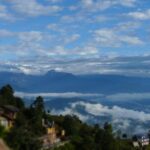
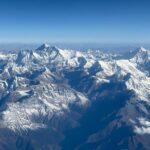
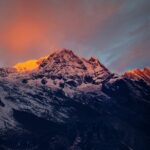
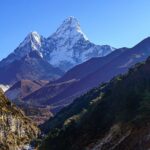
Pokhara is the decompression chapter of the trip. The overview calls out the Annapurna Range scenery, and that’s the reason Pokhara is such a popular stop: you can enjoy big-mountain views without signing up for altitude or multi-day trekking.
The tour includes a guided tour in Pokhara. That’s useful because it helps you spend time where the views are best and you don’t miss the simple stuff that first-timers often overlook (like the viewpoints and the areas where people actually gather). If you’re traveling in a warmer month, you’ll feel this city’s comfort more—walking around feels easier than in colder winter days.
A drawback to plan around: you’re not in full control of pacing. Since this tour is built around scheduled transportation between cities, you’ll be moving on fixed days whether conditions are perfect or not. If you’re hoping for maximum clear-sky view time, your best bet is choosing your dates with the weather section below in mind.
Chitwan Jungle Day: Nature Guide and Permit Included
Chitwan is where this tour changes gears. Instead of more temple stops, you get a jungle program with a nature guide, plus the jungle permit handled for you. That’s a big deal in practical terms: permits and regulated access aren’t something you want to scramble over on arrival.
Chitwan’s appeal is the mix of forest feel and wildlife-focused atmosphere. The overview even describes the area as a vast fertile forest, and the tour packages it into a guided experience rather than leaving you to guess what to do.
What to consider: Chitwan is weather-sensitive. If you go during the rainy period, you can expect the day to be wetter and sometimes muddy, and your comfort level will depend heavily on wearing grippy footwear. The good news is that the tour handles the permit and program logistics, so you’re mostly thinking about comfort and timing rather than paperwork.
Lumbini: Guided Culture Stop With the Right Kind of Structure
Lumbini is included with a guided tour and transportation arranged in the route. The benefit of having it guided is simple: these kinds of cultural and religious sites can be meaningful, but they’re also easy to misunderstand if you’re just reading signs and moving on.
You’ll travel to Lumbini as part of the overall flow, using tourist/local bus for this segment. That can be slower than flights, but it also keeps the experience grounded—this is the style of travel that helps you see how places connect.
Small practical note: you’re likely to be walking some distance on site, and the tour includes hotel time with breakfast, which helps you start the day with energy rather than rushing straight into sightseeing.
Transportation and Timing: Private Van Comfort Meets Local Movement
This trip uses a mix of private-vehicle support and local transport:
- Airport/hotel transfers are handled by private vehicle.
- City-to-city legs listed are by tourist/local bus: Kathmandu to Pokhara, Pokhara to Lumbini, and Lumbini to Chitwan.
- Tourist buses and flights are mentioned as options for long drives, depending on planning.
That hybrid approach is usually best for value. You get the ease of private transfers when you land, then you transition into the more budget-friendly legs when moving between cities.
One timing detail you should not ignore: the meeting/start time is listed as 12:15 am. That looks unusual at first glance, so treat it as a prompt to confirm your exact pickup window and what it means for your arrival plan. If you’re coordinating flights, it’s worth double-checking the local time interpretation with the operator so you don’t end up waiting in the wrong place.
Price ($1,290) and Real Value: What You’re Actually Paying For
At $1,290, the value comes from the bundle. This is not just “transport and a few stops.” It includes:
- Airport/hotel/airport transfers by private vehicle
- Hotel accommodation throughout with breakfast
- Guided tours in Kathmandu, Lumbini, and Pokhara with an expert guide and private vehicle
- Kathmandu to Pokhara, Pokhara to Lumbini, Lumbini to Chitwan transport by tourist/local bus
- Chitwan jungle program with nature guide and jungle permit
- Welcome and farewell Nepali dinner in Kathmandu
- Pre-departure information and trip dossiers
- Group medical supplies (a first aid kit is available)
- Gifts: a T-shirt for gents and a pashmina shawl for ladies
Here’s the practical way to think about it: if you tried to piece this together yourself—guides, intercity transport, Chitwan permit access, and consistent hotels—you’d likely spend a lot more time coordinating. This tour pays for coordination labor and turns it into a single price.
Now the trade-off: meals are partly included and partly not. The tour includes “all necessary meals” in the package description, but it also specifically says lunch and dinner in Kathmandu, Lumbini, and Pokhara are not included. Translation: you should plan on covering some meals out of pocket, and you should bring a little flexibility for gate fees and other small costs.
If you like predictable costs and don’t want to manage a budget daily, that’s the biggest mismatch to watch.
Weather Guide: Choose Months That Treat Your Eyeballs Kindly
Nepal changes a lot by season, and the tour gives you a clear temperature range. Here’s what that means in plain terms:
- September to November (Autumn): pleasant and clear weather, and mountain views are best. Expect a high around 30°C and lows around 2°C.
- March to May: warmest months. Expect highs up to 33°C and lows around 13°C.
- December to mid-February (Winter): cold but clear skies. High around 19°C and lows can drop to -2°C.
- June to August (Monsoon): rainy season; July/August has more rain, with highs around 34°C and lows around 19°C.
If your priority is mountain clarity around Pokhara, autumn is the easiest sell. If you can handle cooler mornings and evenings, winter can still deliver great skies—just be ready for cold. If you go during monsoon, plan for wet walking days, especially for anything connected to the jungle program and outdoor movement.
Who This Tour Fits Best (and Who Might Want to Rethink)
This tour fits best if you want:
- a 10-day, well-connected itinerary across Kathmandu, Pokhara, Chitwan, and Lumbini
- guided time in the cultural stops
- Chitwan access handled with a nature guide and permit
- a small group size (maximum 15) for a more personal feel
It may not be the best choice if you:
- want total schedule freedom (this is more structured)
- hate carrying cash for day meals and entry costs not listed as included
- are sensitive to weather and outdoor conditions (especially during rainy months)
Should You Book the All Nepal Tour?
If you want a smooth, structured “greatest hits” Nepal trip—culture, temples, jungle, and mountain scenery—this tour is a strong option. The best reason to book is that the expensive and annoying pieces are bundled: airport transfers, hotels with breakfast, guided sightseeing, and Chitwan jungle permit logistics.
The reason to hesitate is the mismatch between package meals vs. meals you’ll pay for on the ground, plus the extra spending that often comes with city entry fees and tips. If you plan for that, you’ll feel in control instead of surprised.
If you do book, your best move is simple: confirm what meals and sightseeing entry fees you’ll personally pay for, and double-check what the 12:15 am meeting time means for your specific pickup.
FAQ
What cities are included in the All Nepal Tour?
The tour visits Kathmandu, Pokhara, Chitwan, and Lumbini.
How long is the tour?
It’s listed as about 10 days, from arrival to departure.
Is pickup offered?
Yes, pickup is offered, and airport/hotel/airport transfers are included by private vehicle.
Are mobile tickets included?
Yes, mobile tickets are included.
What’s the group size limit?
The tour has a maximum of 15 travelers.
What transportation is used between cities?
The tour lists Kathmandu to Pokhara, Pokhara to Lumbini, and Lumbini to Chitwan by tourist/local bus.
What weather should I expect during the trip?
The tour provides seasonal guidance:
- Sep to Nov: pleasant and clear
- Mar to May: warm
- Dec to mid-Feb: cold, clear
- Jun to Aug: rainy, with more rain in July/August
Do I need a visa for Nepal?
You can get a Nepal visa on arrival in Kathmandu, or obtain it from a Nepalese consulate in advance. Visa costs are listed as USD 25 for 15 days and USD 40 for 30 days.
What documents should I bring?
Bring a valid passport with at least 6 months validity from your return date. The tour also mentions bringing 4 extra passport-sized photographs and official papers for trekking permits.
What’s included for Chitwan?
The tour includes a jungle program at the package level, a nature guide, and a jungle permit for the Chitwan tour.
Is travel insurance required?
Yes. The tour data says you must have comprehensive travel insurance covering medical, personal accident, emergency evacuation, trip cancellation, lost/damage of gear, natural calamity, theft, or damage to baggage.