REVIEW · KATHMANDU
Private Manaslu Circuit Trek at Himalayas
Book on Viator →Operated by Himalayas On Foot - Day Tours · Bookable on Viator
Manaslu feels quieter than most treks. This private Manaslu Circuit Trek takes you into a restricted trekking zone with mountain views, Tibetan-influenced villages, and serious high-pass trekking around Larkya La. You’ll start with a drive from Kathmandu, then settle into lodge nights and steady walking before returning to the city by bus.
I especially love how this trip is built for altitude management: you get deliberate acclimatization days near Manaslu Base Camp and again around Samdo. I also like the day-to-day pace that mixes shorter walking days with longer push days, so you can actually enjoy the scenery (instead of just surviving the next hour).
The main drawback to plan around is that this price covers the trekking logistics, but not everything that adds weight and cost: drinks during the trek aren’t included, and a porter isn’t included either—so pack smart or expect to carry more than you’d like.
In This Review
- Quick Takes Before You Commit
- What Makes the Manaslu Circuit Different From Other Nepal Treks
- Price and Value: What $1,500 Covers (and What It Doesn’t)
- Permits and the Restricted-Trek Reality (Why It Matters for Your Trip)
- Getting to the Trail: Kathmandu to Machha Khola, Then Off You Go
- Day-by-Day Trek Breakdown: What Each Section Feels Like
- Day 1 (Kathmandu to Machha Khola): Travel Setup Day
- Day 2 (Machha Khola/Jagat area): Narrow Trail, Hot Spring Stop
- Day 3 (Toward Pewa): Longer Stretches Start to Build
- Day 4 (Pewa to Namrung): More Altitude, More Exposure
- Day 5 (Namrung to Lho): Shorter Day, Higher Results
- Day 6 (Lho to Sama Gaon): Getting Close to High Country
- Day 7 (Sama Gaon to Manaslu Base Camp area): Acclimatization Day
- Day 8 (Samdo approach): Shorter Walk, Major Views
- Day 9 (Samdo): Another Acclimatization Block
- Day 10 (Samdo to Larkya Phedi/Base Camp area): Bridge Day and Stream Crossings
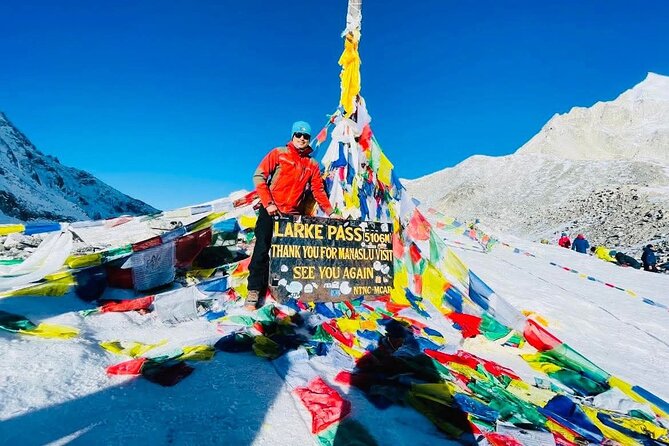
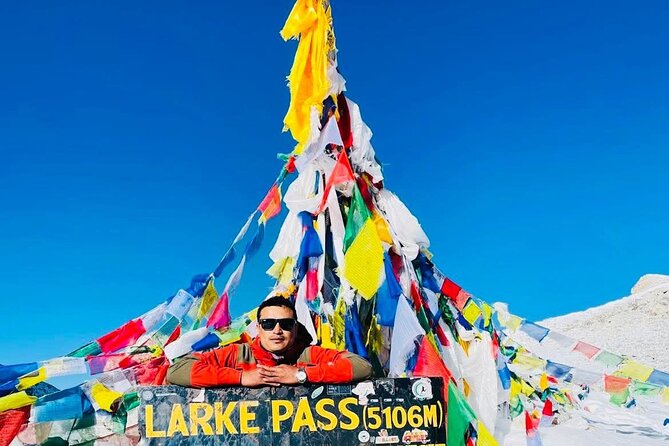
- Day 11 (Dharamshala to Larkya La Pass): The Big High-Pass Push
- Day 12 (After the pass, descent toward Bimthang): Travel Hours Back Into Lower Territory
- Day 13 (Bimthang to Dharapani): Finish the Circuit, Then Bus Back
- Lodges, Food, and the Pace That Keeps You Trekking
- Equipment: What You Should Bring vs. What’s Covered
- Who This Trek Is For (and Who Should Think Twice)
- Should You Book the Private Manaslu Circuit Trek?
- FAQ
- How long is the Manaslu Circuit trek?
- What’s the highest altitude on this trek?
- Is this trek private?
- What permits are included?
- Does the package include trekking accommodations and meals?
- Are drinks and a porter included?
- What if something goes wrong at high altitude?
Quick Takes Before You Commit
- Private group + minimum of two people means you’re not stuck in a huge crowd for this restricted route
- Licensed guide with insurance and food is included, plus first-aid gear and an oximeter
- Permits are covered (Manaslu Restricted Permit, MCAP, and ACAP), which matters a lot in this region
- Acclimatization is built in around Manaslu Base Camp and Samdo, not tacked on as an afterthought
- Larkya La is the big day: long walking and high altitude make preparation worth it
- Tea-house/lodge nights keep the trek workable, though rooms and hot showers can vary
What Makes the Manaslu Circuit Different From Other Nepal Treks
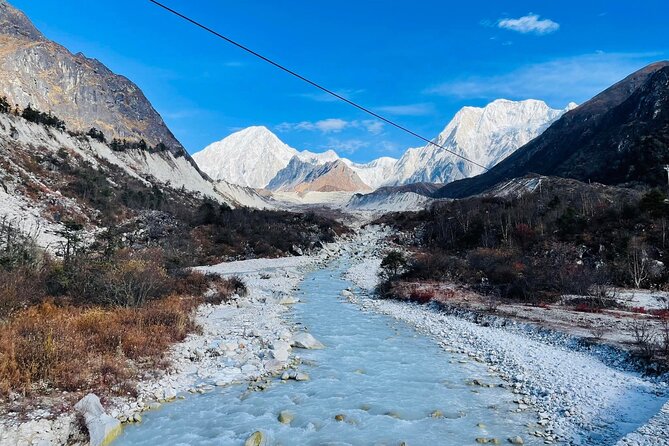
Manaslu is one of those routes where the “big moments” feel earned. You’re moving through a restricted area, so the overall vibe stays calmer than the most crowded trails. The trek also gives you a broad sweep of mountain life—from lower subtropical vegetation up toward alpine terrain—so the air, the views, and even the village feel change as you climb.
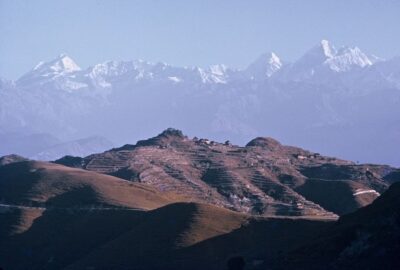
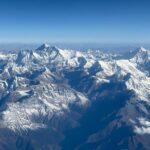
This route centers on Mt. Manaslu (8,163m), but you won’t be staring at one peak the whole time. You’ll see a changing collection of ridgelines and neighbors in the Manaslu range, plus peaks like Himalchuli and Ganesh Himal when conditions are clear. The point isn’t just the summit number—it’s the way the valley systems and passes frame the mountains at different angles.
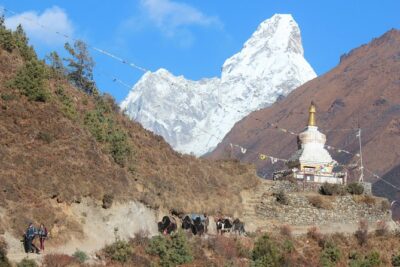
Cultural detail shows up too. Many villages in this region are shaped by Tibetan-influenced Buddhist life, with prayer wheels and mani walls appearing in town after town. Even if you don’t care about the religious symbolism, it helps you understand the rhythm of daily life: people are building, trading, and walking along routes that have existed for a long time.
You can also read our reviews of more private tours in Kathmandu
Price and Value: What $1,500 Covers (and What It Doesn’t)
At $1,500 per person for about 13 days, the value here comes from what’s explicitly included for the trek itself—not just the guide.
What you’re getting includes:
- Kathmandu to Machha Khola by bus and Dharapani to Kathmandu by bus
- A professional licensed trekking guide (with his insurance and food)
- Tea-house/lodge accommodation
- Manaslu Restricted Permit and conservation permits: MCAP and ACAP
- First aid kit and oximeter
- Meals while trekking: 13 breakfasts, 13 lunches, and 12 dinners
- A gear option if needed: sleeping bag, down jacket, and duffle bag
What’s not included is where your personal budget can change quickly:
- All meals in Kathmandu
- Drinks during the trek (both hard and soft)
- Porter service
- Personal travel insurance
- International airfare and visa fee/tax
- Tipping your guide/porters
- Upgraded Kathmandu lodging
So here’s the practical take: if you carry your own bag and plan to buy drinks along the way, your real trip cost goes up. If you’re the type who wants to keep things simple and minimize weight and out-of-pocket purchases, you’ll likely value this package more.
Permits and the Restricted-Trek Reality (Why It Matters for Your Trip)
In Nepal, permits can be an invisible headache—or a smooth part of planning. For the Manaslu Circuit, the permits are a major reason the route feels different. This trek includes:
- Manaslu Restricted Permit
- Manaslu Conservation Area Permit (MCAP)
- Annapurna Conservation Area Permit (ACAP)
Because it’s a restricted trekking area, there’s also a group rule: a minimum of two people is required, and it’s described as a private tour, meaning it’s only your group.
For you, that translates into something important: you’re not just “hiking somewhere.” You’re traveling through a controlled zone with established access rules, which reduces random chaos and supports safer logistics. It also means you should book with your real dates ready—this isn’t the kind of trek you want to scramble for at the last minute.
Getting to the Trail: Kathmandu to Machha Khola, Then Off You Go
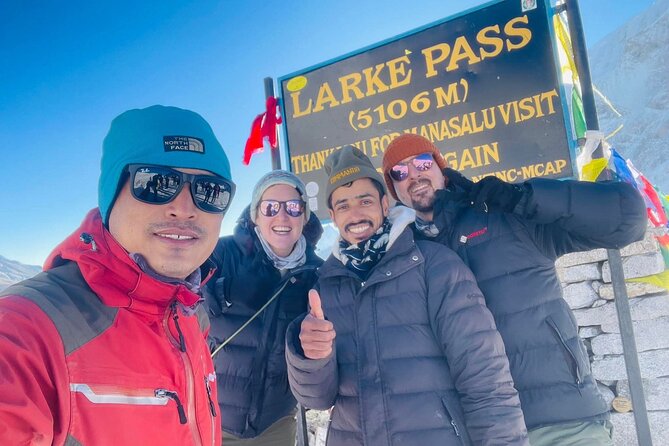
Day 1 is primarily travel. You’ll drive from Kathmandu to Machha Khola over about 7–8 hours, then start the trek in the region that serves as the gateway into the circuit. You’ll hit a max altitude of around 1,400m, which is a helpful warm-up altitude.
This matters because your body needs time to adjust—not just your legs. A long travel day also means you’ll want to treat the start like a slow opening act. If you go too hard on day 1, the rest of the circuit can feel harder than it needs to.
Then the real walking begins on day 2, where the terrain transitions into narrow trails and river crossings. That’s your first taste of the route style: steady movement, frequent changing views, and a constant need to watch your footing.
Day-by-Day Trek Breakdown: What Each Section Feels Like
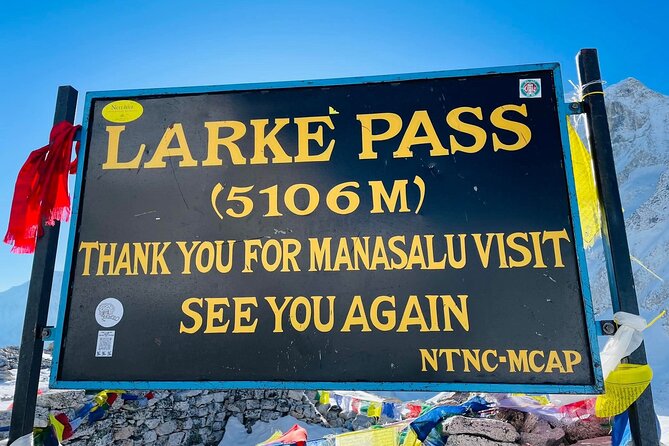
Below is a practical walk-through of what each day’s “job” is, plus what to watch for.
You can also read our reviews of more hiking tours in Kathmandu
Day 1 (Kathmandu to Machha Khola): Travel Setup Day
- Drive time: 7–8 hours
- Max altitude: ~1,400m
You’re moving into trekking country. Expect a long day more than a hiking day, so keep your packing simple and your energy for tomorrow.
Day 2 (Machha Khola/Jagat area): Narrow Trail, Hot Spring Stop
- Walking: 6–7 hours
- Max altitude: ~1,410m
The trail is described as narrow, crossing the Tharo Khola and reaching Khorlabesi. There’s also a hot spring along the way, which is a great mental reward after hours of walking. If you’re the type to get stiff fast, this is a day to let your body loosen a bit.
Day 3 (Toward Pewa): Longer Stretches Start to Build
- Travel: ~7 hours
- Max altitude: ~1,860m
You’ll move from Jagat toward Pewa, passing through villages and trekking routes that slowly tilt you toward higher air.
Day 4 (Pewa to Namrung): More Altitude, More Exposure
- Travel: ~6 hours
- Max altitude: ~2,630m
This day continues the climb to Namrung. At this point, you’ll likely notice thinner air and more “up-focused” breathing. Your pace becomes less about speed and more about keeping a rhythm you can hold.
Day 5 (Namrung to Lho): Shorter Day, Higher Results
- Travel: ~4 hours
- Max altitude: ~3,180m
Day 5 is shorter walking time, but not a “rest day” in terms of altitude. You reach Lho, and this kind of day is valuable because it sets up the upcoming acclimatization phase.
Day 6 (Lho to Sama Gaon): Getting Close to High Country
- Travel: ~7 hours
- Max altitude: ~3,530m
You’ll head to Sama Gaon. This is where the circuit starts feeling more remote: fewer comforts, more quiet, and more time spent appreciating the small things—like warm tea and how quickly the light changes on the mountains.
Day 7 (Sama Gaon to Manaslu Base Camp area): Acclimatization Day
- Max altitude: ~4,400m (listed as Manaslu Base Camp max)
Day 7 is an acclimatization day. The big lesson here: this is where you’re practicing how you’ll treat the rest of the trek. If you rush your body on day 7, you pay later. Use the time to follow your guide’s pace and focus on sleep and hydration.
Day 8 (Samdo approach): Shorter Walk, Major Views
- Walking: 4–5 hours
- Max altitude: ~3,690m (Samdo)
You’ll trek toward Samdo, with a route that descends toward the Budhi Gandaki River and heads to Manaslu Base Camp area. The day also mentions Larkya La Trail pass activity along the way. A shorter walking day at this stage can feel like a gift.
Day 9 (Samdo): Another Acclimatization Block
- Max altitude: ~3,690m
You spend the day at Samdo for acclimatization. There’s time to explore the village, and you could hike up the valley toward a trade pass to Tibet for good views. This is the kind of day where you’re building confidence: you see how your body reacts after a high-ish day and how the trail looks from a different angle.
Day 10 (Samdo to Larkya Phedi/Base Camp area): Bridge Day and Stream Crossings
- Walking: 4–5 hours
- Max altitude: ~4,460m (Larkya Phedi or Larkya Base Camp)
You move toward Dharamshala, crossing a wooden bridge over Budhi Gandaki and crossing two streams. Stream crossings in mountain weather can be straightforward or a little tricky depending on water level. Either way: take it slow, plant your feet, and don’t let timing pressure you.
Day 11 (Dharamshala to Larkya La Pass): The Big High-Pass Push
- Walking: 7–8 hours
- Max altitude: ~5,160m (Larkya La Pass)
This is your main altitude peak day. You’ll reach a valley with views of Cho Danda and Larkya Peak, then head through moraines (glacial debris) as you continue. Long walking plus a very high pass means you’ll want to be mentally ready for steady effort, not sprinting.
Day 12 (After the pass, descent toward Bimthang): Travel Hours Back Into Lower Territory
- Travel: ~9 hours
- Max altitude: ~3,720m (Bimthang)
After the high point, you’re on the return route. The day is long in travel time, but your max altitude drops significantly. This is often when people finally feel “normal” again—if their body handled day 11 well.
Day 13 (Bimthang to Dharapani): Finish the Circuit, Then Bus Back
- Travel: 8–10 hours
- Max altitude: ~1,963m (Dharapani)
The last day ends at Dharapani around 1,963m, then your journey back to Kathmandu continues by bus (already included in the package). It’s a satisfying final grind: you’re leaving the high country for easier air.
Lodges, Food, and the Pace That Keeps You Trekking
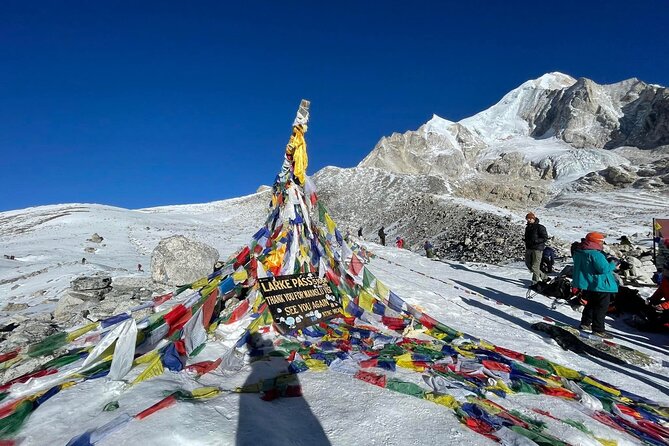
This trek uses tea-house/lodge accommodation, which usually means you’re sleeping in simple rooms with basic amenities. The big upside is you don’t need to carry full camping setup. The practical downside: comfort is inconsistent. On cold nights, warmth matters more than fancy.
Meals during the trek are provided—breakfast and lunch each day listed, plus dinner on 12 nights. That structure is useful. You’re less likely to end up hungry at the wrong moment, and you can keep your energy steady for the next day’s altitude push.
The review themes you’d want to care about are safety and pace matching. I like that the trip is described as fast, safe, and well-organized, and that guides can match your walking style. A guiding team like Raj was specifically noted for pacing that keeps things comfortable and safe, and other teams referenced Yaka and Laxman for knowledgeable, caring support and the help of a companion who carried bags. Even if your guide isn’t those exact names, the point is the same: your guide’s ability to read your pace affects whether the trek feels like hard work or a steady climb you enjoy.
Equipment: What You Should Bring vs. What’s Covered
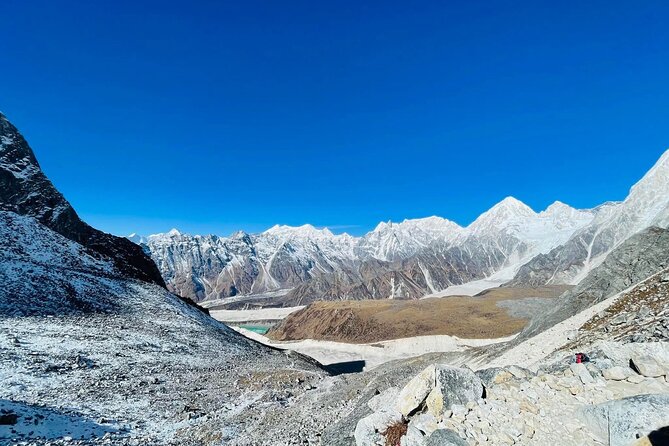
The package includes the option for sleeping bag, down jacket, and duffle bag if necessary, with gear returned after the trek. If the provided gear option is offered for your booking, it can reduce what you have to haul from Kathmandu.
But don’t rely on rentals for everything. You’ll still want to bring:
- trekking layers for cold mornings and nights
- footwear you trust on stone and uneven trails
- a small day pack for the hours when you’re moving
Also note one practical item: a porter isn’t included. That means your pack weight strategy matters. If you’re going to carry everything yourself, pack with purpose, and keep your heavy items in your duffle system if you’re using it.
Who This Trek Is For (and Who Should Think Twice)
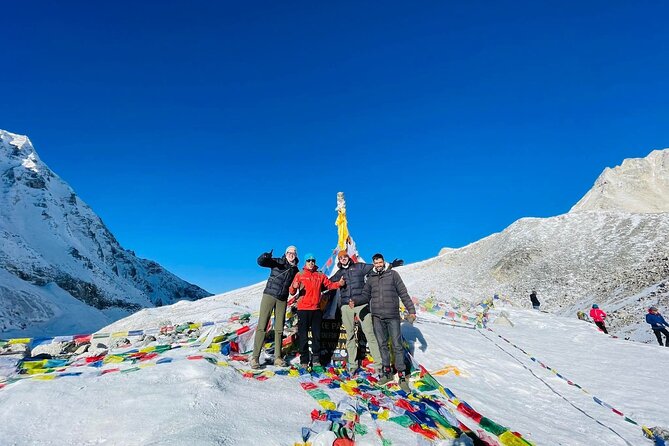
This is a moderate physical fitness trek, but with a high point at Larkya La (~5,160m) and long walking days. If you can hike for 6–8 hours on steep-ish ground and you’re serious about acclimatization, you’ll likely find it rewarding.
It’s also a good fit if you:
- want a route with quieter trekking energy than the most famous trails
- care about Buddhist Tibetan-influenced village culture
- like the idea of structured acclimatization, not just “go higher and hope”
You should think twice if you:
- dislike high-altitude passes
- hate carrying your own bag (since porter service isn’t included)
- rely heavily on hot showers and constant creature comforts (tea-house nights vary)
Should You Book the Private Manaslu Circuit Trek?
If you want a high-pass Himalaya trek with permits handled, an experienced guide team, and a schedule that includes real acclimatization, this is a strong option. The price makes sense when you consider what’s included: transport into the trekking zone, restricted-area permits, lodge nights, and guided safety support like an oximeter and first-aid kit.
I’d book it if you’re prepared to manage packing, skip the trekking drinks budget surprises, and respect the altitude days—especially around Manaslu Base Camp and Samdo before Larkya La.
If you want to minimize effort as much as possible, you’ll likely want to plan on carrying less (or arrange porter service outside what’s listed), and you should be honest about your high-altitude tolerance.
FAQ
How long is the Manaslu Circuit trek?
It’s listed as 13 days (approx.).
What’s the highest altitude on this trek?
The highest altitude shown is about 5,160m at Larkya La Pass.
Is this trek private?
Yes. It’s described as a private tour/activity, and only your group participates. A minimum of two people is required because it’s a restricted trekking area.
What permits are included?
Your package includes the Manaslu Restricted Permit, Manaslu Conservation Area Permit (MCAP), and Annapurna Conservation Area Permit (ACAP).
Does the package include trekking accommodations and meals?
Yes. It includes tea house/lodge accommodation plus trekking meals listed as 13 breakfasts, 13 lunches, and 12 dinners.
Are drinks and a porter included?
No. Drinks during trekking aren’t included, and a porter for your bag isn’t included.
What if something goes wrong at high altitude?
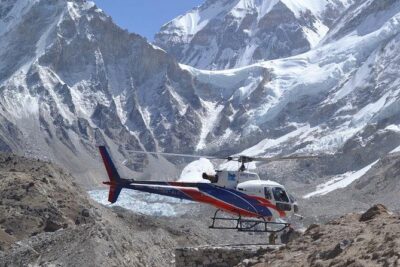
The package notes that in an emergency, a helicopter service can be arranged and paid through your travel insurance. It also includes a first aid kit and oximeter.