REVIEW · KATHMANDU
8 Days Tour in Nepal (Accommodation at 5 Star Hotel)
Book on Viator →Operated by The Great Adventure Treks & Expedition - Private Day Tours · Bookable on Viator
Temples, jungle, and sunrise in one loop. This 8-day Nepal package strings together Kathmandu’s big spiritual sites, Chitwan’s wildlife country, and Pokhara’s lakeside views, with a smooth back-and-forth rhythm. You get pickup, a mobile ticket, and a plan that’s built around real sights rather than just “drive-by scenery.”
I like that it uses Kathmandu as a proper opener: you’re dropped into Thamel and then guided through major World Heritage–style stops like Boudhanath, Patan Durbar Square, Pashupatinath, and Swayambhunath. I also like the way Chitwan adds variety—canoeing, jungle walking, a Tharu village visit, and a jeep safari—so you’re not stuck doing just one animal-focused activity.
One drawback to consider: you’ll spend a lot of time in transit, and the schedule leans into early mornings (hello, Sarangkot sunrise). If you dislike long days or get cranky when plans start before your natural wake-up time, this one may feel like a bit of a workout.
In This Review
- Key highlights I’d actually plan around
- First day in Thamel: where your trip breathes (and where it doesn’t)
- Kathmandu Valley in two days: Boudhanath, Patan, Pashupatinath, Swayambhunath
- Day 3 transit to Chitwan: slow the mind, let the scenery load up
- Chitwan National Park: Rapti River canoeing and the wildlife-style schedule
- Pokhara travel day: rivers you pass, and a new kind of Nepal
- Sarangkot sunrise and Pokhara’s big “view stops”
- Back to Kathmandu: Durbarmarg time and a no-stress end
- Departure day: simple handoff to TIA
- Price and value: what you’re paying for at $1,400 per person
- Guides, owners, and the service details that show up in real life
- Who this Nepal loop suits best
- Should you book this 8-day Nepal package?
- FAQ
- How much does the 8-day Nepal tour cost?
- Where does the tour take place?
- What’s included in the package meals?
- Is airport pickup included?
- How many people are in the group?
- What activities are planned in Chitwan?
- What if weather is bad?
- What’s the cancellation window?
Key highlights I’d actually plan around
- Thamel plus guided heritage circuit on Day 1/Day 2, so you don’t waste your first hours wandering without context
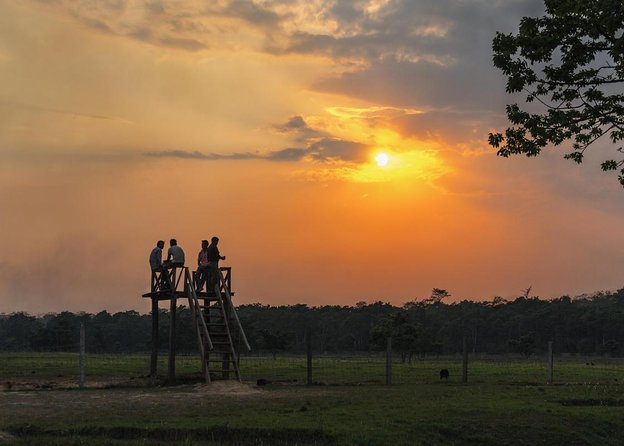
- Chitwan’s full menu: canoe on Rapti River, jungle walk, Tharu culture, and jeep safari—more than a one-activity “wildlife day”
- Pokhara sun-and-stone stops: Sarangkot for sunrise views, plus Devi’s Fall, Gupteswar Cave, and World Peace Pagoda
- Thoughtful meal coverage: breakfast almost daily, plus select lunches/dinners so you can focus on sights
- Small-group feel with a maximum of 30 travelers
First day in Thamel: where your trip breathes (and where it doesn’t)
Most Nepal trips start with jet lag and logistics. This one starts with pickup from TIA (Tribhuvan International Airport) and then a drive to your hotel. That matters more than it sounds, because your first hours in Kathmandu can go sideways fast if you’re figuring out transport while your phone battery is dying.
After check-in, you’re given time to settle in around Thamel and nearby areas like Durbarmarg (walking distance) and Kathmandu’s core lanes. I like this approach. You get a real base without forcing you into an all-day sightseeing marathon immediately after arrival. It’s also practical: Thamel is where you’ll naturally find food, small shops, and the kind of street energy that makes Kathmandu feel like Kathmandu.
If you’re picky about comfort, the package includes accommodation at 5-star hotels (at least on paper). Even if you don’t care about “luxury” brands, a cleaner, more reliable room is a big deal after dusty roads and long drives.
You can also read our reviews of more tours and experiences in Kathmandu.
Kathmandu Valley in two days: Boudhanath, Patan, Pashupatinath, Swayambhunath
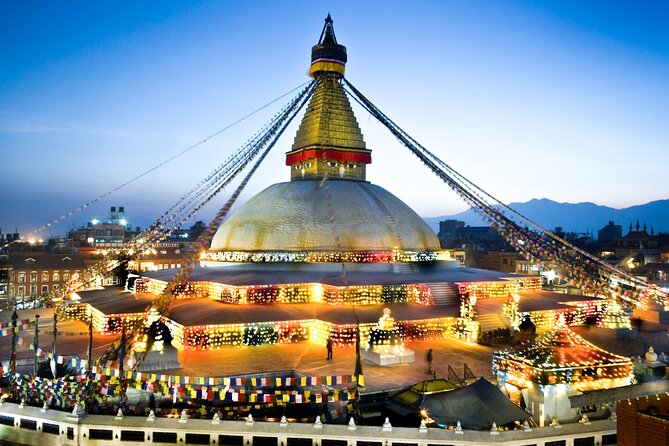
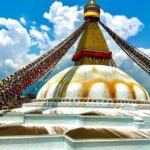
Day 2 is your guided heritage sweep, and the order is smart. You start at Boudhanath Stupa, where the white dome and surrounding prayer flags create that calm, watch-the-world-move vibe. You’ll have about an hour here, which is enough to circle the stupa at a human pace—more if you slow down and just watch visitors.
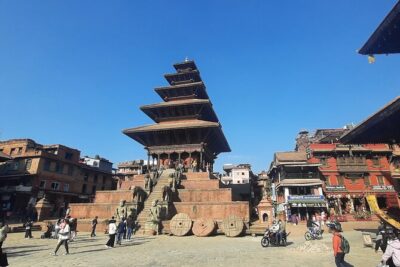
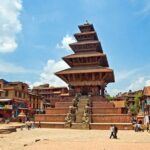
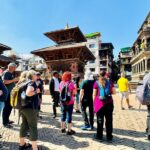
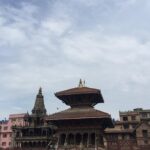
Next is Patan Durbar Square. This is where the architecture crowd can get very happy: you’re in an area with numerous temples and courtyards, including highlights such as Krishna Temple, Golden Temple, Mahabauddha Temple, Hiranya Varna Mahavihar, Golden Window, and the Patan Museum. You’ll also get a decent chunk of time (around two hours), so it doesn’t feel like a rush-and-run stop.
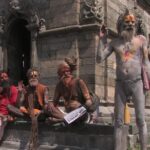
Then comes Pashupatinath Temple, on the Bagmati River. This isn’t just a building; it’s a whole religious riverside complex with temples, ashrams, and inscriptions over centuries. The guide-led approach helps because there’s a lot to notice and it’s easy to miss the meaning if you’re just staring at stone.
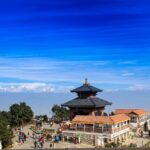
Finally, you end at Swayambhunath (the Monkey Temple). From the hilltop you get sweeping views, plus the scene details: statues, painted deity images, and a dense cluster of religious objects. The stop is listed with admission included, and the time window (about two hours) is enough to take in the hilltop viewpoints without feeling trapped.
Possible “consideration” here: Kathmandu heritage days involve crowds and uneven walking. Even with good planning, you’ll want comfortable shoes and a water bottle. Also, religious sites can involve rules on dress and behavior—your guide will be the one keeping things smooth.
Day 3 transit to Chitwan: slow the mind, let the scenery load up
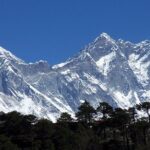
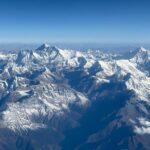
After crossing the Kathmandu Valley, you shift from stone-and-temple Nepal to hill-and-highway Nepal. The route is described as passing hundreds of hills, and if you’re lucky with conditions you might catch mountains in the distance. Even when the view isn’t perfect, that contrast matters. It breaks the trip’s rhythm so you’re not doing “heritage mode” every single day.
When you arrive in Chitwan, you don’t jump straight into hardcore activities. You rest, then head out for a Rapti riverside walk, a Tharu cultural show, and a sunset view experience. That “warm-up evening” is actually a smart move. It helps you reset before the more active wildlife time kicks in.
You’ll also notice the tour mixes nature with culture. Chitwan isn’t only about animals. It’s about the landscape and the communities that live alongside it, and the Tharu element gives the day more texture than a checklist of safaris.
Chitwan National Park: Rapti River canoeing and the wildlife-style schedule
Day 4 is where Chitwan goes into full action.
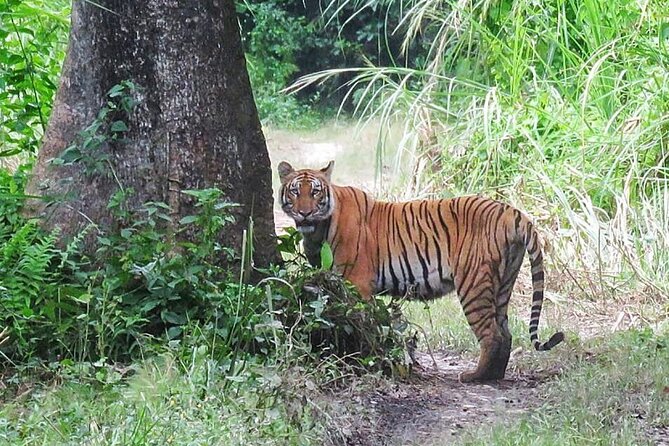
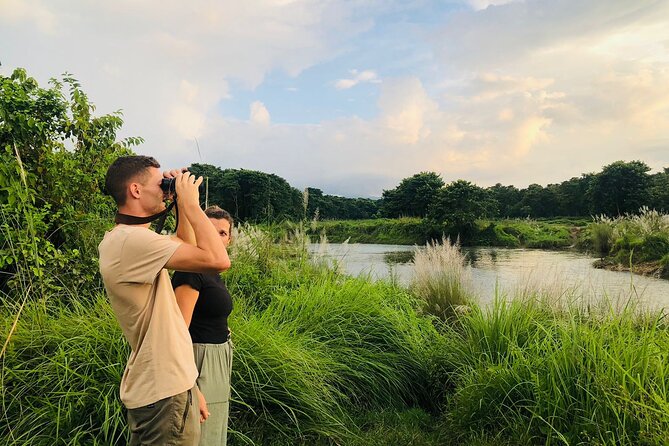
First is canoeing at Rapti River (about 45 minutes). The payoff here is the chance to view crocodiles and other wildlife from the water, close enough that you can feel the park’s “you are in the animal neighborhood” energy. Canoeing also tends to be calmer than some other safari styles, so it’s a good balance after the bus travel of the prior day.
Next comes jungle walking (around three hours). This is the kind of activity that rewards patience. You’re walking through a thick forest and moving slowly enough to notice the smaller things. It’s described as one of the most adventurous and entertaining parts of the park—and in practice, it often feels more immersive than you’d expect, since you’re not just sitting in a vehicle waiting.
Then you head to the Elephant Breeding and Training Center for about an hour. This stop shifts your attention from “wildlife spotting” to “conservation and animal training.” Even if you’re not an animal expert, it gives context for how elephants are handled in the region.
After that, you visit Chitwan Tharu Village (about 30 minutes). The idea is to witness daily lifestyle and community activities. This kind of short cultural stop is often overlooked on tours, but it’s worth it because it helps you understand that the park and wildlife aren’t separate from people’s everyday life.
The day ends with a jeep safari (about four hours). The open-top jeep format gives you better angles for photos and spotting. This is the most classic wildlife delivery in the schedule, and it’s also the most time-consuming, so it’s a good idea to pack energy—snacks and water help, even if meals are provided elsewhere in the package.
Pokhara travel day: rivers you pass, and a new kind of Nepal
Day 5 is the move from Chitwan to Pokhara. You’ll cross paths with three major rivers: Trisuli, Marsyangdi, and Daraudi. The value here isn’t only that the rivers are impressive—it’s that the drive gives you a shifting sense of Nepal’s scale. You’re moving from jungle ecology into lakeside geography.
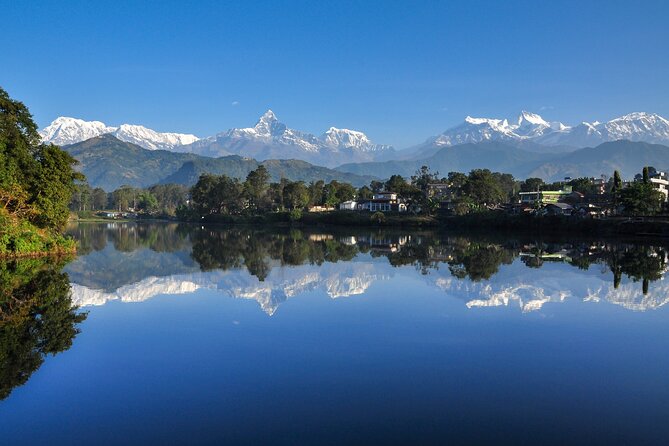
When you arrive in Pokhara, the big stop is Phewa Tal (Phewa Lake). You’ll spend around two hours visiting the lake and doing boating. For many people, this is the first moment in the trip where you can breathe a little. Kathmandu is temples and concrete. Chitwan is forest and wildlife. Pokhara is water, hills, and that gentle lakeside pace.
If you like photography, Phewa is where your phone gets a break from temple stone and gets to focus on reflections and lighter colors.
Sarangkot sunrise and Pokhara’s big “view stops”
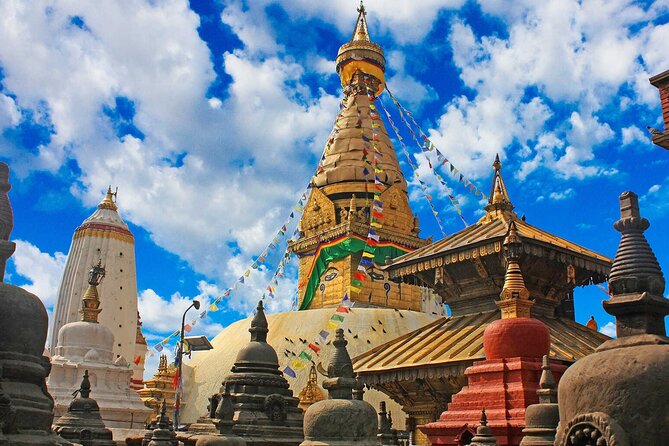
Day 6 is built around morning light and then a stack of iconic Pokhara sights.
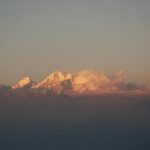
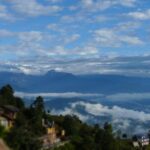
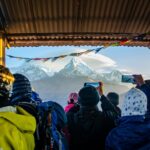
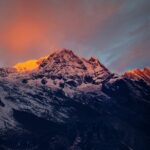
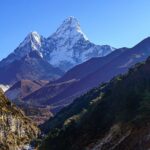
You start at Sarangkot for sunrise views. It’s listed as included and runs about an hour, with the promise that on clear days you can see regions like Annapurna and Manaslu plus the Pokhara valley. Even if the clouds don’t cooperate perfectly, sunrise from a hilltop is still one of those Nepal moments that feels worth the early start.
After that, you go to Devi’s Fall, described as originating from Phewa Lake and flowing into a narrow gorge before reaching the Seti River. It’s a shorter stop (about 30 minutes), but it’s visually striking and easy to fit into a full day.
Next is Gupteswar Cave (Gupha)—the “longest (2950m) cave of Nepal” is how it’s presented, and the stop is about an hour. If you’re the type who likes to see how people travel through the same place in different ways (water, roads, tunnels), this is a good contrast day. Wear something comfortable and be ready for cave conditions that might feel cooler than outside.
Then you finish at the World Peace Pagoda. You reach it after a short hike and get a broader lakeside view from a single point. This is the part of the day that often feels like a reward. It’s not just about collecting sites—it’s about taking a moment to see the whole area at once.
Back to Kathmandu: Durbarmarg time and a no-stress end
After you return to Kathmandu on Day 7, the plan shifts to flexibility. You can use remaining hours by roaming Durbarmarg, a place known for clubs, pubs, massage centers, shopping, and views connected to Narayanhiti Palace. Admission is listed as free, and the stop is about an hour.
This is a nice way to end. Instead of cramming one last major temple into your schedule, you get time to breathe and do your own thing—especially if you like to browse markets or grab a calm meal before departure.
Departure day: simple handoff to TIA
Day 8 is straightforward: staff take you to Tribhuvan International Airport based on your flight time. That kind of timing support matters in Nepal, where traffic can be unpredictable. It’s also less mentally exhausting than trying to coordinate transport yourself on your final morning.
Price and value: what you’re paying for at $1,400 per person
$1,400 per person for 8 days sounds like a range, and the value depends on your expectations.
Here’s how I’d judge it:
- You’re paying for organization across three zones: Kathmandu heritage, Chitwan wildlife, and Pokhara lakeside sights. That’s more than a single-city trip.
- You’re getting hotel comfort at 5-star level plus structured meal coverage: breakfast (6), dinner (2), and lunch (2). Meals included can quietly save you money and stress, especially if you don’t want to guess what’s open.
- You’re paying for guided access to key sites and a wildlife-day structure that includes multiple activities (canoe + jungle walk + village + jeep safari).
- The group size is capped at 30 travelers, which usually helps keep things from feeling chaotic.
What could affect the real “value” for you: the package lists private transportation as not included. That doesn’t mean you won’t get transport at all—your transfer days are part of the plan—but it does mean if you want a car booked specifically for your group, that extra cost isn’t included.
Also, the tour is marked as requiring good weather. If weather impacts activities, you might get an alternate date or a full refund instead. For wildlife and sunrise plans, this is common.
Guides, owners, and the service details that show up in real life
A pattern in the supplied feedback is that communication and service feel smooth. The owner, Mani, is described as easy to communicate with and capable with itinerary planning and adjustments after arrival if needed. That’s the kind of “human insurance” you want on a trip with multiple moving parts.
Guides named in the notes include Sanjaya, with praise for doing a great job and pairing well with the day’s pacing. Drivers mentioned include Binod and RAM, both called out as very good on the drive.
One practical takeaway: if you’re the type who likes clarity (when to wake up, where to meet, how long each stop takes), this kind of local team focus can make the whole trip feel calmer.
Who this Nepal loop suits best
This tour fits best if you want:
- Big highlights without planning: Kathmandu heritage, Chitwan wildlife, Pokhara viewpoints.
- A mix of culture + nature in one trip.
- Comfortable lodging (5-star hotel accommodation) while still doing active days like canoeing and jungle walking.
- A schedule that’s structured but not only “all day, every day.”
It may not be ideal if you:
- Hate early starts and long drive days (Sarangkot sunrise + transit are real).
- Want a fully private, customized pace (private transport is not included).
- Are traveling with a strict “only do wildlife all day” focus (this includes cultural stops too).
Should you book this 8-day Nepal package?
Yes, consider booking if you want a clean, well-paced route through Kathmandu + Chitwan + Pokhara with 5-star comfort, guided heritage stops, and a proper wildlife day that goes beyond one safari.
I’d be cautious if you’re very sensitive to early mornings, long transit, or schedule changes due to weather. If that sounds like you, it might still work—just know you’re buying a structured tour plan, not a totally free-form trip.
If you’re flexible on pacing and you like seeing how Nepal shifts from temples to jungle to lake views, this is a strong value way to do an 8-day sampler that still feels meaningful.
FAQ
How much does the 8-day Nepal tour cost?
The price is $1,400.00 per person.
Where does the tour take place?
It focuses on Kathmandu, plus Chitwan National Park and Pokhara, with the trip starting and ending in Kathmandu.
What’s included in the package meals?
Breakfast is included for 6 days, and lunch is included for 2 days. Dinner is included for 2 days.
Is airport pickup included?
Yes. Pickup is offered, and the tour starts with pickup from Tribhuvan International Airport (TIA). On the last day, staff take you to TIA based on your flight time.
How many people are in the group?
The tour has a maximum of 30 travelers.
What activities are planned in Chitwan?
You’ll do a Rapti riverside walk and a Tharu cultural show in the evening, plus Rapti River canoeing, jungle walking, a stop at the Elephant Breeding and Training center, a Tharu village visit, and a jeep safari.
What if weather is bad?
The tour requires good weather. If it’s canceled due to poor weather, you’ll be offered a different date or a full refund.
What’s the cancellation window?
You can cancel up to 3 days in advance for a full refund. If you cancel less than 3 full days before the experience’s start time, the amount you paid will not be refunded.