REVIEW · KATHMANDU
Kathmandu at Sunset: Explore the City on Rickshaw
Book on GetYourGuide →Operated by Intrepid Urban Adventures - Asia · Bookable on GetYourGuide
Kathmandu at sunset works for one reason: the city slows down just enough for you to notice it. This rickshaw-style night outing puts you in motion through Thamel backstreets and into the Durbar Square temple area, with a stop at a Buddhist shrine inside an alley. I especially like that it’s timed for evening light and daily life, not just sightseeing boxes.
The second thing I like is the way the route mixes big landmarks with smaller moments: you’re not only looking, you’re watching locals pause for chai, prayer, and chores. One possible drawback to factor in: the tour runs about 2.5–3 hours on paper, but real time can vary depending on traffic and pacing, so don’t plan a tight next appointment.
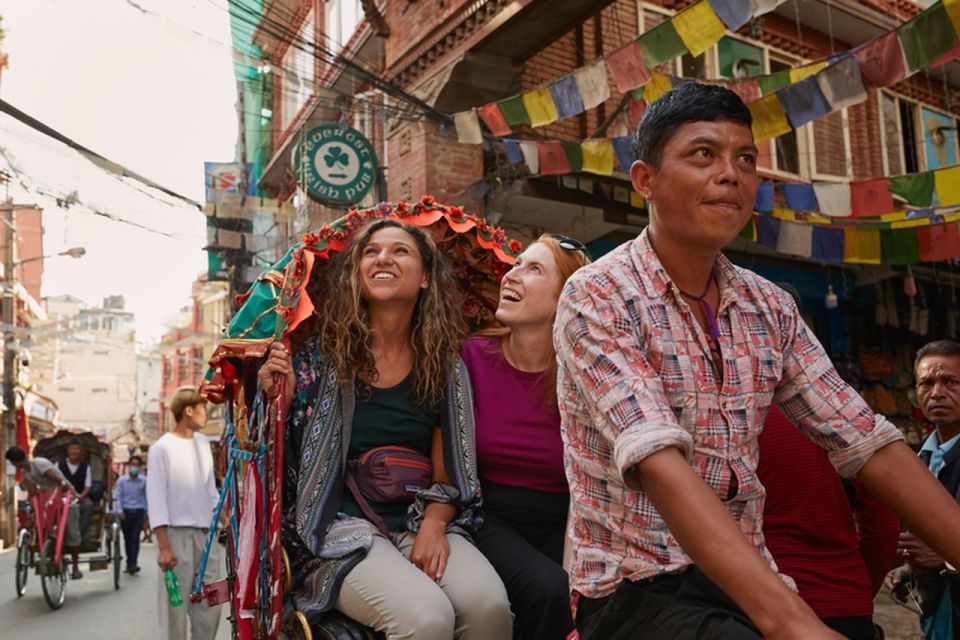
You’ll start at Hotel Marshyangdi in Thamel, climb aboard a pedicab with a driver, and then hop off when the streets and sights call for it. Expect an English-speaking Nepali guide, a small group (up to 12), and a single entrance fee handled for Kathmandu Durbar Square.
In This Review
- Quick hits before you go
- Entering Kathmandu by pedicab: why this sunset format works
- Meeting at Hotel Marshyangdi and getting your rickshaw rhythm
- Thamel at dusk: a short stop that sets your expectations
- Asan market and Annapurna Temple area: spices and local motion
- Kathmandu Durbar Square: sit, watch, and let the square explain itself
- Sigal shrine: a quieter pause inside the lane network
- The 2.5–3 hour plan: how to protect your evening
- Price and value: what $49 buys you in Kathmandu
- Guide style and small-group size: why 12 matters at night
- Practical notes: what to expect when you’re hopping on and off
- Who should book this Kathmandu sunset rickshaw tour
- Should you book this Kathmandu at Sunset rickshaw tour?
- FAQ
- What is the duration of the Kathmandu at Sunset rickshaw tour?
- Where does the tour start and end?
- How much does the tour cost?
- What stops are included during the tour?
- Is the entrance fee to Kathmandu Durbar Square included?
- Are food and drinks included?
- What language is the guide?
- Is the tour carbon neutral, and does it support heritage preservation?
Quick hits before you go
- Rickshaw ride with real local support: the pedicabs are hired directly from drivers, giving them direct business.
- Thamel to temples in one evening: you get a smooth shift from tourist chaos to sacred courtyards.
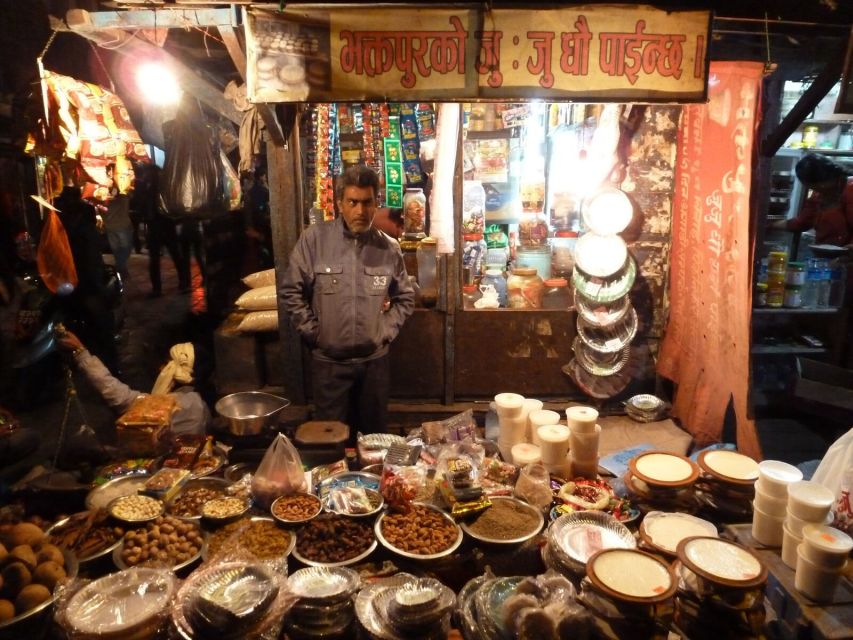
- Asan market for spice-and-people watching: you’ll spend time at Asan and see it through your guide’s lens.
- Sigal Buddhist shrine stop: a calmer pause tucked just off the lane system.
- Durbar Square downtime: time to park yourself in a temple square and watch daily life unfold.
- Small-group attention: a group size of just up to 12 helps the guide keep things personal.
Entering Kathmandu by pedicab: why this sunset format works
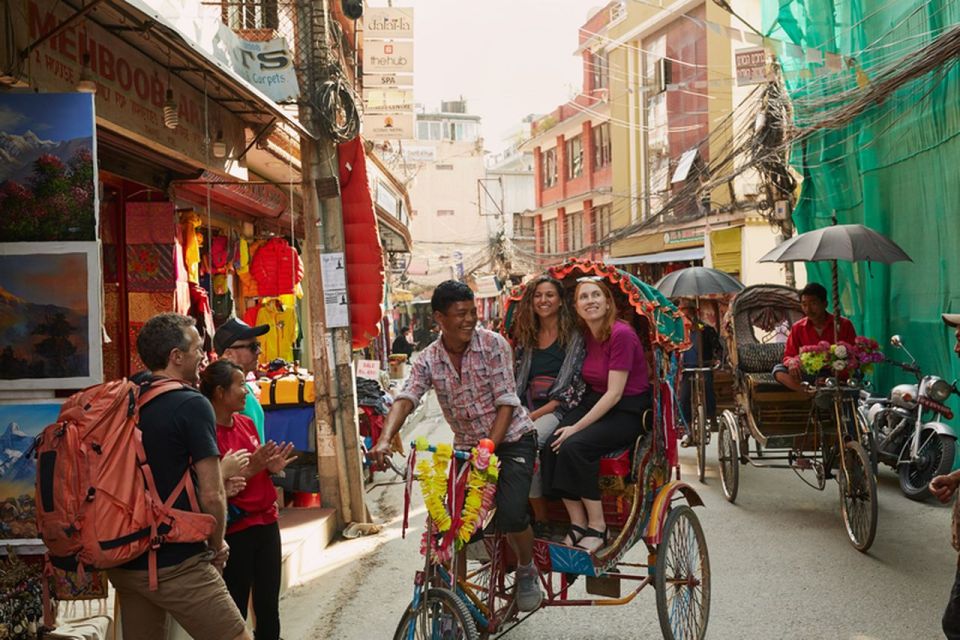
Kathmandu can be a lot in the daytime. It’s loud, it’s crowded, and you’re often dodging traffic rather than observing details. A rickshaw at sunset flips that. You still move through the city, but at a human pace that makes the streets feel walkable even when you’re rolling along.
This tour’s value is in the combination: you get transport plus interpretation. Instead of “see this, then that,” you’re riding between places, stopping where the route makes sense, and getting context while you’re actually there. That matters in Kathmandu, where the meaning of a temple, a square, or a lane isn’t always obvious at first glance.
Also, I like that this ride leans into authenticity rather than polish. Kathmandu has modern vehicles, but this experience still uses rickshaws. You’re helping keep the pedicab economy moving by hiring them directly from drivers, not just using them as a photo prop.
You can also read our reviews of more city tours in Kathmandu
Meeting at Hotel Marshyangdi and getting your rickshaw rhythm
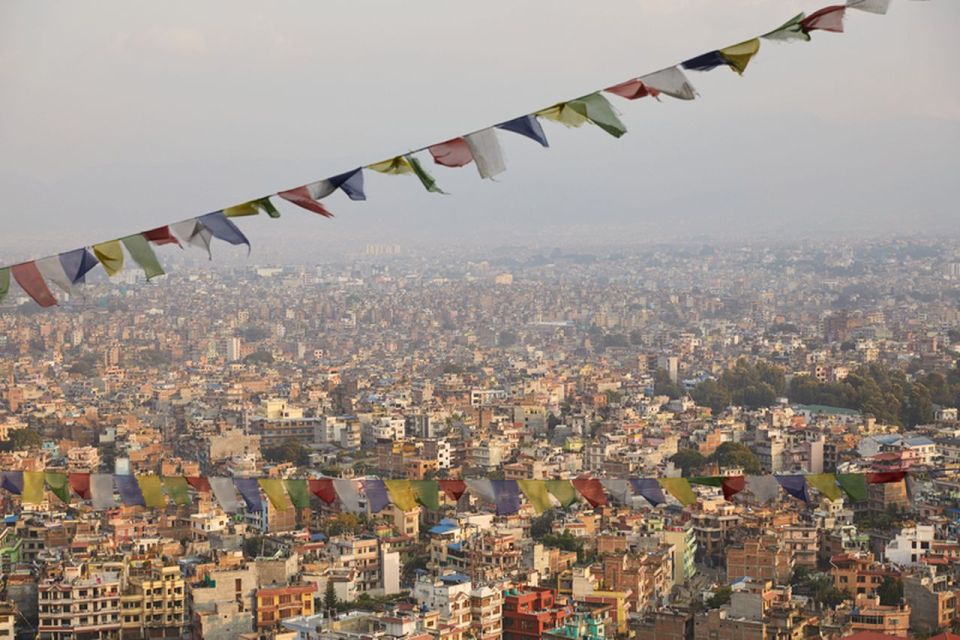
You meet at Hotel Marshyangdi, Chaksibari Marg, Thamel. That’s a practical choice because it anchors you right in the tourist hub, so you’re not scrambling across town before dark. Once you’re set, you take a first about one hour on the pedicab.
On the logistics side, expect that the “ride time” depends on streets and flow. Kathmandu streets can change fast: you may slow down, pause, or take side lanes to reach sights safely and efficiently. The tour includes a guide, so you’re not left figuring out turns and timings on your own.
Why I think the setup works for you: you get your first views quickly, and you’re already oriented before the walking starts. In a city this busy, getting your bearings fast is half the battle.
Thamel at dusk: a short stop that sets your expectations
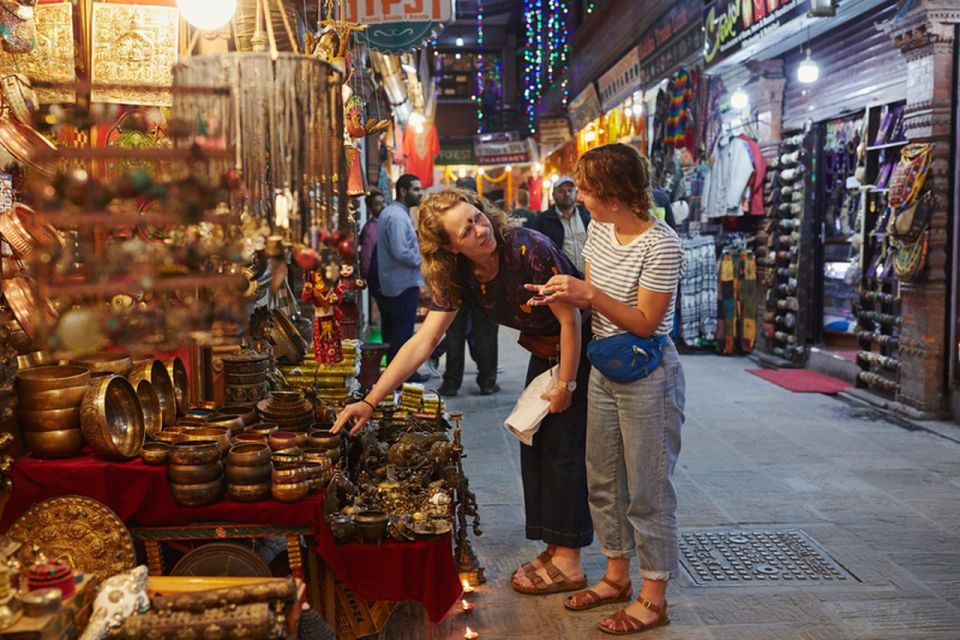
After the first ride, you’ll visit Thamel for about 15 minutes. This isn’t long enough to feel like you’re “doing Thamel,” which is good. Instead, it functions like a mood-setting window into the part of Kathmandu that most first-timers notice first.
Thamel at dusk tends to feel like a hinge between two worlds: the tourist energy is still there, but the light and sounds shift. That timing helps you prepare for what comes next: the city’s more sacred spaces, where people slow down for prayer and routine.
If you come hungry, plan around this: food and drinks are not included. The tour’s focus is sights and guiding, not meals.
Asan market and Annapurna Temple area: spices and local motion
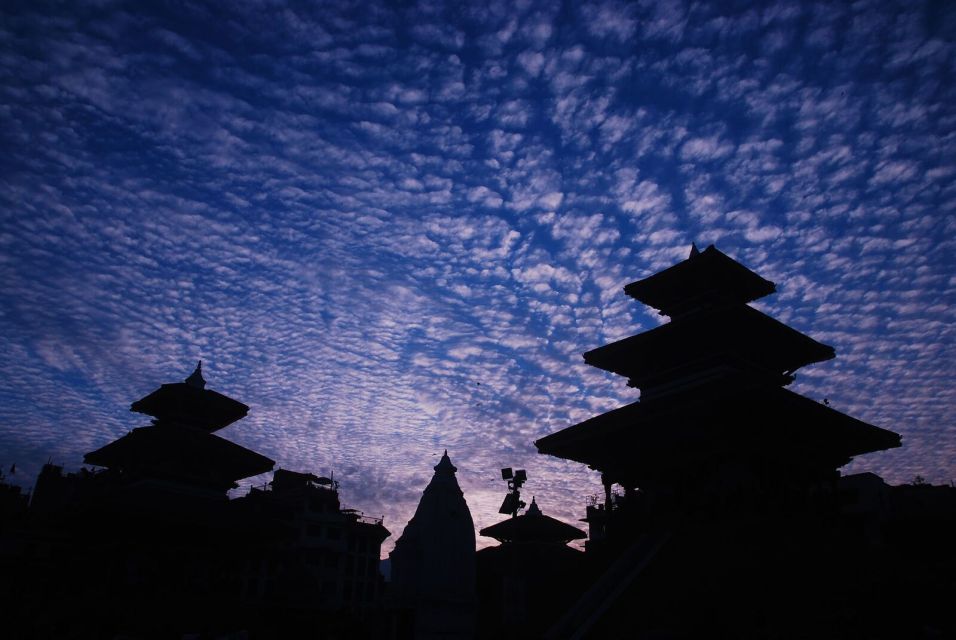
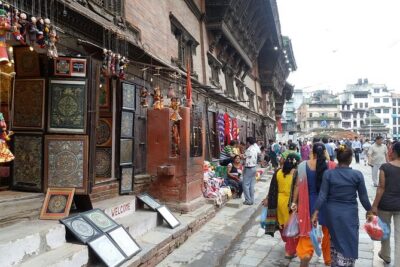
Next, you head toward Asan, with about one hour there. Asan is known for its market life, especially vegetables and spices, and it’s a great place to learn how Kathmandu “runs.” Markets are where you see patterns: who buys what, how people move, and how the city trades time for everyday needs.
This stop has an extra layer: Asan sits near the view of Annapurna Temple. Even if you don’t go deep into the temple itself from this part of the route, the relationship between marketplace and sacred spaces is part of the story your guide is likely tying together.
What I’d tell you to watch for: don’t treat it like a quick photo stop. Build in patience. Asan works best when you let your attention switch from “what should I photograph” to “what am I seeing people do.” The smells and sounds are part of that, but the real payoff is understanding how commerce and religion share the same city blocks.
Kathmandu Durbar Square: sit, watch, and let the square explain itself
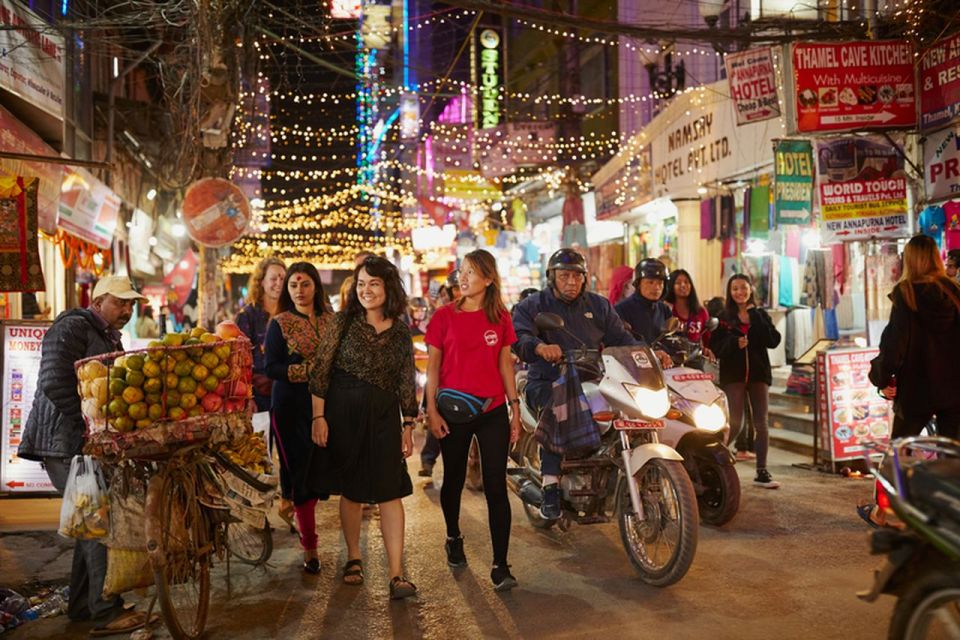
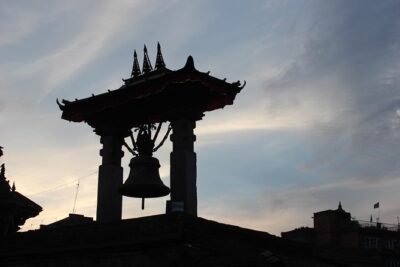
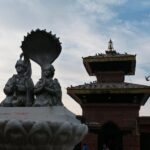
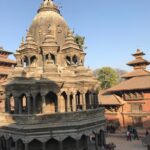
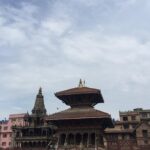
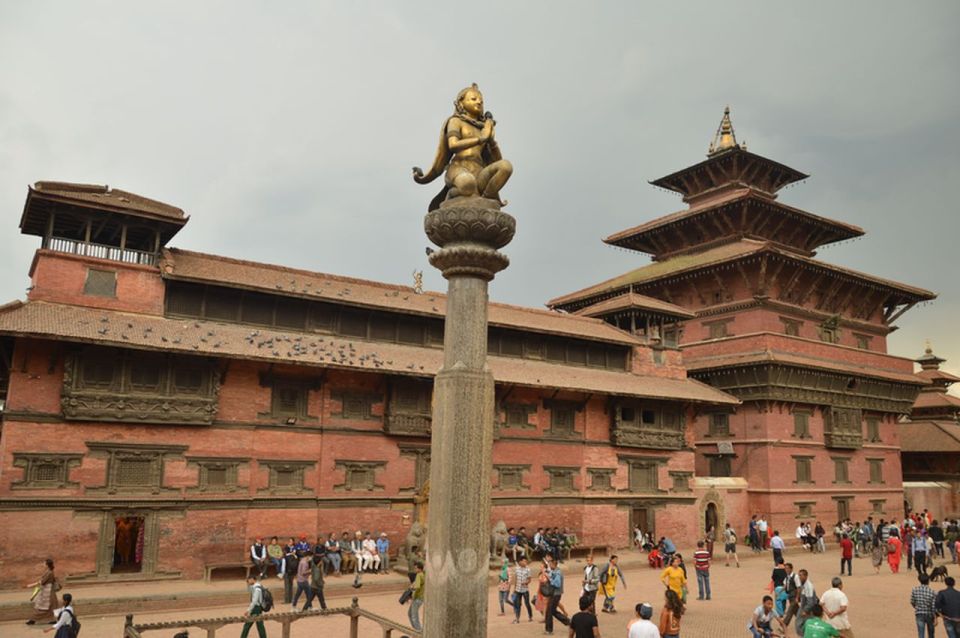
Then comes Kathmandu Durbar Square for about 1.5 hours, plus the included entrance fee. This is where the tour earns its main title. The Durbar Square temple area is one of Kathmandu’s major heritage spaces, and the experience here is less about ticking off monuments and more about being in the right place at the right time.
Your guide will help you interpret what you’re seeing as you move through the area. But you also get something underrated: a chance to park yourself in one of the temple squares. That’s the difference between rushing past stone carvings and understanding why people gather here.
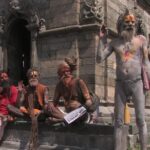
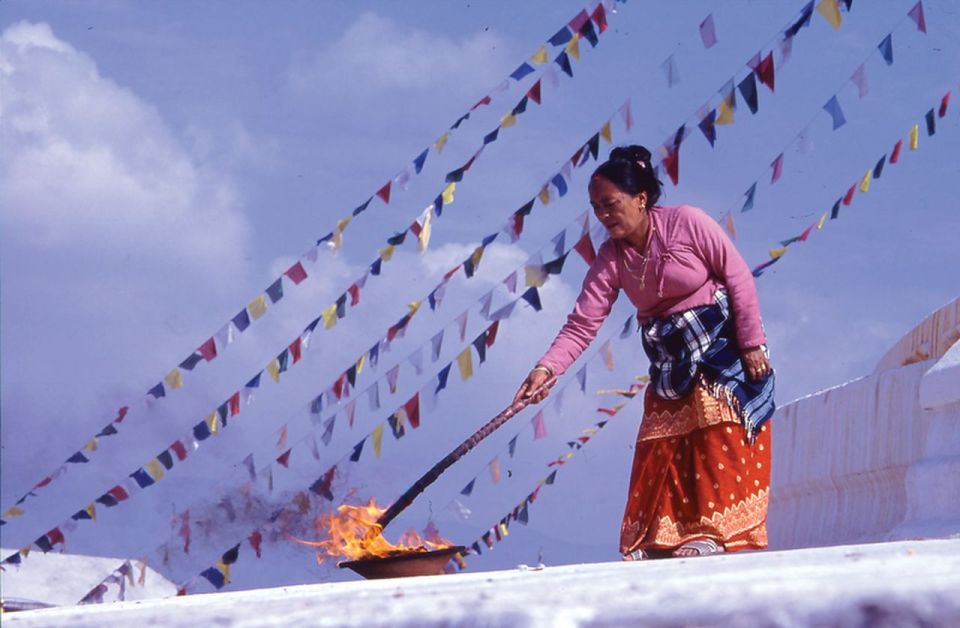
In the evening, the square changes. You’ll likely notice people sipping hot chai, devotees deep in prayer, and pigeons moving through the air like clockwork. This is the kind of “daily life meets heritage” moment that stays with you because it’s not staged.
One consideration: crowds can happen at heritage sites, and evening foot traffic can be thick. If you’re the type who gets irritated by people moving around your personal space, choose your resting spots carefully and expect some sharing of views.
You can also read our reviews of more evening experiences in Kathmandu

Sigal shrine: a quieter pause inside the lane network
Earlier on, you’ll hop off the rickshaw to visit Sigal, a Buddhist shrine inside an alley a few steps in. This stop gives your evening balance. Markets and major squares are active; a shrine stop is your reset button.
The value here is subtle. Kathmandu’s sacred sites aren’t always isolated “attractions.” They’re often tucked into the fabric of everyday lanes. Walking a few steps into Sigal helps you feel that shift from street life into quiet devotion.
If you want a practical tip: treat the shrine visit as a moment to slow down mentally. You’re not there to hurry through incense and stone. Let it be brief, respectful, and calm, and you’ll get more out of it than you might expect from a short detour.
The 2.5–3 hour plan: how to protect your evening
The tour duration is listed as 2.5 to 3 hours. In practice, time can slip depending on evening traffic, how long you spend at Asan, and how your group moves around Durbar Square. One past guest noted the timing felt shorter than expected, so I’d plan conservatively.
If you’re building an itinerary for the same day, I recommend putting the next plan at least an hour later. That cushion keeps your evening from feeling rushed if the streets are slower than usual.
Also, remember what’s included versus not. You’re covered for rickshaw hire, an English-speaking Nepali guide, Kathmandu Durbar Square entrance, and the Sigal shrine visit. Food and drinks are not included, so you’ll want to have a plan beforehand or be ready for snacks elsewhere after.
Price and value: what $49 buys you in Kathmandu
At $49 per person for a 2.5–3 hour small-group experience, you’re paying for more than transportation. You’re paying for a guided lens through active neighborhoods, time at major heritage space, and the included access fee to Durbar Square.
Here’s what that means for value:
- You don’t have to negotiate the route or the entry on your own.
- You get interpretation while you’re actually looking, not just a list of facts after.
- You support a model that hires rickshaws directly from drivers, which is a meaningful piece of local impact in a city where motorbikes and cars have replaced many pedicabs.
If your budget is tight, the key question is whether you’ll use the guide’s storytelling. If you like understanding why places matter—temples, squares, markets—this price starts to look fair fast. If you’d rather wander independently, you may see the cost as steep. But if you want an evening that feels guided without feeling scripted, $49 is a reasonable match for the time and coverage.
Guide style and small-group size: why 12 matters at night
This is a small group tour, capped at 12 people for walking plus the shared ride segments. In a city like Kathmandu, that size isn’t just “nice.” It changes the experience.
With fewer people, your guide can adjust pace, point out details at the right moment, and still keep everyone together on lane turns. At night, that cohesion matters. You’re switching between rickshaw seating and short walks, and you don’t want to get separated in the mess of street life.
I also see value in the guide being English-speaking and Nepali. When you’re navigating sacred spaces and market culture, language isn’t only about translation. It’s about tone and how context is explained.
Practical notes: what to expect when you’re hopping on and off
The tour is structured around motion plus stops:
- You ride a first about one hour by pedicab.
- You spend 15 minutes in Thamel.
- You spend one hour at Asan.
- You spend 1.5 hours at Kathmandu Durbar Square.
- You visit Sigal at a quiet alley stop during the route.
- You return to Hotel Marshyangdi.
So you’ll be dealing with short transfers and a few walks. That’s normal for this kind of city evening, and it’s part of why it feels local rather than “bus tour” comfortable.
One more practical angle: this tour is described as carbon neutral and operated by a B Corp certified company using travel as a force for good. It also notes that joining the tour supports cultural heritage preservation through entrance fees to Kathmandu Durbar Square. If you care about travel that gives something back, that’s a meaningful checkmark.
Who should book this Kathmandu sunset rickshaw tour
This is a strong fit if:
- you want Kathmandu at night without losing your bearings
- you like markets and temple squares, not just monuments
- you’re comfortable with a few short walks and sharing space in crowded areas
- you want a guided evening with small-group attention
It’s also ideal if you’ve already done the major museums or day tours and you’re craving something more street-level: lanes, shrine corners, and the rhythms of evening life.
If you hate crowds, dislike traffic exposure, or want a fully structured “sit in one place” experience, you might find the city energy a bit too active. That said, the rickshaw pace helps.
Should you book this Kathmandu at Sunset rickshaw tour?
My honest take: book it if you want an evening that feels like Kathmandu’s real tempo, not a checklist. The combination of Thamel orientation, Asan market time, Durbar Square temple-squares watching, and a calmer Sigal shrine stop makes the evening feel balanced.
Skip it only if you’re mainly looking for a long, relaxed tour time with a very predictable schedule. The experience length is listed as 2.5–3 hours, but real-world timing can vary on the ground.
If your goal is authentic charm with practical guidance and you don’t need food included, this is a solid choice.
FAQ
What is the duration of the Kathmandu at Sunset rickshaw tour?
The tour runs about 2.5 to 3 hours.
Where does the tour start and end?
It starts and ends at Hotel Marshyangdi, Chaksibari Marg, Thamel, Kathmandu.
How much does the tour cost?
The price is $49 per person.
What stops are included during the tour?
You’ll visit Thamel, Asan market, Kathmandu Durbar Square, and the Buddhist shrine at Sigal.
Is the entrance fee to Kathmandu Durbar Square included?
Yes, the entrance fee to Kathmandu Durbar Square is included.
Are food and drinks included?
No, food and drinks are not included.
What language is the guide?
The guide is English-speaking.
Is the tour carbon neutral, and does it support heritage preservation?
The tour is described as carbon neutral, operated by a B Corp certified company, and it supports heritage preservation through entrance fees to Kathmandu Durbar Square.