REVIEW · KATHMANDU
Kathmandu: 1, or 3-Day Yoga, Meditation & Reiki Retreat
Book on GetYourGuide →Operated by Cordial Trek Pvt. Ltd. · Bookable on GetYourGuide
Yoga, Reiki, and calm in Kathmandu. This 1- to 3-day retreat pairs yoga and meditation with a Reiki healing session in a peaceful mountain setting that’s built for stress reduction and simple spiritual growth. I also like how the day stays structured, so you’re guided step-by-step rather than left guessing what to do next.
One thing to consider: the schedule can feel packed, especially on the 1-day option, if you’re hoping for lots of free time between sessions.
Key highlights at a glance
- Easy pickup/drop from your Kathmandu hotel or apartment, timed to start the retreat smoothly
- Personal attention from an experienced yoga guru and instructors, including help for first-timers
- Reiki therapy designed for relaxation and stress release (including multiple sittings on longer plans)
- Sattvic vegetarian meals plus herbal tea, keeping your energy steady during practice
- Morning and chanting sessions on the 3-day program for a fuller rhythm of meditation
- Deluxe room options on the 3-day plan, with downtime that supports real rest
In This Review
- Why a Kathmandu yoga-and-Reiki retreat feels different
- Getting to the Yoga Center: pickup, timing, and your first quiet hour
- Your 1-Day retreat schedule: the most intense taste-test
- The 3-Day retreat: mornings, chanting, and real downtime
- Reiki therapy: what you can expect from the healing session(s)
- Sattvic meals and herbal tea: the unsung support system
- Deluxe rooms on the 3-day plan: where you actually recover
- The instructors and the value of being guided well
- Price and value in Kathmandu wellness (and what might not be perfect)
- Practical tips: how to prepare so you get the most out of it
- Should you book this Kathmandu Yoga, Meditation & Reiki Retreat?
- FAQ
- How long is the retreat?
- Do I get hotel pickup and drop-off?
- What activities are included?
- What meals are provided?
- Is Reiki included in both the 1-day and 3-day options?
- What should I bring?
Why a Kathmandu yoga-and-Reiki retreat feels different
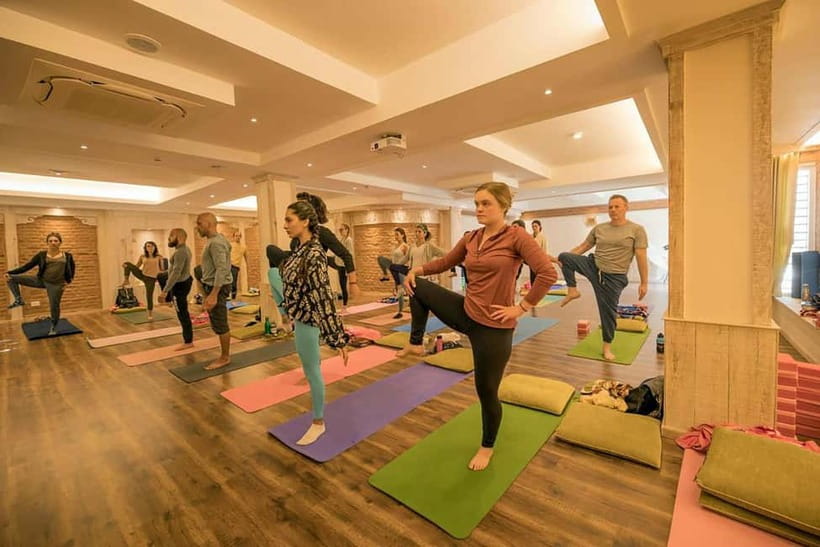
Kathmandu already pulls you in with its spiritual energy. This retreat gives you a focused, guided way to work with that mood, without turning your trip into a 30-class marathon.
You’ll start with yoga asanas and pranayama (breathing techniques), then move into meditation and even chanting on the longer option. It’s a practical mix: movement to loosen the body, breath work to settle the mind, and then a slower mode for reflection.
The best part for most people is that it’s designed for “come as you are.” The classes are paced for beginners, and you still get real instruction rather than just stretching in silence.
One more detail I appreciate: Reiki is included, and it’s treated as a gentle, relaxing energy practice. That matters if you’re the type who wants something beyond “sit and breathe” to help you let go.
Getting to the Yoga Center: pickup, timing, and your first quiet hour
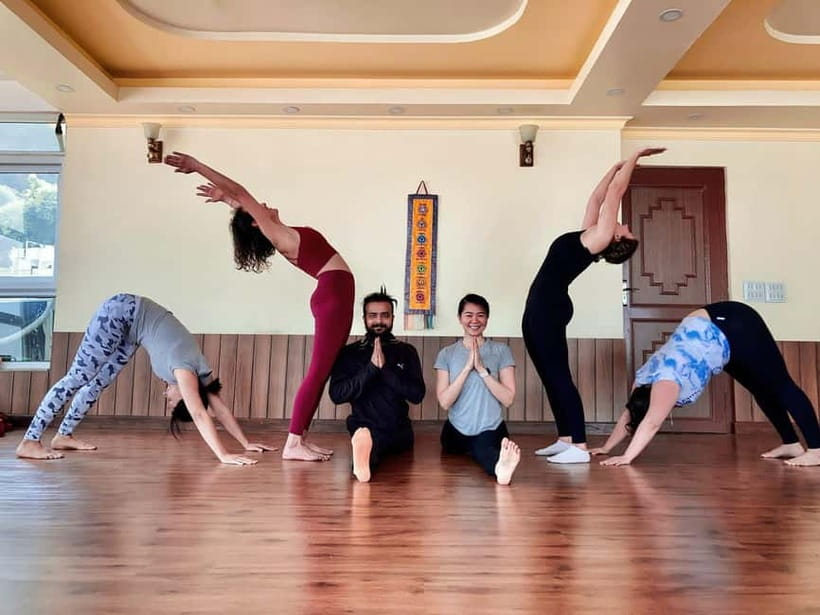
The retreat begins with hotel pickup from your Kathmandu hotel or apartment. You just need to wait in the lobby about 5 minutes before the scheduled pickup time, and you’re on your way.
After arrival, you check in and get a short orientation. The orientation is meant to help you understand the flow of the retreat—what the sessions are for, how your day will be organized, and what you can expect from your personalized activities.
Even if you don’t think of yourself as a “retreat person,” that early structure helps. You spend less time figuring things out and more time actually resting.
And because the program runs on a clear timetable, you can plan your Kathmandu day around it. If you’re staying centrally and want a calm block of wellness time, this format is unusually convenient.
You can also read our reviews of more tours and experiences in Kathmandu



Your 1-Day retreat schedule: the most intense taste-test
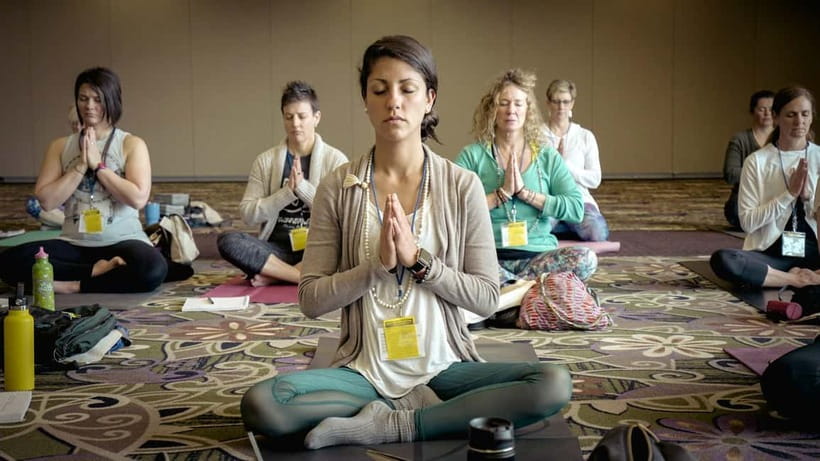
The 1-day plan is about 8 hours, and it packs a lot into a single day—so think of it as a strong introduction rather than a slow unwind.
11:00 AM pick-up → you’re collected from your hotel.
11:30 AM briefing → a short introduction to how the day will run.
12:00 PM yoga asana session → body prep first: postures and stretching that match a beginner-friendly rhythm.
2:00 PM Sattvic lunch → you eat in a way that supports practice: vegetarian, balanced, and meant to feel light.
3:00 PM Reiki retreat → a guided Reiki healing therapy session focused on releasing tension and reducing stress.
4:00 PM meditation → now you slow down and let the body catch up.
5:00 PM yoga asana flow → a second movement session to close the loop between breath, body, and calm.
7:00 PM drop-off → you head back to your hotel.
Here’s my practical take: if you’re coming straight from sightseeing, you might feel “busy” in your head at first. Once the yoga and breath work begin, the day starts to feel more like a reset than a checklist.
The main drawback is also the obvious one: with so many sessions, you may not get much quiet space in between. If you hate tight timing, the 3-day option is a better match.
The 3-Day retreat: mornings, chanting, and real downtime
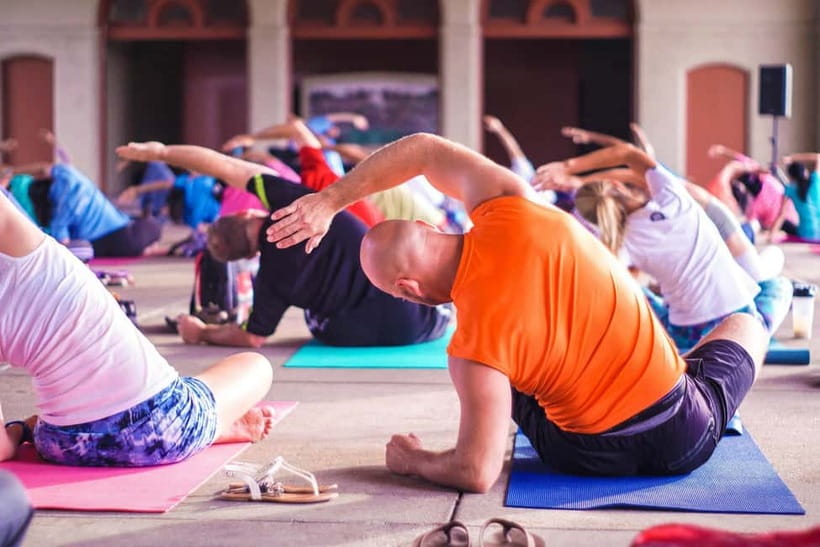
The 3-day retreat keeps the same overall idea—yoga, meditation, and Reiki—but adds breathing room and a fuller rhythm.
Day 1
- 11:00 AM pickup, 11:30 AM briefing
- 12:00 PM yoga asana
- 2:00 PM Sattvic lunch
- 3:00 PM Reiki
- 4:00 PM meditation
- 5:00 PM yoga asana flow
- Dinner in the evening
- You stay overnight in a deluxe room.
Day 2
- 7:00 AM yoga asana
- 8:00 AM chanting and relaxation
- 9:00 AM Sattvic breakfast
- 12:00 PM yoga asana session
- 2:00 PM Sattvic lunch
- 4:00 PM meditation
- 6:00 PM yoga asana flow
- 7:00 PM Sattvic dinner
Day 3
- 7:00 AM yoga asana
- 8:00 AM chanting and relaxation
- 9:00 AM Sattvic breakfast
- 12:00 PM drop back to your hotel
Two details make the 3-day plan feel worth it. First, you get repetition: you practice in the morning and again later, so your body learns the rhythm. Second, you’re not just receiving sessions—you’re given time to actually absorb them.
Based on feedback from past participants, there’s also time to enjoy quiet in your room and outdoor spaces like a garden or balcony. That kind of downtime is not a small perk—it’s where the stress release you’re paying for starts to stick.
One small note: the schedule is a guideline, and session flow can change slightly depending on the program and availability. That’s normal in retreats, but it’s good to know so you don’t expect clockwork precision.
Reiki therapy: what you can expect from the healing session(s)

Reiki here is described as a gentle energy practice that promotes deep relaxation and mental clarity. In practical terms, you should expect to lie or rest while the session focuses on stress release and calming tension.
On longer plans, Reiki is provided in more than one sitting—so you get more than a one-off experience. That helps if you’re hoping Reiki will feel like a process rather than a single moment.
If you’re new to Reiki, my advice is simple: treat it like rest with intention. Don’t worry about “feeling something” instantly. The goal is relaxation, and the program is structured so that you move from Reiki into meditation and yoga practice rather than rushing right back to sightseeing chaos.
Also, if you’ve ever left a spa treatment thinking you were calm for an hour and then the day ruined it, this approach may appeal. The retreat doesn’t isolate the therapy—it supports it with the rest of your day.
Sattvic meals and herbal tea: the unsung support system
Most retreats say food is included. This one emphasizes Sattvic vegetarian meals, and the difference shows up in how the day feels.
Sattvic meals are typically lighter and balanced, which matters when you have yoga and meditation back-to-back. You’re less likely to feel weighed down, and you’re more able to stay present during practice.
Lunch and dinner are included on the relevant days, and breakfast is included on the 3-day plan. Herbal tea and water are part of the routine, so you’re not left scrambling for hydration between sessions.
One practical tip: if you’re used to strong coffee and heavy meals while traveling, try not to fight the new rhythm. Eating the way the retreat provides makes the schedule easier to follow and can reduce that “sleepy after lunch” feeling that wrecks afternoon meditation.




Deluxe rooms on the 3-day plan: where you actually recover
For the 3-day retreat, you get 2-night deluxe room accommodation. In plain terms, that’s your reset space—the place where your body regains energy after practice.
Participants have described the rooms as higher-standard, and you also get time to enjoy calmer corners like a garden or balcony. That matters because yoga and meditation work best when you have a quiet gap afterward.
If you’re the type who always fills your downtime with errands, this retreat might tempt you to do the opposite. That’s not just “nice”—it’s part of making your wellness time productive.
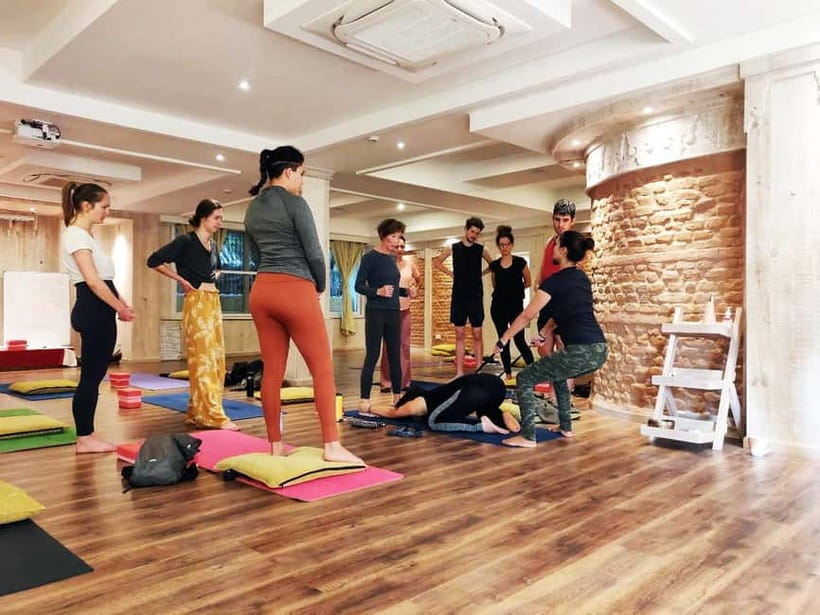
As for the center vibe, it’s not a private, silent monastery. The yoga home can have training sessions running at the same time, which means you might encounter people from different backgrounds and nationalities. That can feel friendly and social, as long as you still know how to choose quiet when you need it.
The instructors and the value of being guided well
The retreat includes an experienced yoga guru and instructors, and the emphasis is on help for new students. That’s a big deal, because yoga retreats can sometimes assume you already know basic alignment and breathing cues.
Here, the sessions cover yogic philosophy alongside the physical practice. You’ll also work with techniques like pranayama and breathing patterns, plus chanting as part of the longer itinerary.
I like that the program treats yoga as more than poses. Even if you only remember one concept—breath affects mood, movement affects tension, calm affects clarity—you leave with something useful you can repeat at home.
The practical reality: if you’ve never done yoga seriously, you’ll probably feel more comfortable here than in a class that moves fast and expects you to “keep up.” And if you already have experience, you may appreciate the structure and the chance to slow down with guided instruction.
Price and value in Kathmandu wellness (and what might not be perfect)
The listed price is extremely low at $4.90 per person. With that kind of price, the value question isn’t only cost—it’s what the package gives you for your specific needs: pickup, instruction, included meals, Reiki, and (for the 3-day plan) deluxe room accommodation.
If you want a well-organized intro to yoga, meditation, and Reiki, and you’re happy to follow a set timetable, this can be a strong deal. The included elements reduce the hidden costs that often show up with retreats—like transport and food.
Now the caution: the 1-day version may feel like “too much in one push,” especially if you’re hoping for a longer decompress. If your goal is deep rest, you’ll likely prefer the 3-day rhythm where you practice more slowly over multiple days.
Also, pay attention to schedule fit. The program can adjust based on availability, and if you show up expecting every segment to happen exactly at the printed time, you may feel a little surprised.
Practical tips: how to prepare so you get the most out of it
What to bring is simple: camera, cash, and a passport (a copy is accepted). If you’re traveling in Nepal, that passport copy detail can save time.
Language support is available in English and Hindi, which helps a lot if your Nepali is still in the “learning” stage.
Before you go, choose your goal. If you want a quick reset, the 1-day option is a good sampler. If you want something you can feel for longer than the evening, go for the 3-day retreat—especially because Reiki and meditation support each other across days.
Finally, be realistic about your body. The retreat isn’t suitable for certain groups, including pregnant women, people with mobility impairments, and children under 4. It’s also not for people over 95. If any of those categories apply to you, skip it and look for a gentler, medically compatible option.
Should you book this Kathmandu Yoga, Meditation & Reiki Retreat?
Book it if you want:
- A structured introduction to yoga + meditation + Reiki
- Included pickup/drop, Sattvic meals, and (on 3 days) deluxe room accommodation
- A calmer Kathmandu day or multi-day block that you can’t easily recreate on your own
Skip or think twice if:
- You’re sensitive to tight timing and want long silent gaps on the spot (the 1-day schedule may feel too full)
- You need specialized mobility or pregnancy accommodations (this retreat isn’t listed as suitable for those situations)
If your trip is already packed, this can still work well—because it takes care of the hardest part of wellness travel: logistics and pacing.
FAQ
How long is the retreat?
The experience is offered as a 1- or 3-day retreat, and the day schedule fits an approximately 8-hour window for the 1-day option.
Do I get hotel pickup and drop-off?
Yes. You’ll have pickup and drop service from your Kathmandu hotel or apartment, with drivers scheduled for the listed pickup time.
What activities are included?
You get daily yoga and meditation practice, plus Reiki healing therapy. The retreat program also includes elements like chanting and yogic philosophy, depending on which day plan you choose.
What meals are provided?
You’ll be served vegetarian Sattvic meals, with meals included across the retreat days. Herbal tea is also provided.
Is Reiki included in both the 1-day and 3-day options?
Reiki healing therapy is included. On the longer option, the program includes more than one Reiki sitting.
What should I bring?
Bring a camera, cash, and your passport (a copy is accepted).