REVIEW · KATHMANDU
Everest Base Camp Trek
Book on Viator →Operated by Outfitter Nepal · Bookable on Viator
Everest starts with one paperwork-free step. I like the way this trip bundles guides and porters with permits and paperwork handled, so you spend less time stressing and more time walking. The overall plan also keeps logistics tight: domestic flights, ground transfers, and meals are built into the schedule.
One thing to keep in mind is that the trek has real effort, and the stated price does not cover every cost. You’ll want to budget for the visa, the Everest Base Camp entrance fee, travel insurance, and tips, and you should come with a moderate fitness base because the altitude is the boss.
In This Review
- Key things I’d highlight before you go
- Why the guided Everest Base Camp plan feels low-stress
- Price and logistics: what your $1,300 covers (and where extra costs can sneak in)
- Kathmandu base camp: four nights, pickup help, and a very early departure
- Day 1: Kathmandu to Lukla, then Phakding at 2,610 m
- Day 2 and 3: Phakding to Namche Bazaar, plus a rest day that you shouldn’t skip
- Day 4: Namche to Tyangboche at 3,867 m
- Day 5: Tyangboche to Dingboche at 4,260 m, and Day 6’s acclimatization pause
- Day 7: Dingboche to Lobuche at 4,930 m
- Day 8: Lobuche to Everest Base Camp via Gorakshep
- Day 9: Kala Patthar at 5,545 m and down to Pheriche
- Day 10–12: the trek back—Pheriche to Namche to Lukla, then flight home
- The human side: guides, patience, and small comforts that change the mood
- Gear, warmth, and the little extras you’ll pay for anyway
- Weather requirements and backup plans you should understand
- Who this Everest Base Camp trek is best for
- Should you book this Everest Base Camp trek?
- FAQ
- What is the meeting point and start time?
- What is included in the trek accommodations and meals?
- Are domestic flights and transportation included?
- Do I need a visa before arriving in Nepal?
- Is travel insurance required?
- What additional fees should I plan for?
Key things I’d highlight before you go
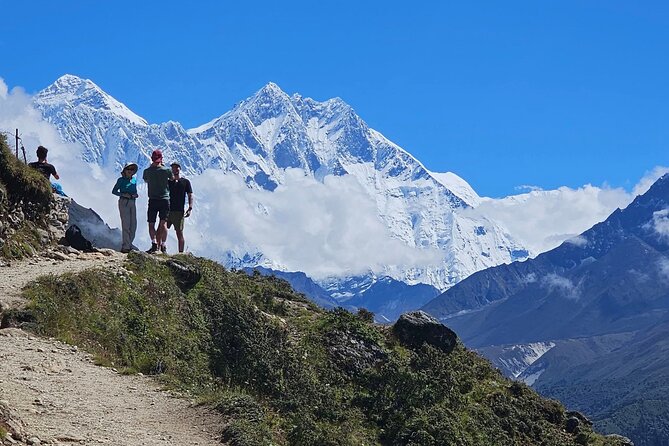
- Guides and porters included: you focus on pace, breathing, and showing up at each checkpoint
- Permits and paperwork taken care of: fewer forms, fewer last-minute worries
- Lodge/tea house stays plus Kathmandu nights: you get beds sorted for the whole route
- Acclimatization rest days at Namche Bazaar and Dingboche: smarter timing for higher altitude
- Gear supplied for the trek: sleeping bag, down jacket, duffle bag, and a trekking map
- Emergency helicopter arrangement: coordinated through your travel insurance if needed
Why the guided Everest Base Camp plan feels low-stress
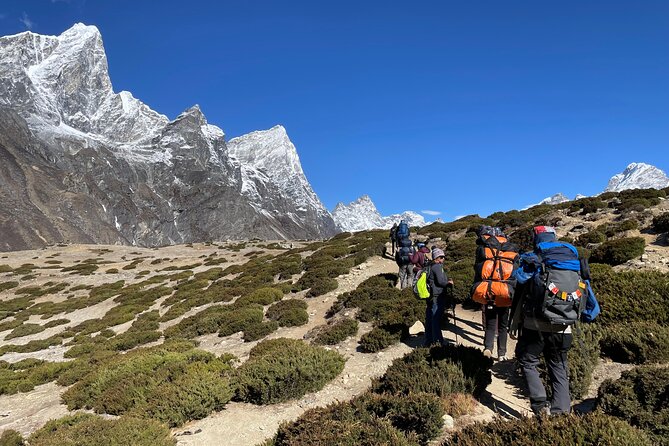
Everest Base Camp is the dream. The grind is the planning. This is why I like a guided format: you’re not piecing together transportation, permits, meals, and overnight stays while you’re trying to stay calm.
A big quality-of-life win here is that guides and porters are included, and the trekking paperwork and permits are handled for you. That matters on Everest routes where a small paperwork slip can turn into a big delay. With the basics covered, you can focus on the real work: walking safely at altitude.
You can also read our reviews of more hiking tours in Kathmandu
Price and logistics: what your $1,300 covers (and where extra costs can sneak in)
At $1,300 per person for about 12 days, this package is priced like a “logistics taken care of” expedition. You’re not just paying for a trail guide. You’re paying for the whole machine that gets you from Kathmandu to Lukla and back, and from lodge to lodge along the way.
Here’s what’s included that’s usually the headache elsewhere:
- Domestic flight fare Kathmandu–Lukla–Kathmandu, plus domestic airport tax
- Private vehicle transfers for domestic hotel/airport movement
- Lodge/tea house accommodations on trek and four nights in Kathmandu
- Breakfast, lunch, and dinner during the trek
- An experienced guide, plus the guide’s salary/food/accommodation/insurance
- Trekking gear: sleeping bag, down jacket, duffle bag, and a trekking map (returned after the trek)
Now the costs you’ll need to plan for:
- Nepal entry visa ($40 USD for 1 month, plus two passport photos)
- Travel insurance (compulsory)
- Everest Base Camp entrance fee ($40 USD per person)
- Tips for guide and staff
- Hotel and food in Kathmandu (outside what’s included) and personal expenses
- Some comforts that cost extra: sweet snacks like chocolate bars and hot showers aren’t included, and battery charging is also called out as an extra
I’d call this trip good value if you’re the type who wants fewer moving parts. If you’re the type who loves DIY spreadsheets, you might find cheaper options—but you’ll be taking on more risk in the planning.
Kathmandu base camp: four nights, pickup help, and a very early departure
Your start point is Tribhuvan Airport in Kathmandu, with a 6:15 am start time. Expect the day to begin early because the first step is getting airborne to Lukla.
You’re also set up with private vehicle transfers for domestic hotel/airport moves and pickup is offered. That’s the kind of detail that matters in Kathmandu, where traffic and timing can be unpredictable.
You also get four nights in Kathmandu included. That’s helpful because it gives you breathing room before the mountain climbing days start, instead of compressing everything into one rushed overnight.
Day 1: Kathmandu to Lukla, then Phakding at 2,610 m
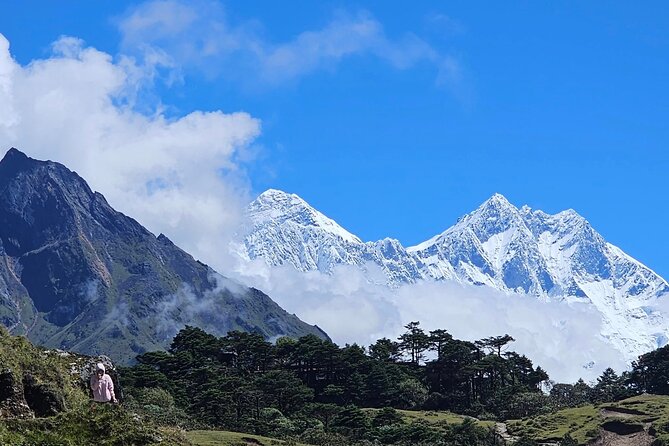
Day 1 is the classic jump from city altitude to the Khumbu. You fly from Kathmandu to Lukla at 2,886 m, then trek about four hours to Phakding at 2,610 m.
The “up then slightly down” feel of this start is common on the route. You’ll often notice your body reacting to the change even if you’re not going higher yet. Keep the first day easy. You’re not trying to win a pace contest on day one.
Logistically, this day is valuable because you’re not walking straight from Kathmandu. The flight gets you into the trekking zone fast.
Day 2 and 3: Phakding to Namche Bazaar, plus a rest day that you shouldn’t skip
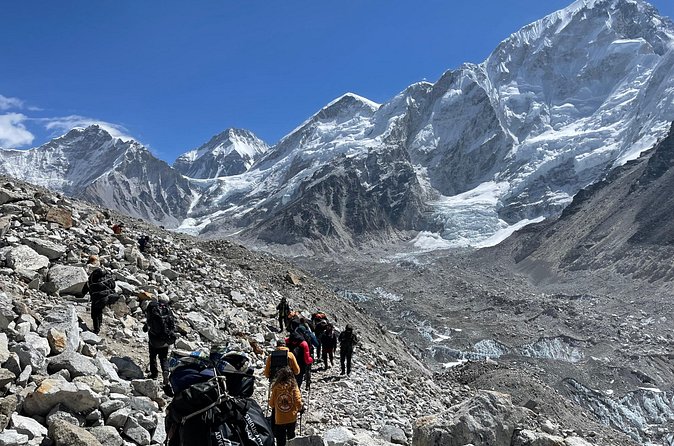
On Day 2, you trek roughly six hours from Phakding to Namche Bazaar at 3,440 m. This is a key step up, and you’ll feel it.
Then Day 3 is a rest day at Namche Bazaar for acclimatization. It’s not “free time” in the casual sense. It’s there for a reason: your body needs time to adjust before you go higher. If you treat the rest day like a sightseeing sprint, you’ll pay for it later.
Namche also gives you a chance to get into a trekking rhythm: slower steps, steady breathing, and learning how your body handles altitude. This is where a good guide helps you set expectations and keep you from doing too much too soon.
Day 4: Namche to Tyangboche at 3,867 m
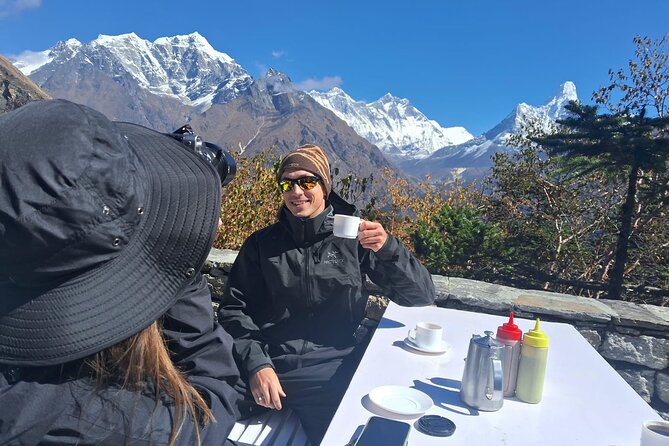
Day 4 is about five hours trekking from Namche Bazaar to Tyangboche at 3,867 m. This is a satisfying day because it’s long enough to feel productive, but not so extreme that you’re fighting your body the whole time.
Tyangboche is a turning point stop on many Everest routes. You’ll typically get the sense that you’re now deep enough into the trekking corridor that the mountain days are officially underway.
If you’ve been disciplined on pace and hydration so far, you’ll arrive with more energy than you expect. If not, you’ll feel it quickly.
Day 5: Tyangboche to Dingboche at 4,260 m, and Day 6’s acclimatization pause
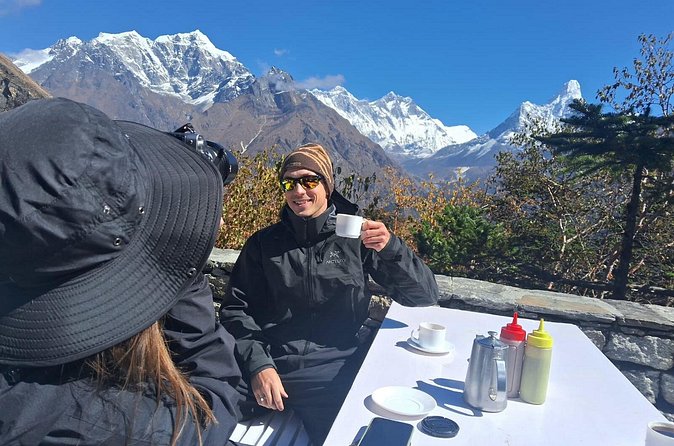
Day 5 takes you from Tyangboche to Dingboche at 4,260 m in about five hours. This is another step upward, and it’s a day where your breathing will guide your pace.
Day 6 is a rest day at Dingboche for acclimatization. Again: not optional in spirit, even if you’re feeling okay. This stop helps you avoid the common mistake of racing upward just because you can.
It’s also a day where you’ll likely start noticing how cold mornings and evenings can be, even if the trekking hours feel manageable. Packing and layering choices become more than a comfort issue at this altitude.
Day 7: Dingboche to Lobuche at 4,930 m
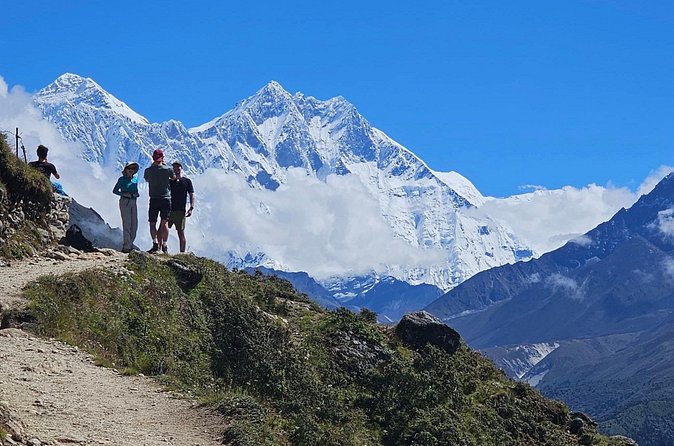
Day 7 is a five-hour trek from Dingboche to Lobuche at 4,930 m. You’re moving into higher altitude trekking territory, and the scenery and effort often feel sharper here.
This is a day to keep your stride short and your tempo steady. When altitude gets harsher, fast walking usually turns into slow progress anyway—because you spend your energy catching your breath.
If you’re carrying a lot of weight, keep that in check. One advantage of having porters is that you can aim to keep your load manageable, which helps both comfort and safety.
Day 8: Lobuche to Everest Base Camp via Gorakshep
Day 8 is the big “big day” inside the climb: roughly 6–7 hours from Lobuche to Everest Base Camp via Gorakshep. This is where anticipation can run ahead of your body, so you’ll want to let the guide set a pace that stays sustainable.
Base Camp itself is not a “hang out all day” experience for most people. The value is the achievement and the moment you’re standing at the goal after steady days of walking and acclimatizing. You’ll earn it.
One practical note: you’ll likely feel the altitude more strongly on this day, even if you followed the rest-day plan. That’s normal. Keep sipping water, keep warm layers accessible, and don’t treat it like a sprint.
Day 9: Kala Patthar at 5,545 m and down to Pheriche
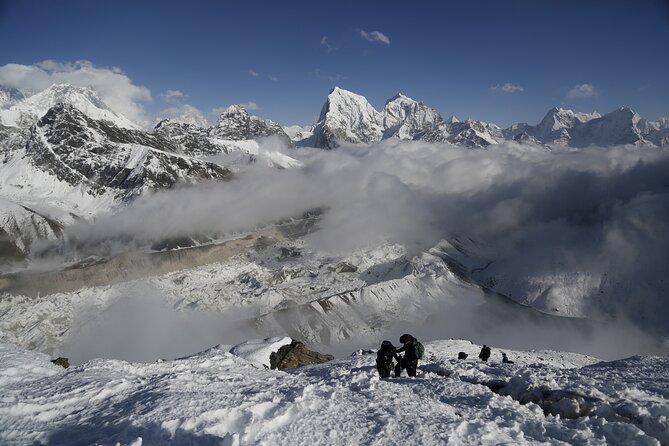
Day 9 takes you from Gorakshep to Kala Patthar at 5,545 m, then on to Pheriche at 4,243 m. The total trek time is listed at about seven hours.
Kala Patthar is a high point day. It’s the kind of moment that makes the rest of the trek feel worth it, but it also asks for respect. High altitude effort turns even simple steps into work, so don’t get caught up in trying to climb quickly.
Then you descend toward Pheriche, which is a relief for your body. After the highest effort, you’ll appreciate the change in air pressure and the chance to reset.
Day 10–12: the trek back—Pheriche to Namche to Lukla, then flight home
Day 10 goes from Pheriche to Namche Bazaar in about six hours. Day 11 continues from Namche to Lukla in about six hours. Day 12 is your flight from Lukla back to Kathmandu, plus transfer to your hotel, with breakfast included on the final day.
Descending can feel easier than the climb, but it’s not automatically gentle. Knee stress and fatigue are real on the way down. Good trekking rhythm here is all about controlling step length and staying aware of slippery spots.
By the time you’re back in Namche and then Lukla, the emotional tone often shifts from endurance to relief. You’re not just chasing a destination; you’re also finishing a full cycle of adaptation.
The human side: guides, patience, and small comforts that change the mood
This trek lives or dies by the guide. And the good news is that this outfit puts real emphasis on the people doing the work beside you.
In past experiences shared through the company’s own history, I’ve seen stories of guides who were patient and genuinely supportive. Names that came up include DInish and Arjun, with descriptions of guides helping with day-to-day challenges and keeping spirits up. One memorable detail: Arjun brought fresh fruit each night as dessert, which sounds simple, but at altitude it can feel like a morale boost.
Another name that appeared was Kiran. I also liked the emphasis on honest problem-solving when things went sideways. One account described an Act of God monsoon that disrupted roads and stranded people for days, and the response was handled openly and transparently—then the plan made up time after conditions improved.
That matters because Everest routes are never just a straight line. You want a team that communicates early when conditions shift.
Gear, warmth, and the little extras you’ll pay for anyway
You don’t have to show up with a full cold-weather kit. The trek includes sleeping bag and down jacket, plus a duffle bag and trekking map. That’s helpful value and also practical if you’re arriving from home and don’t want to buy gear for one trip.
That said, you still need to think about your own comfort and small spending:
- Hot showers and sweet snacks are not included
- Battery charging and other personal add-ons cost extra
- If you need a porter (beyond what’s included), it’s listed at $20 per day, up to $220 total
For many people, these “extra comfort” costs are the only surprises. If you budget a small daily amount for snacks, charging, and the occasional warm treat, you’ll avoid the end-of-trip sticker shock.
Weather requirements and backup plans you should understand
This experience requires good weather. If conditions are poor and the trek is canceled due to weather, you’ll be offered a different date or a full refund.
There’s also an emergency helicopter service arrangement. The key detail: it will be paid by your travel insurance company. That’s why travel insurance isn’t a casual add-on here—it’s required.
And one more reality check: the booking is non-refundable and can’t be changed for any reason. That’s a serious policy, so only book once you’re confident you can travel.
Who this Everest Base Camp trek is best for
This trek is described as suitable for moderate physical fitness. That fits a lot of hikers who can walk daily, handle steep sections, and accept that high altitude limits your pace.
It’s also capped at a maximum of 14 travelers, which usually helps keep group energy manageable. And because accommodations and meals are planned, you’ll spend less time making decisions and more time executing the trek.
If you’re the type who wants a structured plan, included gear, and someone handling permits and logistics, this matches your style. If you’re chasing total DIY freedom, you may resent paying for convenience.
Should you book this Everest Base Camp trek?
If your priority is removing the friction from one of the toughest bucket-list hikes, I’d say this is a strong choice. The included structure is what you’re paying for: domestic flights, lodge stays, most meals, guides, porters, and the paperwork trail.
I would only hesitate if you:
- Hate added costs after booking
- Know you need a lot of flexibility on dates
- Don’t have the fitness for high-altitude walking
For the right person, this is the kind of trip where the goal stays clear. One step after another. Good pacing. And when the route reaches Everest Base Camp, you’ll feel the payoff in your legs and in your head.
FAQ
What is the meeting point and start time?
You meet at Tribhuvan Airport in Kathmandu, Nepal, with a start time of 6:15 am.
What is included in the trek accommodations and meals?
Accommodation on trek is included in lodges/tea houses, and breakfast, lunch, and dinner are included during the trek. Four nights in Kathmandu are also included.
Are domestic flights and transportation included?
Yes. Domestic flights (Kathmandu–Lukla–Kathmandu) and all domestic hotel/airport transfers by private vehicle are included, along with ground transportation.
Do I need a visa before arriving in Nepal?
The Nepal entry visa fee is not included. The info provided says you can issue the visa upon arrival at Tribhuwan International Airport, and it costs $40 USD for a 1-month visa (plus two passport-size photos).
Is travel insurance required?
Yes. Travel insurance is compulsory. The helicopter emergency service is arranged and will be paid by your travel insurance company.
What additional fees should I plan for?
The Everest Base Camp entrance fee is $40 per person, and tips for the guide and staff are not included. If you require an additional trekking porter, it’s listed at $20 per day (up to $220 per person).