REVIEW · KATHMANDU
Everest Base Camp Trek
Book on Viator →Operated by Welcome Nepal Treks P.ltd · Bookable on Viator
One step into the Khumbu and you feel small. This Everest Base Camp trek is built around Sherpa culture stops like Namche Bazaar and the big finish at Everest Base Camp viewpoints, with a guide who keeps you moving wisely at high altitude. The one drawback to plan around is the Lukla flight schedule, since bad weather can force rescheduling.
I like that the trip is structured for how mountain travel really works: early starts, steady days, and acclimatization breaks in key places. With an experienced guide and porters (1 porter for 2 people), you get local know-how and practical help without turning the trek into a logistics test.
At the same time, this is a serious altitude trek. You’ll need strong fitness, and you should accept that some days involve long uphill effort and basic lodges in remote villages.
In This Review
- Key highlights you’ll actually care about
- The Everest Base Camp trek, in plain terms
- Kathmandu start: where the clock begins and stress stays low
- Lukla and Phakding: the jump into real trail life
- Namche Bazaar: acclimatization and Sherpa culture you can feel
- Tengboche and the monastery stop at 3867m
- Dingboche (4260m) and the acclimatization rhythm that matters
- The Lobuche push toward 4930m
- Gorakshep to Everest Base Camp: the hardest day that earns the payoff
- Kala Patthar and the descent to Pheriche at 4243m
- Back to Namche and Lukla: finishing the trek with smart energy
- Price and logistics: what $1,500 buys you (and what it doesn’t)
- Guides and porters: the difference between surviving and enjoying
- Flights to Lukla: plan for weather, not for hope
- Food, water, and the real village-life rhythm
- Accommodation: what to expect in Kathmandu versus the trail
- What to pack when your main bag rides on someone else
- Who this trek fits best
- Should you book this Everest Base Camp trek?
- FAQ
- What is the duration of the Everest Base Camp trek?
- Where does the tour start in Kathmandu?
- What is the meeting time in Kathmandu?
- How much does the trek cost?
- What’s included in the trek price?
- What is not included?
- How many travelers are in the group?
- How does luggage carrying work on the trek?
- What if the Lukla flight is cancelled or delayed?
- Can I request a single room?
Key highlights you’ll actually care about
- Namche Bazaar acclimatization so you can adjust before higher climbs
- Tengboche and its monasteries for a more spiritual side of the Khumbu
- Everest Base Camp via Gorakshep where the effort feels worth it
- Kala Patthar day for the big-height payoff and the return descent to lower elevations
- Small group size (max 15) with a guide and porter support setup
The Everest Base Camp trek, in plain terms
Everest Base Camp trekking is often sold as a challenge. In practice, it’s also a front-row seat to how daily life, faith, and mountain work mesh together in the Khumbu region.
You start with Kathmandu comfort, then shift into lodge life. Each day brings a mix of altitude gains, village stops, and the familiar routine of tea houses, meals, and getting sorted before you move again. By the time you reach the Everest Base Camp area, you’re not just seeing a famous destination. You’re arriving with a lot of earned context: the route, the culture, and the altitude lessons that got you there.
If you get a guide like Pradip (names you may see attached to this trip include Pradip/Master Zi and Pradip Big Z), you’ll likely appreciate how the day-to-day feels calmer. The guide role here isn’t just directions. It’s pacing, safety awareness in rough terrain, and helping you notice what matters, like wildlife along the trail.
You can also read our reviews of more hiking tours in Kathmandu
Kathmandu start: where the clock begins and stress stays low
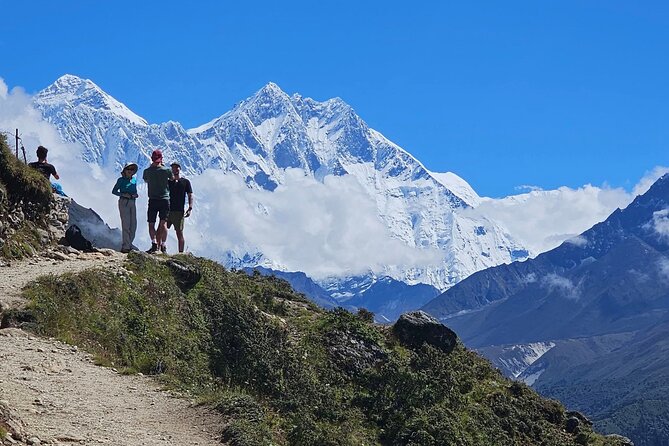
Your trek starts in Kathmandu at Tribhuvan International Airport, with pickup and drop by private vehicle. You land, meet the representative, and head to your hotel. Two nights of 3-star standard accommodation are included in Kathmandu (arrival day and after trekking), with attached bath and hot/cold running shower, plus A/C.
You’re also asked to share your international flight details for a meeting-and-greeting setup. On arrival, you’ll find someone holding your name at the terminal exit, and then transfer straight to the hotel unless you already booked your own Kathmandu lodging.
Why this matters: Kathmandu can be noisy, busy, and confusing if you arrive tired. Having airport handling sorted means you spend your energy on the trek instead of on figuring out where to go.
A practical note: lunch and dinner in Kathmandu are not included, so you’ll want a small daily budget for meals, drinks, and any sightseeing entrance fees (the trip lists an approximate entrance-fee figure for Kathmandu planning).
Lukla and Phakding: the jump into real trail life
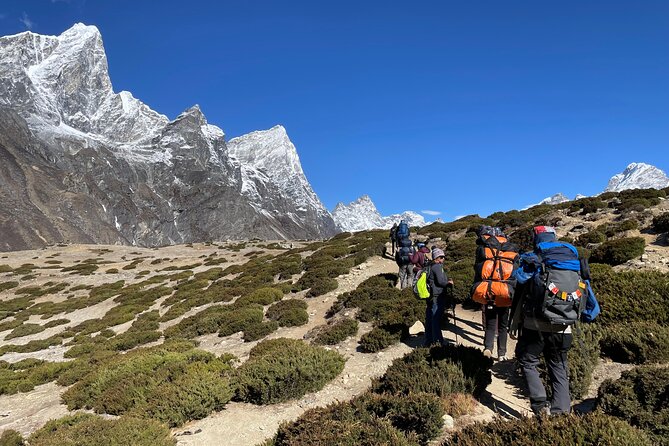
The next stage takes you from Kathmandu to Lukla by early flight, then onward to Phakding. Lukla sits at 2886m, and Phakding is around 2640m, so this is your first taste of altitude change.
From Lukla, you trek to Phakding for your first night at lodge level. Expect a full travel day. You’ll be switching from city time to mountain rhythm fast: gear organized, water handled, and your legs getting used to trekking again.
Here’s the important part: the Lukla flight is central to the whole schedule. If weather disrupts flights, the provider says they’ll reschedule your Lukla flight for the following day if possible. In group situations, they may also arrange a helicopter option at your expense.
If you’re the kind of traveler who hates schedule uncertainty, this is the main point to weigh before booking.
Namche Bazaar: acclimatization and Sherpa culture you can feel
From Phakding, you trek up to Namche Bazaar (around 3440m). Namche is also where the itinerary builds in an acclimatization day. That means you don’t just climb and hope. You stop and let your body adjust before continuing higher.
Namche Bazaar works as your cultural and logistical hub. It’s where Sherpa life is plain to see, and it’s also the practical training ground for the rest of the Khumbu: get used to the pace, learn how your appetite and sleep handle altitude, and take advantage of the slower rhythm.
In the feedback tied to this kind of trek setup, the guide support matters a lot here. If your guide is Pradip, for example, the style you’ll likely appreciate is mountain knowledge plus attention to what you can actually spot on the trail (wildlife is specifically mentioned). That turns an acclimatization day from a chore into a learning day.
Tengboche and the monastery stop at 3867m
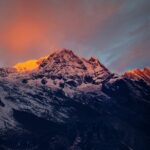
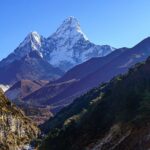
After Namche, you head toward Tengboche (3867m). Tengboche is famous in many trekkers’ minds for monasteries and a more spiritual atmosphere, and this trek keeps that stop in the middle of your altitude climb where it fits well.
This day tends to feel like a blend: physical effort uphill, but with a quieter, reflective vibe when you arrive. Even if you’re not deeply religious, it’s a powerful place to pause and realize this region isn’t just about Everest.
One thing to consider: as you go higher, cold and wind can become part of your day. You’ll want layers that work fast, because you may be switching between uphill movement and standing around at tea houses.
Dingboche (4260m) and the acclimatization rhythm that matters
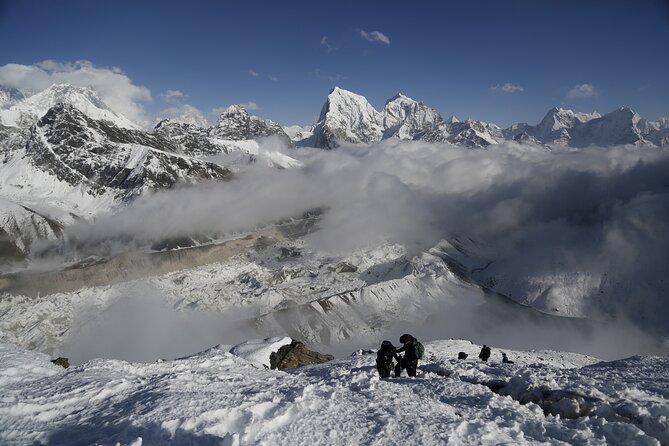
From Tengboche you move up to Dingboche at about 4260m, another key acclimatization point in the plan. Then you have a further acclimatization day in Dingboche.
Why this pacing is valuable: the Everest Base Camp area is high and the route keeps rising. Built-in rest days help reduce the chance that you rush too hard. Even if you feel fine, your body still has to handle altitude changes over time.
Dingboche is also a good place to practice your routine: how often you drink, how you manage rest breaks, and how you keep your energy up through lodge meals. This is where I’d tell you to stay disciplined. The summit story is earned by steady behavior on days like these.
The Lobuche push toward 4930m
From Dingboche, you trek toward Lobuche (around 4930m). This stage includes lunch planning in the route description, and then continued hiking to reach your evening lodge.
This is where the trail starts feeling tougher. The air is thinner, the climbs can be longer, and you’re closer to the Everest Base Camp zone. Your guide’s job becomes even more important here: pacing, checking terrain conditions, and keeping the group together.
This is also a day where you’ll appreciate porter support. Your main luggage is carried by porters. You carry a day pack with items like water, camera, sunscreen, spare jacket, and what you need for the hours on the trail.
Gorakshep to Everest Base Camp: the hardest day that earns the payoff
The trek’s most rewarding section is the stretch from Lobuche to Everest Base Camp via Gorakshep. You go to Gorakshep (about 5140m) and then onward to Everest Base Camp around 5364m.
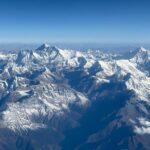
This is the day that turns effort into emotion. You reach the Base Camp foothill area, where you get those unmistakable views of the Everest region, and where the whole adventure starts feeling real.
What you’ll want to manage: energy. You’re at high altitude, so you might not feel like eating as much, even when you know you should. Follow your guide’s pace. If your legs start to feel heavy, it’s smarter to slow down and keep steady than to surge and stall.
If your guide is the Pradip-style mountain type mentioned in the provided information, expect a calm, experienced approach to moving through rocky sections and staying aware of conditions.
Kala Patthar and the descent to Pheriche at 4243m
After Everest Base Camp, the next major move is from Gorakshep to Kala Patthar at about 5545m, then trekking onward to Pheriche (about 4243m).
Kala Patthar is the altitude payoff day. The plan is built for you to reach that high point, then come down to a more workable elevation.
From a traveler’s standpoint, this is a two-part mental challenge:
- the climb to a very high viewpoint
- then the relief of descending while still staying careful
Pheriche gives you a chance to recover in lodge comfort before the route turns back downward toward Namche and Lukla.
Back to Namche and Lukla: finishing the trek with smart energy
You trek from Pheriche back toward Namche Bazaar (around 3440m). Then you continue to Lukla (about 2886m) for the return flight to Kathmandu.
These are big days in a different way. You’re no longer pushing toward the Base Camp area. Instead, you’re managing fatigue and keeping your feet happy. The plan schedules long days, but it also gives you the satisfaction of moving downhill, which can feel easier even when your legs are tired.
Once in Lukla, you rest and then take an early flight back to Kathmandu. Back in Kathmandu, you get transferred to your hotel again and eventually to Tribhuvan International Airport for departure.
Price and logistics: what $1,500 buys you (and what it doesn’t)
At $1,500 per person for about 14 days, you’re paying for far more than just walking. This price includes:
- airport pickup and drop in Kathmandu by private vehicle
- two nights in Kathmandu at a standard 3-star hotel
- all lodge accommodations during the trek
- an experienced guide and porters (1 porter for 2 people)
- guide and porter meals, food, accommodation, transportation, and insurance
- TIMS card fees and a first aid medical kit
- breakfast daily (14), plus lunch (11) and dinner (11) during trek days
What’s not included is equally important:
- your travel insurance
- lunch and dinner while you’re in Kathmandu
- drinks (including alcohol and non-alcoholic beverages)
- tips and personal expenses (snacks, table drinks, souvenirs)
- entrance fees for Kathmandu sightseeing (listed as roughly $25 in planning)
So is it good value? For me, the clearest sign is the included guide/porter support and the full meal plan during the trekking portion. Lodges add up fast in remote regions, and having meals handled reduces decision fatigue.
If you already have your own gear, your own insurance, and you’re fine budgeting for Kathmandu meals and drinks, this package looks like a straightforward buy.
Guides and porters: the difference between surviving and enjoying
This trek runs on teamwork. The plan explicitly includes:
- an experienced, helpful guide
- porters with a ratio of 1 porter for 2 people
- a duffle bag option if needed
- first aid kit support
That matters because carrying your own main luggage at high altitude for two weeks is a lot. With porters doing the heavy carry, you can focus on your day pack and the trail.
Also, the feedback tied to this operator strongly highlights guide quality. Names like Pradip (including Master Zi and Pradip Big Z) are mentioned with praise for mountain knowledge, wildlife spotting, and keeping the group feeling safe and well informed on difficult terrain. Another agent name mentioned is Niti, praised for professional pre- and post-trip handling.
Even if your guide isn’t the same person, the structure suggests you should expect real guidance, not just a random walking buddy.
Flights to Lukla: plan for weather, not for hope
The trip includes a flight from Kathmandu to Lukla and then Lukla back to Kathmandu. It also includes a stated approach if flights are delayed or cancelled:
- they reschedule for the following day, subject to availability
- helicopter is possible in group situations, with a minimum cost of US$500 per person, depending on group size
- you’re advised to have travel insurance covering flight cancellation for at least that amount so you can claim after returning from the trip
- helicopter costs are your own expenses
This is the biggest operational risk in the whole experience, and it’s not a small one. If your schedule is tight or you’re traveling with strict deadlines, this is where you should slow down and make sure you’re choosing flexibility.
Food, water, and the real village-life rhythm
On trek days, meals are included in lodges:
- breakfast and dinner where you stay overnight
- lunch is handled by the guide based on available stop locations
- water is available in normal form for free, and the plan recommends water purification pills
- you can also buy bottled or boiled water along the route
In plain terms: bring purification pills and treat your water routine as part of your gear list.
Also, this trek includes electricity availability in some villages for charging batteries, with solar power in some places. The plan notes you may have to pay for recharging, so carrying spare batteries or a backup power plan is smart.
Accommodation: what to expect in Kathmandu versus the trail
In Kathmandu, you get 3-star standard hotels with attached bath and A/C. During the trek, you’ll stay in Mt. Lodge and local tea houses.
Here’s the balance: lodge comfort is not the same as a city hotel. You’re trading luxuries for location and access. The included setup matters because it keeps you from having to negotiate each night or wonder where you’ll sleep.
The plan also says accommodations are twin share unless requested otherwise. A single supplement option exists at an additional US$200.
What to pack when your main bag rides on someone else
Since porters carry your main luggage, you mainly need a day pack. The plan suggests keeping your carried items limited to basics like:
- water bottle
- camera
- sunscreen
- spare jacket
- essentials for comfort during walking and breaks
It also highlights a weight allowance for domestic airlines of 15 kg including hand baggage. Excess weight is charged by domestic airlines at USD 1 or more.
So your packing goal is simple: pack light enough for flight limits, but organized enough for cold mornings and changing conditions. If you’re unsure, you can keep non-trek items in Kathmandu lockers and only carry what you need on the mountain.
Who this trek fits best
This experience is aimed at people with strong physical fitness. It’s 14 days of sustained hiking with multiple high-altitude stages and long effort days.
It also suits travelers who:
- want the classic Everest Base Camp route with key Sherpa towns and viewpoints
- prefer a supported trip with a guide and porter system
- like structured pacing, especially with acclimatization stops
If you’re someone who wants a short, low-effort vacation, this isn’t that. It’s a mountain trek where effort is part of the deal.
Should you book this Everest Base Camp trek?
I’d book if you want a well-supported classic route with real logistics handled: airport transfers, Kathmandu hotels, lodge stays, guide and porter support, and a full meal plan on trekking days.
I’d think twice if:
- you have a strict schedule that can’t absorb possible Lukla flight disruptions
- you don’t plan to get travel insurance (flight cancellation risk is explicitly part of the setup)
- you’re hoping for hotel-level comfort every night
If you come ready for altitude effort, respect the pacing, and budget for Kathmandu meals and drinks plus tips, this trek looks like a solid way to chase Everest while staying grounded in how the Khumbu actually works.
FAQ
What is the duration of the Everest Base Camp trek?
The trek is listed as 14 days (approx.).
Where does the tour start in Kathmandu?
It starts at Tribhuvan Airport (Kathmandu, Nepal).
What is the meeting time in Kathmandu?
The meeting start time is 5:30 am.
How much does the trek cost?
The price is listed as $1,500.00 per person.
What’s included in the trek price?
Included items cover airport transfers, Kathmandu hotel nights, lodge accommodations during the trek, guide and porter services (including their food, accommodation, insurance, and transportation), TIMS card fees, a first aid medical kit, and many meals (breakfast 14; lunch 11; dinner 11). Taxes and service charges are also included.
What is not included?
The package does not include your travel insurance, lunch and dinner while you are in Kathmandu, and all alcoholic and non-alcoholic drinks.
How many travelers are in the group?
The maximum group size is listed as 15 travelers.
How does luggage carrying work on the trek?
Your main luggage is carried by porters and you carry a day pack during the trek. A trek bag is ideal, and you can leave items you don’t need in Kathmandu lockers. The plan also mentions a 15 kg weight allowance on domestic airlines (including hand bag).
What if the Lukla flight is cancelled or delayed?
The plan states they will reschedule for the following day subject to availability. It also mentions a helicopter option in group situations at your expense (minimum US$500 per person, depending on group size), and suggests having travel insurance that covers flight cancellation for at least that amount.
Can I request a single room?
Yes. Single supplement accommodation is available on request for an additional US$200.