REVIEW · KATHMANDU
Everest Base Camp Trek and Kathmandu Tour: 15 Days
Book on Viator →Operated by Attractive Travels and Tours Pvt. Ltd. · Bookable on Viator
Everest Base Camp is a long way from home, in every sense. This 15-day mix pairs Kathmandu Valley UNESCO sites with the big-ticket Khumbu trek, including Lukla flights and mountain views around Kala Patthar and Everest’s glacier/icefall zone.
I like how the Kathmandu portion hits several religions in one go: Swayambhunath (Monkey Temple), Pashupatinath on the Bagmati River, and Boudhanath. On the trek side, I really like the pacing logic, with an acclimatization stop in Namche and a dedicated Kala Patthar push timed for sunrise.
One drawback to plan for: the Lukla flight is famously weather-sensitive, and this trek is altitude-heavy from the high villages onward. If you’re not comfortable with thin air and early starts, you’ll feel it.
In This Review
- Quick hits
- Kathmandu Valley first: temples, stupa, and a river you can’t ignore
- Lukla flight day: roller-coaster nerves and the thin-air warm-up
- Namche Bazaar acclimatization: where your legs learn the rules
- Tengboche and the monastery break: mountain views with a spiritual pause
- Dingboche to Lobuche: views get big, and so does the challenge
- Gorak Shep, Everest Base Camp, and Kala Patthar at 5,644m
- Coming down the Dudh Koshi: easier walking, same altitude awareness
- Back to Kathmandu: rest, one last day of exploring, and a farewell dinner
- Price and logistics: what $1,799 covers, and what to budget extra
- Who this 15-day EBC + Kathmandu plan fits best
- Should you book this Everest Base Camp and Kathmandu tour?
- FAQ
- How long is the Everest Base Camp trek and Kathmandu tour?
- What is the price per person for this tour?
- Are the flights to Lukla included?
- Do I have to pay extra for Kathmandu UNESCO site entrance fees?
- Is a guide and porter included?
- What meals are included during the trip?
- Is the booking refundable if I cancel?
Quick hits
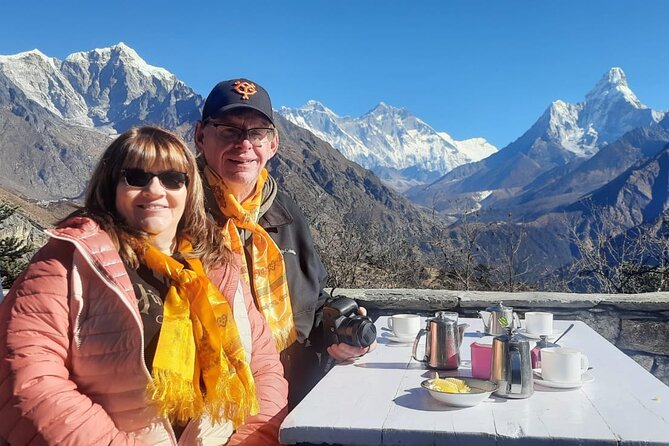
- Kathmandu UNESCO mix in just 2 days: Monkey Temple, Patan Durbar Square, Pashupatinath cremation views, and Boudhanath
- Lukla flights included (from Kathmandu or Ramechhap) with a dramatic mountain landing experience
- Licensed guide + porter support: government-license holder trek guide, plus 1 porter for every 2 guests
- Real acclimatization built in: a Namche rest day before the trek gets steeper
- Kala Patthar timing: views at/near 5,644m, including a sunrise option
- Small group size with a maximum of 15 travelers
Kathmandu Valley first: temples, stupa, and a river you can’t ignore
Your trip starts in Kathmandu with a straightforward airport-to-hotel setup. After you land at Tribhuvan International Airport, you’ll be greeted and dropped at your hotel, then you’re free to reset before the sightseeing begins.
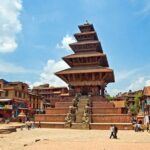
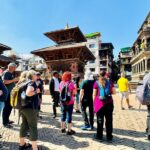
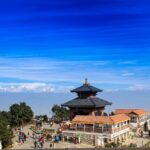
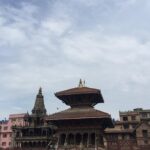
Day 2 is where Kathmandu shows its range. Swayambhunath (Monkey Temple) is a smart opener because it gives you city-scale views fast. Then you head to Patan Durbar Square, known for fine arts and temple-and-monument energy in a different part of the valley.
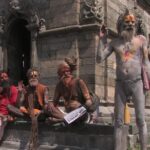
From there, the route shifts to Hindu pilgrimage gravity at Pashupatinath Temple, dedicated to Lord Shiva. The Bagmati River runs nearby, and you’ll be close enough to see the Hindu open cremation ceremony rituals along the riverbank. If you’ve never seen a living religious practice like this, it can feel intense—but it’s also one of the most honest windows into how Nepalese spiritual life continues day to day.
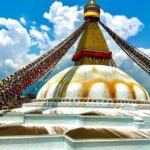
Next comes Boudhanath Stupa, described as the biggest Buddhist temple in Nepal and second biggest in the world. It’s a good contrast to the Hindu sites, and it’s also the kind of place where you can slow down, watch worshippers, and understand the rhythm of the city without rushing.
Practical note: the UNESCO site entrance fees in Kathmandu are not included in the base price, listed as $20 per person. The tour materials indicate some stops are ticket-free, and others are not—so budget for that extra line item.
You can also read our reviews of more hiking tours in Kathmandu
Lukla flight day: roller-coaster nerves and the thin-air warm-up
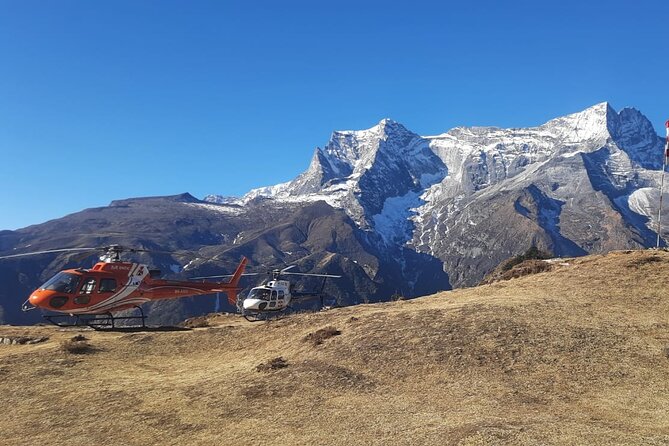
Day 3 starts your trek with a flight from Kathmandu (or Ramechhap) to Lukla, then trekking toward Manjo. This is one of those days where logistics matter, because your “start” isn’t a gradual hike out of town—it’s a jump into altitude and rugged terrain.
The trip description flags a dramatic mountain flight and landing, and that’s exactly the kind of experience you should treat with respect. If you get motion sick, bring what you need. If you’re anxious about flying, plan to be calm rather than brave; this isn’t the day to prove anything to yourself.
What’s nice is that after that first leg, you’re not thrown into a brutally long hike. You’re moving from flight day into walking day, which helps your body adjust even before the trek officially turns into harder climbs.
Namche Bazaar acclimatization: where your legs learn the rules
Days 4 and 5 build the foundation: trail days with scenery up close, then a deliberate rest day to help your body cope with altitude.
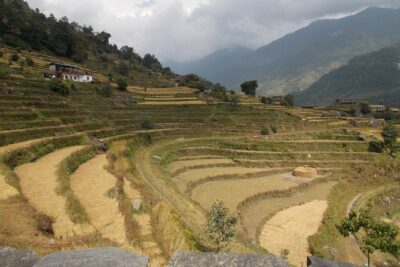
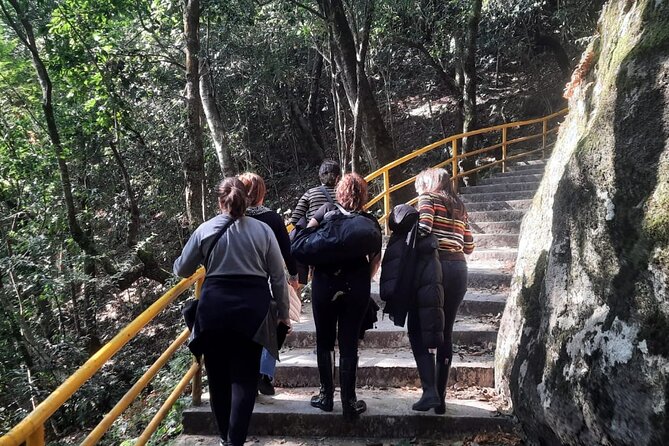
On Day 4, the trek from Manjo to Namche Bazaar includes an active walk through forested slopes—rhododendron, magnolia, and huge firs are mentioned. You’ll cross bridges along the way, so you get that classic Khumbu “patchwork of ups, downs, and river views” early.
Then you spend Day 5 in Namche Bazaar. This rest day isn’t filler. It’s what keeps the later days safer and more realistic. Namche is a bowl-shaped hub, and the plan gives you time to settle in and adjust instead of grinding upward on Day 5 just because you can.
This is where you also start learning the rhythm you’ll repeat in the mountains: slow pace, steady breathing, and a willingness to stop before you feel crushed. If you’ve never done altitude trekking, trust the plan. Namche is where your body often makes or breaks the experience.
Tengboche and the monastery break: mountain views with a spiritual pause
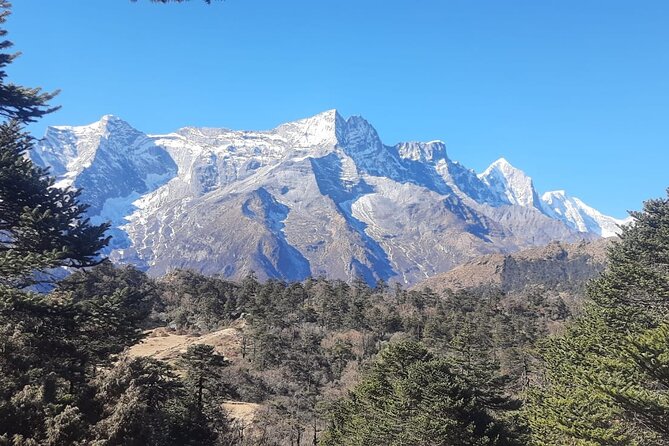
Day 6 pushes you toward Tengboche, with trekking taking around 6 hours. This is described as an easier walk up to a point, then a climb toward Tengboche village. The big payoff here is a visit to the Tengboche monastery, noted as the biggest in the Everest region.
Why I like this stop: it’s not just scenery. It’s a cultural reset. After days of walking, you get a place that feels grounded and human-scale—even when Everest is staring down at you from higher ground later.
Day 6 also sets you up for what comes next. Once you leave Tengboche, the trek begins transitioning toward the higher villages where altitude becomes more than a number on a map.
Dingboche to Lobuche: views get big, and so does the challenge
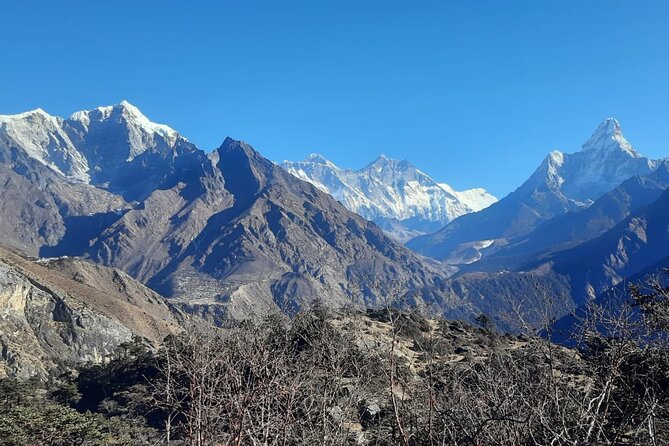
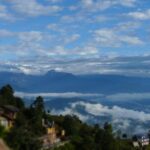
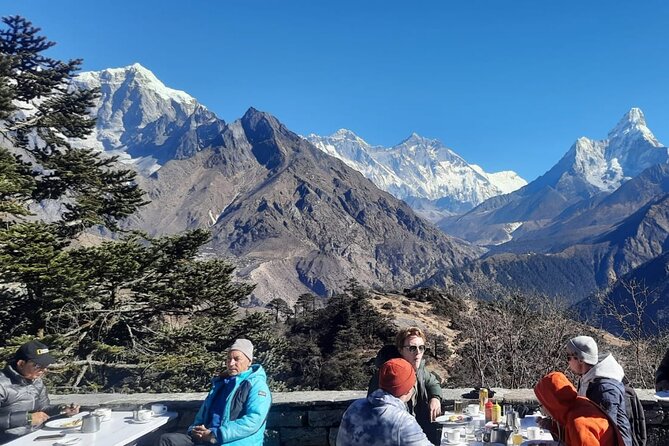
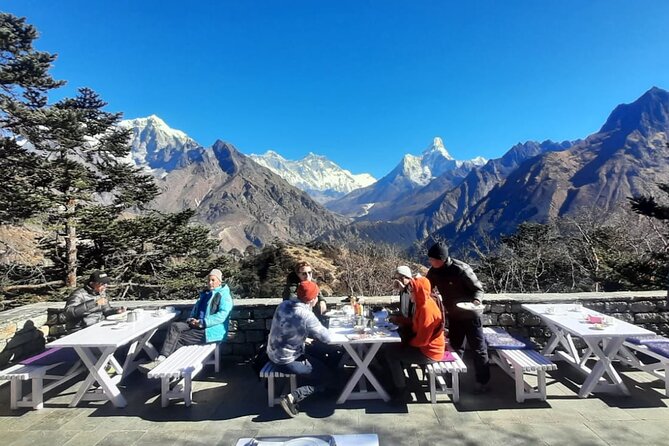
On Day 7 you reach Dingboche, around 5 hours walking time. The route is described as passing through birch forests and rhododendron trees. The most important part, though, is the kind of mountain visibility you get here. The plan calls out views of Mt. Everest, Lhotse, and Ama Dablam.
Then Day 8 heads to Lobuche, another toughening step (also around 5 hours). From here onward, the description is clear that the trek gets more challenging due to altitude. You’ll pass Dungla and reach the memorial stupas area, which is a solemn reminder that this region exacts effort from everyone.
This is the phase where many people stop treating the trek like a hike and start treating it like mountain travel. You’ll feel the thinner air, and you’ll likely want to keep your pace slightly slower than you think you can. That’s not weakness—it’s smart trekking.
Gorak Shep, Everest Base Camp, and Kala Patthar at 5,644m
Days 9 through 11 are the headline stretch, and they’re where the trek earns its reputation.
Day 9 goes to Gorak Shep, and the route is described as ascending and descending mostly on a glacier path, with meandering over rough terrain. Then it continues toward Everest Base Camp, with the base camp arrival framed as an incredible moment.
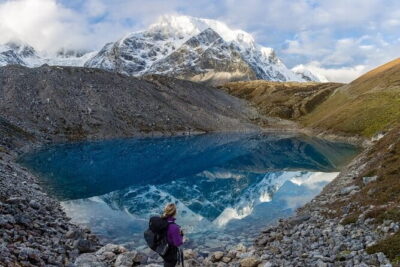
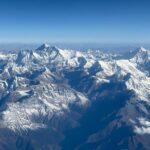
Day 10 is your Everest Base Camp day tied to the Kala Patthar climb. You’ll walk a fairly steep trail at a comfortable pace, and as you ascend you get views of Lingtren, Khumbutse, and Changtse. The Kala Patthar reference is the big one here: the overview specifies Kala Patthar at 5,644m, and that altitude explains why this viewpoint day is physically demanding even if the distance isn’t “marathon long.”
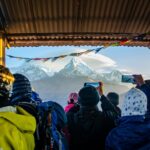
Day 11 shifts to Pheriche, with a morning hike option to Kala Patthar aimed at sunrise. The plan describes the sun rising from behind the Everest massif, turning peaks golden. In plain terms: it’s early, it’s cold, but the timing is the whole point.
One more expectation from the trek description: you’ll be in the orbit of the Khumbu Glacier and Khumbu icefall. The icefall isn’t a casual photo stop, but it’s the reason this region looks so dramatic—white, broken, and alive with ice movement.
If you’re wondering whether these days will feel too intense back to back: the itinerary purposely mixes hardest viewpoint goals with altitude recovery time earlier in the trek. Still, expect Day 10 and Day 11 to be the days you’re most focused on how your breathing and energy hold up.
Coming down the Dudh Koshi: easier walking, same altitude awareness
Day 12 brings the return toward Namche. You lose nearly 2,000 feet in altitude, and the plan includes crossing a bridge over the Dudh Koshi River and descending through rhododendron areas.
This is where many people feel grateful, because descending often feels like progress. But don’t assume it means easy on your body. Long descents can be tough on knees and shins, and the air doesn’t magically thicken just because you’re going down.
Day 13 is the descent to Lukla—about 4 hours on a rocky path with suspension bridges, then a surfaced path into Lukla. You’ll feel the air getting warmer. That’s a real relief after high-altitude days.
Back to Kathmandu: rest, one last day of exploring, and a farewell dinner
Day 14 includes an early morning flight from Lukla back to Kathmandu, then transfer to your Kathmandu hotel. After that, you have the rest of the day to explore around Kathmandu, if there’s energy left. The tour includes a farewell dinner, which is a nice touch for everyone who just trekked from the edge of Everest’s world back into normal city life.
Day 15 ends with a final hotel-to-airport style drop-off. You’re told to plan for at least 3 hours before your scheduled flight time, which is good advice anywhere—especially in a country where schedules can shift with airport procedures.
The tour is also clear that Kathmandu includes 3 nights of hotel stay with breakfast, so you’re not scrambling for lodging after the trek. That matters more than it sounds.
Price and logistics: what $1,799 covers, and what to budget extra
The listed price is $1,799 per person for roughly 15 days. At this level, you’re not just paying for trekking days—you’re paying for a full operating package.
Included items that meaningfully drive value:
- Airport arrival and departure
- Everest National Park permit
- Lukla flights round-trip (from Kathmandu or Ramechhap)
- A government licensed trek guide
- Porter support (not a free-for-all: it’s 1 porter for every 2 guests)
- 3 nights hotel in Kathmandu with breakfast
- Kathmandu UNESCO World Heritage Sites tour
- Meals on the plan days (listed as 11 lunches, 11 dinners, and 13 breakfasts)
What you should budget for separately:
- Travel insurance (not included)
- Kathmandu UNESCO entrance fees listed as $20 per person
- Alcoholic beverages
- Trekking equipment (you bring your own)
- Nepal visa
Here’s the honest value math: Lukla flights and permits alone aren’t cheap in most seasons, and they’re both included here. If you were to book those pieces separately, you’d likely spend more time coordinating and take more risk on misalignment. The set structure also matters for altitude travel, where small logistics errors can create big stress.
And small group size helps: the plan caps at 15 travelers, so you’re not in a huge herd moving at one pace.
Who this 15-day EBC + Kathmandu plan fits best
This is a good match if you want the classic Everest Base Camp experience with a cultural kickoff. The trek description includes a standard EBC flow with Kala Patthar goals, plus the Kathmandu UNESCO focus you’d miss if you only did the mountains.
You’ll likely enjoy this most if you:
- Have moderate physical fitness and can walk for multiple hours daily at altitude
- Want a balance of culture (temples and stupa) and big-mountain effort
- Appreciate having a licensed guide and porter support rather than packing and carrying everything yourself
This is less ideal if you:
- Hate cold mornings (Kala Patthar sunrise days are early and chilly)
- Are very anxious about flying into Lukla
- Want a “rest day every other day” itinerary—this trek is built for forward motion with limited but real recovery stops
Also, check the trekking variant question. The tour description mentions alternatives like Gokyo Ri and Three Passes, but your provided 15-day flow is clearly focused on the standard EBC route with Kala Patthar. If you care about that alternate plan, ask before you lock in dates.
Should you book this Everest Base Camp and Kathmandu tour?
I’d book this if you want a strong value package that covers the big logistics: flights to Lukla, permits, a licensed guide, a porter arrangement, and a clean Kathmandu add-on with multiple UNESCO stops. The pacing—especially the Namche acclimatization day—signals the operator understands how altitude affects real people.
I would think twice if you’re looking for a gentle trek or if you’re relying on the trip to be weather-proof. This kind of mountain travel needs flexibility, and the itinerary is weather-dependent.
If you book, do two things: bring your trekking gear (since it’s not included) and plan your budget for the Kathmandu entrance fees and your insurance. Handle those basics and you’ll spend your energy where it counts: on the trail, and at Kala Patthar when the mountains finally fill the sky.
FAQ
How long is the Everest Base Camp trek and Kathmandu tour?
The tour is listed as about 15 days.
What is the price per person for this tour?
The price is $1,799.00 per person.
Are the flights to Lukla included?
Yes. Flight tickets from Kathmandu or Ramechhap to Lukla and return are included.
Do I have to pay extra for Kathmandu UNESCO site entrance fees?
Yes. Kathmandu UNESCO World Heritage Sites entrance fees are not included and are listed as $20.00 per person.
Is a guide and porter included?
Yes. You get a government license holder trek guide, and a porter is included to carry baggage (noted as 1 porter for every 2 guests).
What meals are included during the trip?
The tour includes meals as listed: 13 breakfasts, 11 lunches, and 11 dinners.
Is the booking refundable if I cancel?
No. The experience is non-refundable and cannot be changed for any reason. If you cancel, the amount paid is not refunded.