REVIEW · KATHMANDU
Knife Khukuri Making Workshop
Book on GetYourGuide →Operated by I. Experience Nepal Trek And Tour · Bookable on GetYourGuide
Sparks, steel, and a real family craft. In Nepal’s Bagmati Zone, you’ll spend 4 hours with a longtime khukuri maker and help shape a small 6-inch blade from rough metal into a knife you can be proud of.
I love how hands-on this is without pretending you’re a blacksmith overnight. You’ll do hammering and the first grinding, while the expert takes over the trickier, riskier work. I also like the context you get along the way, including why the khukuri matters in Gurkha history and hill-tribe culture.
One consideration: for safety, the host handles the blade grinding (that’s when sparks fly), so you’ll want to keep your distance and wear the right clothes.
In This Review
- Key things that make this khukuri workshop worth your time
- Khukuri making is hands-on craft, not a museum stop
- Price and value: what $73 gets you in 4 hours
- How the day flows: pickup, smithing session, and take-home knife
- The 6-inch khukuri you’ll make: design details that actually have a job
- Hammering the iron: where you feel the craft in your arms
- Grinding and sparks: what you do versus what the host does
- What the blacksmith handles—and why you should be glad
- Meeting locals: guides who translate the why, not just the what
- What to bring, what to wear, and who should skip it
- Who this workshop is best for (and who it may not fit)
- Should you book the Knife Khukuri Making Workshop?
- FAQ
- How long is the khukuri making workshop?
- Where does the workshop take place?
- How much does it cost?
- How big is the group?
- What steps can I participate in?
- Does the host do the blade grinding and sharpening?
- What’s included in the price?
- What should I bring, and is it suitable for children?
- Is there any optional add-on, and what are the cancellation rules?
Key things that make this khukuri workshop worth your time
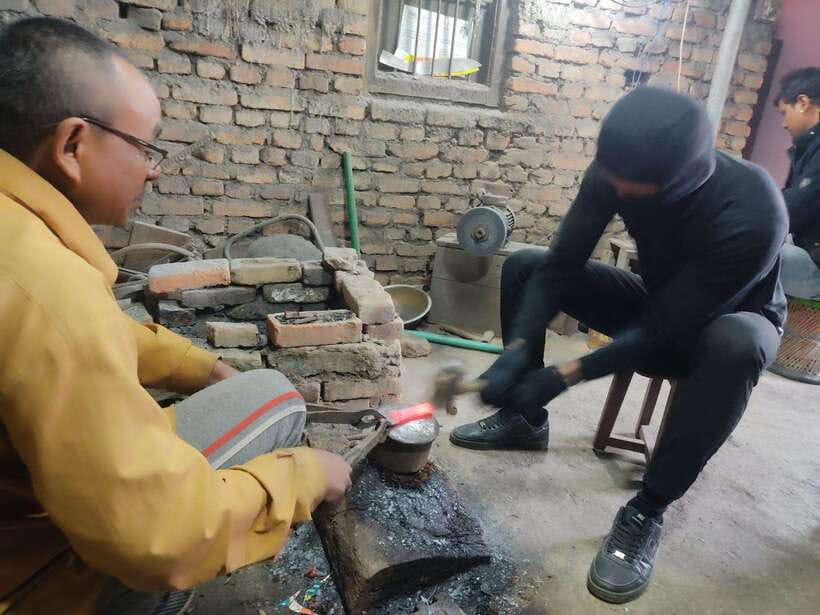
- Small group of 5 means more personal guidance and less waiting around.
- Hotel pickup and drop-off removes the biggest hassle for a half-day activity.
- You make a small 6-inch khukuri and take the knife home as a real souvenir.
- Hammering and first grinding are your job; the host does final risky grinding/sharpening.
- You learn meaning, not just motion: Gurkha loyalty symbolism and the blade’s distinctive nick.
- Tea, water, and snacks are part of the craft day, so it feels like a welcome visit, not a factory tour.
Khukuri making is hands-on craft, not a museum stop
Khukuris are famous for more than looks. They’re built for real jobs, from chopping meat and vegetables to shaping timber. The blades are tempered steel, slightly curved, and made to be sharp. Even the handle story has meaning—often wood or buffalo horn—and there’s a special nick near the handle that helps keep blood away from it and carries Hindu symbolism tied to Brahma, Vishnu, and Shiva.
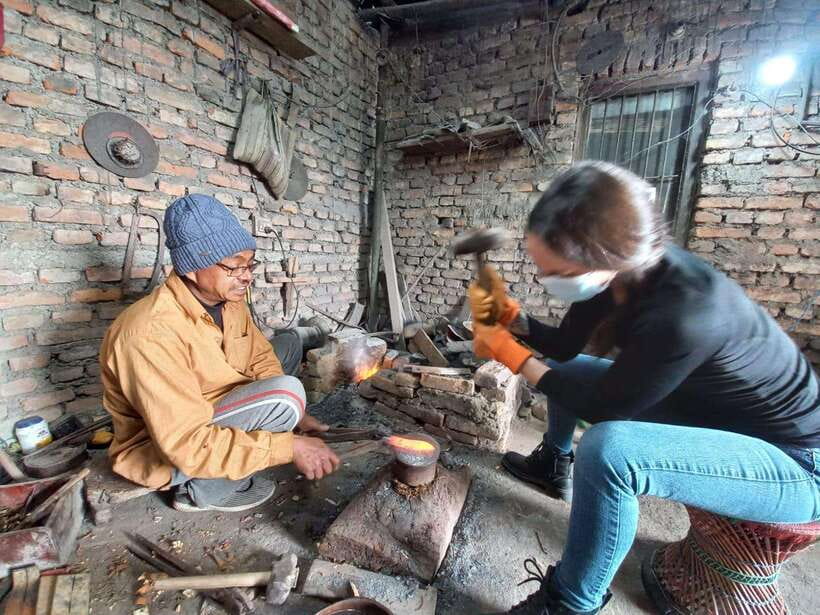
This workshop teaches you how that kind of knife comes to life. You don’t just watch. You help form the early shape with hammer work, and then you move into the first grinding stage with guidance. It’s a fast, practical way to understand a craft that usually takes years of practice to master.
You can also read our reviews of more tours and experiences in Kathmandu

Price and value: what $73 gets you in 4 hours
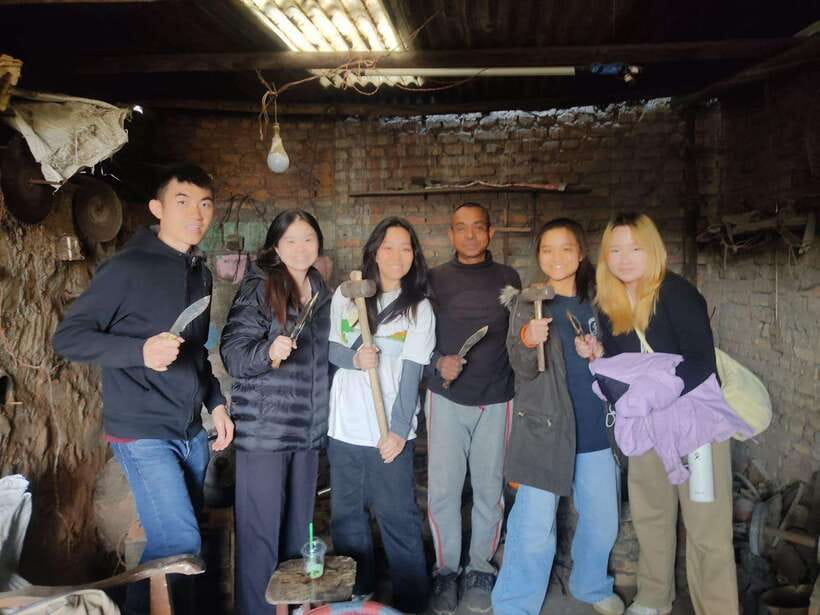
At $73 per person for a 4-hour experience, you’re paying for more than the final knife. You’re paying for controlled access to a skilled craft setup—tools, safety management, and the time of an experienced blacksmith. You’re also getting a finished product: the knife (small 6-inch) plus a knife cover as part of the workshop.
The value gets clearer when you look at what’s included versus what isn’t. Included steps for participants cover hammering the iron and the first grinding, plus all required tools, tea/water, snacks, and pickup/drop-off. Not included: if you want a horn/bone cover upgrade, that’s an extra cost.
How the day flows: pickup, smithing session, and take-home knife
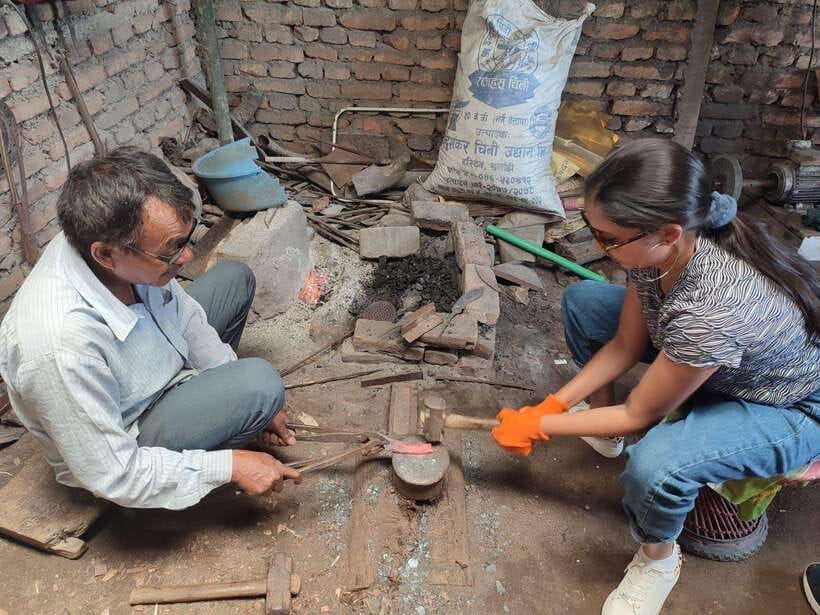
The day starts with pickup from your hotel lobby. That matters because it keeps the experience simple: you show up ready, then you’re transported to the blacksmith’s place. The workshop is designed for small groups (limited to 5 participants), so the timing stays smooth and you don’t feel like you’re on a long carousel of “next person.”
Once you arrive, expect a welcome setup with tea/water and snacks. Then the session turns into a guided progression: you’ll learn the history and meaning of the khukuri, see how the blade shape is created, and take part in the steps where it’s safe for you to work.
By the end, you’ll have your own small khukuri. You’ll also walk away with more than a souvenir feeling—because you’ve physically shaped part of it. That’s the difference between buying a knife and earning one.
The 6-inch khukuri you’ll make: design details that actually have a job
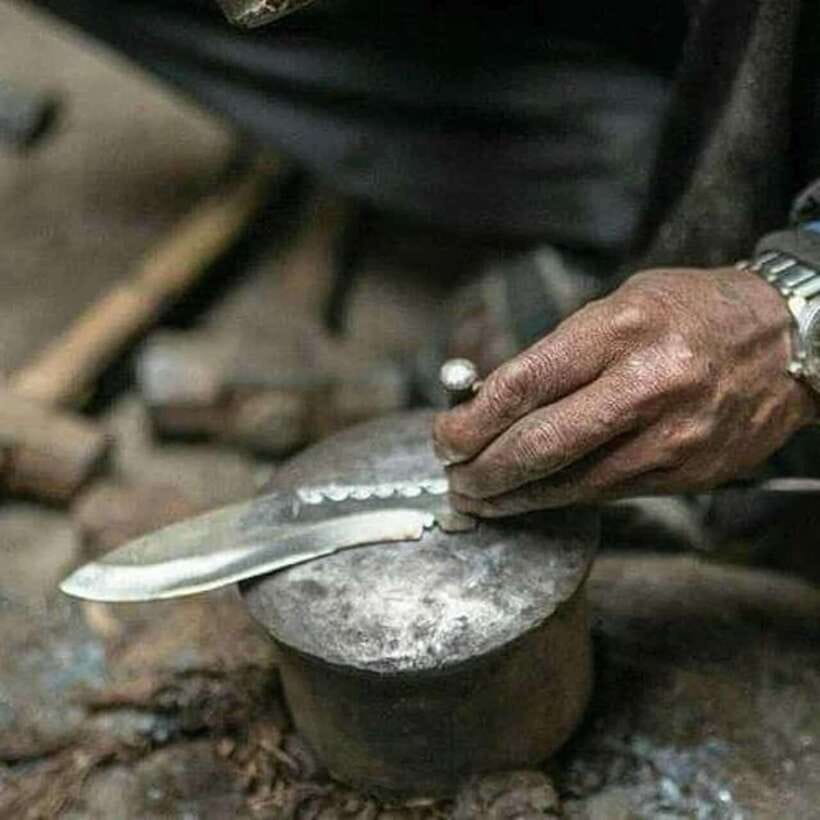
For this workshop, your focus is a small 6-inch blade. That size is easier to handle than a full-size khukuri, and it still carries the essential design logic: a tempered, slightly curved blade that’s built to stay sharp and useful.
You’ll learn how the blade ends up with its characteristic nick near the handle. It’s not decoration-only. That nick has a purpose (blood kept away from the handle), and it also functions as symbolic design tied to Hindu beliefs.
The handle is typically wood or buffalo horn, and the blade comes with a scabbard made from wood and leather. Even if you’re only making a smaller version, you’re seeing the same fundamentals that make khukuris culturally significant and practically durable.
Hammering the iron: where you feel the craft in your arms
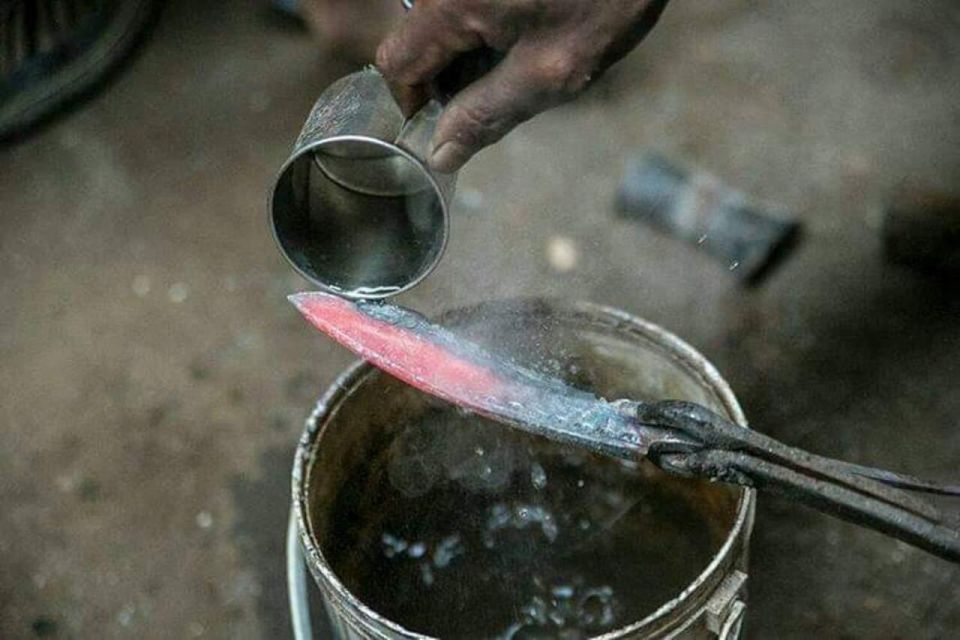
This is the part you’ll remember. Hammering the iron is a direct lesson in force, control, and patience. You’re taking a raw piece of metal and shaping it toward the blade form. It’s not about being perfect—it’s about understanding how heat and work translate into metal that takes a new personality.
Because the workshop is limited to 5 participants, you’ll get real attention from the host/guide. You’re not doing one clumsy swing and then vanishing into the background. The goal is to let you contribute while keeping the session safe and moving.
I also appreciate that this step lines up with what beginners can realistically do. It gives you a real role without pretending you can replace a master blacksmith in a single afternoon.




Grinding and sparks: what you do versus what the host does
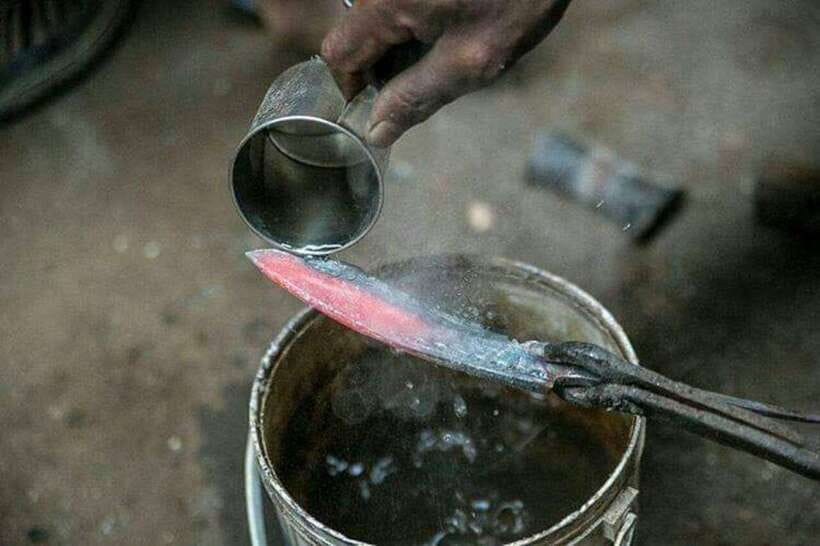
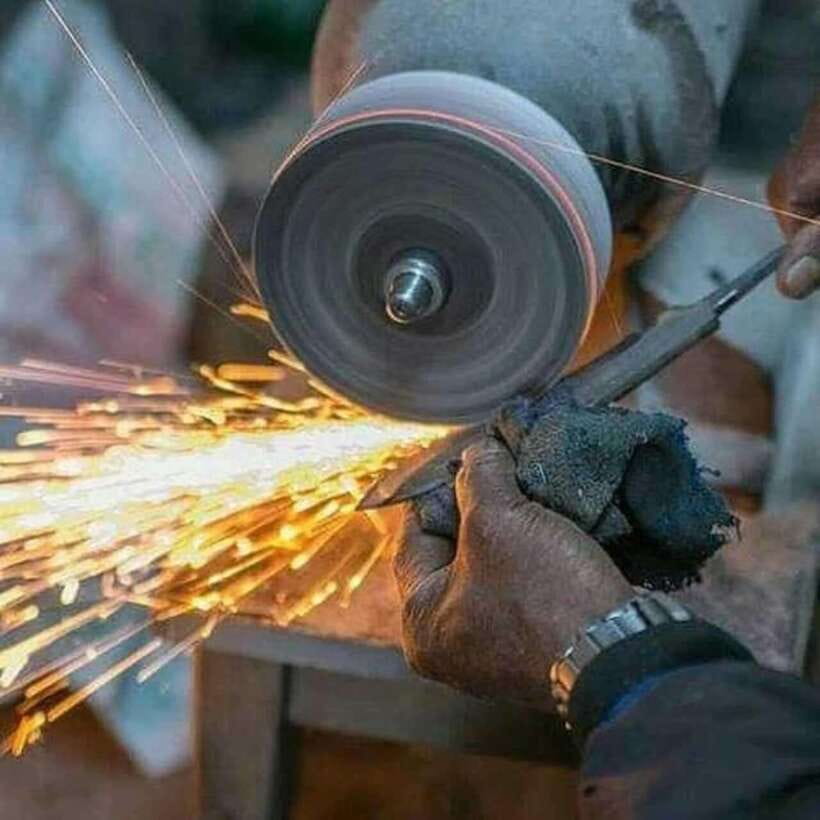
You’ll take part in the first grinding stage, and you’ll learn how that early shaping supports the later blade refinement. The important safety detail is that blade grinding (the more spark-heavy work) is done by the host. You’ll be advised to stay clear of sparks during that process.
That setup is smart. Grinding is where accidents happen fast if someone gets too close at the wrong moment. You’ll still get the learning value—because you’re part of the sequence—but you won’t be put in a position where you’re forced to gamble.
If you want a hands-on craft experience but also care about being safe, this division of labor is one of the best parts of the workshop.
What the blacksmith handles—and why you should be glad
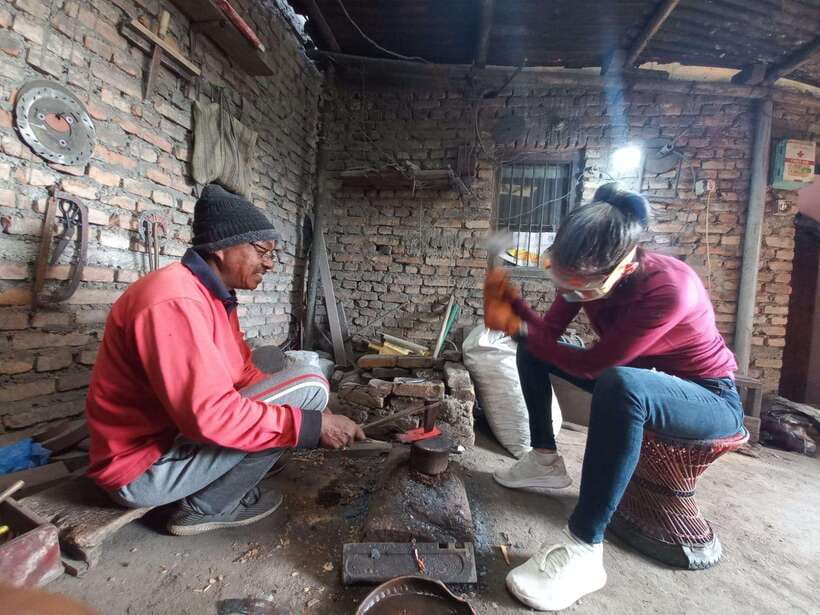
The khukuri has a unique shape, and the blade needs proper sharpening. This is not just fine artistry; it’s serious skill. That’s why the host takes over the steps that require years of experience.
In practice, this means you get to contribute where your effort makes a visible difference, while the professional makes sure the knife ends up correct. You don’t have to worry that your participation will produce a sad souvenir that can’t perform.
This matters for value. A workshop like this only feels worth it if the final knife is solid. And here, the process is designed so you leave with something high-quality and usable, not a half-finished project.
Meeting locals: guides who translate the why, not just the what
A big part of the experience is the human side—how the craft connects to Nepalese life, and how it’s explained in a language you can actually use. English and Hindi are supported by the host or greeter, and that really improves the experience because you can ask questions without guessing.
I loved the mix of craft instruction and cultural interpretation from the guides. Names you might meet include Namrata, Sajeena, Swayam, and the blacksmith Indra. In sessions like this, the blacksmith’s experience is a major part of the lesson—Indra is described as having decades of knife-making behind him, including experience around 40–45 years.
In some visits, the hospitality feels like you’ve joined a family workshop day: tea and snacks are included, and you might even get fruit such as guava served during the break. That kind of detail isn’t just “nice.” It’s how you understand the craft lives in real homes, not just staged demonstrations.
What to bring, what to wear, and who should skip it
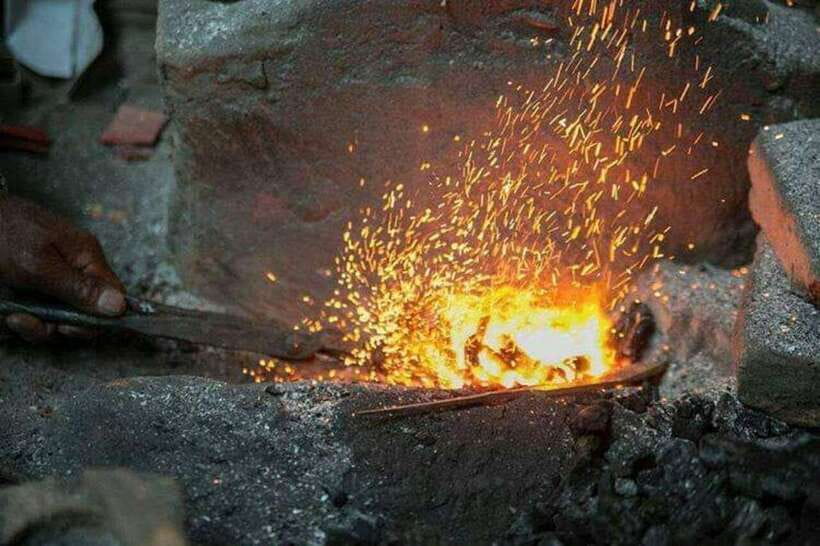
Bring long pants. You’ll be around hot work zones, metal sparks, and tools. Wear something you don’t mind getting a little dusty. Closed-toe shoes are the safer instinct, even though the explicit requirement listed is long pants.
The workshop isn’t suitable for children under 10. If you’re traveling with kids, it’s good to check that age requirement first, since the experience is built around controlled participation and safety.
If you’re nervous around craft equipment, don’t be. The structure is designed so you do the parts that make sense for visitors, while the host runs the dangerous grinding/sharpening moments. Just listen closely when safety instructions are given.
Who this workshop is best for (and who it may not fit)
This is ideal for you if you want a memorable Nepal experience that isn’t just a photo stop. You’ll like it if you enjoy hands-on making, simple skills, and cultural meaning you can explain afterward—like why the khukuri is tied to loyalty and Gurkha warrior symbolism.
It also works well if you like small-group formats. With a group limited to 5, you’re more likely to get real answers, not generic explanations.
You might think twice if you’re expecting a full custom build where you do every step end-to-end. The workshop is designed with safety in mind, so the host does key parts like the blade grinding (and likely the final sharpening and shaping work). You’ll still get a real role—but not full solo control.
Should you book the Knife Khukuri Making Workshop?
Yes, if you want a short, high-impact activity that turns into a lasting souvenir. The combination is the hook: a small group, hotel pickup, meaningful cultural context, and real participation in hammering and first grinding.
It’s also a good buy if you care about getting a knife that’s made properly. Since the host handles the riskier and most technical steps, you’re more likely to end up with something sharp and well-finished. That’s a big deal for value at $73.
Book it if you’re in Nepal’s Bagmati Zone (often people pair this with Kathmandu days), you can wear long pants, and you’re comfortable following safety guidance around sparks. Skip it only if you want a kid-under-10 activity or you’re looking for a fully guided metal-free craft.
FAQ
How long is the khukuri making workshop?
It lasts 4 hours.
Where does the workshop take place?
It’s located in Nepal’s Bagmati Zone.
How much does it cost?
The price is $73 per person.
How big is the group?
It’s a small group limited to 5 participants.
What steps can I participate in?
You can help with hammering the iron and with the first grinding step.
Does the host do the blade grinding and sharpening?
Yes. For safety, blade grinding is done by the host, and you’re advised to stay clear of sparks during that part.
What’s included in the price?
Included items are the tools, knife cover, tea/water and snacks, pickup and drop-off, and the steps you participate in (hammering and first grinding).
What should I bring, and is it suitable for children?
Bring long pants. It is not suitable for children under 10 years.
Is there any optional add-on, and what are the cancellation rules?
A horn/bone cover can be made for an extra cost. There is free cancellation up to 24 hours in advance for a full refund, and you can reserve with pay later.