REVIEW · KATHMANDU
Everest Base Camp Trek 14 Days
Book on Viator →Operated by Nepal Nirvana Trails · Bookable on Viator
Everest starts with a short flight and big questions. This 14-day trek through Sagarmatha National Park mixes classic Sherpa villages with built-in acclimatization days, so the long climb feels organized instead of random.
I like that the hardest logistics get handled for you: airport pickup in Kathmandu, guide support, permits, and the Kathmandu–Lukla–Kathmandu flights. You’ll also appreciate the practical altitude plan, including an early Namche rest day and optional hikes like Chhukung Ri (5546 m). One thing to consider up front: your trek accommodation and meals are not included, so you’ll budget for tea-house stays and dining each night.
In This Review
- Key things that make this Everest Base Camp trek work
- Why Everest Base Camp feels different on a 14-day plan
- Kathmandu in Thamel: the day you get ready (and stop guessing)
- The Lukla flight: your fast entry into Khumbu
- Namche Bazaar and the Everest Hotel hike: altitude adjustment with real payoff
- Tengboche Gompa: forests, juniper, rhododendron, and monastery time
- Dingboche and the acclimatization “choose-your-effort” day
- Lobuche: the uneven rocky section where “small steps” matter
- Everest Base Camp day: Khumbu Glacier, icefall views, and the long walk
- Kalapatthar on Day 10: the second mountain moment
- Back to Namche and down to Lukla: retracing with purpose
- Kathmandu return and your Thamel time: recover, eat normally, and reflect
- Price and value: what $999 covers (and what you’ll pay separately)
- Guides and support: why the human part matters up there
- Packing and pace tips that match this exact route
- Who should book this Everest Base Camp trek
- Should you book Everest Base Camp with Nepal Nirvana Trails?
- FAQ
- Where does the trek start and end?
- What time is the meeting on the first day?
- How long is the Everest Base Camp trek?
- Are flights included in the price?
- Is airport pickup included?
- What permits are included?
- Does the tour include accommodation and meals for me?
- Is this a private tour?
- What’s included for the guide?
- What is the cancellation policy?
Key things that make this Everest Base Camp trek work
- Thamel start with guide handoff: you meet your guide and get equipment checked before the trail pressure begins
- Lukla flight included: you fly into Tenzing Hillary Airport and start hiking soon after
- Namche acclimatization built in: a full day in Namche plus a short hike to the Everest Hotel for big views
- Flexible second acclimatization day: options include Nangkartshang Peak (5083 m) or Chhukung Ri (5546 m)
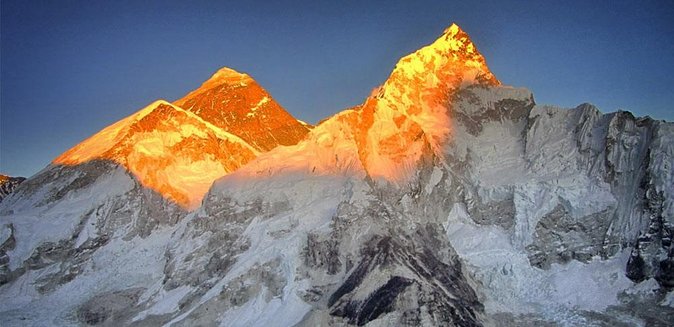
- Base Camp payoff with Khumbu Glacier views: the day to Everest Base Camp includes the glacier and return to Gorakshep
- Kalapatthar after Base Camp: a separate summit-style hike gives you another chance at the Everest panorama
Why Everest Base Camp feels different on a 14-day plan
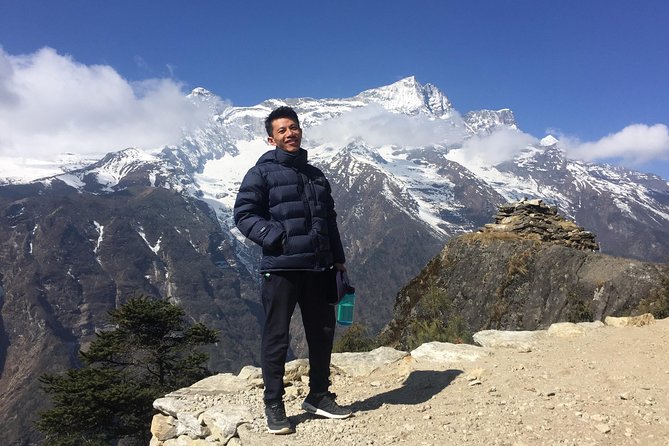
Everest Base Camp is famous for a reason. It’s not just about seeing the mountain. It’s the layered build-up: forest trails to high villages, then rock and ice terrain, then finally the Base Camp area where the scale becomes real. On this route, the time is spread out in a way that helps you handle altitude without rushing every single day.
You also get plenty of Himalayan variety. You’ll walk from denser forest sections into higher, drier ridgelines. You’ll pass through villages tied closely to Sherpa life, then into the stark, glacier-facing world around Gorakshep and Base Camp. This makes the trek feel like a journey across multiple worlds, not one long sidewalk toward a single photo spot.
You can also read our reviews of more hiking tours in Kathmandu
Kathmandu in Thamel: the day you get ready (and stop guessing)
Most Everest treks live or die on the first day’s organization. Here, your airport representative meets you in Kathmandu and escorts you to your hotel or hostel in Thamel. In the evening, you meet your guide and your gear gets checked. That matters more than you’d think. The Everest region punishes missed basics—poorly sized boots, the wrong layers, or gear you forgot at home.
You’ll start your trek early (meeting time is 5:45 am at your hotel or at Tribhuwan Airport). Early starts are common on this kind of schedule because flights and hiking days both run on tight windows.
If you want a smooth first taste of Nepal, Thamel is convenient. It’s also where you’ll likely spend your free time after your return to Kathmandu, including the chance to buy a few souvenirs before you fly out or extend your stay.
The Lukla flight: your fast entry into Khumbu
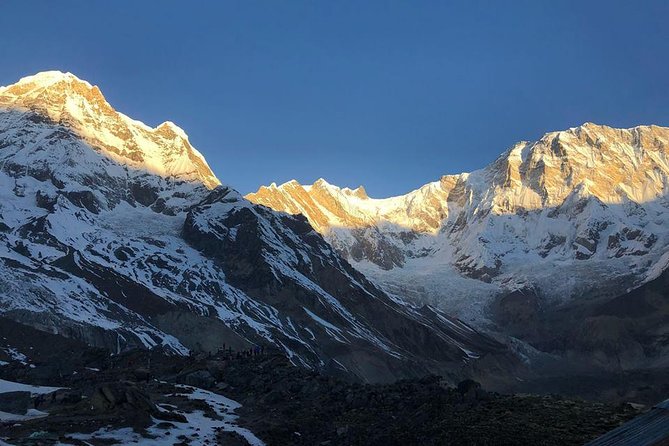
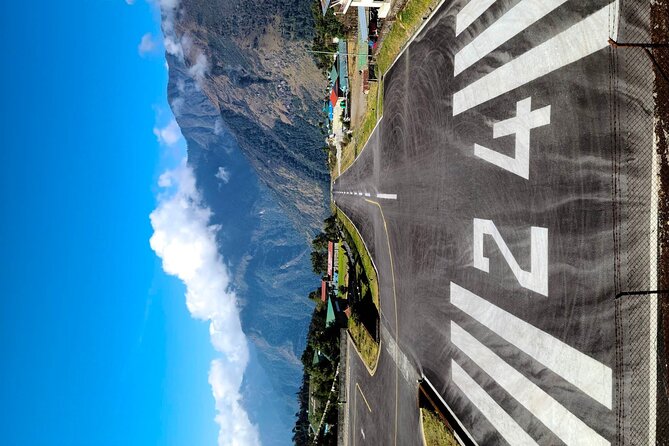
On Day 2, you fly to Tenzing Hillary Airport in Lukla, then hike onward to Phakding for the night. That flight-to-trail setup is the whole point of Lukla treks: you’re not spending several days just reaching altitude. You arrive in the Khumbu region quickly, which helps when you only have 14 days.
The practical upside is simple. You get to spend more days hiking the famous sections—Namche, Tengboche, Dingboche, Lobuche, and the classic Everest route toward Base Camp—rather than burning time on approach days.
The consideration? You should treat the flight day as a high-stakes transition. Even without getting into worst-case scenarios, flights and early departures change how you pace your body. Keep hydration up and don’t try to “make up for lost time” on the next day.
Namche Bazaar and the Everest Hotel hike: altitude adjustment with real payoff
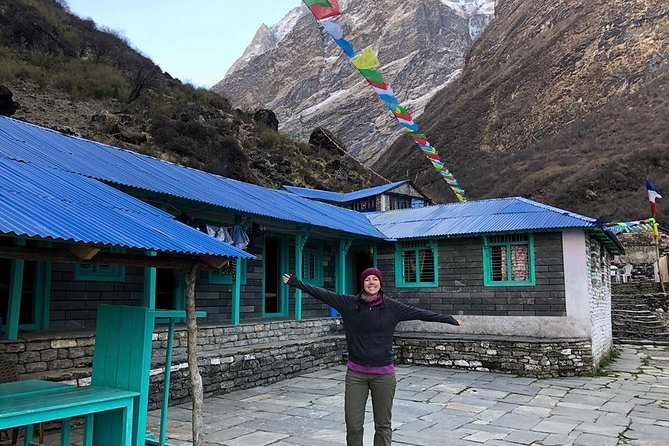
Namche Bazaar is where many people feel the altitude shift. Here, you arrive and then stay to adjust. This is smart pacing, not a delay. Day 3 walks you into the Sagarmatha National Park area, crossing the Dudh Koshi river, passing through Monjo village, and moving through dense forests before reaching Namche.
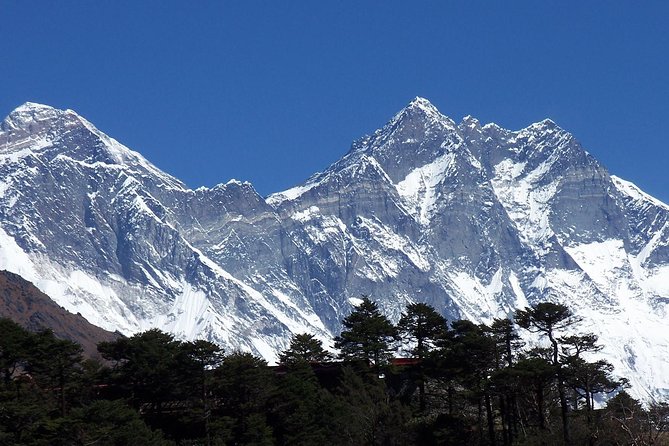
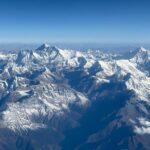
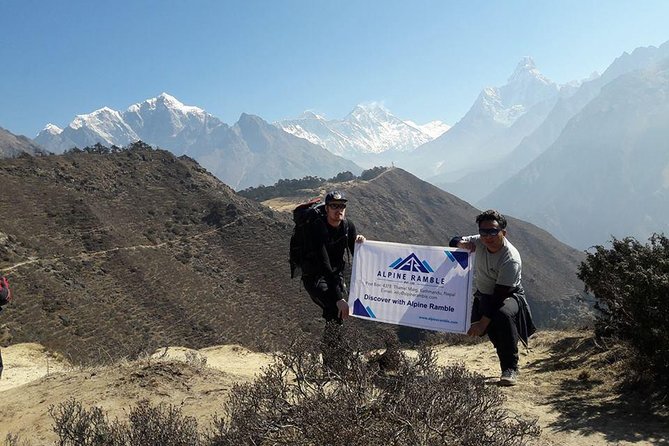
Then Day 4 gives you a built-in acclimatization day: you stay in Namche and hike up to the Everest Hotel area for views. From that vantage, you get a dramatic lineup—Everest, Ama Dablam, Thamserku, Lhotse, and more. It’s also a good model for how you’ll hike on this trip: you move enough to feel rewarded, then you come down and sleep lower to recover.
A key value of this day is rhythm. You’re learning how to live in the mountains: short effort, steady breathing, careful turns, and accepting that rest is part of the plan.
Tengboche Gompa: forests, juniper, rhododendron, and monastery time
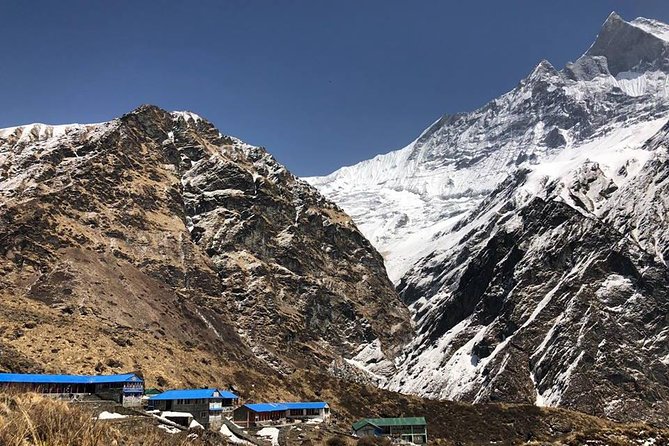
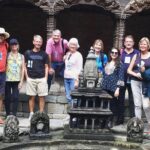
After settling in Namche, the trail pushes onward toward Tengboche. Day 5 walks through juniper and rhododendron forests, with mountain views along the way, and ends at Tengboche. You also visit the Tengboche Gompa (monastery).
This stop is more than a cultural checkbox. Monastery visits in the Khumbu area give you a moment to slow down and reset when the hiking starts to feel longer and steeper. It’s also a place where you can understand Sherpa life beyond the trekking circuit.
One practical note: monastery visits can involve time inside or near prayer spaces. Dress in layers. Even if it’s sunny, temperatures can swing around the higher villages.
Dingboche and the acclimatization “choose-your-effort” day
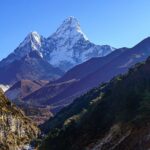
Day 6 heads to Dingboche, crossing the Imja Khola and moving through trails where you get panorama views of Island Peak and Ama Dablam. Dingboche is known for helping trekkers gain altitude gradually. You’re still moving, but the scenery starts to shift toward wider, open sightlines.
Day 7 is your second acclimatization day, and it’s set up with an option. You can hike to Nangkartshang Peak (5083 m) or Chhukung Ri (5546 m). That choice is valuable because not everyone wants the same intensity on the same day.
If you’re feeling strong and your breathing feels controlled, the higher option can give you bigger views. If you want safer pacing, you might choose the lower option and still get a strong payoff. Either way, the point stays the same: you sleep in Dingboche after working your body in a controlled way.
Lobuche: the uneven rocky section where “small steps” matter
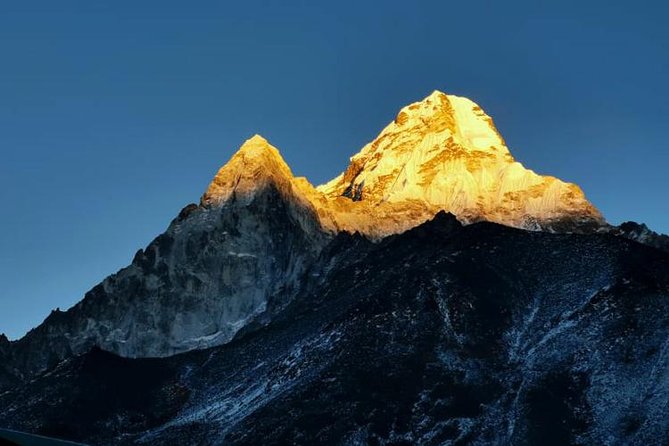
Day 8 takes you to Lobuche via an uneven, rocky path. The scenery shifts again, and the views—Pumori, Nuptse, Lobuche Peak—are the kind that make you stop more often than you expect.
This is where I’d urge you to practice the basics: slow steps, short stride, and consistent effort. Rocky sections can make you feel like you’re moving fast when you’re not. Your guide’s pace helps keep your breathing steady.
Even if your legs feel okay, the altitude can still make effort feel heavier. Lobuche is a reminder that “tough terrain” and “altitude effort” stack together.
Everest Base Camp day: Khumbu Glacier, icefall views, and the long walk
Day 9 is the big one. You hike through the Khumbu Glacier area to Everest Base Camp, then return to Gorakshep. You’ll also be able to see the Khumbu icefall from the Base Camp area.
This day is long and it rewards discipline. You don’t need to race; you need to stay comfortable enough to keep moving. The glacier zone is visually intense, but it can also feel tiring because the effort never really “turns off.” Expect that your mind will be doing a lot of work—counting steps, checking breathing, and keeping your footing.
What I like about doing Base Camp as its own day (instead of trying to cram everything into the same push) is that you get time to absorb the place. You arrive, you look, and you still have the energy to return to Gorakshep for sleep.
Kalapatthar on Day 10: the second mountain moment
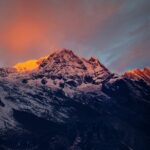
Day 10 takes you up to Kalapatthar for magnificent views, then you trek down to Pheriche. This is an important design choice in the route. After Base Camp, many trekkers are already satisfied—then Kalapatthar gives you another perspective, often with a stronger sense of the mountain’s scale.
The descent to Pheriche matters too. Your body needs recovery time after a high-effort day. This is also one reason the overall 14-day timeline works: it builds in recovery legs during the return.
Back to Namche and down to Lukla: retracing with purpose
Day 11 takes you back to Namche Bazaar, leaving the mountains behind as you move through suspension bridges and villages on the way. Day 12 continues toward Lukla, passing places like Jorsale and Monjo and crossing numerous bridges over the Dudh Koshi river. You end in Lukla, with Phakding on the route.
This “return phase” can feel easy if you treat it like a victory lap. Don’t. The altitude fatigue doesn’t disappear just because you’re going downhill. Use the return days to keep your pace controlled, hydrate, and stay focused on footing.
Kathmandu return and your Thamel time: recover, eat normally, and reflect
Day 13 starts with an early flight to Kathmandu, about 35 minutes. From there you get free time for the rest of the day. Many people use this window to stroll around Thamel, grab souvenirs, and eat meals that don’t require tea-house logistics.
Day 14 is your wrap-up: you’re dropped at the airport unless you extend your stay in Nepal.
This final free day is practical. It’s not just for shopping. It’s time for your body and head to settle after the high-altitude effort.
Price and value: what $999 covers (and what you’ll pay separately)
At $999 per person for 14 days, this trek is priced around what most people expect for a guided, flight-supported Everest Base Camp plan. The key value is that several big costs are handled inside the package:
Included items you can rely on:
- Airport transfer services (arrival/departure) and local flight schedule support
- Guide costs, including the guide’s food and insurance, plus equipment and insurance included in trip cost
- National park TIMS and local permits
- Flight tickets for Kathmandu/Manthali to Lukla and Lukla back to Kathmandu/Manthali
- Official expenses and government tax/VAT
What is not included:
- Your international flight tickets
- Nepal entry visa
- Travel and health insurance that covers emergency rescues and evacuations
- Your accommodation and food throughout the trek
- Tips for the trekking guide (expected)
So what does that mean for real budgeting? The package price is strong on the “big ticket” items—especially the permits and flights—while you’ll still handle day-to-day tea-house spending. In other words: $999 buys structure and key logistics, not full board.
If you’re the type who likes knowing exactly what you’ll pay, you’ll want to estimate your nightly tea-house costs and meals before you go. If you’re fine with that and prefer flexibility in what and where you eat, this setup can feel like good value.
Guides and support: why the human part matters up there
One of the most praised parts of this operator is how involved the team is. Names like KP (KP Dhital) show up in confirmations and messages, and guides mentioned include Man Bahadur, Navraj, Raju, Roshan, Ram, Bala, and Abinash. That signals something important: you’re not just getting a checkmark guide. You’re getting a guide team that’s paying attention to your needs.
From a practical standpoint, that matters most on the days when weather, fatigue, or unexpected small problems show up. Everest treks aren’t all about perfect conditions. What keeps them enjoyable is problem-solving and calm communication.
Packing and pace tips that match this exact route
You’ll move through forest days, rocky days, then glacier-zone days, and you’ll also do cold-weather hiking like Kalapatthar. Based on the route rhythm, aim to pack for layering and for temperature swings, not for one “average” weather day.
A few practical ideas that fit this itinerary:
- Pack layers for trekking and for when you stop. Namche and Tengboche days can feel very different from Lobuche and Gorakshep nights.
- Bring footwear that’s ready for uneven stone. Lobuche is described as an uneven, rocky path for a reason.
- Plan for a gear check on Day 1. Your guide checks equipment in Kathmandu, so use that to fix what you can before the first big day.
And pace-wise:
- Take acclimatization seriously on Day 4 and Day 7. Options like Chhukung Ri (5546 m) are there because your body may handle it better on some days than others.
- Keep the “short effort, steady breathing” habit all the way to Base Camp and through Gorakshep.
Who should book this Everest Base Camp trek
This trek is a good match if you want:
- A private experience (only your group) rather than mixing with strangers
- A guided plan that includes permits and flights so you don’t stitch everything together yourself
- A clear acclimatization structure with built-in viewpoint hikes and optional effort days
It’s also described as suitable for people with moderate physical fitness. That doesn’t mean it’s easy. It means the plan is shaped for realistic trekking pace rather than a test of who can sprint up altitude.
If you’re traveling with kids or a family member who needs careful handling, the private format can also help you manage comfort and timing better.
Should you book Everest Base Camp with Nepal Nirvana Trails?
If you want the confidence of having Lukla flights, permits, and guide support handled, this looks like a solid way to do Everest Base Camp at a price that makes sense. The added plus is that the trek structure includes acclimatization days with meaningful view hikes, so you’re not just “resting” while you wait for permission to feel good.
I’d say book it if you’re comfortable paying separately for tea-house accommodation and meals, and you’re honest about your fitness and altitude readiness. If you need everything fully bundled as a single fixed cost, you’ll have to budget more carefully for on-trail spending.
If you want a well-run Everest plan with a team that people consistently credit for being professional and supportive, this one is worth your shortlist.
FAQ
Where does the trek start and end?
The start and end are both in Kathmandu, Nepal (44600). You’ll meet in the hotel where you stay or at Tribhuwan Airport.
What time is the meeting on the first day?
The start time is 5:45 am.
How long is the Everest Base Camp trek?
It’s 14 days (approx.).
Are flights included in the price?
Yes. The tour includes flight tickets from Kathmandu or Manthali to Lukla and from Lukla back to Kathmandu or Manthali.
Is airport pickup included?
Yes. Airport transfer services are included for arrival and departure.
What permits are included?
All applicable National park TIMS and local permits are included.
Does the tour include accommodation and meals for me?
No. Accommodation and food of guests at complete trip are not included.
Is this a private tour?
Yes. It’s listed as a private tour/activity, and only your group will participate.
What’s included for the guide?
The guide salary, food of guide, equipment, and insurances (including on trip cost) are included.
What is the cancellation policy?
Free cancellation is offered. You can cancel up to 24 hours in advance for a full refund; within 24 hours, there is no refund.