REVIEW · KATHMANDU
11-Day Hike Tour to Annapurna Base Camp Bliss in Kathmandu
Book on Viator →Operated by Himalayan Vista Trekking Pvt. Ltd. · Bookable on Viator
Annapurna rewards early mornings. On this 11-day hike, you’ll chase sunrise views at Poon Hill and then earn the big moment at Annapurna Base Camp (4,130m), with guided support and tea-house days along the route.
I really like the way the trip keeps you well-fed and moving: you get 11 breakfasts and 11 lunches included, which means less time making decisions in tiny mountain dining rooms.
One thing to take seriously: some days are long on the trail, and the early climb involves steep steps, so plan for long hiking days and expect a workout.
In This Review
- Key things that make this Annapurna Base Camp hike worth your time
- The real draw: sunrise payoffs and a clear altitude goal
- Day 1 in Kathmandu: airport greeting and an easy hotel start in Thamel
- Day 2: Kathmandu to Pokhara by domestic flight, then the trek start area
- Day 3: Tikhedhunga to Ulleri via suspension bridge and 3,300 stone stairs
- Day 4: Poon Hill viewpoint, then rhododendron country to Tadapani
- Day 5: Chhomrong area—Annapurna South views and Gurung culture stops
- Day 6: Up to Deurali through rhododendron forest and along Modi Khola
- Day 7: From peak-watching toward Machhapuchare base area and then Annapurna Base Camp
- Day 7 to Day 8: Annapurna Base Camp at 4,130m, sunrise, then the Sinuwa descent
- Day 9: Chhomrong route down to Jhinu Danda for a natural hot spring bath
- Day 10: Pokhara recovery day with Devi’s Fall, Peace Stupa, and Phewa Lake
- Day 11: Back to Kathmandu by flight, then Ason and Thamel shopping time
- What the guiding team seems to do best: planning, pacing, and care
- Meals on the trek: what’s included, what’s not, and how it affects your stress level
- Price and value: $1,300 for a private, guided ABC trek
- The practical trade-offs to consider before you commit
- Should you book Himalayan Vista’s 11-Day Annapurna Base Camp trek?
- FAQ
- Where does the trek start and end?
- Is pickup included?
- How long is the tour?
- What does the price include?
- What is the altitude of Annapurna Base Camp?
- Are trekking sticks provided?
- Is this tour private or shared?
- What happens if the weather is bad?
- What is the cancellation window?
Key things that make this Annapurna Base Camp hike worth your time
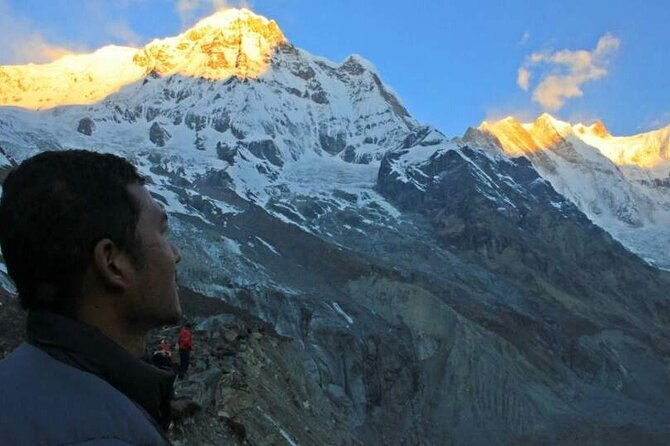
- Poon Hill sunrise + Annapurna Base Camp sunrise on the same itinerary style
- Guides and porters with strong care and planning, including Raju, Bishal, Ramji, and porters like Sandesh and Ishor
- Meals included: 11 breakfasts, 11 lunches, and 10 dinners
- Real comfort payoff at Jhinu Danda with a natural hot spring bath
- Altitude goal is clear: Annapurna Base Camp at 4,130m
- Private trip setup: only your group, with pickup offered and transfers handled
The real draw: sunrise payoffs and a clear altitude goal
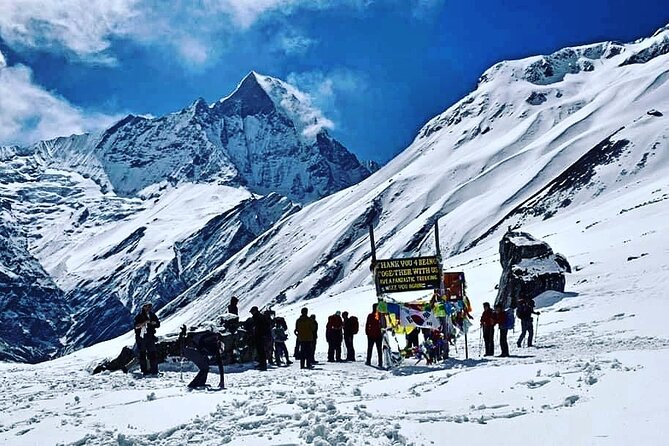
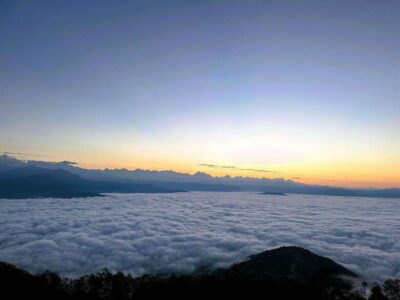
This trekking plan is built around two headline moments: the classic early view from Poon Hill, then the later, harder win of reaching Annapurna Base Camp at 4,130 meters. If you like your adventure with a schedule, this one makes sense—wake up early on key days, hike through the day, sleep at tea houses, repeat.
At the same time, the itinerary doesn’t pretend the trek is easy. You’ll be climbing and descending through villages and mountain trails, and the route includes steep sections (including a famous stair climb early on). The upside is that the day structure is predictable, and with a guide who’s used to keeping people steady, you can focus on enjoying the trail instead of constantly negotiating pace.
You can also read our reviews of more hiking tours in Kathmandu
Day 1 in Kathmandu: airport greeting and an easy hotel start in Thamel
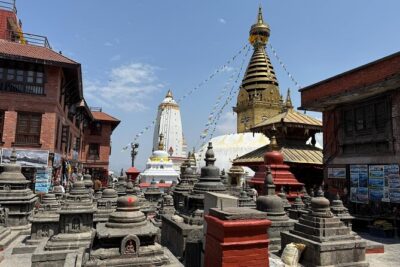
Your trip begins at Tribhuvan International Airport in Kathmandu, with an airport representative picking you up on any arrival date and time. From there, you’re transferred to your hotel by private vehicle, and your base becomes Thamel—handy for food, gear basics, and general pre-trek sanity.
This is the kind of start that matters. When you land after a flight, you don’t want extra hassles. Being near public transportation also helps if you need to sort something small before you head out.
Day 2: Kathmandu to Pokhara by domestic flight, then the trek start area
The plan moves you from Kathmandu to Pokhara via a domestic flight. After landing, you can grab breakfast in Pokhara if your flight timing is early, or eat at the hotel if not.
From Pokhara, the itinerary connects you to the trek start area around Nayapul and Tikhedhunga. This is where trekkers often feel the shift from city travel to mountain walking. It’s not just scenery—it’s your first stretch of real trail rhythm: steady steps, tea-house routines, and learning how the local route feels underfoot.
Day 3: Tikhedhunga to Ulleri via suspension bridge and 3,300 stone stairs
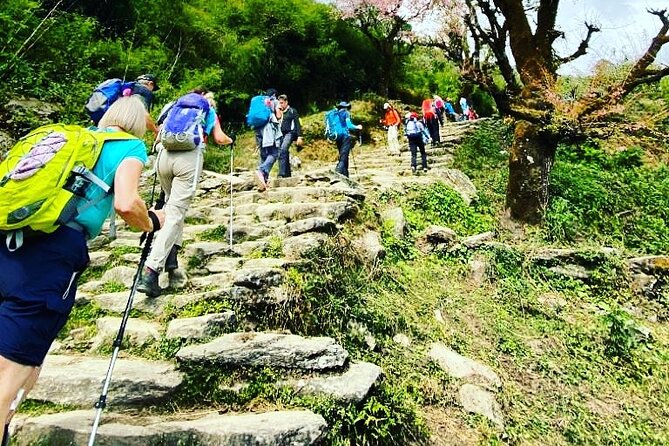
Today starts with a suspension bridge crossing over the Tikhedhunga stream, then the trail climbs sharply toward Ulleri. The standout challenge here is the stair section—roughly 3,300 stone stairs—leading up to the Magar village area of Ulleri.
If you’re even slightly worried about fitness, this is the day to respect. Those stairs compress your effort into a short span, which can catch people off guard if they go too fast. The good news: the trek is guided, and the route is designed to get you higher without needing technical climbing.
Day 4: Poon Hill viewpoint, then rhododendron country to Tadapani
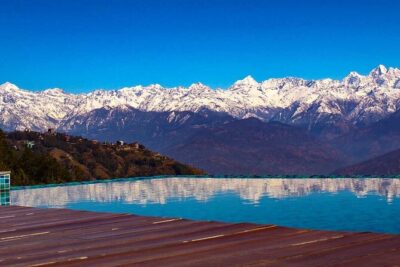
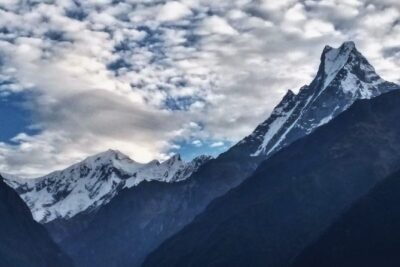
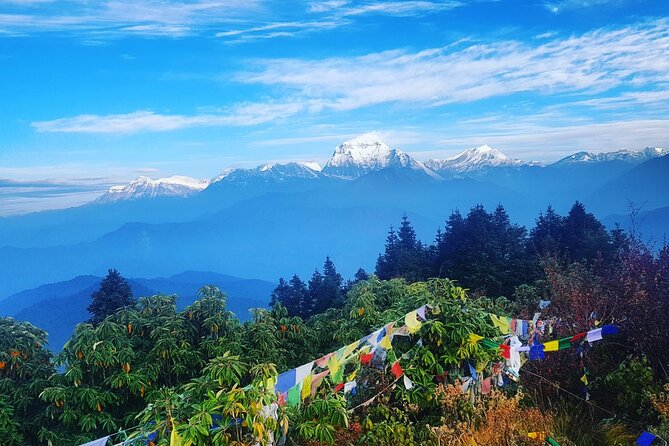
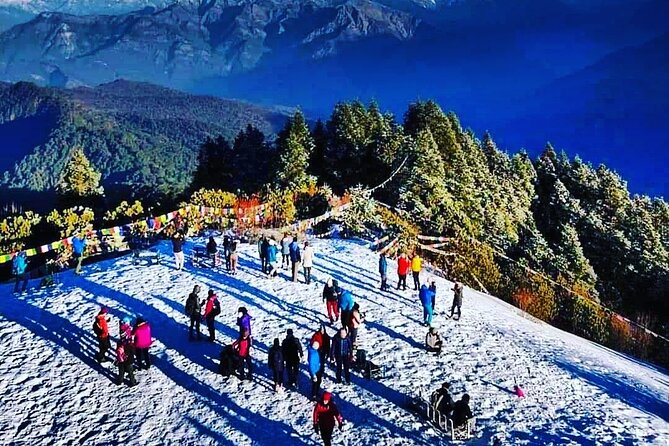
Day 4 brings you to Poon Hill, one of the best-known lookouts in the Annapurna region for views of Annapurna and Fishtail (Mt. Machhapuchare). After that, you descend back toward Ghorepani, eat breakfast, and continue on to Tadapani.
You’ll pass through areas described for rhododendrons and alpine-style trekking. This day works well as a “still amazing, but not all suffering” middle checkpoint: you already did the big early climb, and now you transition into higher, greener, cooler trail zones.
Day 5: Chhomrong area—Annapurna South views and Gurung culture stops
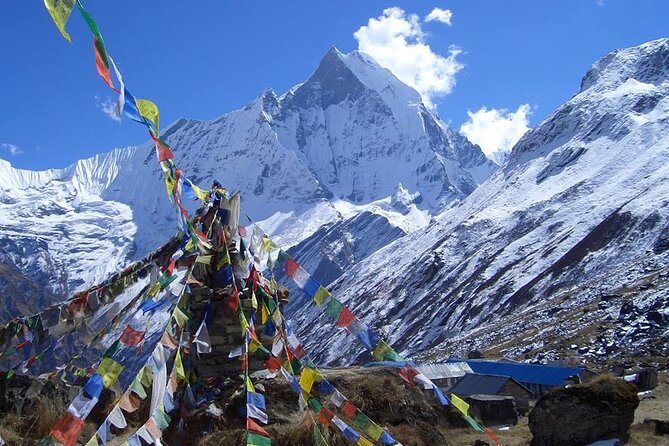
Day 5 is anchored around Chhomrong, a village that’s well known on the ABC circuit. The route includes a descent toward Kimrungkhola, plus crossings through Chuile, with a chance to catch views of Mt. Annapurna South and Hiunchuli from the Chhomrong area.
Culturally, this day matters too. The itinerary highlights time where you experience Gurung ethnic group culture as you pass through Chhomrong. Practically, these village stops break up the climb and give you a chance to eat, reset, and handle small gear needs before the higher days.
Day 6: Up to Deurali through rhododendron forest and along Modi Khola
Today heads toward Deurali, starting with a climb through rhododendron-dense forests. The trail runs alongside Modi Khola, and you’ll move from lower forest walking into higher, cooler air as you go.
It’s a classic trekking rhythm: shade and trees early, then less shelter as altitude takes over. The itinerary also mentions bamboo-lined sections further up, which is a nice reminder that this trek isn’t just altitude—it’s different trail textures all the way.
Day 7: From peak-watching toward Machhapuchare base area and then Annapurna Base Camp
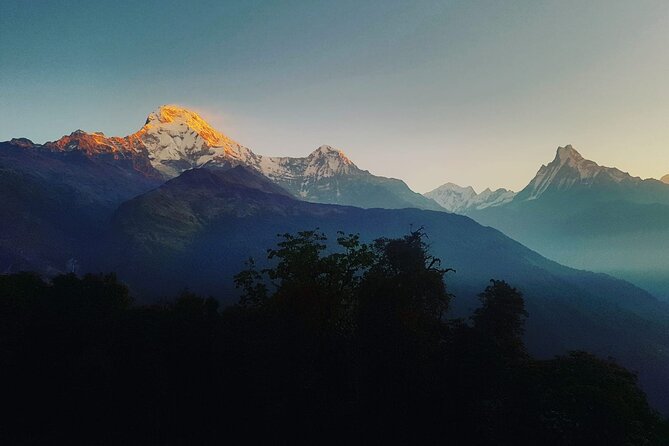
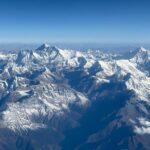
Day 7 is the “big day” lead-up. The itinerary frames the day as a close encounter with major peaks: Mt. Fishtail, Mt. Annapurna III, Mt. Gangapurna, and Mt. Annapurna I. Then it continues toward the Machhapuchare base camp area.
This is when the overall payoff starts to feel real. You’re no longer walking “to a place.” You’re walking through a region where the mountains keep getting bigger each day, and the trail feels like it’s guiding you into the center of the amphitheater of peaks.
Day 7 to Day 8: Annapurna Base Camp at 4,130m, sunrise, then the Sinuwa descent
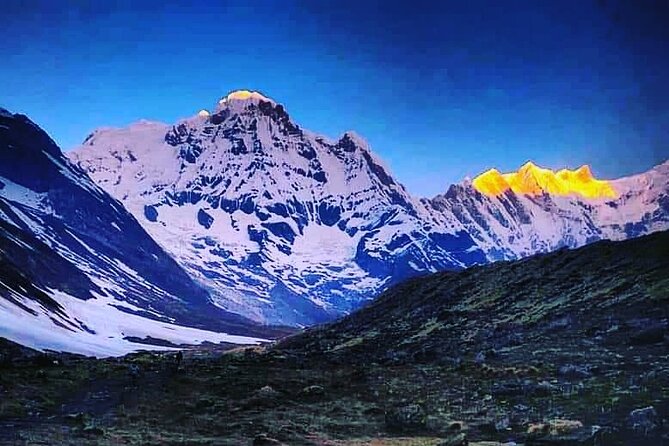
The itinerary explicitly targets Annapurna Base Camp at 4,130 meters, with a guided trek portion included on the day you reach the base camp area. Then Day 8 starts early again: you wake up to walk around the base camp cliffs for sunrise over Mt. Annapurna, followed by breakfast and a descent to Sinuwa.
One of the smartest ways to enjoy ABC is to treat the base camp morning like a gift that’s earned with patience. You’ll likely feel wind and cold here, and that’s normal on this trek style. In past experiences, guides like Raju and Ramji have been praised for encouraging slower pacing—important when you’re trying not to rush altitude.
Day 9: Chhomrong route down to Jhinu Danda for a natural hot spring bath
Day 9 runs from the Chhomrong area and then takes a very steep descent toward Jhinu Danda. The highlight is the natural hot spring at Jhinu Danda, where you can bathe to loosen up after trekking days.
This is one of those moments that makes the whole trip feel human. After spending days using trekking muscles, a warm soak gives your legs a reset. It also breaks the monotony of just hiking and eating—you get an actual recovery activity built into the route.
Day 10: Pokhara recovery day with Devi’s Fall, Peace Stupa, and Phewa Lake
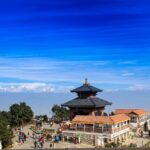
After breakfast, you head back toward Pokhara by vehicle. In Pokhara, the itinerary includes time for sightseeing around Devi’s Fall, Peace Stupa, and boating on Phewa Lake, plus a chance to enjoy lakeside nightlife.
This is a good contrast day. You’ll go from high-altitude trail focus to relaxed city pace. And because it’s part of your tour, you’re not stuck figuring out transportation on your last full day.
The itinerary also references Siwai—not as a new “start over,” but as a known trekking starting point reachable by road from Pokhara. If you’re curious about route choices, Siwai is the kind of name you’ll recognize in trekking planning.
Day 11: Back to Kathmandu by flight, then Ason and Thamel shopping time
On the final day, you return by domestic flight from Pokhara to Kathmandu, then hang out around Ason market and Thamel for shopping. The trip ends back at the original meeting point in Kathmandu, so you’re not forced into an awkward “end somewhere else” situation.
Thamel is a practical place to wrap up: gear stores, simple meals, and enough activity that you can transition back to normal travel without feeling stranded.
What the guiding team seems to do best: planning, pacing, and care
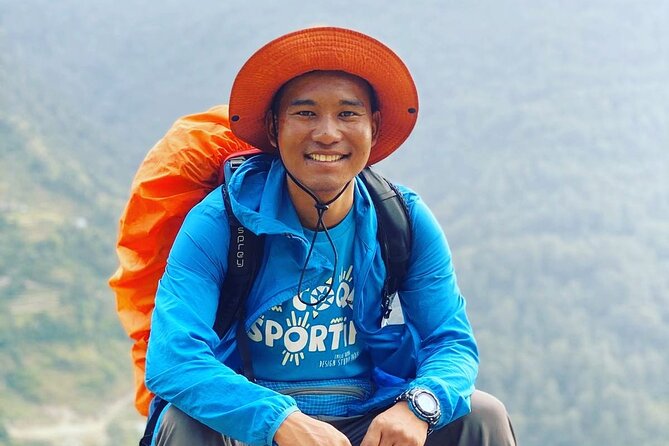
The most praised part of this trek is the human support—guides planning the days well and taking care of you on the mountain. Names that keep showing up in strong feedback include Raju, Bishal, and Ramji, along with porters Sandesh and Ishor.
What stands out from that pattern is less about fancy promises and more about day-to-day management: being ready for questions, adjusting pacing, and handling tough weather moments. One recurring theme in the feedback is altitude worry and the need for encouragement—often summarized as slow and steady, with reassurance that you can keep going at a workable speed.
Safety here is less about dramatic heroics and more about steady rhythm: climb, rest, eat, hydrate, repeat. That’s what guides and porters are for, and that’s what you want when the air gets thin.
Meals on the trek: what’s included, what’s not, and how it affects your stress level
Your package includes breakfast (11) and lunch (11), plus dinner (10). That’s a big deal on a trek like this because it reduces the chances you’ll lose time deciding where to eat each day—especially when schedules and weather can change.
It also helps with budgeting. You’ll still pay for personal extras, snacks, or drinks depending on the tea house, but the core calories and meals are largely covered. In a place where mountain hikes can be long, predictable meals help your energy stay consistent.
Price and value: $1,300 for a private, guided ABC trek
At $1,300 per person, this isn’t a “cheap trek,” but it’s also not priced like a luxury expedition. You’re paying for a guided itinerary, private-group structure, transfers, and the meal plan that covers most days—plus the domestic flight segments within the schedule.
So the value math usually comes down to this: how much you want your logistics handled. If you’d rather spend your energy on walking and enjoying the mountains (and not negotiating transport, accommodations, and daily meal choices), a guided private setup makes sense. If you’re the kind of traveler who loves independent organizing, you might be able to do ABC cheaper on your own—but you would trade away the built-in support that guides like Raju and Bishal are being praised for.
The practical trade-offs to consider before you commit
This trek is rated for moderate physical fitness, which is encouraging. Still, the itinerary has demanding pieces: long hiking days (some days listed around 12 hours), plus a stair-heavy start climbing to Ulleri. The best way to handle that is to go in with realistic expectations and let your guide set the pace.
Also, while meals are mostly covered, trekking support items aren’t. The plan notes trekking sticks may be needed but aren’t compulsory, and you can find them in Thamel for about $3–$20 if you decide you want one.
Should you book Himalayan Vista’s 11-Day Annapurna Base Camp trek?
I’d book it if you want:
- a structured ABC plan with Poon Hill sunrise and an actual 4,130m base camp goal
- a private format for your group, plus guide support that’s been repeatedly praised for planning and care (including Raju, Bishal, and Ramji)
- most meals included so you can focus on hiking instead of hunting down food
I might skip or rethink if you know you struggle with long days on your feet, or if a steep stair climb early on would be a deal-breaker. The trek is doable for many people with moderate fitness, but you should still respect the physical demand.
If you’re aiming for the classic Annapurna experience with strong people at your side, this is a solid choice.
FAQ
Where does the trek start and end?
It starts at the Thamel meeting point in Kathmandu and ends back at the same meeting point.
Is pickup included?
Yes, pickup is offered, and you’ll also get airport representative support after landing in Kathmandu.
How long is the tour?
The duration is listed as 11 days (approx.).
What does the price include?
The package includes breakfast (11), lunch (11), and dinner (10). It also includes parts of the guided trek and transfers within the itinerary.
What is the altitude of Annapurna Base Camp?
Annapurna Base Camp is listed at 4,130 meters.
Are trekking sticks provided?
Trekking sticks may be needed but are not compulsory, and they’re not included. They can be found in the Thamel area for about $3–$20.
Is this tour private or shared?
This is a private tour/activity, so only your group participates.
What happens if the weather is bad?
The experience requires good weather. If it’s canceled due to poor weather, you’ll be offered a different date or a full refund.
What is the cancellation window?
Free cancellation is available. You can cancel up to 24 hours in advance for a full refund; canceling less than 24 hours before the start time isn’t refunded.