REVIEW · KATHMANDU
Everest Base Camp Helicopter Tour with Landing
Book on Viator →Operated by Nepal Hiking Adventure Company - Private Day Tours · Bookable on Viator
Everest by helicopter beats the trek. In just a half-day you’re moving through the Everest region with dramatic high-altitude views and a landing at Hotel Everest View, all wrapped into a tight schedule that’s built around weather and flight windows.
Two things I genuinely like: first, the sheer shortcut. The air time is brief (about 4–5 minutes in the air total), but you still get that up-close look at Everest’s terrain instead of spending days walking. Second, you’re timed for the best angles—Kalapatthar for a strong look at Khumbu Glacier and Khumbu Icefall from above.
One thing to weigh carefully: the promise of where you actually land. This tour is built around the Hotel Everest View landing, and I’ve seen accounts where expectations of an Everest Base Camp landing weren’t met. Add that to the fact you’ll be dependent on conditions, and you’ll want to go in with flexible expectations.
In This Review
- Key things to know before you go
- Why this helicopter day feels different from a trek
- Your morning start: Kathmandu to Tribhuvan Airport
- Lukla hop: why this stop exists
- Pheriche: altitude logistics, weight planning, and calm pacing
- Kalapatthar from the air: the big view moment
- The Hotel Everest View landing: breakfast with an Everest outlook
- Back to Kathmandu: what the wrap-up feels like
- Price and value: $1,473 for a 4–5 hour shortcut
- Included vs not included: know what you’ll still pay
- Who this tour suits best (and who should rethink it)
- Small-group reality: what “sharing basis” means for your comfort
- Weather and visibility: the key variable you can’t control
- Quick checklist before you book
- Should you book the Everest Base Camp helicopter with landing?
- FAQ
- What time does the tour start?
- Where does the tour begin?
- How long is the experience?
- How long is the flight time?
- Is pickup included?
- How many people are in the group?
- Is there a weight limit?
- Is breakfast included?
- What other fees might I need to pay?
- What happens if weather is poor?
Key things to know before you go
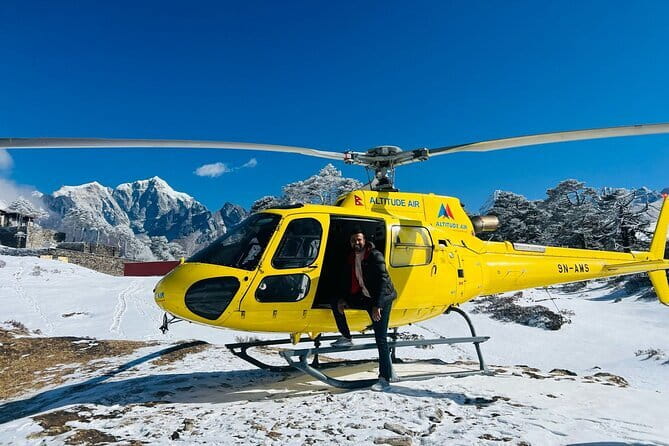
- A real landing at Hotel Everest View: you stop there for time at the hotel with breakfast.
- Short air time, lots of staging: schedule blocks include airport time and hop-to-hop logistics.
- Kalapatthar viewpoints from the air: the best glacier/icefall angles happen during this segment.
- Small group feel: maximum 10 travelers, sharing flights.
- Weather matters more than anything: good conditions are required for this to run.
Why this helicopter day feels different from a trek
If you’re picturing Everest Base Camp as a slow-moving, altitude-testing trek, this is the opposite. You trade days of walking for a compact high-altitude viewpoint run—still in the Everest region, but with a very different rhythm. It’s the kind of trip that works when you have limited time in Nepal, or when you want “big Everest views” without committing to a long trek.
The landing at Hotel Everest View is also a smart touch. Plenty of tours are pure sightseeing from the air. Here, you get a hotel stop where you can reset, eat, and look out with the kind of window view trekkers talk about—just with a fraction of the time.
One more reason I like this style of tour: it’s built around the idea that the Everest region is a set of viewpoints. Kalapatthar and the Khumbu Glacier/icefall are visual targets. Instead of trying to cover everything on foot, you’re aiming for the highlights.
You can also read our reviews of more tours and experiences in Kathmandu
Your morning start: Kathmandu to Tribhuvan Airport
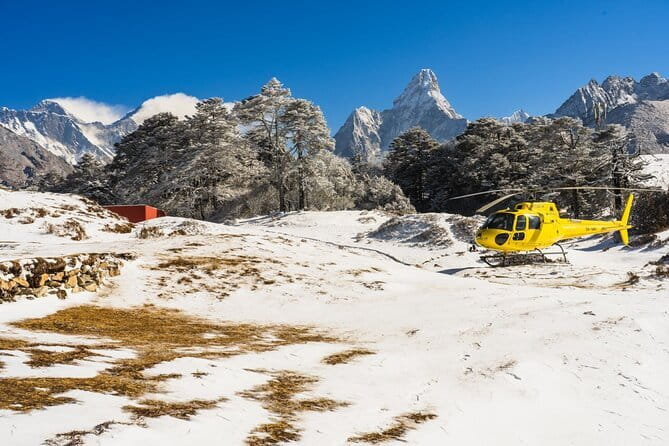
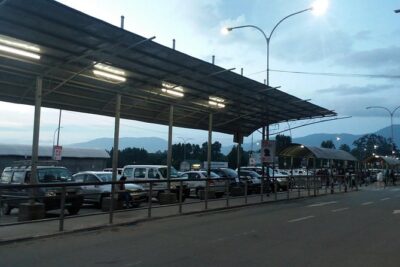
The day begins early—4:45am—because the flight window is the whole game. You’ll head to Tribhuvan International Airport in an air-conditioned vehicle. The schedule includes waiting time so you’re not rushed into the sky with zero breathing room.
This early start is not glamorous, but it’s practical. Helicopter and short-haul flights here tend to be weather and coordination sensitive. The more smoothly the morning flows, the more likely you get the segments you want—especially the viewpoint portion and the hotel landing.
There’s also a simple operational detail you’ll appreciate: you’ll be carrying a mobile ticket. For a morning like this, where time is tight, that saves hassle.
Lukla hop: why this stop exists
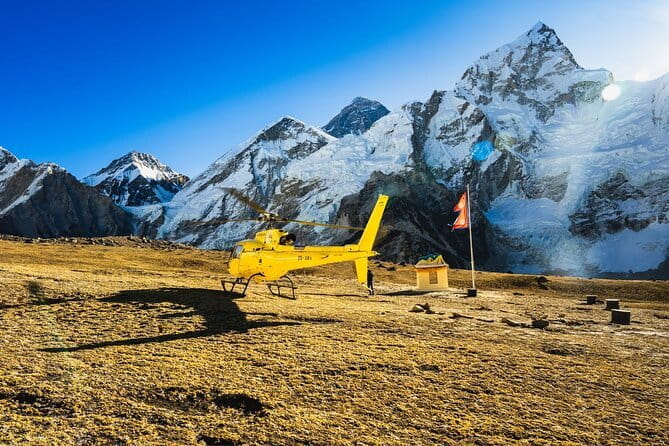
From Kathmandu, you’ll fly to Lukla with a short stop for refueling. The time blocks can look long on paper, but your goal here isn’t sightseeing in town—it’s aviation timing. Lukla is one of those key hubs in the Everest area, and refueling stops are part of how the flights get balanced.
Here’s the real value for you: this leg puts you into the right geography fast. Even if you’re not “touring” Lukla on foot, you’re aligning your whole day with the Everest viewing corridor.
Practical tip: bring layers you can handle quickly. Morning temps shift fast around the airport zone, and helicopters don’t wait for you to figure out what to wear.
Pheriche: altitude logistics, weight planning, and calm pacing
Next up is Pheriche, again part of the route logic. You’ll have a stop for shuttle management due to altitude weight management. That wording matters. It tells you this isn’t a casual joyride—it’s a structured flight plan where weight and altitude constraints influence the sequence.
If you’re sensitive to height or you prefer to know you’re being managed carefully, this “logic-first” approach can feel reassuring. It’s also why the total day is several hours even though the air time itself is brief.
One more detail that you shouldn’t ignore: the stated total weight per passenger is 198 lbs. If you’re near or above that, this could affect eligibility. Check your situation early so you’re not stuck deciding last minute.
Kalapatthar from the air: the big view moment
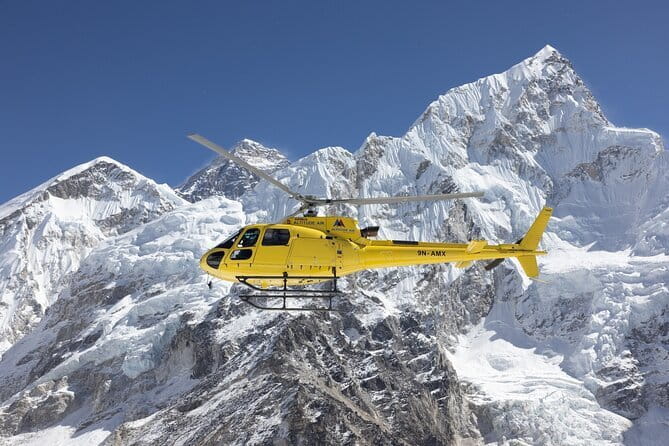
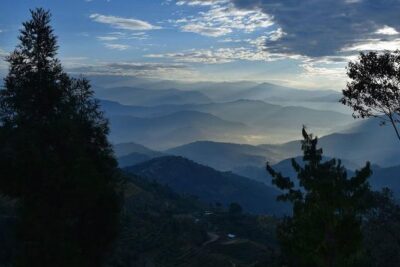
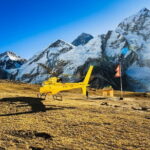
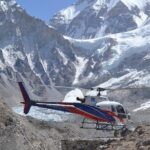
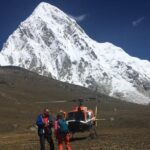
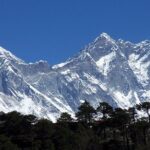
The highlight sequence comes when you fly over Kalapatther—spelled as shown—and the Everest Base Camp area. This is one of the best viewpoint angles in the region for a reason: it gives you a strong look toward the Everest massif and the glacier system feeding into the Khumbu Icefall.
From the tour description, your emphasis here is crystal clear: the Khumbu Glacier and Khumbu Icefall are expected to be visible from this flight segment. That’s exactly what most people want from a shortcut—an image that looks like the famous photos, without the trek.
A quick reality check though: weather and visibility will shape what you actually see. Even with perfect planning, clouds can soften the view. If you’re deciding whether to book, go in expecting the day to be controlled by atmospheric conditions.
What I’d do if I were choosing my focus: mentally mark this as the “photo and wonder window.” If anything changes, you’ll still get value from knowing this is the main sighting moment.



The Hotel Everest View landing: breakfast with an Everest outlook
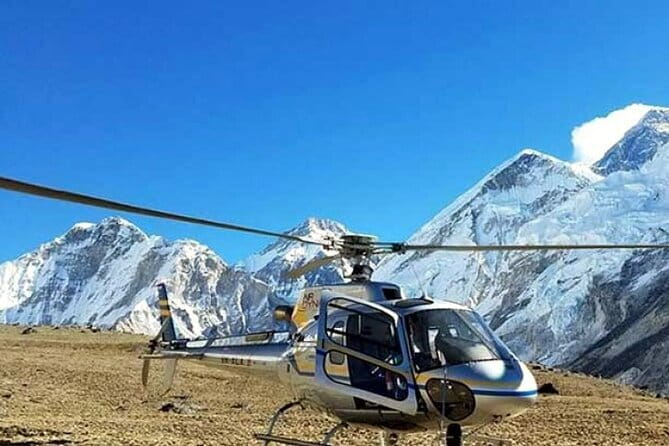
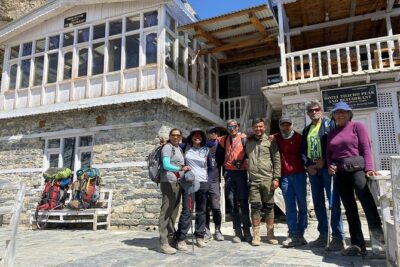
After the Kalapatthar segment, the tour’s second highlight is a stop at Everest View Hotel (often described as the Everest View Point). This is where you get the landing and time that feels more grounded than the flight-only portions.
You’ll enjoy breakfast at the hotel with views of Mt. Everest. This matters more than it sounds. Breakfast turns a quick viewpoint stop into an actual pause. You can sit, look, and take in the scale of the terrain without moving seats or worrying about the rotor schedule.
There’s also a “staying power” benefit: a hotel stop often means slightly more comfort than airport waiting. If the morning has been long, this is where you can reset before heading back.
Important expectation note: this is not described as a full-day “Base Camp expedition.” It’s an Everest-region sights-and-views day built around the hotel landing and the aerial viewpoint segment.
Back to Kathmandu: what the wrap-up feels like
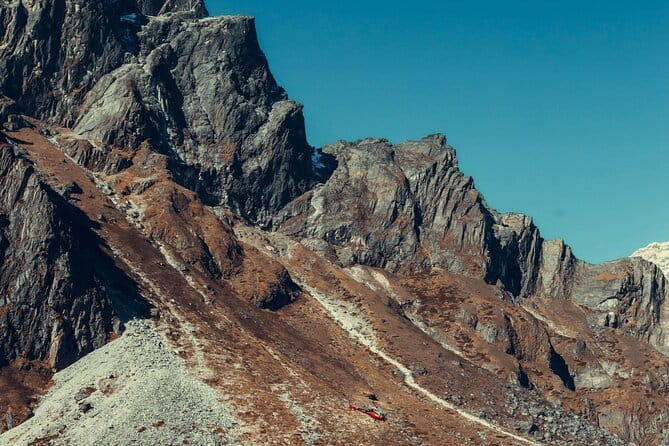
After breakfast, you’ll fly back to Kathmandu. Your experience includes a staff member who will pick you up from the airport and drop you back at your hotel.
The one practical point here: this is typically where passengers feel tired but also happy you didn’t have to drag a trek itinerary across the calendar. You get the big mountains on your mental map, then you return to normal life without losing the rest of your Nepal days.
Price and value: $1,473 for a 4–5 hour shortcut
At $1,473, this is not a bargain tour. Helicopter travel in Nepal is expensive for a reason: aircraft, fuel, crew, and safety overhead are high. So the real value question isn’t whether it’s cheap. It’s whether it’s worth it for your priorities.
Here’s the value logic I’d use:
- You’re buying time. The total day is about 4–5 hours, with only minutes of flying time, but you still target signature Everest viewpoints.
- You’re buying convenience. Pickup is offered, you’re moved in an air-conditioned vehicle to the airport, and you get an airport-to-hotel handoff on return.
- You’re buying a “stop” experience, not just views from above. The landing at Hotel Everest View plus breakfast adds real human comfort to a short day.
Now the caution side: helicopter tours live and die on expectations and execution. One serious complaint I’ve seen centered on landing expectations not matching what was hoped. If you book, align your mental picture to this structure: the landing is at Hotel Everest View, while the Base Camp area is presented as an overflight/viewing highlight rather than a guaranteed Base Camp touchdown.
Included vs not included: know what you’ll still pay
The core package includes:
- Air-conditioned vehicle
- Helicopter charter flights on a sharing basis
- All fees and taxes
Not included:
- Breakfast at Everest View Hotel
- National park entrance fees and local special permit (around Rs. 5500)
That breakfast line can surprise people. The schedule includes breakfast time, but the cost isn’t said to be included in your price. If you want to be fully budget-ready, plan for that extra meal cost and any related charges on the hotel side.
Permits are also part of the reality of visiting this region. Even when you take a helicopter, you’re still operating under Nepal’s access rules.
Who this tour suits best (and who should rethink it)
This experience is a great fit if:
- You have limited time in Nepal and want a high-impact Everest day.
- You’re comfortable with early starts and variable visibility.
- You want a “views plus a hotel stop” format instead of multi-day trekking.
It might not fit you as well if:
- You expect an actual Everest Base Camp landing touchdown as part of the plan.
- You want a trip that’s predictable hour-by-hour regardless of weather.
- You’re near the stated weight limit (198 lbs) and need certainty.
Small-group reality: what “sharing basis” means for your comfort
The tour runs with a maximum of 10 travelers, and the flights are on a sharing basis. That usually means you’re not getting a private helicopter with totally flexible pacing. It’s more efficient and cheaper than fully private, but it also means coordination matters.
The good side: small group size usually keeps the vibe sane. The not-so-good side: your comfort and timing can be influenced by how the schedule works for the group.
If you’re the type who gets stressed by uncertainty, treat this as a “plan for a great view, accept minor wobble” kind of day.
Weather and visibility: the key variable you can’t control
This experience requires good weather. That isn’t boilerplate—it’s the difference between sharp peaks and a gray wash over the mountains.
The good news is that the tour structure is built to use the window wisely: you’re up early, you’re moving quickly, and your viewpoint moments are concentrated. When conditions cooperate, you’ll likely feel like you used your Nepal days well.
When conditions don’t cooperate, you’ll want to handle the day with patience. Helicopter operations don’t bend for anyone’s itinerary.
Quick checklist before you book
Here’s what I’d make sure you know before you commit:
- You’re aligned on the landing point: Hotel Everest View is the landing stop.
- You’re ready for a very early start at 4:45am.
- You understand that visibility depends on the weather.
- You budget for breakfast at the hotel and permit-related costs (around Rs. 5500).
- You check the 198 lbs weight limit.
Should you book the Everest Base Camp helicopter with landing?
If your goal is a fast, high-impact Everest day and you’re okay with the fact that weather drives the outcome, I think this is a smart choice. The combo of aerial glacier/icefall viewing plus a landing and breakfast at Everest View Hotel is exactly the kind of “shortcut with substance” that makes sense for many visitors.
But if your main dream is a guaranteed Everest Base Camp touchdown, don’t book this expecting that. Go in for the overflight/view highlights and the Hotel Everest View landing, and you’ll feel much more satisfied with what you get. If you want the trek experience itself, you’ll need a walking plan instead.
FAQ
What time does the tour start?
The start time is 4:45am.
Where does the tour begin?
It starts in Kathmandu, and you’ll be driven to Tribhuvan International Airport in an air-conditioned vehicle.
How long is the experience?
It runs about 4 to 5 hours (approx.).
How long is the flight time?
The flight time is described as about 4 to 5 minutes, while the overall schedule includes additional waiting and stop time.
Is pickup included?
Yes, pickup offered is listed, and you’re also dropped back after returning to Kathmandu.
How many people are in the group?
The tour has a maximum of 10 travelers.
Is there a weight limit?
Yes. The total weight per passenger is stated as 198 lbs.
Is breakfast included?
No. Breakfast at Everest View Hotel is listed as not included.
What other fees might I need to pay?
National park entrance fees and local special permit are not included and are listed as around Rs. 5500.
What happens if weather is poor?
This experience requires good weather. If it’s canceled due to poor weather, you’ll be offered a different date or a full refund.