REVIEW · KATHMANDU
Nepal and Bhutan Tours
Book on Viator →Operated by Odea Services · Bookable on Viator
Few trips switch countries this fast. This Nepal + Bhutan combo strings together Kathmandu heritage, big mountain viewpoints, and Bhutan’s monastery scenery, with pickup and private vehicle comfort. The pacing is smart: you get your “wow” moments early, then spend enough time at key temples to actually notice details.
I especially like how the tour balances two kinds of travel. There’s the city-and-stupa side in Kathmandu and the sunrise view moments around Nagarkot, then Bhutan adds that calm, devotional feeling at monasteries like Taktsang.
One possible drawback: expect early starts and one proper hike. The day to reach Tiger’s Nest involves a climb to the monastery, and the overall schedule runs on time.
In This Review
- Key highlights worth your attention
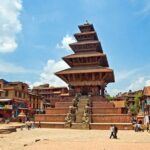
- Thamel and your first Kathmandu evening
- Nagarkot views and Swayambhu’s monkey temple feel
- Flying to Bhutan: Paro in one hour changes the whole trip
- Changangkha Lhakhang and Drubthob Goemba’s calmer pace
- Punakha Dzong: two rivers, a former capital, and winter importance
- Drukgyal Dzong ruins and the big hike day: Taktsang
- Paro airport formalities, Kathmandu transfer, and a bit of breathing room
- Final morning in Thamel and getting out smoothly
- Price and value: what $1,400 buys in real terms
- Who should book this Nepal and Bhutan route
- Should you book? My honest take
- FAQ
- Where does the tour start?
- Is pickup offered?
- What countries and key areas are included?
- Does the itinerary include flights between Nepal and Bhutan?
- What meals are included?
- What hotels should I expect?
- Are entrance fees included?
- Is this a private tour?
- What is the cancellation window for a full refund?
Key highlights worth your attention
- Thamel welcome dinner to kick off your trip without stress
- Nagarkot morning views plus classic Kathmandu stops like Swayambhunath
- Druk Air flight from Kathmandu to Paro that makes Bhutan feel immediate
- Punakha Dzong on two rivers (Mo Chu and Pho Chu) for a dramatic setting
- Taktsang (Tiger’s Nest) hike from the Ramthangkha area, with admission included
- Private vehicle in both countries so you’re not hunting transport
Thamel and your first Kathmandu evening
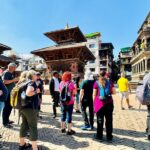
Day 1 is all about easing in. You arrive in Kathmandu and head straight to Thamel, the neighborhood that’s basically made for travelers who still want real Nepal vibe. It’s a good place to walk off travel-time and get your bearings fast: find a pharmacy if you need one, grab a lightweight layer, and pick a spot for a late snack before dinner.
The day includes a welcome dinner, which matters more than it sounds. After a flight, most people don’t want to immediately plan dinner logistics. Here, you get a simple start and a chance to meet your guide in a relaxed setting. If you’re trying to travel light, it also helps you avoid the first-night scramble.
Value check: Because you’re paying for a tour, you’re also paying for fewer decisions. Day 1 removes some of the early friction, and that’s a real benefit on an 8-day trip.
You can also read our reviews of more tours and experiences in Kathmandu.
Nagarkot views and Swayambhu’s monkey temple feel
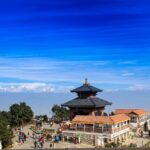
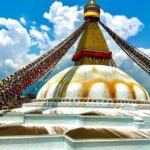
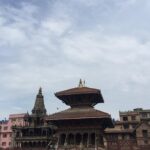
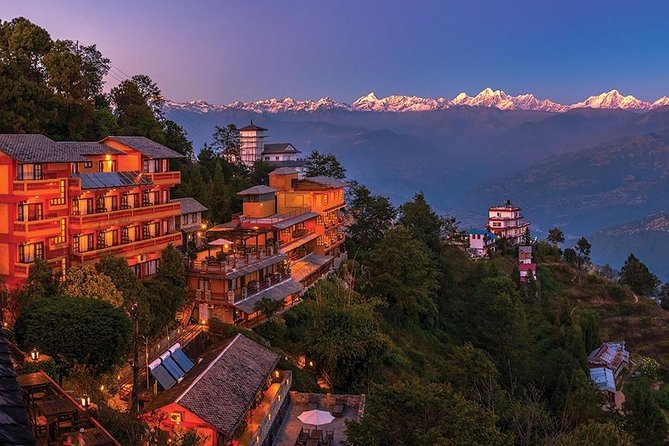
On Day 2 you begin with breakfast, then head toward the Kathmandu city tour. This is a solid “warm-up” day if you like religious architecture and city atmosphere without rushing. The plan includes Swayambhunath Stupa, famously known as the monkey temple. It sits on a hill, so you naturally get that layered view—temple, city below, and people moving through the space.
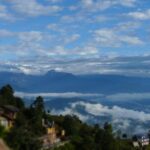
Then you add Nagarkot to the mix. Nagarkot is the kind of place where the day feels more like watching than sightseeing. Even with morning traffic and schedules, the point is to keep the mountains in your peripheral vision. It’s a nice shift from Kathmandu streets into higher-altitude atmosphere.
Two practical notes:
- Bring a warm layer for early-morning viewpoints, even if Kathmandu feels mild later in the day.
- If you’re photographing, plan for changing light. Hills and stupa viewpoints can look great, but only for certain hours.
Possible tradeoff: Kathmandu days can involve some driving. You’ll be comfortable in a private vehicle, but you’ll still be in a car part of the time.
Flying to Bhutan: Paro in one hour changes the whole trip
Day 3 is where the trip stops feeling like “one country with extra steps” and starts feeling like two different worlds. You wake early for sunrise views, then after breakfast you head to Kathmandu’s airport. From there, you fly to Paro by Druk Air (listed as about one hour).
That flight timing is a travel hack. Bhutan can feel complicated to reach if you’re doing everything independently, especially with permits and logistics. Having this segment handled lets you spend your energy on the actual sights.
Once you land, you’re in Bhutan territory fast, and the contrast is immediate: the temples feel less like tourist stops and more like living places. Even before you get into the deeper Bhutan days, this transition day does a good job building anticipation.
What I’d watch for: Morning schedules mean you should pack a small day bag the night before (water, a layer, and anything you’ll need for photos). When days start early, minor items become major tasks.
Changangkha Lhakhang and Drubthob Goemba’s calmer pace
Day 4 focuses on sacred sites around the Thimphu area: you visit Changangkha Lhakhang, built in the 12th century. Even without getting overly academic, it’s easy to appreciate why a structure like this matters. It’s old, it’s specific, and it’s part of a longer rhythm of worship in Bhutan.
The plan also includes the Drubthob Goemba nunnery. This is a reminder that Bhutan’s religious world isn’t only monasteries you visit for views—it includes communities that live and practice there. Having both a long-established temple and a nunnery in the same day gives you two angles on the same spiritual culture.
Logistics-wise, this is a manageable day. You’re not doing a heavy hike, and the time is more about walking temple areas, absorbing atmosphere, and staying present. If you’ve been doing Nepal city touring, this day gives your body a break without making the trip feel lazy.
Tip: Keep your pace slow at these sites. The best photos often come from watching what people do—hand gestures, prayer habits, and how visitors move around the stupa/temple spaces.
Punakha Dzong: two rivers, a former capital, and winter importance
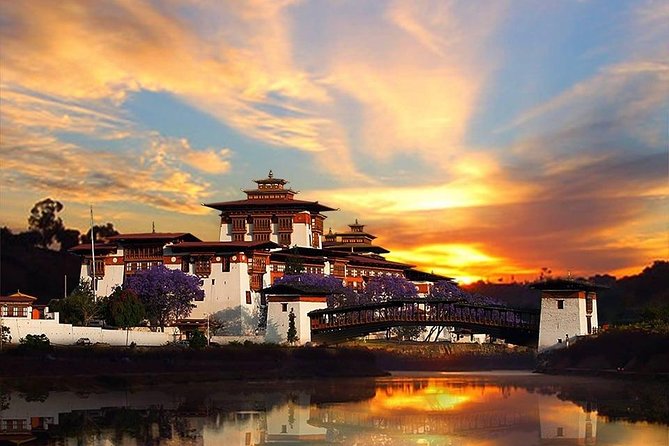
Day 5 turns toward Punakha. After breakfast, you go to Punakha Dzong, described as an ancient capital spanning the Mo Chu and Pho Chu rivers. That setting matters. When a dzong is placed between two river systems, it changes the mood of the whole visit—there’s a sense of both power and protection.
The itinerary also notes that Punakha is the winter capital for the monks and the Je Khenpo, chief abbot. Even if you don’t track every title during your visit, it helps to understand the role. The place isn’t only historic; it’s functional. It’s part of how Bhutan organizes religious life by season.
After that, the plan includes a drive to Lobeysa (the description cuts off in the info provided, but the stop itself is clearly part of the schedule). In practice, these extra stops are often there to add variety—smaller scenic areas, photo breaks, or a less-formal feel after the bigger landmark like Punakha Dzong.
Possible drawback: River locations can bring cool air or changing weather. You’ll want a layer you can put on without turning it into a whole routine.
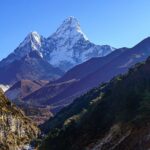
Drukgyal Dzong ruins and the big hike day: Taktsang
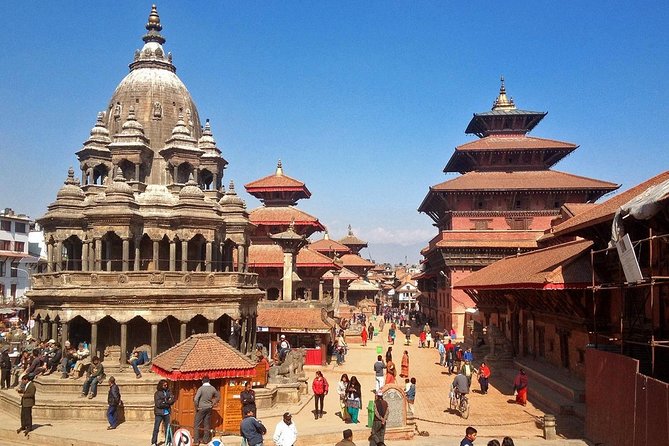
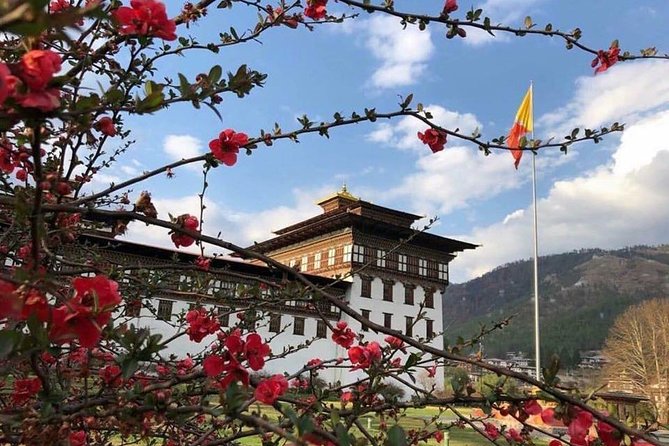
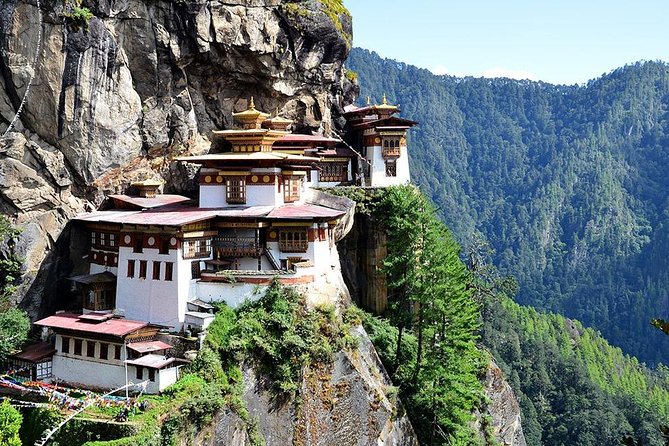
Day 6 is the signature day: Taktsang (Tiger’s Nest). After an early breakfast you drive along winding roads to Drukgyal Dzong, the ruined fort. The plan notes it was once defended the valley from Tibetan invasions. That background turns ruins from “just stones” into a story about geography and defense.
Then it’s time to hike up to Taktsang from Ramthangkha. The itinerary labels this as a hike and says admission is included. Whether you’re a strong hiker or you take breaks often, plan for a steady climb. This is the kind of day where pacing is everything: you’ll get better views if you don’t sprint uphill.
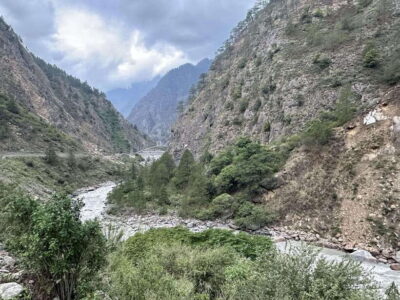
What makes Taktsang worth the effort on this itinerary isn’t only the monastery itself—it’s the way Bhutan uses elevation to create perspective. You see ridges, valleys, and the monastery perched in a way that feels almost staged, even though it’s purely natural design.
Practical things you’ll thank yourself for:
- Wear shoes with traction. Stone paths can get slick.
- Bring water, and take small rests. Don’t wait until you’re exhausted.
- Keep your phone battery warm if the morning is cold. Cold + screen brightness = fast drain.
Big-picture value: This day earns its place in the trip. If you want one Bhutan experience that truly feels Bhutan, this is it.
Paro airport formalities, Kathmandu transfer, and a bit of breathing room
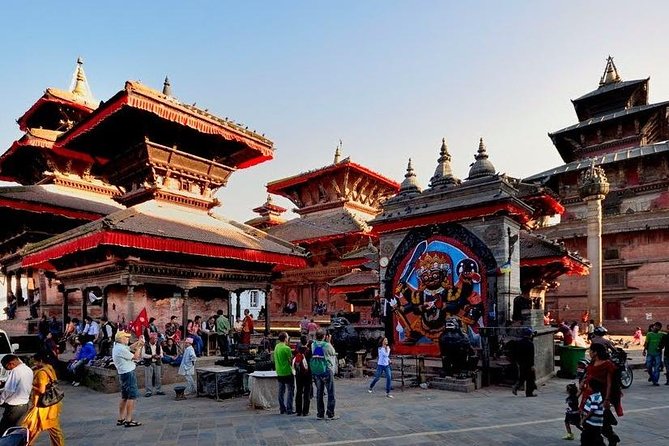
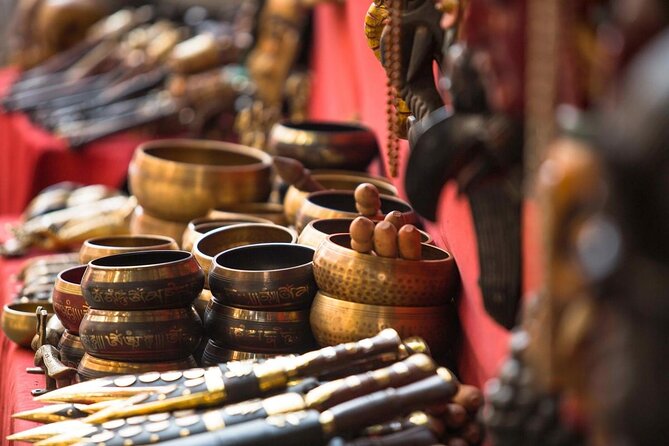
Day 7 starts with a drive to Paro airport. Your representative helps you with exit formalities, and then you say farewell before heading back to Kathmandu. After you arrive, you get transferred to your hotel and have leisure time, including shopping in Kathmandu.
This is a good structure. Many tours cram a “last day” full of temples when your feet are already tired. Here, you get a buffer—enough time to recover, do last-minute shopping, and still feel like you had a real end to the Bhutan segment rather than a rushed exit.
If you like souvenirs, Thamel is a natural place to spend your final hours. If you prefer calm, use this time for a slow meal and a long walk without a schedule in your ear.
Value check: A little leisure time turns the last days from a checklist into a closing memory.
Final morning in Thamel and getting out smoothly
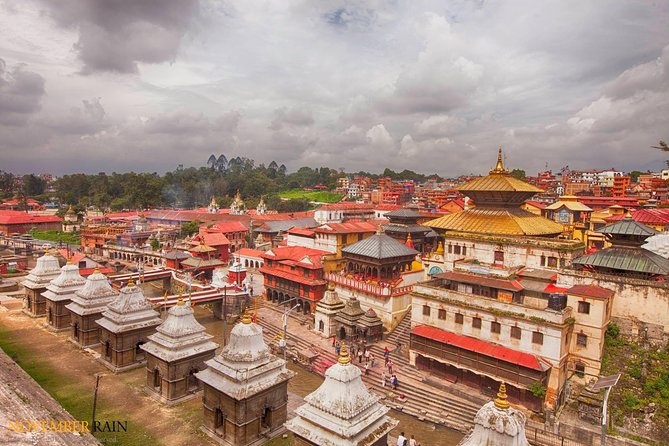
Day 8 brings the trip to a close, with Thamel as your base for the last morning. The itinerary indicates you’ll head to the airport about 3 hours before your scheduled flight, with a representative escorting you.
That “early enough to be stress-free” timing is worth something, especially in busy airport settings. It also gives you time on the way out to handle whatever small tasks you’ve put off—payment issues, a quick snack, or just sitting down before leaving Nepal.
If you’re the type who likes a clean ending, this day helps you avoid that last-day scramble.
Price and value: what $1,400 buys in real terms
The price listed is $1,400 for an approximately 8-day private itinerary with pickup and private vehicle transport. On paper, that sounds straightforward. In practice, it’s the mix that makes it feel like value.
You’re not just paying for a driver and a list of stops. The package includes:
- 3-star hotels in Nepal and Bhutan
- A professional tour guide and driver support (including their accommodation and meals)
- Private vehicle sightseeing in both countries
- Welcome dinner
- Several meals: lunch included, and Bhutan includes breakfast, lunch, dinner, plus mineral water
- Museum fees and other special entry fees
- Visa fee
- Flights between Kathmandu and Paro (listed both directions)
- Admission on key activities, including Taktsang
Here’s the honest way to look at it: if you were to plan the route yourself, you’d spend time and energy matching transport, entry fees, domestic flights, and schedules. This tour bundles those decisions into one plan, so you can focus on seeing.
One small caution: international airfare isn’t clearly included. The package lists “airfare” under both included and not included, but it does specifically mention Kathmandu–Paro flights as included. So treat the $1,400 as covering the trip’s core regional flights, not your flight from home to Nepal.
Who should book this Nepal and Bhutan route
This itinerary is a strong match if you want:
- Heritage sites in Kathmandu (including Swayambhunath) without trying to drive around the city yourself
- A quick, organized jump into Bhutan via Paro flight
- A mix of dzongs, temples, and monastery culture
- One serious highlight day (Tiger’s Nest) handled with local logistics
- Private comfort with a guide who can keep things moving
It’s also a good fit if you like your days planned but not stuffed every minute. The tour does include multiple early moments, but it generally leaves space to actually enjoy stops, not just pass them.
If you hate hikes, you might reconsider. Taktsang is the centerpiece, and you’ll need to be willing to climb.
Should you book? My honest take
I’d book this if your goal is to see Nepal’s major spiritual sites and viewpoints, then get a Bhutan experience that’s structured around the real highlights: dzongs in Punakha, monastery culture in Paro, and the Tiger’s Nest hike day.
I like that the route feels purposeful: sunrise viewing ideas, then heritage, then Bhutan’s major religious stops, then a smooth return to Kathmandu with leisure time. It also sounds like the company’s service focus is more than basic sightseeing—there’s a record of helping with additional trip planning like onward arrangements (one example mentioned was Everest Base Camp support).
Skip it only if you’re expecting an ultra-relaxed pace with no early mornings and no hiking. This isn’t that kind of trip.
FAQ
Where does the tour start?
The tour starts at Tribhuvan Airport, Kathmandu, Nepal, with a start time of 7:15 am.
Is pickup offered?
Yes. Pickup is offered.
What countries and key areas are included?
You’ll be based in Kathmandu, Nepal, and you’ll travel to Paro and Punakha, Bhutan, with additional Bhutan stops such as Changangkha Lhakhang and the Tiger’s Nest (Taktsang) hike.
Does the itinerary include flights between Nepal and Bhutan?
Yes. The tour includes airfare Kathmandu to Paro and Paro to Kathmandu (listed as about a one-hour flight to Paro by Druk Air).
What meals are included?
In Nepal, lunch is included (and a welcome dinner is included). In Bhutan, meals listed as included are breakfast, lunch, dinner, plus mineral water. The package also lists breakfast (5) and dinner (2).
What hotels should I expect?
The tour includes 3-star hotels in Nepal and Bhutan.
Are entrance fees included?
The tour includes museum fees and other special entry fees, and the itinerary specifically shows some sites as admission ticket free while other activities (like the Taktsang stop) are marked as admission included.
Is this a private tour?
Yes. This is a private tour/activity, and only your group will participate.
What is the cancellation window for a full refund?
You can cancel up to 6 days in advance for a full refund. If you cancel 2–6 days before, you get a 50% refund, and if you cancel less than 2 days before, the amount paid isn’t refunded.
If you tell me your travel month (and your hiking comfort level), I can also help you judge whether that Taktsang hike day fits your pace.