REVIEW · KATHMANDU
Annapurna Base Camp Trek
Book on Viator →Operated by Nepal Mountain Trekkers - Day Tours · Bookable on Viator
I love it when a trek feels like real moving travel, not just walking from point A to point B. This Annapurna Base Camp short trek takes you from Kathmandu to Pokhara, then up through rhododendron forests and Gurung villages, and finally to Annapurna Base Camp at 4,130m. You’ll also get a memorable break at Jhinu Danda hot springs, plus a return route that keeps the views coming all the way back to the valley.
Two things I really like about this trip: the human support (English-speaking guide plus a porter setup) and the fact that your core costs are handled (lodging, most meals, trekking permits, and even rented cold-weather gear). One consideration: the schedule is active. Even when it’s called short, you’ll be trekking many hours per day, and the altitude climb means you should plan to take it slow.
You start with airport pickup and multiple nights in Kathmandu and Pokhara, so you aren’t forced to jump into the mountains right away. Then, step by step, the scenery changes—bamboo and oak into thinner air, rockier trail, and that classic base camp moment where you can see the Annapurna massif from up close.
In This Review
- Quick hits before you commit
- Kathmandu warm-up: Thamel hotel, real arrival help
- Pokhara handoff: Lakeside time after the valley transfer
- Nayapul to Jhinu Danda: the first taste of the Annapurna region
- Chhomrong, bamboo, and Siruwa: where the trail turns steeper
- Dovan and Deurali: rhododendron to rockier altitude travel
- Machhapuchhre Base Camp to Annapurna Base Camp: the view arrives before you do
- Bamboo sunrise and the return trail: coming back down without losing the drama
- Down to Nayapool: finishing in the Modi Khola valley
- Kathmandu return and Durbar Square: the cultural landing
- Price and value: where the $906.67 makes sense
- Who this trek fits best (and who should think twice)
- Real support on the ground: Shiva, Bishal, and Suman
- Should you book the Annapurna Base Camp short trek?
- FAQ
- What city does this trek start from?
- How do I get from Kathmandu to Pokhara?
- Where does the trek begin on the first hiking day?
- What altitude do you reach at Annapurna Base Camp?
- Are meals included during the trek?
- Is a guide included, and what language do they speak?
- What about a porter?
- Do I need to arrange trekking permits?
- What trek gear is included or rented?
- How many people are in the group?
- Is anything like visa and travel insurance included?
Quick hits before you commit
- Guide and porter support: English-speaking trekking guide, plus assistant guide and a porter (1 porter per 2 trekkers, max 30kg load).
- Permits handled: TIMS and Annapurna Conservation Area (ACAP) fees are included.
- Warm basecamp logistics: lodging and food during the trek are covered, and sleeping bags/down jackets are available to rent.
- Hot springs stop: Jhinu Danda isn’t a photo stop; you have time to relax in the natural hot water.
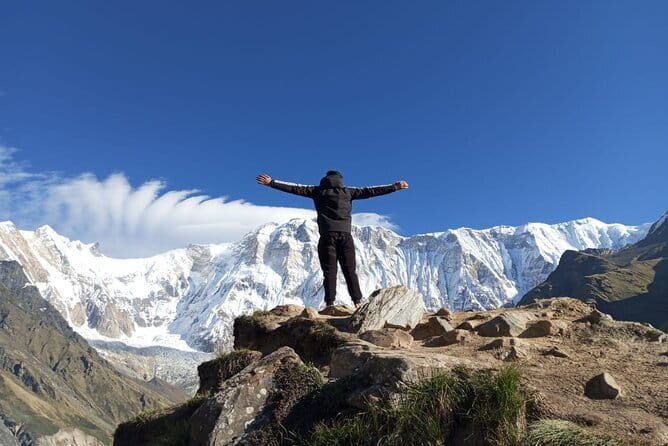
- Big mountain views: Machhapuchhre Base Camp and then Annapurna Base Camp put major peaks in your sightline.
- Small group size: max 15 travelers, which helps the rhythm and makes it easier to move together.
Kathmandu warm-up: Thamel hotel, real arrival help
Your trip begins in Kathmandu with airport pickup and drop, which matters more than it sounds. Nepal logistics can be smooth, but jet lag is real. Getting driven to your hotel after immigration lets you settle instead of wandering around Thamel hunting for a phone signal and a map.
Your Kathmandu base is Hotel Green Horizon in the Thamel area. That’s a practical choice. Thamel is convenient for quick meals and last-minute trekking needs, and you’re not stuck in the middle of nowhere right after a flight. You get 3 nights in Kathmandu total, which helps you acclimate mentally and physically before you head into trekking country.
You can also read our reviews of more hiking tours in Kathmandu
Pokhara handoff: Lakeside time after the valley transfer
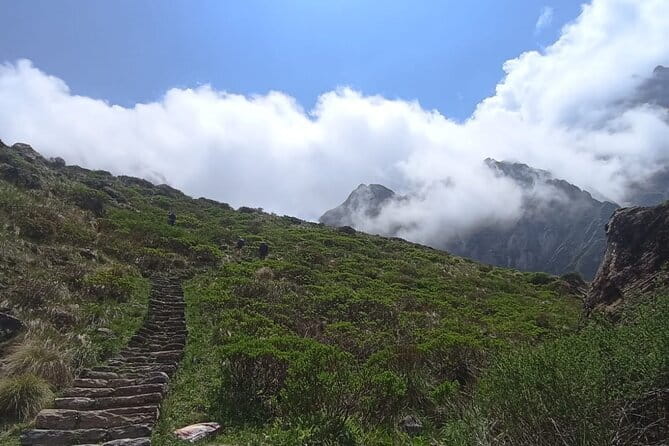
After your trek briefing, you head to Pokhara. The plan includes stops along the way for a picnic spot and a spiritual temple you can visit for wishes—very “Nepal” in the best way, and a nice reset before you climb higher.
Pokhara is your staging point for the Annapurna region. You’ll check into a hotel there (2 nights total) and then have time to explore Lakeside. I like this kind of buffer day because it gives you something useful to do: re-check your gear, buy anything you missed, and get your head around what the next days will feel like.
Pokhara also gives you those classic Himalayan backdrops without being at altitude yet. The cool climate and mountain views in the valley can be motivating when you’re about to start walking uphill for real.
Nayapul to Jhinu Danda: the first taste of the Annapurna region
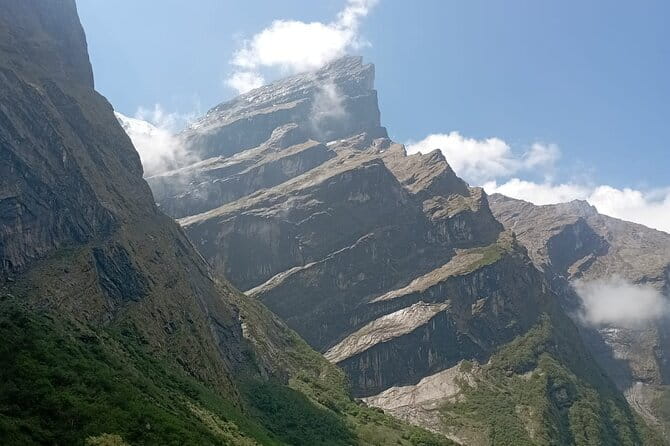
On your trekking start, you move from Pokhara toward Nayapul, the common launch point for many Annapurna routes. From here, the trek starts along the Modi River, so you get a steady companion: water, trees, small settlements, and constant direction changes that keep things interesting.
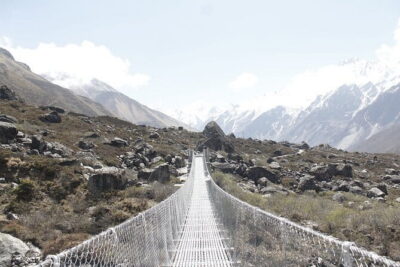
Day 3 ends in Jhinu Danda, famous for its natural hot springs. The walk is described as gradual ascent with plenty of trail variety: stone steps, suspension bridges, and passes near villages like Chandrakot and Landruk. You also have time at the end of the day to reach the ridge area and then explore and relax at the springs.
Why this stop matters: after your first real hiking day, your legs need an off-switch. The hot springs aren’t just a bonus. They help you recover from the early elevation and help you start Day 4 with less stiffness.
What to watch: you’re moving through terraces, river valleys, and stair sections. If your knees are sensitive, plan to slow down on downhills and step carefully on stone.
Chhomrong, bamboo, and Siruwa: where the trail turns steeper
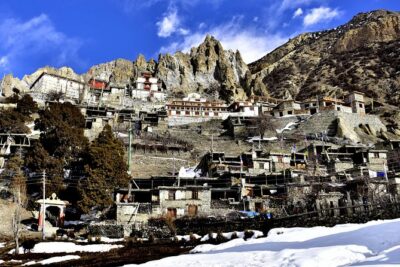
Day 4 brings you to a classic Annapurna “mix” day. You’ll pass through terraces and Chhomrong—a name you’ll keep hearing along the route. The trail includes a descent to the Chhomrong River on stone stairways, then a climb back up to a ridge above the Modi River.
Then you shift into the “green tunnel” feeling as you move through bamboo forest and terraced fields. Your itinerary includes passing smaller settlements and reaching Siruwa, then continuing on toward Bamboo for the overnight.
Your Day 4 endpoint is associated with Bamboo Lodge Restaurant, which is essentially your marker for the day’s end and where the night’s rest happens. It’s noted as a rather steep marching section later on, so you’ll want to pace yourself. Bamboo days can feel easier mentally because the forest gives shade and breaks up the horizon—but the grade can still tax you.
Good to know: this part of the trek is also where rhododendron and bamboo are explicitly part of the experience. If you like forest walking and changing vegetation, this is one of your strongest “feel the mountain” days.
Dovan and Deurali: rhododendron to rockier altitude travel
Day 5 is shorter in trail time compared with some days, but it’s important because it’s building you toward the final climb. You start with a stream crossing and then move through rhododendron and oak forest, heading toward Dovan.
Then the route turns more serious. You climb steep sections, cross a waterfall, and move toward the Himalaya Hotel area, with views opening up over the Modi River. The itinerary also mentions Hinku cave, and you’ll notice vegetation getting sparser as the terrain gets rockier as you near Deurali.
The reason I like this segment for first-timers is that the trail progression is logical. You can feel your body adjusting while the world changes around you—from thick forest walking to more alpine terrain.
Possible drawback: Deurali-to-Annapurna style trails can test stamina. Even if you’re not “at the very top,” the air can feel thinner and the effort can feel louder.
Machhapuchhre Base Camp to Annapurna Base Camp: the view arrives before you do
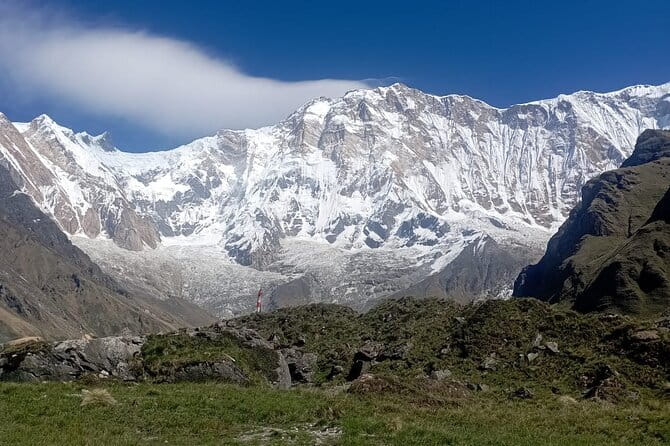
Day 6 is the big day in the mountains. You head to Machhapuchhare Base Camp, then branch toward Annapurna Base Camp. The trek passes settlement areas like Bagar, and the terrain described as strenuous toward the base camp.
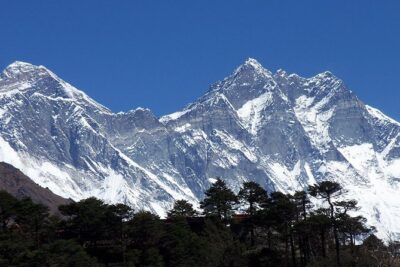
You’ll have major mountain sightlines along the way. The itinerary specifically calls out Fishtail Mountain and peaks including Hiuchuli, Annapurna South, Annapurna I, Annapurna III, Gagapurna, and others.
Then comes the classic base camp moment. You move away from the Modi River as vegetation becomes sparse, and the path widens as you turn right toward the Annapurna Base Camp area. Once you arrive, the view is described as towering Annapurna with no visual interruptions—meaning it’s the kind of sight you remember later, when you’ve forgotten the exact time you reached the gate.
Overnight here is a big part of the value. You’re not just checking a box and going back down immediately. You have time to settle, look around, and understand what you actually hiked toward.
Practical note: sunrise and weather can change fast at altitude. The itinerary emphasizes dramatic views, and you’ll want to stay flexible with your timing and keep your cold-weather layers ready.
Bamboo sunrise and the return trail: coming back down without losing the drama
Day 7 shifts from peak-chasing to recovery-with-views. You return toward Bamboo, joining the easier-ish downhill trail that still follows the Modi River corridor. The itinerary highlights sunrise over the Himalayas at the start of the day, plus moving through areas prone to avalanches.
Even while it’s a return day, it’s not a boring retrace. You pass Dovan and Deurali again (at least along the general route), and you’re back in rhododendron and bamboo forest at lower elevations. A wooden bridge is also mentioned as part of the day’s walking. You end at Bamboo, giving you another solid night for food, sleep, and regrouping.
Day 8 then retraces much of what you already did, with route variety through Khuldighar, Sinuwa, Tilche, Chhomrong, and then toward Taulung, where the trail junction connects onward to other places like Landruk, Tadhapani, and Kot Danda. You eventually reach Jhinu Danda Hot Spring again.
This matters because Day 8 is where your legs get both repetition and payoff: you’ve already proved you can do it once, and now you’re doing it with better pacing. Then you get the hot springs relaxation again, which is huge.
Down to Nayapool: finishing in the Modi Khola valley
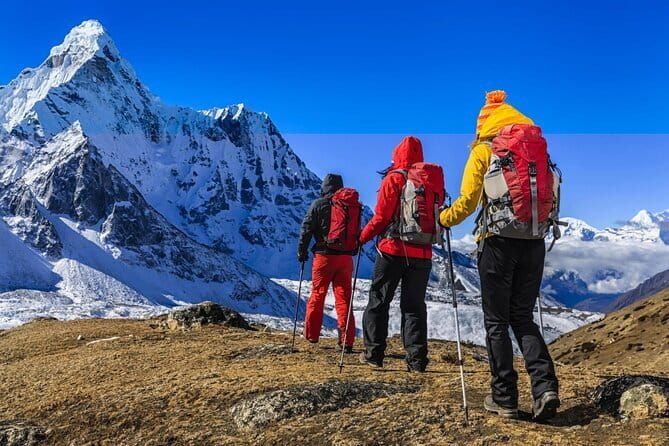
Day 9 is your main descent day. You go from Jhinu Danda down to the Modi Khola valley, following the route through areas like New Bridge and passing stone staircases, farms, and wooden or suspension bridges. Your walk includes traditional houses and fields, with hills and valleys spreading out as you lower altitude.
This is a good day for letting your brain switch from “effort” to “recovery.” You’re still walking, but you’re seeing bigger valley shapes, more agriculture, and a wider trail feel as you approach Nayapool, which marks the end of the trekking portion.
If you want photos that look different from the alpine peak shots, this is the day. The river bends and terraced farming help the story of your hike feel complete.
Kathmandu return and Durbar Square: the cultural landing
Day 10 brings you back from Pokhara to Kathmandu by scenic drive. The itinerary says about 5–6 hours, and you’ll pass terraced fields, hills, and Himalayan views in the distance if the weather cooperates.
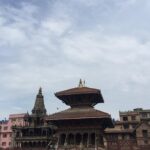
In Kathmandu, you get time to explore Kathmandu Durbar Square and the Thamel area around it, plus souvenir shopping if you want to bring back small reminders.
This cultural buffer is more than sightseeing. It helps you transition from trekking mode to city mode. After so many days of trail rhythm, it’s satisfying to walk stone-paved squares and let your eyes rest on old architecture rather than steep trails.
Price and value: where the $906.67 makes sense
At $906.67 per person, this trek isn’t cheap, but it isn’t just paying for scenery. A big chunk of the value is built into what’s included:
- 3 nights Kathmandu + 2 nights Pokhara (so you’re not scrambling for lodging before and after)
- All lodging and foods during the trek with breakfast, lunch, and dinner included
- Airport pickup and drop
- Professionally trained English-speaking trekking guide, plus assistant support and porter arrangement
- Permits: TIMS and ACAP fees are covered
- Rented trekking gear: sleeping bags and down jacket available on rent
- Farewell dinner
- First aid medical box
- 13% VAT and company service charge
Where this price can feel especially fair is the combination of included costs that usually blow up a self-planned trip: permits, guide fees, porter logistics, and meal coverage day to day. If you want to reduce decision fatigue and focus on the trail, this package approach is the point.
Also, the group size cap of 15 helps keep it from feeling like a conveyor belt.
Who this trek fits best (and who should think twice)
This works best if you:
- have moderate physical fitness
- want a route that includes forest walking, village scenes, hot springs, and high-altitude views without a long, week-plus commitment
- like having support so you can stay focused on pacing and acclimatization
It’s a weaker fit if you:
- have knee or balance issues and struggle on steep stone stairs and descents
- need a fully low-pressure pace. This is active, and many days run several hours on foot
Altitude is the big reality check. The trip does mention the highest point at 4,130m, and the description notes thinning vegetation and rougher terrain as you climb. If you’re prone to getting wiped out by altitude, be honest with yourself about how you handle it.
Real support on the ground: Shiva, Bishal, and Suman
One highly praised part of this trekking experience is the human layer. In a recent ABC trip shared in feedback, the guide Shiva and porter Bishal were singled out for helping turn a dream into reality. The same feedback also highlights Suman greeting the group at the airport, setting a calm tone right when arrival can feel chaotic.
That’s exactly what you want on a trek like this. The route is complex enough—permits, transfers, daily logistics, and altitude pacing—so good people on the ground do more than manage details. They help you feel like you’re moving with confidence.
Should you book the Annapurna Base Camp short trek?
Book it if you want a well-supported, cost-managed route to Annapurna Base Camp with a hot springs break and a return through the same valley rhythms. The inclusion of guide/porter support, permits, meals during the trekking days, and rented cold-weather gear makes it a practical way to do ABC without piecing together a bunch of moving parts.
Hold off if you’re looking for a gentle walk with minimal exertion. This is a serious hiking circuit with steep stair sections, long trekking days, and real altitude. If you go, go with patience. Slow steps matter more than speed.
If you’d like, tell me your hiking background and when you’re planning to travel, and I’ll help you sanity-check whether this 11-day rhythm matches your pace.
FAQ
What city does this trek start from?
The trek starts in Kathmandu, Nepal, with airport pickup and a hotel stay in Thamel.
How do I get from Kathmandu to Pokhara?
After your Kathmandu start and briefing, you’ll be transferred to Pokhara as part of the schedule.
Where does the trek begin on the first hiking day?
Trekking starts from the Nayapul area, which is described as the beginning point for treks in the Annapurna region.
What altitude do you reach at Annapurna Base Camp?
Annapurna Base Camp is at 4,130 meters above sea level.
Are meals included during the trek?
Yes. All lodging and foods during the trek are included, with breakfast, lunch, and dinner.
Is a guide included, and what language do they speak?
Yes. You get a professionally trained English-speaking trekking guide, plus an assistant trekking guide.
What about a porter?
A porter is provided with a load limit of up to 30kg, with a setup of 1 porter for every 2 trekkers.
Do I need to arrange trekking permits?
No. TIMS and Annapurna Conservation Area (ACAP) fees are included.
What trek gear is included or rented?
Sleeping bags and a down jacket are available on rent as part of the included trekking gears.
How many people are in the group?
The maximum group size is 15 travelers.
Is anything like visa and travel insurance included?
Visa fees for Nepal and travel insurance/rescue operation costs are not included.