REVIEW · KATHMANDU
Kathmandu: Full-Day Tour of 5 World Heritage Sites
Book on GetYourGuide →Operated by Snowy Horizon Treks & Expedition (P.) Ltd. · Bookable on GetYourGuide
Five UNESCO stops sounds like a lot, but it is a smart way to understand Kathmandu’s mix of faiths and power. This full-day tour strings together major Hindu and Buddhist landmarks, with a guided walkthrough that helps the sights make sense, not just look impressive. You also get Himalayan-scale views from higher ground, which is a nice reward after temple-hopping.
I especially like the Hindu-Buddhist contrast. Durbar Square’s Kumari Palace gives you a window into living tradition, while Pashupatinath shows devotion in a more dramatic, river-and-ritual setting. I also like the practical guidance for five World Heritage stops, because these places can be confusing fast if you are trying to figure out routes on your own.
The main drawback to plan for is that it is a packed day. You will be moving between multiple sites, and monument entrance fees and meals are not included, so you will need extra cash for the extras.
In This Review
- Key things I’d put on your mental checklist
- Kathmandu Valley basics you’ll actually use on the tour
- Where you start: Thamel vs Tribhuvan International Airport
- Durbar Square and the Kumari Palace: tradition you can see up close
- Pashupatinath: the world’s major Hindu temple by the Bagmati River
- Buddhist Kathmandu: Swayambhunath and Buddhanath in two distinct moods
- The fifth UNESCO site: part of the Kathmandu Valley circuit
- Nagarkot views: when the mountains finally show up
- Price and value: is $65 a smart deal?
- How the day feels: pace, crowds, and a guide who keeps it human
- Who should book this tour, and who should skip it
- Should you book the Kathmandu 5-UNESCO day tour?
- FAQ
- What is included in the $65 Kathmandu full-day tour?
- What is not included?
- Where do pickups start?
- Where can I get dropped off?
- How long is the tour?
- Which UNESCO sites are part of the tour?
- Do I need to pay entrance fees separately?
- What languages are available for the guide?
- Is there free cancellation?
- Can I reserve now and pay later?
Key things I’d put on your mental checklist
- Two easy pickup points: Thamel or Tribhuvan International Airport
- A real guided block: 6 hours of guided touring inside the city circuit
- Durbar Square + the Kumari Palace connection: see how monarchy and living tradition intersect
- Pashupatinath on the Bagmati River: one of the most important Hindu temples, with visible pilgrim life
- Buddhist highlights in two styles: Swayambhunath and Buddhanath each feel different
- Nagarkot for big mountain scale: travel toward a high viewpoint for far-reaching views
Kathmandu Valley basics you’ll actually use on the tour
Kathmandu sits at about 1,400 meters in a bowl-shaped valley, wrapped by major peaks like Shivapuri, Phulchowki, Nagarjun, and Chandragiri. That matters because the air and the light change during the day, and the higher you go later, the more the mountains feel present.
This area is also old in a very specific way. Archaeology points to Kathmandu and two sister towns in the valley—Patan and Bhaktapur—as among the oldest settlements in the region, traced roughly between 167 B.C. and 1 A.D. When you stand in and around the World Heritage monuments, you are not just sightseeing. You are looking at cultural layers that kept rebuilding.
For first-timers, I like tours that give you a backbone for the day. This one does that by organizing the big faith sites you hear about constantly, then tying them back to how Kathmandu developed over centuries.
You can also read our reviews of more historical tours in Kathmandu

Where you start: Thamel vs Tribhuvan International Airport
You get two pickup options, and that simple choice can save you headaches. If you are staying in the tourist hub, Thamel is a convenient meet-up point. If you arrive by air and want the day to start immediately, Tribhuvan International Airport is the other pickup option.
Why it matters: Kathmandu traffic can be slow, and temples are not exactly grouped like theme-park attractions. Starting at the right spot helps your guide build a smoother route and reduces the odds you spend part of your day waiting around or backtracking.
At the end, you can choose drop-off back at Thamel or at Tribhuvan International Airport. That is a big deal if you have flight timing the next day, or if you want to return to where you plan to eat and decompress.
Durbar Square and the Kumari Palace: tradition you can see up close
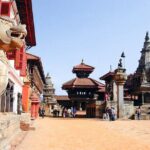
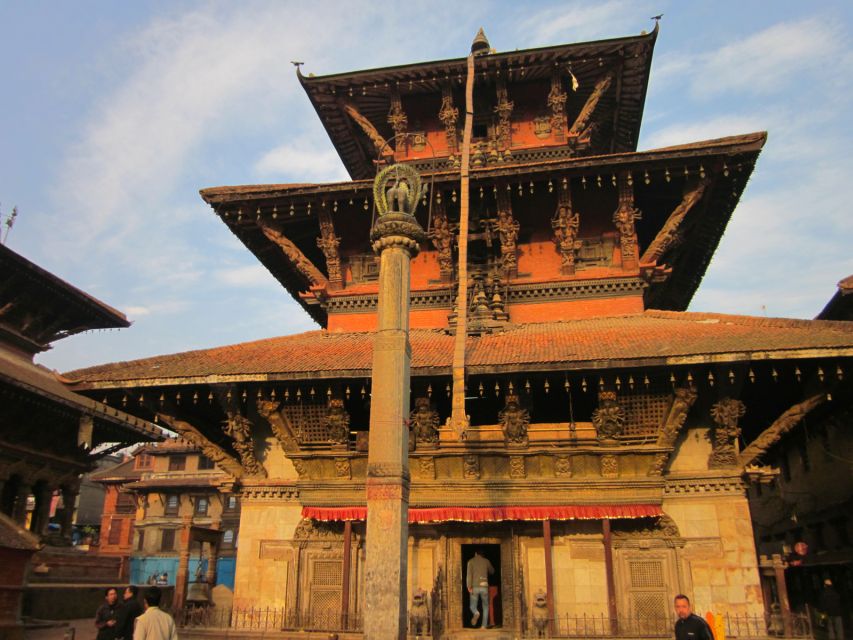
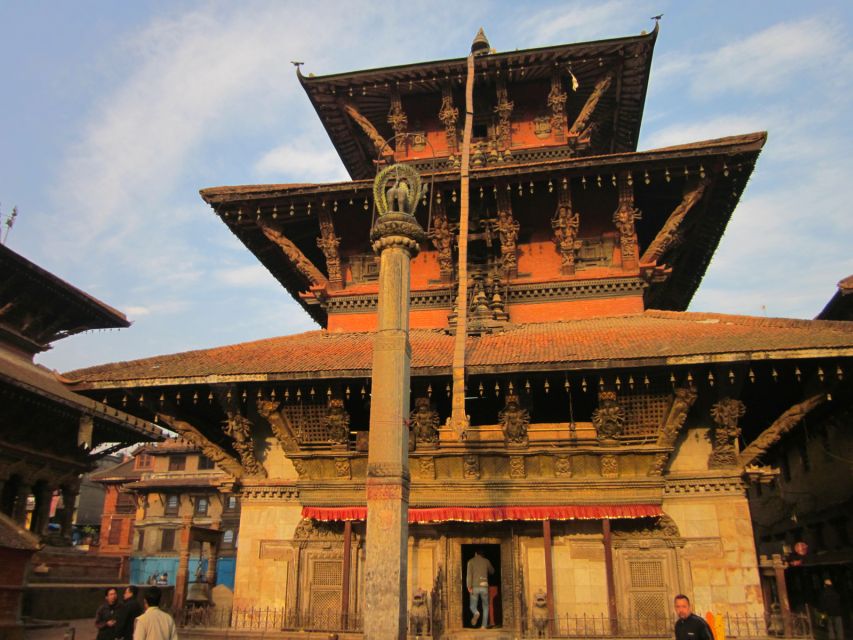
Durbar Square is one of those places where Kathmandu feels like it is holding court. Expect Hindu temples, statues of Hindu deities, and the Palace of Kumari, home to the living goddess (as described in the tour background you get before you go).
Here’s what I think makes this stop valuable: it is not just about architecture. It is about people. Durbar Square is a stage where devotion, history, and everyday life overlap, and you will notice that quickly—especially if your guide points out the relationships between the monuments and the city’s power centers.
Practical tip: dress and behave with temple respect. Even if you are not religious, you will be moving through spaces where visitors, worshippers, and caretakers all share the same narrow streets and courtyards.
One more note. Durbar Square sits within the Kathmandu Durbar Square World Heritage zone, so it helps to focus on details your guide calls out. If you treat it like a quick photo stop, you miss the meaning. If you slow down a bit, it starts to click fast.
Pashupatinath: the world’s major Hindu temple by the Bagmati River
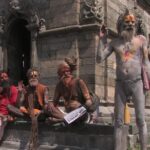
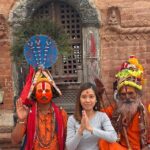
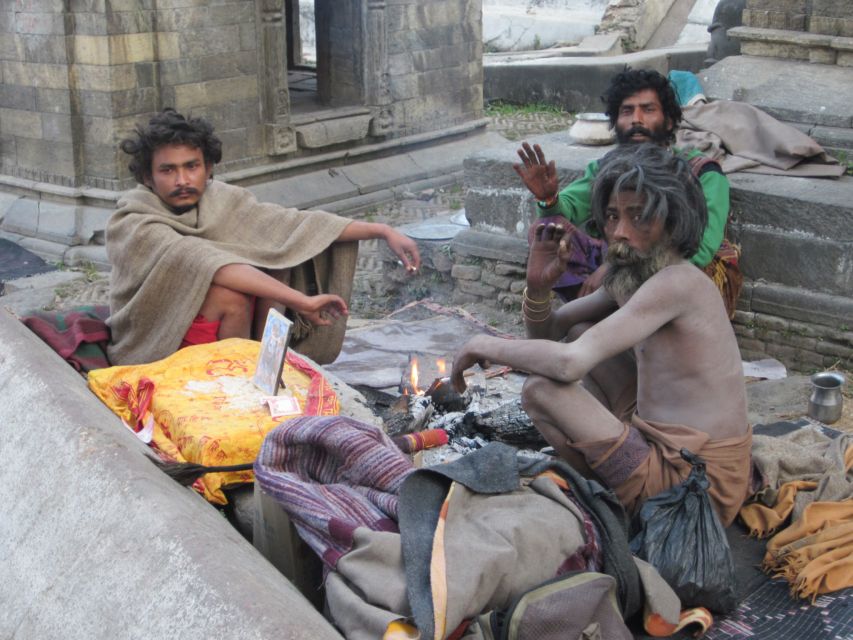
Pashupatinath is the kind of holy site that changes your pace. The tour frames it as the world’s largest Hindu temple and one of the most significant for Hindu followers, and once you are there, you understand why. You will see pilgrims and often colorful Sadus, and you will also learn that many Hindus choose cremation on the banks of the Bagmati River.
This is where balance matters. Some visitors come expecting a pretty temple circuit. You will still see temples, but you are also witnessing ritual life. If you are sensitive to the idea of cremations or intense religious scenes, treat this as a consideration ahead of time, not a surprise.
What I like about having a guide here is context. Without explanation, it is easy to either sensationalize what you see or miss the spiritual logic behind it. A knowledgeable guide keeps it grounded, helps you understand what is happening and why, and points out how the river fits into the broader religious landscape.
Also, plan on being patient with crowd flow. Temple sites can compress movement, and your group will often pause while people worship, take offerings, or move through narrow lanes.
Buddhist Kathmandu: Swayambhunath and Buddhanath in two distinct moods
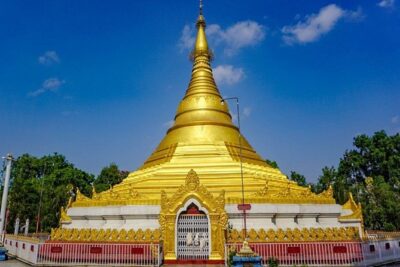
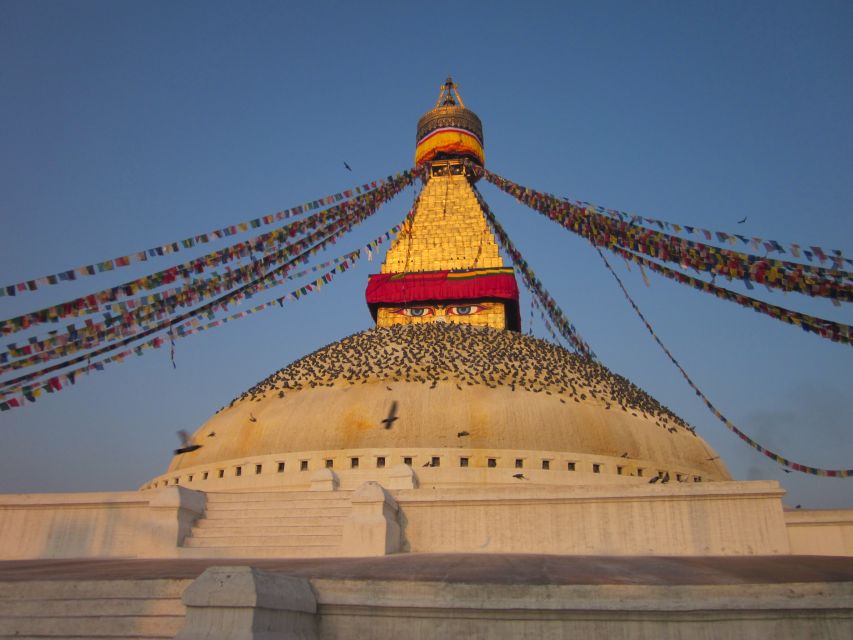
Kathmandu does not do Buddhism in just one style. This tour includes two major World Heritage Buddhist sites: Swayambhunath and Buddhanath, described as important Buddhist gompas.
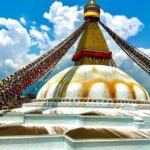
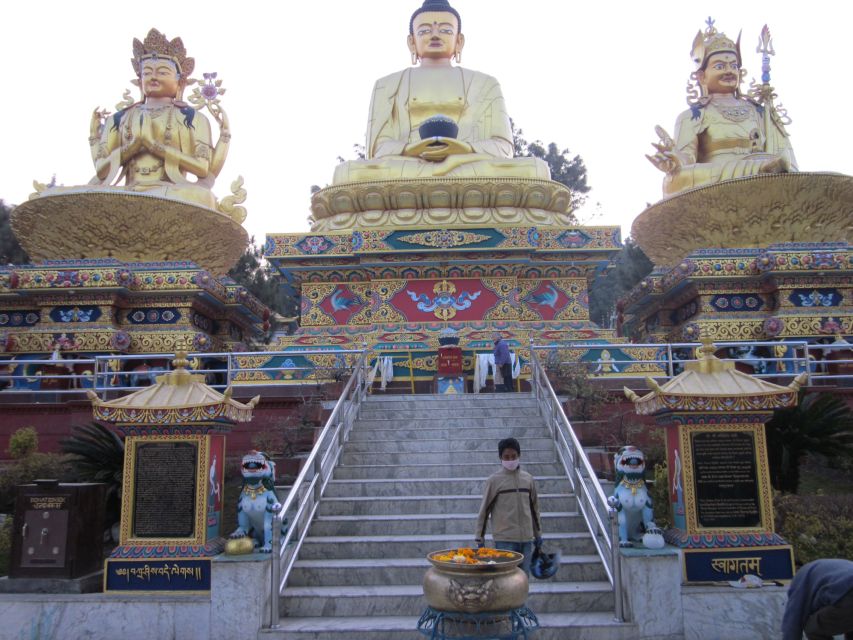
Swayambhunath is the kind of place where the name alone makes you imagine viewpoints and temple steps. Buddhanath feels different right away because it is tied to a huge, focal stupa setting and the daily rhythms around it. The point of seeing both is that you get more than two attractions. You get two different ways Buddhism shows itself across Kathmandu.
What I love for your experience: your guide can connect the dots between sites so you do not treat them like separate checkboxes. You start to notice patterns—monastic presence, symbols, prayer behaviors, and the way visitors interact with sacred space.
Practical tip: bring water and pace yourself. Buddhist sites can involve stairs and long courtyard walks, and Kathmandu sun can feel sharp even on days that do not look scorching.
You can also read our reviews of more tours and experiences in Kathmandu
The fifth UNESCO site: part of the Kathmandu Valley circuit
The tour promises five UNESCO World Heritage sites, and the essentials you are given specifically name Kathmandu Durbar Square, Pashupatinath, Boudhanath (Buddhanath), and Swayambhunath. That still leaves one additional UNESCO stop that you will get as part of the full-day World Heritage circuit.
Since the exact name of that fifth site is not spelled out in the information I was given, I suggest confirming it directly when you book with Snowy Horizon Treks & Expedition (P.) Ltd. That way, you know what you are walking toward and can plan your photo time, clothing, and expectations.
Even without that detail locked in, the overall logic is clear: this is a Kathmandu Valley “greatest hits” layout designed to show Hindu and Buddhist pillars in the same day, instead of forcing you to pick one tradition.
Nagarkot views: when the mountains finally show up
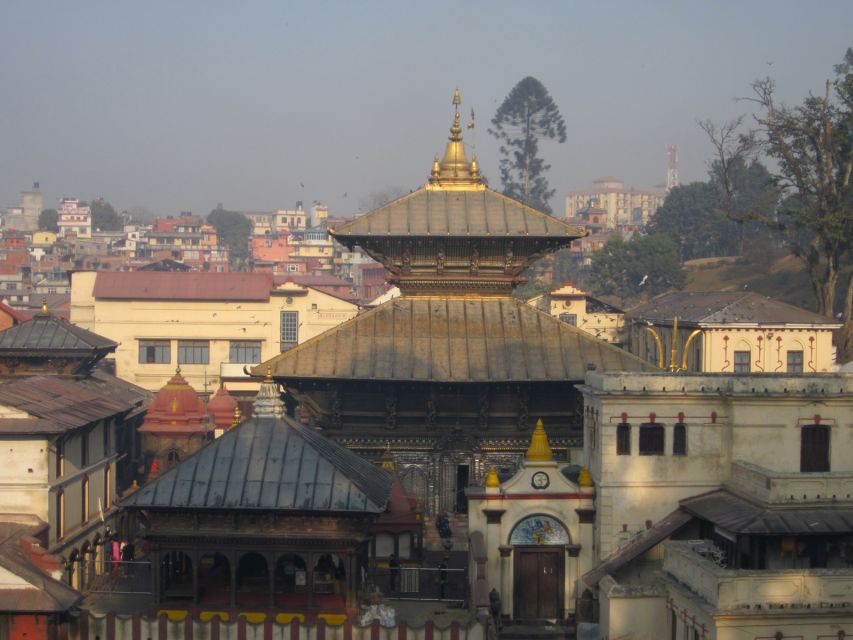
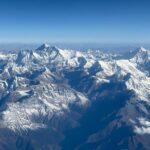
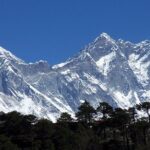
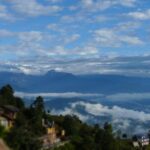
Your day includes a higher-ground payoff via Nagarkot, described as the highest point in the range around the Kathmandu Valley, about 35 kilometers from the city center. From there, you can get major views of the Langtang range and, on clearer days, glimpses of far-away giants such as Annapurna, Manaslu, Cho Oyu, and Shishapangma.
Why this stop matters: Kathmandu’s UNESCO sites are impressive up close, but the Himalayas explain the bigger story. They are part of why settlement patterns, travel routes, and spiritual imagination developed this way. After spending time in courtyards and riverbanks, you get a different perspective—scale.
Reality check: mountain views depend heavily on weather and haze. So go with an open mind. Even when you do not catch perfect visibility, the drive and viewpoint break up the temple-heavy schedule, and the day feels more complete.
Price and value: is $65 a smart deal?
At $65 per person for a full day, the value comes from what is included: transportation, an English-speaking tour guide, and taxes and service fees. That means you are paying for logistics and interpretation, not just a ride.
What is not included is important to budget. Monument entrance fees, food and beverages, and personal expenses are on you. That can add up, especially if you snack a lot during long gaps between sites. If you already plan to eat in Thamel after the tour, you can keep it simple: carry a few essentials, then let the guide handle the main schedule.
Also note the guided touring time is listed as 6 hours in Kathmandu. That is a meaningful block for World Heritage sites, where a guide’s context can turn “I saw temples” into “I understood why these places matter.”
Language options matter for value too. The tour lists live guide availability in English, French, German, and Italian. If you are not comfortable in English, choosing your language can make the experience feel much more personal.
How the day feels: pace, crowds, and a guide who keeps it human
A full-day UNESCO circuit will naturally feel busy. You will likely spend more time moving between sites than you would on a slower self-guided outing. The tradeoff is that you do not have to plan routes, figure out history on your own, or waste time asking strangers for directions in crowded temple areas.
This is also where the guide can make or break the experience. One guide name that comes up is Uddhab, and the reason people highlight him is simple: patience. In a city where a small delay can cascade into a schedule problem, a calm guide helps keep things smooth, especially when groups pause for worshippers and traffic.
What you should do to match the pace:
- Wear shoes that handle uneven stone and stairs.
- Bring a light layer in case temperatures drop near higher viewpoints.
- Keep expectations realistic: you are covering a lot, so prioritize what your eyes catch first, then let the guide help you interpret the rest.
Who should book this tour, and who should skip it
This tour fits best if you want a first-timer overview of Kathmandu’s UNESCO highlights—especially if you enjoy learning how multiple faith traditions coexist in one city. It is also a good choice if you prefer an organized day with transportation and a guide instead of piecing together public transport and museum hours.
Consider skipping or adjusting your expectations if:
- You want a slow, long-stay style visit where you sit and linger at a single site.
- You are uncomfortable with the idea of witnessing Hindu cremation rituals at the Bagmati River area of Pashupatinath.
- You hate stairs and want a more relaxed walking profile.
If you are traveling as a solo traveler, couples, or friends who want to see the big sacred landmarks without logistics stress, this kind of circuit can be a great use of one day.
Should you book the Kathmandu 5-UNESCO day tour?
Yes, I would book it if you have limited time and want the Kathmandu Valley highlights in one efficient day. The value is strongest when you factor in transportation and an English-speaking guide, plus the mix of major Hindu and Buddhist sites that teaches you what to look for instead of just what to photograph.
I would hesitate only if you want a quiet, unhurried experience or if the Pashupatinath cremation context would genuinely upset your comfort level. If that sounds like you, you may want a narrower-focus day around fewer sites.
If you do book, I’d confirm the name of the fifth UNESCO stop directly, plan extra money for entrance fees and meals, and build your day around respectful temple behavior. Do that, and you’ll leave Kathmandu with a clearer sense of why these places are sacred to millions—and why they matter to the city’s identity.
FAQ
What is included in the $65 Kathmandu full-day tour?
The tour includes transportation, an English-speaking tour guide, and taxes and service fees.
What is not included?
Accommodation, monument entrance fees, food and beverages, and personal expenses are not included.
Where do pickups start?
You can choose pickup from Thamel or from Tribhuvan International Airport.
Where can I get dropped off?
You can be dropped off at Tribhuvan International Airport or back in Thamel.
How long is the tour?
It is listed as 1 day, with a guided tour block of 6 hours in Kathmandu. Starting times depend on availability.
Which UNESCO sites are part of the tour?
The tour covers Kathmandu Durbar Square and the major holy sites of Pashupatinath, Buddhanath, and Swayambhunath, for a total of five UNESCO World Heritage sites.
Do I need to pay entrance fees separately?
Yes. Monument entrance fees are not included, so you should plan to pay them separately.
What languages are available for the guide?
The live tour guide is available in English, French, German, and Italian.
Is there free cancellation?
Yes. You can cancel up to 24 hours in advance for a full refund.
Can I reserve now and pay later?
Yes. The tour offers a reserve now & pay later option, so you can book your spot and pay later.