REVIEW · KATHMANDU
Kathmandu Bhaktapur Patan Authentic Local Tour +7 UNESCO WH Sites
Book on Viator →Operated by Himalayan Adventure Therapy · Bookable on Viator
Stone streets, real food, and sacred corners. This 3-day private tour of Kathmandu Valley pairs classic UNESCO monuments with hands-on, local Newar culture like Juju Dhau cooking in Bhaktapur and artisan work in Patan. You also get time in everyday neighborhood shopping around Kathmandu’s oldest market zone.
I especially love that you spend real time with the craft side of the cities, not just passing by temples. The Juju Dhau making session in Bhaktapur is the kind of moment that makes the whole day feel personal, and the guide experience is built around native local expertise (including leaders like Nirajan and Kamal mentioned in past guests’ feedback).
One consideration: the tour is packed with sites across three cities, so some parts are sightseeing-heavy and food is mostly on your own (the tour notes food is not included). If you’re the type who likes long, slow breaks, you’ll want to plan on using downtime to reset.
In This Review
- Key highlights you will feel on this tour
- Kathmandu Valley, but with a local lens
- Bhaktapur day: Juju Dhau, pottery squares, and temple details
- Siddha Pokhari and the calm break in the middle of Durbar Square energy
- Pottery Square: where craft isn’t a performance
- Bhaktapur Durbar Square: UNESCO layers you can actually track
- Chandeshwori shrine, local food time, and Dattatreya Temple
- Navadurga temple: smaller, but with meaning
- Patan day: a quieter city with craft and courtyard rhythm
- Pimbahal Stupa and Jagamadu Pond area
- Nagbahal Hiti: an ancient drinking fountain that still matters
- Golden Temple area and monastery craft focus
- Patan Durbar Square and the Golden Fountain
- Mahaboudha and Oku Bahal monastery courtyards
- Old-town lanes and artisan woodwork families
- Kathmandu day: UNESCO monuments plus everyday street texture
- Kathmandu Durbar Square: the anchor point
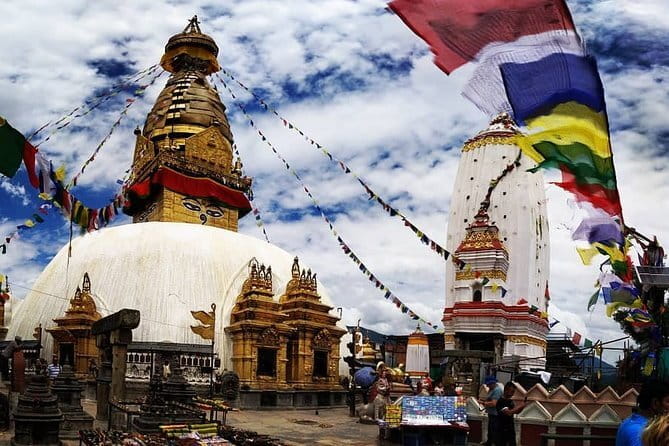
- Swayambhunath: viewpoint energy, religious storytelling
- Budhanilkanth Temple: calm and different
- Bouddhanath stupa: the outer-ring drive is part of the story
- Pashupatinath: Hindu sacred ground on the Baghmati River
- Thamel and Jhamsikhel nightlife option with VIP line access
- Price and value: what $385 covers (and what you’ll still pay for)
- Who should book this tour (and who might not)
- Should you book this Kathmandu Valley tour?
- FAQ
- What is the meeting time for this tour?
- Does this tour offer pickup?
- How long is the tour?
- Is this a private tour or a shared group?
- Are entrance fees included?
- Does the tour include UNESCO World Heritage sites?
- What is included in the price?
- What is not included?
Key highlights you will feel on this tour
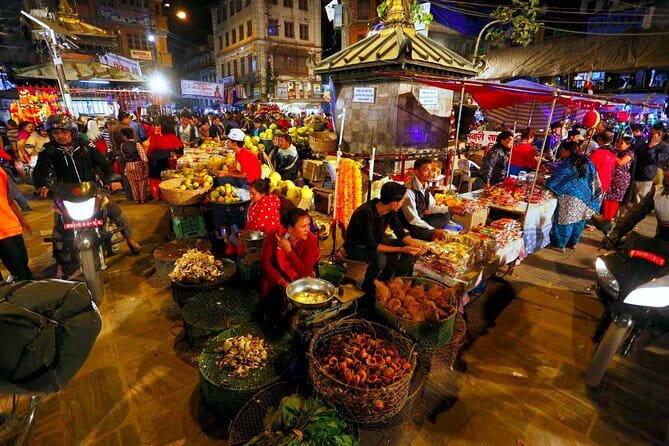
- Live Juju Dhau preparation in Bhaktapur, plus a chance to taste local food if you want
- Pottery Square and hands-on-looking craft time in Bhaktapur’s old town rhythm
- Patan’s monastery and courtyard circuit, including stops like the Golden Temple area and Mahaboudha
- UNESCO World Heritage focus across Kathmandu Valley, built to include all seven sites in the region
- Neighborhood walking in Kathmandu, including Thamel plus Asan tole and Newroad Gate area trading streets
Kathmandu Valley, but with a local lens
This tour is designed around a simple idea: Kathmandu Valley isn’t only about big monuments. It’s also about how people live around them—workshops, food routines, and the crafts that keep old buildings meaningful. You move between Kathmandu, Bhaktapur, and Patan, with a local guide who helps you notice what typical stop-and-snap tours often miss.
Because it’s private, you’re not competing for space or waiting for a slow-moving group. The schedule still runs full days, but the pacing feels more human since your guide can steer the group through lanes and temple courtyards efficiently.
And yes, the UNESCO angle is there. The operator says the trip covers all 7 UNESCO World Heritage sites in the region, and your day-by-day route clearly targets the best-known World Heritage landmarks like the major Durbar Squares and key Buddhist and Hindu monuments.
You can also read our reviews of more tours and experiences in Kathmandu.

Bhaktapur day: Juju Dhau, pottery squares, and temple details
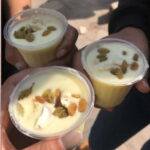
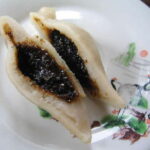
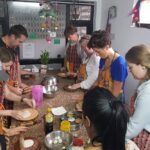
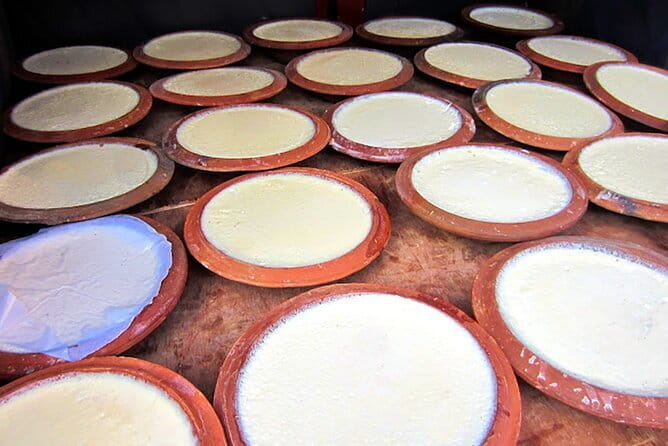
Bhaktapur is where this tour earns its keep. You don’t just arrive, take photos, and leave. You start with a live Juju Dhau making session, which matters because the dish isn’t just food—it’s part of how the Newar community remembers tradition through daily practice.
Juju Dhau is famous here for a reason, and watching it get prepared gives you a different lens for the city. You’re not learning from a signboard—you’re seeing the steps and hearing context from a local expert. It also helps you understand why Bhaktapur feels like a living museum in the best way.
Siddha Pokhari and the calm break in the middle of Durbar Square energy
After the food session, the tour heads to Siddha Pokhari, a historic pond right by the Bhaktapur Durbar Square entrance area. It’s a short stop, but it works like a reset button. You get a moment of stillness before you step deeper into the densest cluster of palaces and temples.
Pottery Square: where craft isn’t a performance
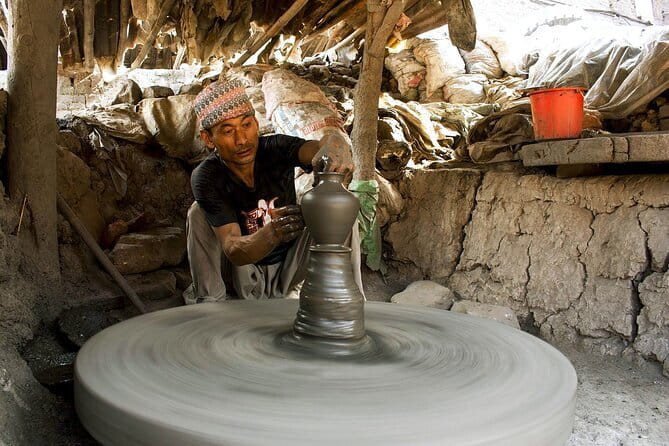
Next comes Pottery Square, with time to observe pottery activity. This is one of those places where you start to see the city’s working identity. People aren’t treating craft like a showroom; they’re treating it like a job.
If you like watching how materials and tools shape work, this stop pays off. If you’re hoping for a full hands-on class, the wording here focuses more on observing and learning nearby, so keep that expectation realistic.
Bhaktapur Durbar Square: UNESCO layers you can actually track
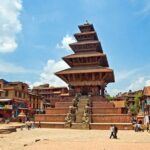
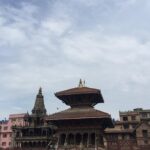
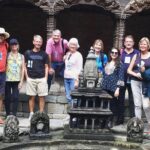
Then you’re in Bhaktapur Durbar Square, a UNESCO-recognized site. The value here is time—enough to notice the palace-and-temple mix and the way shrines sit alongside each other like a dense map of beliefs and power.
A drawback for anyone sensitive to crowds or steep stairs: Durbar Square areas can get busy, and older lanes can be uneven. Plan comfortable shoes and expect some walking and steps.

Chandeshwori shrine, local food time, and Dattatreya Temple
You also stop at Chandeshwori (with a free admission note) and have a chance for local food tasting afterward if you choose. That optional food time is smart because it gives you control. You can either keep moving or slow down with something that feels like the city’s normal day rather than a restaurant special.
Later, the tour visits Dattatreya Temple, reached via Khacha Pokhari. The way this stop is framed makes it feel connected, not random. You’re traveling between sites in a way that follows local logic—pond, shrine, then the temple.
Navadurga temple: smaller, but with meaning
The day closes with Navadurga Temple on the outskirts of Bhaktapur. It’s not the largest headline name, but it’s often the kind of stop that makes you appreciate why locals built temples in protective roles. You’re seeing more of Bhaktapur’s spiritual geography, not just the central stage.
Patan day: a quieter city with craft and courtyard rhythm
Patan (Lalitpur) is often less chaotic than the main tourist corridors, and this tour uses that advantage well. You begin at Patan Dhoka, the gateway that frames how you enter the old city.
Pimbahal Stupa and Jagamadu Pond area
From there, you visit Pimbahal Stupa, known among Buddhist pilgrims, with nearby Jagamadu Pond included in the stop context. Stupas in these old neighborhoods aren’t just monuments. They’re part of a daily spiritual landscape.
Nagbahal Hiti: an ancient drinking fountain that still matters
Then you reach Nagbahal Hiti, also called Elhānani Hiti. This is one of those places where the age of the stone meets present-day use for cultural events. It’s a reminder that heritage here isn’t only about preservation—it’s also about continuity.
Golden Temple area and monastery craft focus
A key highlight is the Golden Temple (Hiranya Varna Mahavihar), described as a Newari Buddhist monastery built in 1409. Even if the nickname makes you think of gold everywhere, the tour framing says the name comes from marketing/shortening rather than full gold construction.
After that, you head to Kumbheshwor Temple, with documented history noted from the late 14th century. Your guide experience really matters in stops like this, because the value isn’t only in the building—it’s in knowing what to look for and why researchers cared enough to document it.
Patan Durbar Square and the Golden Fountain
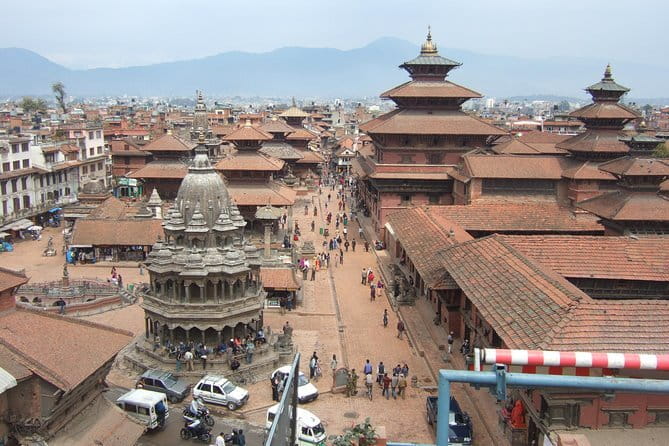
You spend time at Patan Durbar Square, another UNESCO World Heritage centerpiece. This square is dense with temples and palace remnants, and Patan’s version of this UNESCO category often feels more compact and intricate than people expect.
You also visit the Golden Fountain area and spend time there (the tour notes an art expert study of the fountain’s details and craftsmanship). It’s a good reminder to slow down. If you’re rushing, fountains and spouts can become another photo stop. If you take a minute, you can catch the details.
Mahaboudha and Oku Bahal monastery courtyards
Later you visit Mahaboudha Temple, built in the 14th century, known for clay brick construction and terra-cotta art. Then comes Rudra Varna Mahavihar (Oku Bahal), described as having three courtyards, each with its own character.
This courtyard layout is worth paying attention to because it shapes how you move through the site. Courtyards turn the visit into a sequence rather than a single point of interest.
Old-town lanes and artisan woodwork families
The day ends with time walking old Patan lanes where you’ll encounter woodwork by artisan Shilpakar families. This matches the broader theme of the tour: crafts aren’t side quests here; they’re part of how the cities stay culturally alive.
Kathmandu day: UNESCO monuments plus everyday street texture
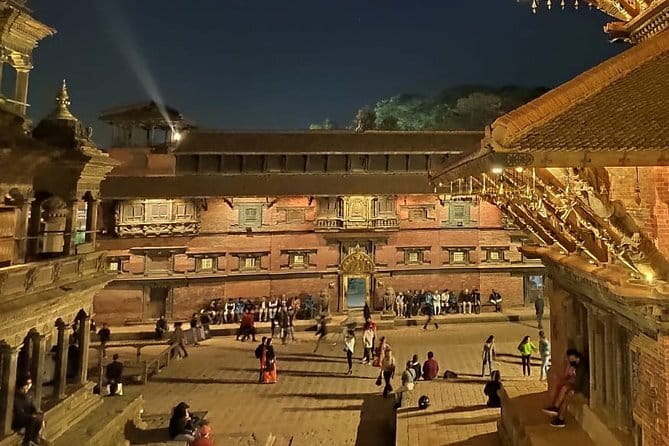
Kathmandu is the day that connects heritage sites to daily street life. You start with a walk through Thamel and nearby alleys, including Asan tole, then continue toward Newroad Gate and the Kathmandu Durbar Square area.
This opening walk matters because it helps you get your bearings fast. Kathmandu can feel overwhelming at first, but moving with your guide through the neighborhood streets gives you context before the big monuments.
Kathmandu Durbar Square: the anchor point
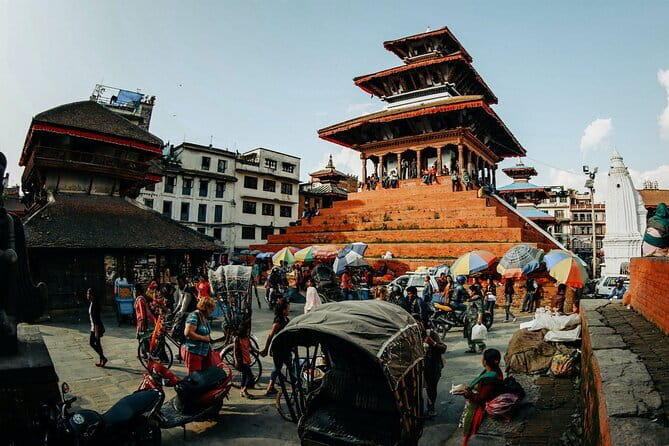
You visit Kathmandu Durbar Square, an included UNESCO stop with admission listed. This is where the city’s historic center becomes a visual anchor. Even if you’ve seen photos before, you’ll probably notice how the surrounding lanes make the square feel less isolated than a museum setting.
Swayambhunath: viewpoint energy, religious storytelling
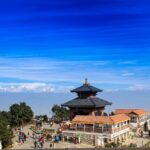
Next is Swaymbhunath (Swayambhunath). The stop is timeboxed, but it’s long enough to do the basics: walk around, notice the religious atmosphere, and take in the view if conditions allow.
In places like this, I like that the tour gives you the “where to look” part. Your guide can help you interpret what you’re seeing rather than just listing facts.
Budhanilkanth Temple: calm and different
You also visit Budhanilkanth Temple (also referred to as Jal Narayan Temple in the tour description). This stop feels like a palate cleanser after the more intense shrine crowds. You get a different spiritual mood and a temple setting that’s described as sitting in a quieter corner.
Bouddhanath stupa: the outer-ring drive is part of the story
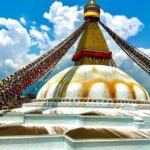
Then comes Bouddhanath (Buddha Stupa). The tour includes a drive using the outer ring road, and it’s a long stop by comparison. If you want to see Kathmandu’s scale and how areas connect, that drive portion helps.
Bouddhanath is also one of those places where a guide’s framing matters. You’ll likely understand the significance and history better when it’s explained as a lived religious space, not only a sightseeing postcard.
Pashupatinath: Hindu sacred ground on the Baghmati River
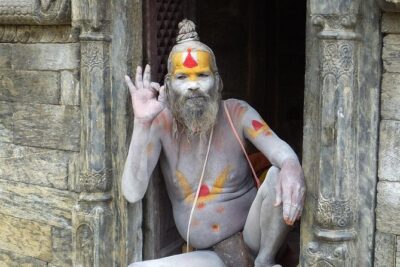
Finally, you reach Pashupatinath Temple on the Baghmati River. This is the kind of stop that feels weighty and serious. Your best approach is to respect the area, move with the group, and let the guide point out what’s essential to notice.
You might find that the tour’s structure helps here too. Ending the UNESCO-heavy day with a major Hindu temple means you finish on a strong cultural note.
Thamel and Jhamsikhel nightlife option with VIP line access
After the main sightseeing, you have a choice to experience Thamel and Jhamsikhel nightlife. The tour mentions escorted VIP line access and says this part isn’t included in the price (so you cover personal spending). This is a practical bonus if you want to keep your evening flexible rather than being stuck in a fixed dinner plan.
Price and value: what $385 covers (and what you’ll still pay for)
At $385 per person for about three days, this tour isn’t the cheapest way to see Kathmandu Valley. The value comes from what’s included and what that inclusion buys you.
What you get included:
- Private transportation and an air-conditioned vehicle
- All fees and taxes, plus entrance fees and environment management fees for the attractions on the route
- A professionally certified local tour leader
- A bottle of water per day per person
- A mobile ticket
- Pickup is offered, and group discounts are mentioned
What you should plan for:
- Food is not included (the guide will advise where to eat)
- Accommodation is not included
- Gratuity for service staffs is expected
For many people, the real cost-saver is not paying separate tickets and fees for each site, especially in heritage-heavy areas. Also, private vehicle time reduces the stress of navigating traffic and negotiating rides across three old cities.
If you prefer budget travel with DIY transit, you can probably do it cheaper. But if you want smooth logistics plus a strong local guide focus—especially for crafts like Juju Dhau—this price starts to look fair.
Who should book this tour (and who might not)
This tour fits best if you want:
- Heritage sights plus local craft and food context
- A guide who connects buildings to living culture
- A private group format with less friction between stops
It might feel less ideal if you:
- Hate structured schedules and prefer long free afternoons
- Expect fully hands-on classes every step of the way (some craft stops are observation-focused)
- Want food and nightlife included outright (food and evening spending are not included)
If you’re pairing this with a trekking trip in Nepal, it can be a great add-on. Several past guests described doing it alongside circuit treks and using the valley tour as a cultural reset between hiking days.
Should you book this Kathmandu Valley tour?
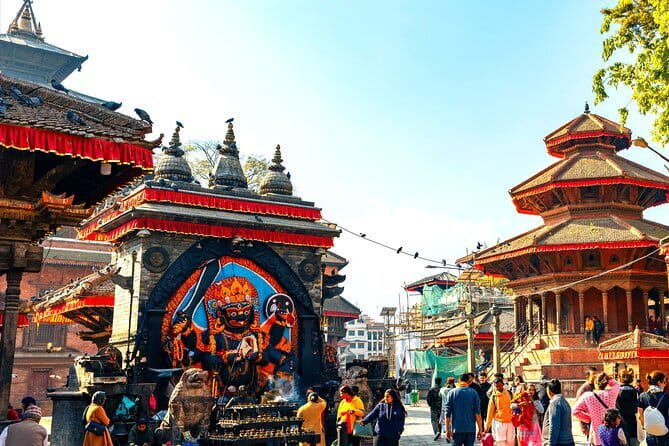
I think you should book it if you want Kathmandu Valley to feel lived-in, not just photographed. The Juju Dhau session, the Bhaktapur craft focus, the Patan courtyard monastery visits, and the neighborhood walking in Kathmandu give you a balance of sacred sites and everyday local rhythms.
You may want to look elsewhere if you want a very lightweight schedule or if you want everything fully included, especially meals. But for most people chasing authenticity with smart logistics, this is a strong match.
FAQ
What is the meeting time for this tour?
The start time is 9:15 am.
Does this tour offer pickup?
Yes, pickup is offered.
How long is the tour?
It’s approximately 3 days.
Is this a private tour or a shared group?
It’s a private tour/activity, meaning only your group participates. Group discounts are mentioned.
Are entrance fees included?
Yes. The price includes entrance fees and environment management fees for the attractions listed.
Does the tour include UNESCO World Heritage sites?
Yes. The trip is designed to visit all 7 UNESCO World Heritage sites in the region.
What is included in the price?
Private transportation, an air-conditioned vehicle, all fees and taxes, a professionally certified local tour leader, a bottle of water per day per person, and listed entrance fees.
What is not included?
Food, accommodation, and gratuity for service staffs are not included.