REVIEW · KATHMANDU
Everest Base Camp Trek
Book on Viator →Operated by Adventure Great Himalaya Trek and Expedition · Bookable on Viator
Lukla to Base Camp changes your pace fast. This 15-day guided trek starts with a short flight into the Everest region, then works upward through Sagarmatha National Park and Sherpa villages, ending with the iconic Base Camp hike. The big payoff is the early climb to Kala Patthar, where sunrise turns Everest into a full-on view, not a distant rumor.
What I like most is that the trip handles the hard-to-organize pieces for you. Meals three times a day during the trek, lodge stays, permits, a porter for every two trekkers, and even key gear like a sleeping bag, duffel bag, and walking pole are included, so your brain stays on altitude and footing. I also appreciate the built-in breathing room: acclimatization days in places like Namche Bazaar and Dingboche mean you don’t just climb until you’re miserable.
One consideration is winter cold and weather uncertainty. In December, one trekkers note called the conditions extremely cold with minus weather, and Lukla flights can shift due to mountain weather, which is why the itinerary includes a buffer day.
In This Review
- Key highlights you’ll feel on the trail
- What this Everest Base Camp trek really is
- Kathmandu arrival: your first logistics check
- Lukla and the first walking day through Sherpa country
- Namche Bazaar: your acclimatization hub with real village life
- Tengboche to Dingboche: forests, bridges, and higher oxygen debt
- The approach days: Lobuche, Gorakshep, and Base Camp day
- Kala Patthar at sunrise (5,545m): the moment and the cost
- Heading back to Namche and the quieter miles
- Kathmandu again: rest, regroup, and a smart buffer day
- Price and value: what $1,800 covers and what it doesn’t
- Guides and the team: support you’ll actually notice
- Practical advice for a successful trek (especially if it’s cold)
- Who should book this Everest Base Camp trek
- Should you book this Everest Base Camp trek?
- FAQ
- What is the duration of the Everest Base Camp trek?
- What is the highest altitude on this trek?
- Are meals included in the price?
- Is lodging included?
- Are flights included?
- Is a porter included?
Key highlights you’ll feel on the trail
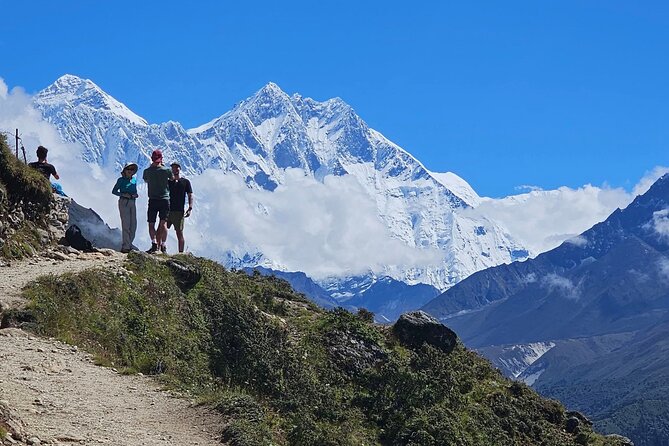
- Kala Patthar (5,545m) at sunrise for the classic Everest panorama
- Sagarmatha National Park trekking through UNESCO scenery
- All meals + lodge accommodation included during the trekking days
- Porter support arranged for two trekkers, plus guiding on the route
- Small group size (max 12) for a steadier, less chaotic experience
- Acclimatization built into the plan at Namche Bazaar and Dingboche
What this Everest Base Camp trek really is
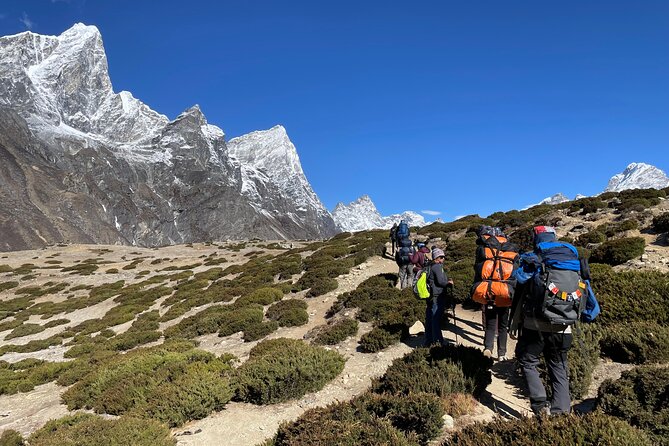
This is not a quick hike where you stroll to a photo spot and call it a day. You’re trekking a route at altitude, with lodge stops, and you’re asked to move smartly so your body can adjust. The mix of walking days and acclimatization days is the difference between enjoying the mountains and just surviving them.
You’re also not only chasing views. You pass through Sherpa settlements where you’ll see mani walls and prayer wheels, and you’ll have days that slow down so you can take in village life and mountain culture. That matters because Everest feels real here, not staged.
The trek is guided, and that has practical value. Your guide handles pacing, route choices, and the daily rhythm of getting from one lodge to the next. For some people, that sounds like a comfort feature; in reality, it’s often an altitude-safety feature.
You can also read our reviews of more hiking tours in Kathmandu
Kathmandu arrival: your first logistics check
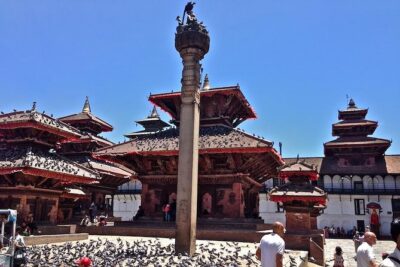
You fly into Tribhuvan International Airport and get picked up for a hotel transfer in Kathmandu. The day is set up for recovery from travel, then a short briefing with your guide so you understand the flow of the trek before the first mountain day.
This matters more than it sounds. If you’re arriving jet-lagged, it helps to get your gear sorted early and confirm what you’ll carry versus what the porter system will support. The group size is capped at 12, so you can usually ask questions without getting lost in a crowd.
You’ll also want to think about your first nights in Kathmandu as part of the trek, not an unrelated vacation add-on. Sleep, hydration, and light movement help you start trekking feeling more human when the real altitude work begins.
Lukla and the first walking day through Sherpa country
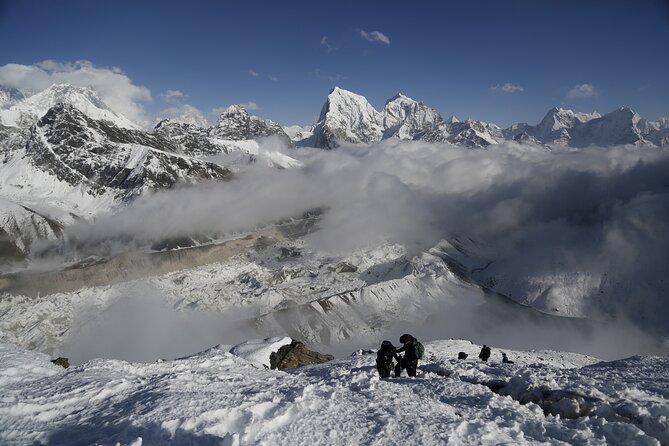
Day two kicks off with an early flight to Lukla, plus the kind of Himalayan views that make the short ride worth it. After meeting your trekking crew, you start with an easy descent through Sherpa villages, mani walls, and prayer wheels. You’re moving at a gentle start, which is exactly what you want for building rhythm.
The route is full of small details that make the area feel lived-in. Suspension bridges with prayer flags show up along the way, and crossing them becomes part of the mental rhythm of trekking. It’s a good reminder that your walk isn’t just about distance; it’s about how the trail feels day to day.
This is also where having gear provided can help. The package includes a sleeping bag, a duffel bag, and walking poles, which reduces the amount you need to pack from home. Even if you bring your own items, it’s reassuring to know the essentials are covered.
Namche Bazaar: your acclimatization hub with real village life
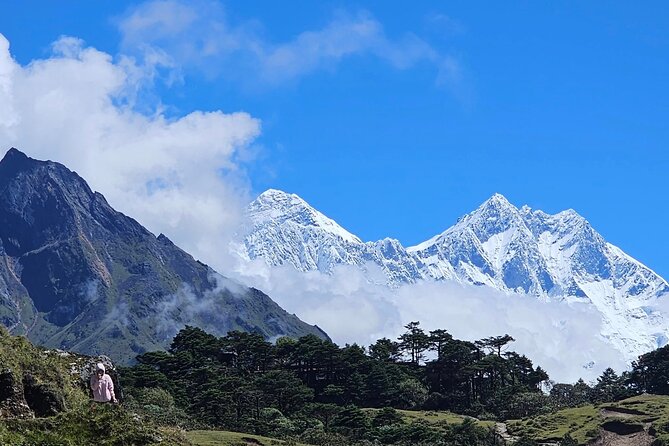
After your first full hiking stretch, you reach Namche Bazaar, a major checkpoint and a place where the trail starts to feel more like a community. The path follows the Dudh Koshi River, and you’ll cross multiple suspension bridges draped with colorful prayer flags. Pine forests and traditional villages sit in the background while you gain altitude steadily.
Then comes the acclimatization day, which I consider one of the smartest parts of this trek. You get to explore Namche on your schedule: the market, local bakeries, and the Sherpa Museum are all part of that slower day. It’s not just free time either; it’s active altitude management.
You also have options for a short hike to Everest View Hotel or Khumjung village for panoramic sights. The goal isn’t to win a speed contest. The goal is to move enough to feel good, then return and let your body catch up.
Tengboche to Dingboche: forests, bridges, and higher oxygen debt
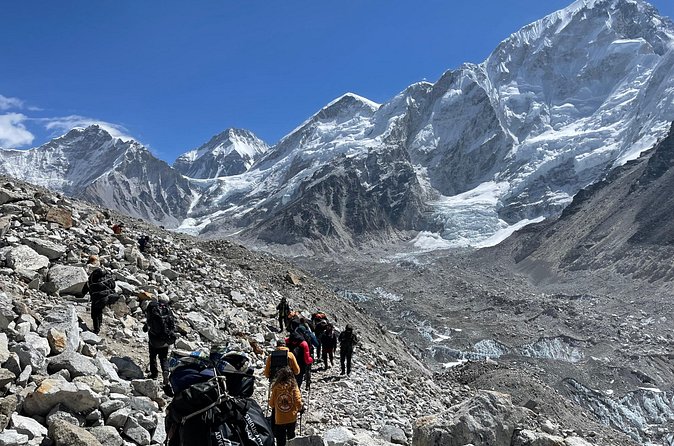
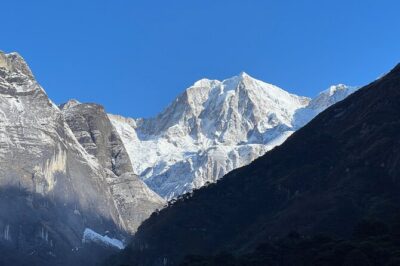
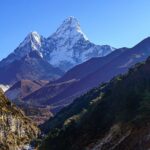
From Namche, the route climbs gently toward Tengboche, with big views of Everest, Lhotse, and Ama Dablam. You walk through rhododendron and pine forests, then descend toward the Dudh Koshi River and cross suspension bridges again. That mix of forest shade, open mountain views, and bridge crossings keeps the day varied.
Tengboche is also a cultural stop. The route is set up so you experience monasteries and the Sherpa spiritual landscape, not just the hiking corridor. If you like travel that mixes people and place, this is where the trek starts to feel grounded, not just vertical.
Next you head toward Dingboche, including a day that descends through forests, crosses the Imja Khola River, and passes through Pangboche. Pangboche is noted as the highest permanent settlement in the region, and you get mountain views along the way. You’re feeling the altitude now, so the trail’s steady nature helps you avoid overreaching.
A second acclimatization day in Dingboche is built in. You can hike to Nagarjun Hill (5,100m) for panoramic views of Makalu, Lhotse, and Island Peak, then return for lunch and rest. This is the kind of planned effort that pays off later, especially before the push toward Gorakshep and Base Camp.
The approach days: Lobuche, Gorakshep, and Base Camp day
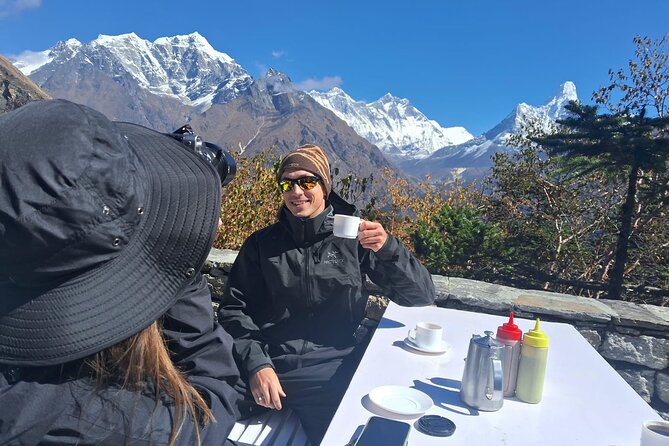
The push toward Everest Base Camp starts feeling sharper around Lobuche. The trail climbs through rocky ground with sparse vegetation, then you pass Dughla and reach the memorial ridge honoring climbers who lost their lives on Everest. It’s a somber stretch, but it gives the trek meaning beyond the view.
From Lobuche you work toward Gorakshep, the last settlement before Base Camp. This day is longer on purpose: you start with a gradual trek, then after lunch you hike across rocky terrain and glacier moraines to reach Base Camp. The point here is not speed; it’s getting there when the air and energy make the experience possible.
When Base Camp finally arrives, you’ll feel that classic Everest moment: the scale is right in front of you, not in a photograph. Your eyes will keep searching for the next angle, and that’s normal. Just remember that arriving at Base Camp doesn’t mean you’re done; you still have the Kala Patthar climb next.
Kala Patthar at sunrise (5,545m): the moment and the cost
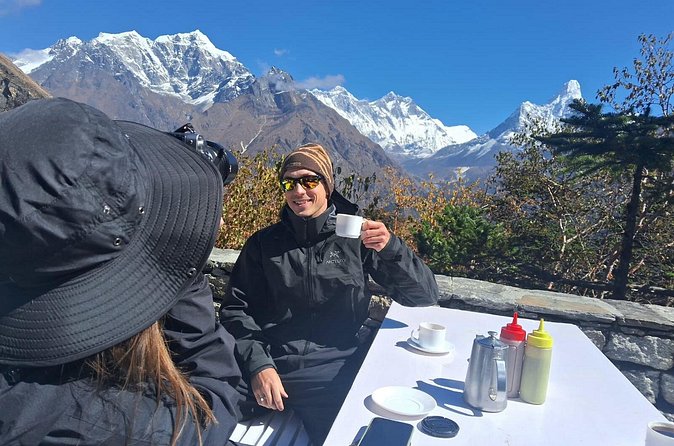
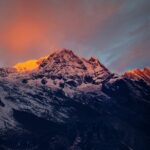
The early start is the headline: you climb steeply toward Kala Patthar for sunrise views of Everest and the surrounding peaks. Kala Patthar sits at a maximum altitude of 5,545 meters, and the route is set up so you’re rewarded for getting up before you’re comfortable.
One winter trek mention stuck with me: in December, a trekkers report called the conditions extremely cold with minus weather, even with a guide staying on top of things. That’s a key point. If you go in colder months, your main job is staying warm and moving steadily. Your plans should center on layers, gloves, head coverage, and keeping wind under control.
After the sunrise, you descend back toward Gorakshep for breakfast, then continue with the return route. The day can feel like a lot back to back, but it’s also the day where many people remember Everest as a physical presence.
Heading back to Namche and the quieter miles
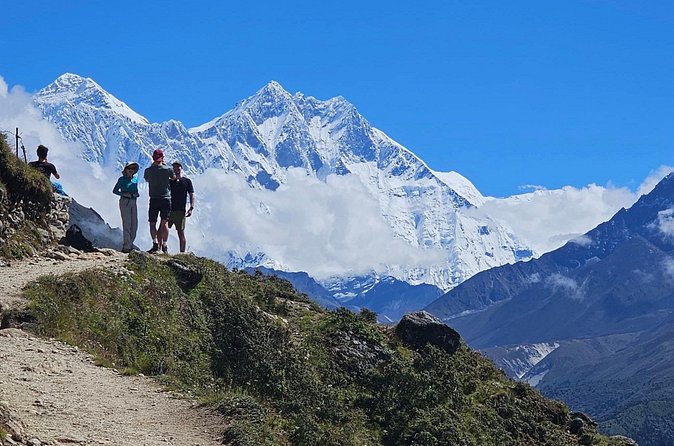
After the high point, the trek shifts into return mode. You follow a familiar trail out through Pangboche and Tengboche, gaining new perspectives because you’re descending instead of climbing. The mountains look different on the way down, and that shift can be surprisingly calming.
You also walk through forests with birds and cross suspension bridges over the Dudh Koshi River again. This is a nice change of pace after the colder, harsher sections near higher elevations. It also gives you time to notice details you likely missed earlier.
On the next downhill day, you reach Lukla again by trekking through pine forests and crossing high suspension bridges. That downhill movement can feel easier on paper, but it’s hard on knees. Going steady matters here, especially with the pace you maintained on the ascent.
This is where having your guide’s instructions becomes extra helpful. A good guide pushes you to keep your steps controlled on descents, not just faster because the end is close.
Kathmandu again: rest, regroup, and a smart buffer day
Your final flight from Lukla to Kathmandu is scheduled for an early morning, with one last view of the Himalayas. After landing, you’re transferred to your hotel so you can rest properly. The trek is demanding enough that I don’t think you’ll want a long sightseeing day right away, and the plan wisely gives you recovery time.
There’s also an extra buffer day in the Kathmandu portion of the itinerary. This is there for a reason: flight delays and cancellations between Lukla and Kathmandu can happen because mountain weather is unpredictable. If your flight does run as scheduled, you can use the day for time in Kathmandu, but the bigger point is reducing stress from travel disruption.
By the end, you get transferred to Tribhuvan International Airport for onward flights. The last day has a clear, practical purpose: don’t gamble your return flight timing after a big trekking finish.
Price and value: what $1,800 covers and what it doesn’t
At $1,800 per person for about 15 days, this package is built around logistics and comfort at altitude. You’re not just paying for a guide and a route; you’re paying for a system: meals (breakfast, lunch, dinner during the trekking days), lodge accommodations on the route, permits and conservation fees, and Kathmandu flights to and from Lukla.
Your equipment is also part of the included value. The trip lists a sleeping bag, duffel bag, and walking pole, which can save real money and packing headaches. Plus, there’s a porter for between two trekkers, which matters when you’re managing cold gear and the mental load of trekking every day.
Just keep an eye on what’s not included. You’ll pay international airfare and Nepal visa fees separately, and personal travel insurance isn’t included. Tips for the guide and porter are also not included, so plan that into your budget.
Also, this experience is listed as non-refundable and cannot be changed for any reason. That’s a blunt reality check. If your plans might shift, double-check your dates before booking.
Guides and the team: support you’ll actually notice
A trek like this is more than legs and lungs. It’s route decisions, pacing, and staying calm when conditions get hard. In winter, that support becomes even more important.
One trekkers report mentioned a guide named Krishna, describing minus weather and saying the guide handled everything so they could focus on hiking and rest. That lines up with what a good guide does: they keep the trip running so you can stay present in the trekking.
Another report credited Babu and his team, calling the whole experience unforgettable. Even if you don’t know the full details of every day from a short review, the takeaway is consistent: the team matters, especially when you’re tired, cold, and concentrating on footing.
With a max group size of 12, you’re also more likely to get real attention rather than feeling like a number in a line.
Practical advice for a successful trek (especially if it’s cold)
First: respect the cold. If you’re choosing December or any winter window, your best strategy is to dress for wind and cold and to assume mornings will feel harsher than you expect. One trek experience highlighted minus weather, which is the kind of detail you should plan around, not ignore.
Second: use the acclimatization days. Namche Bazaar and Dingboche aren’t filler days. They’re part of making the later sections safer and more enjoyable. Even on “easy” days, don’t treat them like vacation free-for-alls.
Third: pace your descents. The itinerary gives you big downward travel days back to Lukla, and that can be tough on knees. A steady rhythm beats rushing every time, especially when you’re tired and the trail still includes suspension bridge crossings.
Finally: plan your budget for what’s not listed. Besides visa and airfare, your insurance and tips should be in your mental math from day one. If you like predictable costs, build those extras into your total before you commit.
Who should book this Everest Base Camp trek
You’ll likely love this trek if you want a guided experience that takes care of permits, meals, lodging, and route organization. The plan also suits people with moderate physical fitness because it’s designed around acclimatization and a steady climb, not constant grind with no recovery.
It’s also a good fit if you’re traveling with a small group and want space to ask questions. The max group size of 12 helps, and the porter support for every two trekkers adds comfort and flexibility.
If you dislike cold weather or you want a purely warm-climate adventure, this may not be your match. Winter can bring serious cold, and the itinerary still includes high-altitude sunrise work.
Should you book this Everest Base Camp trek?
Book it if you want the classic Everest Base Camp experience but prefer not to manage permits, lodging logistics, and trekking-day meals on your own. At $1,800, the value comes from the included flights, permits, meals, lodge stays, key gear, and porter support, so your time goes into trekking instead of paperwork.
Don’t book it if you can’t commit to dates or you may need a flexible schedule, since the experience is non-refundable and changes aren’t supported. Also think hard if cold and high-altitude mornings won’t work for you. This trek can be extremely cold in winter, and the climb to Kala Patthar at 5,545m is the kind of day where being prepared matters.
If you’re ready for a guided, well-structured challenge with real Sherpa culture and the Everest views you came for, this is a strong option.
FAQ
What is the duration of the Everest Base Camp trek?
It runs for about 15 days, with a mix of trekking days and acclimatization days, plus buffer time built into the schedule.
What is the highest altitude on this trek?
The highest point is Kala Patthar at 5,545 meters.
Are meals included in the price?
Yes. The package includes 3 meals a day during the trek, with breakfast, lunch, and dinner listed for the trekking days.
Is lodging included?
Yes. You get 3 nights in a Kathmandu hotel and 11 nights in lodge accommodation during the trek.
Are flights included?
Yes. The Kathmandu to Lukla and return Kathmandu flight tickets are included.
Is a porter included?
Yes. A porter is included for between 2 trekkers, which helps with carrying during the trek.