REVIEW · KATHMANDU
Kathmandu: Kailash Mansarovar Yatra Tour 2025
Book on GetYourGuide →Operated by Peregrine Treks and Expedition P Ltd · Bookable on GetYourGuide
Kailash and Mansarovar feel like another world. This 15-day yatra blends Mount Kailash Kora spirituality with Tibetan plateau views that stick with you, from Kerung to Saga. I like the way the trip also builds in Nepal first, with UNESCO sites and a quick Himalayan hike to help you get your legs under you.
What I really love: the sense of purpose around the Lake Mansarovar rituals, and the well-run, safety-minded guidance that keeps a high-altitude trek from feeling like a solo gamble. One drawback to plan for is that accommodations are basic in remote areas, and weather or road issues can change timing and costs; one group had to handle extra Kerung expenses after a landslide, even though the plan still stayed focused. Mr. CarKey support (shared by past groups with Peregrine Treks) helps a lot when the day-to-day gets messy.
In This Review
- Key things that make this tour worth your time
- What this yatra is really about: Kailash Kora, not just a checklist
- Kathmandu prep: UNESCO temples plus visa hand-holding
- Crossing into Tibet: the Kerung and Saga rhythm
- Lake Mansarovar: the calm that makes the Kora feel possible
- The trek days: Derapuk, Droma La Pass, and the Zutulpuk monastery
- The return loop: Kerung back to Kathmandu
- Comfort vs. reality: accommodations, meals, and what to budget
- Who should book this Kailash Mansarovar yatra
- Practical tips you’ll thank yourself for later
- Guide support that makes the hard parts easier
- Should you book the Kathmandu Kailash Mansarovar Yatra Tour 2025?
- FAQ
- How long is the Kathmandu Kailash Mansarovar Yatra Tour 2025?
- What group size and languages are included?
- What’s included in Kathmandu and Tibet?
- What Chinese visa cost should I plan for?
- What should I bring for the trip?
- Are there restrictions on what I can bring or do in Tibet?
Key things that make this tour worth your time
- Small group size (up to 10) makes it easier to move as a unit without feeling packed in.
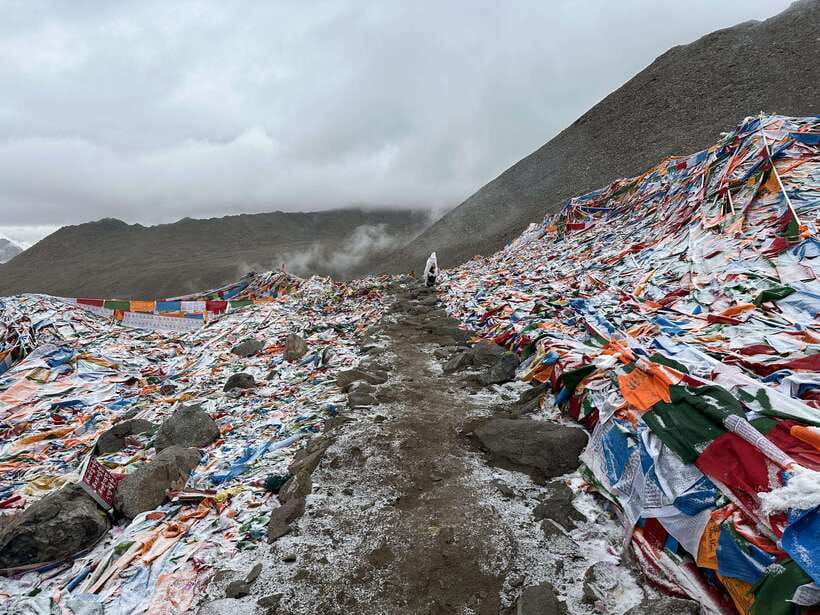
- Mount Kailash circumambulation with Droma La Pass gives you the high point and the meaning, not just the postcard views.
- Lake Mansarovar rituals are built into the schedule, not treated like a quick stop.
- English-speaking guides in both Nepal and Tibet, plus permits and entrance fees handled for you.
- Acclimatization days included, which matters before you go high and stay high.
- Basic guest houses are part of the deal at Mansarovar, Darchen, and Zutulpuk, so you’re not surprised later.
What this yatra is really about: Kailash Kora, not just a checklist
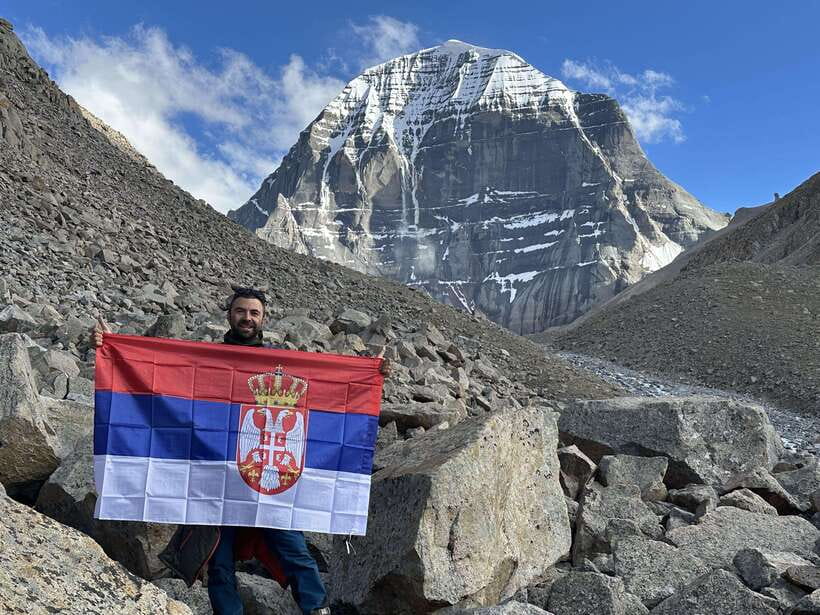
Mount Kailash is sacred for Hindus, Buddhists, Jains, and Bon followers, and that matters here because the pilgrimage rhythm shapes the whole trip. You’re not only traveling across countries. You’re walking a spiritual route around the mountain, step by step, with a high pass in the middle of it.
The Kora part is the main event, but it isn’t disconnected from the rest. You start in Kathmandu, warm up with temple and monument visits, then roll into Tibet with border logistics and plateau acclimatization. By the time you’re trekking on the Kora route, the trip already feels like it has momentum and purpose.
If you’re chasing scenery, you’ll get it. If you’re chasing meaning, you’ll get more than scenery. And if you’re chasing luxury, you should recalibrate expectations early, because this is a pilgrimage route first.
You can also read our reviews of more tours and experiences in Kathmandu.
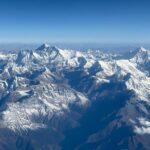
Kathmandu prep: UNESCO temples plus visa hand-holding
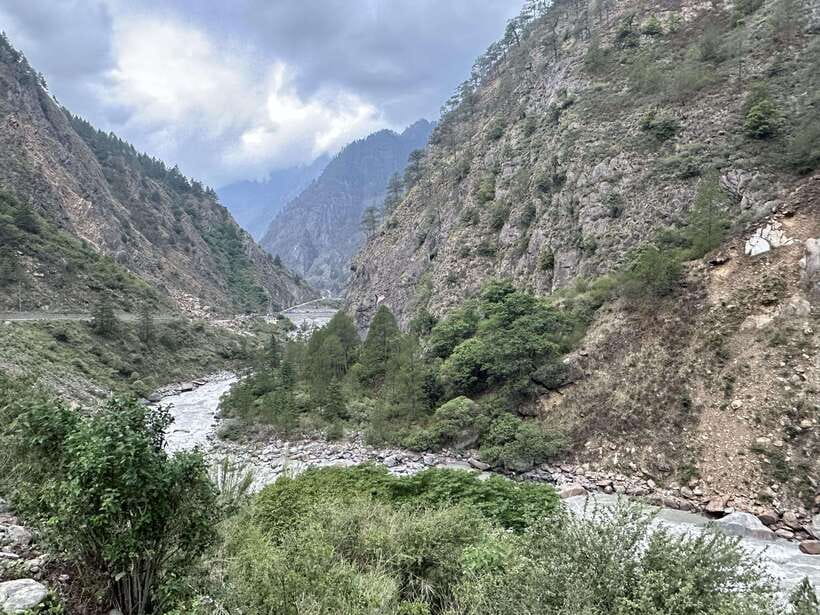
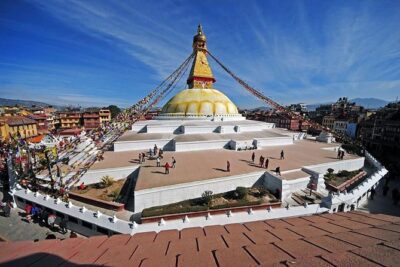
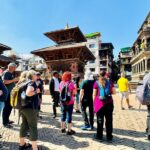
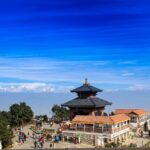
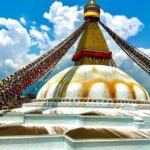
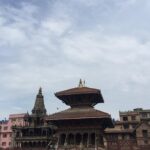
Your tour begins in Kathmandu with an airport transfer and a 3-star hotel with breakfast. Day 2 is a smart mix: visa processing plus UNESCO World Heritage Sites in one day. You’ll visit Kathmandu Durbar Square, Swayambhunath (Monkey Temple), Boudhanath Stupa, and Pashupatinath Temple.
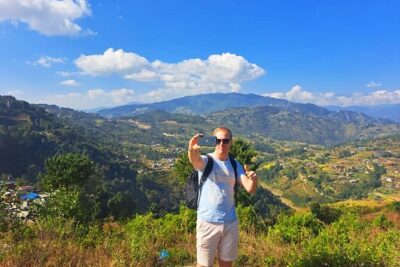
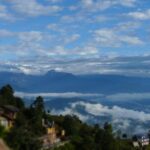
Day 3 continues with Durbar Squares in Patan and Bhaktapur, where Newari craftsmanship shows up in the details: stonework, carved courtyards, and temple shapes that feel older than time. Day 4 adds a practical taste of hiking. You do a Nagarkot day hike, starting from Bhaktapur, which helps you transition from city strolling to walking with a rhythm.
Two small practical tips come out of this early Kathmandu phase:
- Wear shoes you can trust, because you’ll do enough walking before the Tibet altitude even begins.
- Keep your evenings calm. Kathmandu is fun, but you want a steady head and good sleep for the drive toward the border.
Crossing into Tibet: the Kerung and Saga rhythm
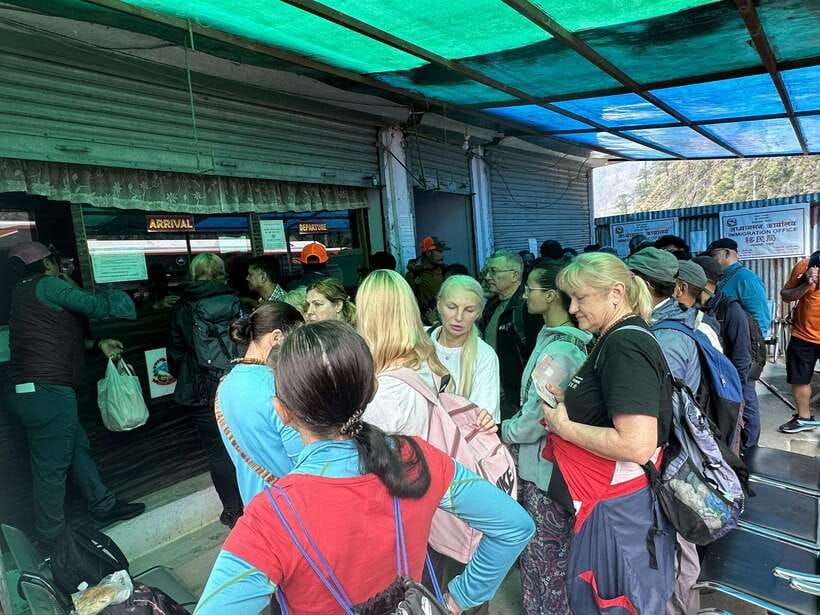
On Day 5, you drive toward Rasuwagadhi on the Nepal side, with a scenic route through the Langtang region. Day 6 is the border crossing, then a drive to Kerung where you can explore local temples and get a first real feel for Tibetan life away from the Kathmandu scene.
Kerung is also where you start noticing how the environment changes your pace. Roads can be rough, schedules can shift with conditions, and you’ll spend more time watching the mountains rather than just seeing them. This matters because you’re not only traveling from one country to another. You’re adapting to altitude, air, and logistics.
Day 7 drives you deeper to Saga. Here you’re positioned for big-picture plateau views and sightlines toward the Brahmaputra River region. Saga is a key staging town: it’s not the pilgrimage, but it’s where the pilgrimage stops being theoretical and becomes real.
Lake Mansarovar: the calm that makes the Kora feel possible
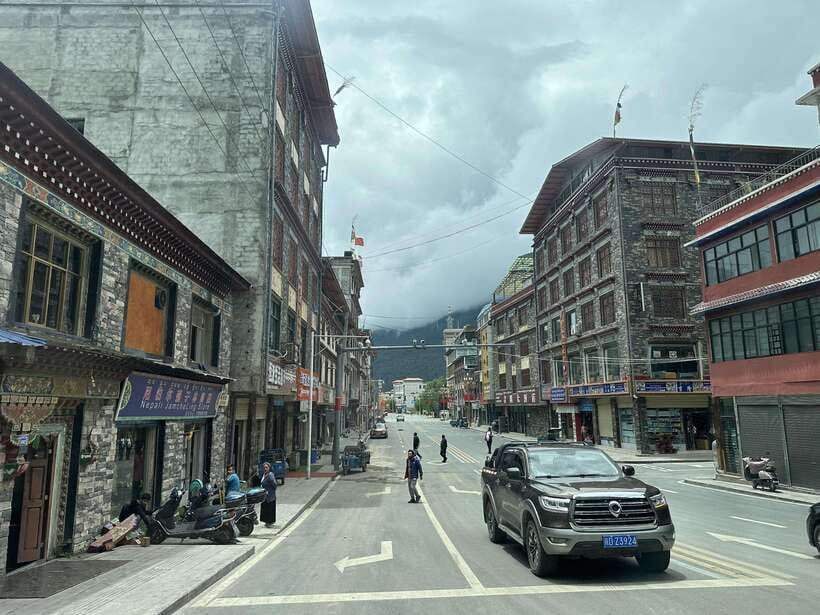
Day 8 brings the drive to Lake Mansarovar. This is one of the emotional anchors of the trip. You’re there for spiritual rituals by the lake and for the quiet effect that comes from water, wind, and distance all at once.
Day 9 is the move to Darchen, a shorter drive that places you at Mount Kailash’s base area. You’re not trekking yet, but you’re preparing for the Kora with the kind of practical focus that only arrives once you’ve physically arrived at the pilgrimage zone.
Accommodation at Mansarovar and Darchen is listed as shared guest houses, and that’s important to know up front. Comfort won’t be your hotel-style reward; it’ll be your spiritual stamina and the fact that you’ll be doing something meaningful the next day.
The trek days: Derapuk, Droma La Pass, and the Zutulpuk monastery
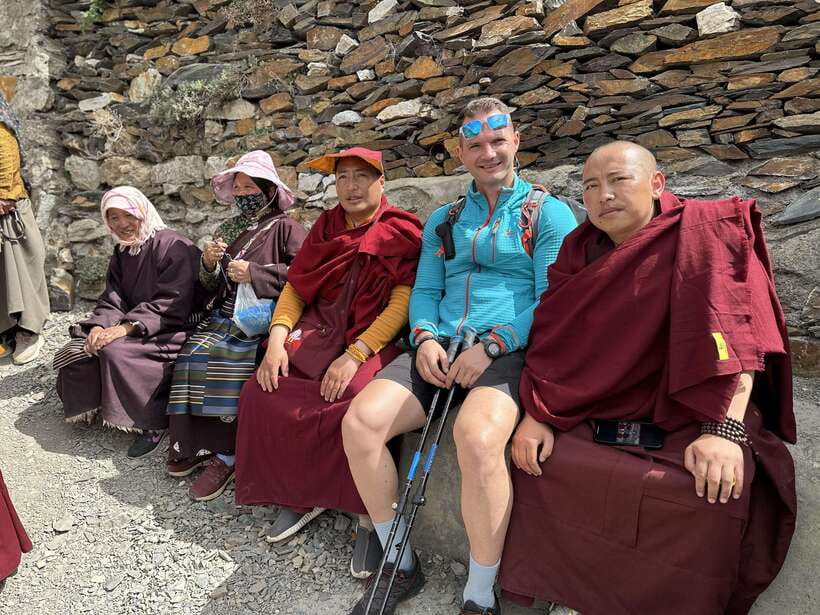
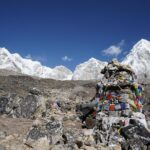
The Kora trek starts on Day 10 with a trek toward Derapuk. This leg begins the circumambulation process in earnest, and you’ll be treated to stunning views of Mount Kailash’s north face. The north face isn’t just dramatic. It’s also a reminder that you’re walking a route that pilgrims have followed for generations, with high-altitude seriousness and deep belief.
Day 11 is where the challenge sharpens. You trek to Zutulpuk via Droma La Pass, the highest point on the route. This pass isn’t just a physical hurdle. It’s a spiritual moment in motion, and you’ll feel that in how the day is paced and how you’re asked to reflect.
After Droma La Pass, you reach Zutulpuk and visit the Zutulpuk Monastery. This is the kind of stop that breaks the day into chapters: breath, walking, and then a quiet place that feels like it belongs to the pilgrimage. It’s also where conditions can be more demanding. One prior group found the Zutulpuk accommodation poor and preferred outdoor toilet setups, so plan for basic facilities.
Day 12 finishes the Kora and then returns to Saga by drive. That’s a big transition: from walking a sacred circuit to switching back to wheels and sitting. It’s also when your body finally gets permission to exhale.
The return loop: Kerung back to Kathmandu
Day 13 drives from Saga back to Kerung. It’s a quieter day by nature, because your big physical effort is done and you’re moving mostly for logistics, rest, and final plateau moments.
Day 14 crosses back into Nepal and returns to Kathmandu by drive. Day 15 is departure.
This “return loop” part matters more than people expect. It gives you time to recover before flight day. And if weather or road issues hit earlier, the return is where the trip tries to re-stabilize.
Comfort vs. reality: accommodations, meals, and what to budget
Let’s talk money-and-comfort clearly, because this tour is priced at $4,013 per person for 15 days, and most of that cost is doing real work for you.
Here’s what the price is covering (from the tour inclusions):
- Private airport transfers in Kathmandu (2 times)
- Kathmandu 3-star hotel with breakfast
- Private vehicle with driver, fuel, and entrance fees for UNESCO sites
- Nagarkot hiking day support with English guide and entrance fees
- Private jeep transport Kathmandu to Rasuwagadhi and back, plus Tibet transport
- Tibet travel permit and entrance fees
- English-speaking Tibetan tour guide
- 9 nights in Tibet: six nights in 3-star hotels and three nights in shared guest houses (Mansarovar, Darchen, Zutulpuk)
- Breakfast included for all nine Tibet mornings
What’s not included:
- International flights and Nepal visa fees, plus Chinese visa cost
- Kathmandu meals and beverages
- Lunch and dinner during the Kailash tour
- Porter services (USD 350 for three days; 12 kg carry including food and accommodation)
- Pony hiring (USD 600 for three days if needed)
- Optional helicopter ride from Kathmandu to Rasuwagadhi (private USD 1600 or shared USD 320 per person)
- Extra expenses if you have to stay beyond the scheduled itinerary due to natural or political reasons
So is it good value? For me, it leans yes if you want a guided, permitted, planned route with private transport and altitude support baked in. The hard part of Kailash and Mansarovar isn’t only the walking. It’s everything around it: border steps, permits, transportation reliability, and doing the trek with a team that knows how to keep you safe.
Your main comfort reality check is that guest houses at Mansarovar/Darchen/Zutulpuk are shared and basic. If you’re the type who needs your room to feel like a resort, you’ll be fighting the concept the whole time.
Who should book this Kailash Mansarovar yatra
This tour fits best if you:
- Want the Mount Kailash Kora and are okay with a high-altitude trek that requires good fitness
- Prefer small group logistics (max 10) and want English guidance
- Care about spiritual sites in Nepal and Tibetan pilgrimage sites, not only hiking
It’s not suitable for:
- Children under 10
- Pregnant women
- People with back problems, heart problems
- Wheelchair users
Also, bring patience. This route includes drives through remote areas, altitude acclimatization, and potential weather changes. Build your mindset like you’re doing a pilgrimage, not a time trial.
Practical tips you’ll thank yourself for later
Pack for cold. Even in the dry seasons, you’re going high, and warm clothing is listed as a requirement for a reason. Comfortable shoes are non-negotiable. You’ll also want a hat, sunscreen, water, and some snacks.
Cash matters because ATMs may not be available. Plan personal spending with that in mind.
There are also strict rules while you’re in Tibet:
- Alcohol and drugs are not allowed, and littering is a no.
- You’re strictly forbidden to carry items such as photos, books, CDs, DVDs, or digital devices related to the Dalai Lama or other Tibetan leaders.
- You’re also prohibited from sharing or posting content about the Dalai Lama on social media platforms like Facebook, Twitter, or YouTube.
That last part is easy to overlook if you’re used to traveling with a phone full of everything. Double-check what you have on devices and what you plan to post.
Finally, consider porters. The porter fee is USD 350 for three days and includes carrying up to 12 kg, including food and accommodation. Some people also use ponies (USD 600 for three days if needed). If you want to keep your energy for the trek days themselves, this is worth serious consideration rather than a last-minute decision.
Guide support that makes the hard parts easier
What really impressed me in the feedback is the support around the travel steps that can go sideways. One group described how Peregrine Treks handled passport collection for the Tibet travel permit and Chinese group visa, then returned the passport after several days with photocopies. That kind of guidance reduces stress when your time and documents are tied to border processes.
There’s also a named reference to Mr. CarKey, whose pre-trip help and in-tour assistance helped the team keep everything running smoothly. Even when rain or landslides disrupt timing, having a guide who can absorb the chaos and keep you informed matters.
It won’t make the trek easy. It will make the trek manageable.
Should you book the Kathmandu Kailash Mansarovar Yatra Tour 2025?
I’d recommend booking if you want a real guided Kailash Mansarovar experience with permits, transport, and a small group structure that supports safety on a high-altitude Kora. The price is doing a lot of heavy lifting through private transport, Tibet accommodations, breakfasts, and entrance fees, and that’s what keeps this pilgrimage from turning into a logistics puzzle.
I wouldn’t book if you’re not comfortable with basic lodging in remote areas, if you hate cold and long walking days, or if you need predictable schedules with zero disruption. One clear example from recent departures: rain affected timing and a landslide delayed a group in Kerung, causing extra costs that weren’t covered. Build extra flexibility into your Kathmandu plans, especially at the end of the trip.
If you come for the pilgrimage and you prepare for the realities, this yatra can be life-changing in a very practical way: you’ll finish tired, changed, and with the kind of spiritual memory you don’t need to over-explain.
FAQ
How long is the Kathmandu Kailash Mansarovar Yatra Tour 2025?
It’s a 15-day tour, from arrival in Kathmandu to your departure back from Kathmandu.
What group size and languages are included?
The group is limited to 10 participants. You’ll have a live tour guide in English, and there’s also an English-speaking Tibetan tour guide.
What’s included in Kathmandu and Tibet?
You get private airport transfers in Kathmandu (2 times), Kathmandu accommodation in a 3-star hotel with breakfast, Kathmandu sightseeing by private vehicle with a driver (including entrance fees for UNESCO sites), and a Nagarkot day hike with an English-speaking guide. In Tibet, transportation is included per the itinerary, English-speaking guidance is included, Tibet travel permits/entrance fees are covered, and you receive 9 nights of accommodation plus breakfast for all nine mornings.
What Chinese visa cost should I plan for?
The tour data lists a Chinese Visa cost of USD 250 for American, Canadian, and British passport holders.
What should I bring for the trip?
Bring your passport, comfortable shoes, warm clothing, a hat, a camera, snacks, sunscreen, and water.
Are there restrictions on what I can bring or do in Tibet?
Yes. You must not carry items such as photos, books, CDs, DVDs, or digital devices related to the Dalai Lama or other Tibetan leaders. You’re also prohibited from sharing or posting content about the Dalai Lama on social media platforms like Facebook, Twitter, and YouTube. Alcohol and drugs are not allowed, and littering is prohibited as well.