REVIEW · KATHMANDU
Full Day Private Kathmandu City Tour
Book on Viator →Operated by Dream Heaven Adventure Pvt. Ltd. · Bookable on Viator
One day, four sacred Kathmandu stops. I like how this private tour links Pashupatinath, Boudhanath, Swayambhunath, and Patan Durbar Square into one smooth day, with a professional art historian guiding what you’re seeing—plus door-to-door transport.
What I really enjoy is the practical comfort side: an air-conditioned vehicle, bottled water, and a clear start at 9:15am. The one drawback to weigh is that food and drinks are not included, and you’ll also need to handle any entry permit/ticket costs on your own.
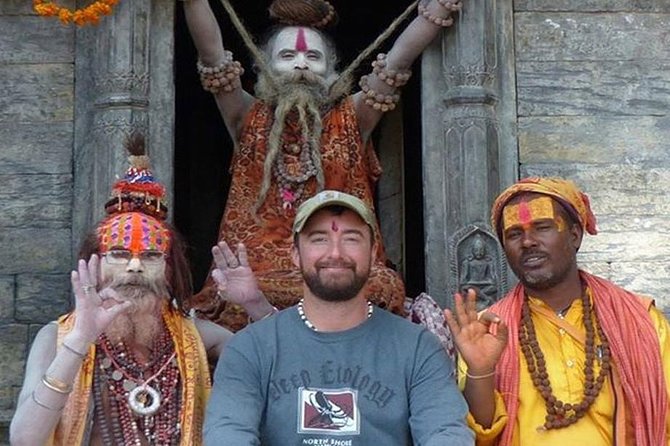
If you want a Kathmandu day that feels guided, not rushed, this is a strong way to do it—especially if you’d rather understand the sites than just take photos. And if you’re the type who likes meeting the people behind the religion, this route gives you that chance too, with Hindu holy men and the possibility of seeing cremation at Pashupatinath.
In This Review
- Key things that make this tour worth your time
- Private Kathmandu temple-hopping, without the stress
- Pashupatinath on the Bagmati: burning ghats and respectful watching
- Boudhanath Stupa: UNESCO scale and daily devotion
- Swayambhunath hilltop: where the viewpoint becomes the lesson
- Patan Durbar Square: crafts, old-city art, and architectural details
- A 7 to 8 hour day: what the pace really feels like
- Price and value: is $95 per person fair?
- Who should book this private Kathmandu city tour
- Should you book the Full Day Private Kathmandu City Tour?
- FAQ
- What sites are included in the Kathmandu city tour?
- How long is the tour?
- What time does the tour start?
- Is hotel pickup and drop-off included?
- Is this tour private?
- What’s included in the price?
- What isn’t included, and do I need tickets?
- What’s the cancellation policy?
Key things that make this tour worth your time
- A professional art historian guide who explains what each temple and stupa means
- Door-to-door private transport, including an air-conditioned vehicle and bottled water
- Pashupatinath on the Bagmati with the burning ghats theme of impermanence
- Boudhanath Stupa’s UNESCO World Heritage setting and the big-stupa scale
- Swayambhunath hilltop pilgrimage where the viewpoint is part of the experience
- Patan Durbar Square for craft tradition and old-city art and architecture
Private Kathmandu temple-hopping, without the stress
Kathmandu can be a lot in a short time. Traffic, finding entrances, figuring out which line goes where, and then trying to understand what you’re looking at—this tour removes most of that friction by keeping everything private and run by a guide who knows the story behind the stones.
You’re not stuck in a rigid group flow either. It’s a private tour, so it’s just your group, and the guide can pace conversations around what you actually want to see—more explanation, more time at a doorway, or just a quiet moment looking out over the city.
You can also read our reviews of more city tours in Kathmandu
Pashupatinath on the Bagmati: burning ghats and respectful watching
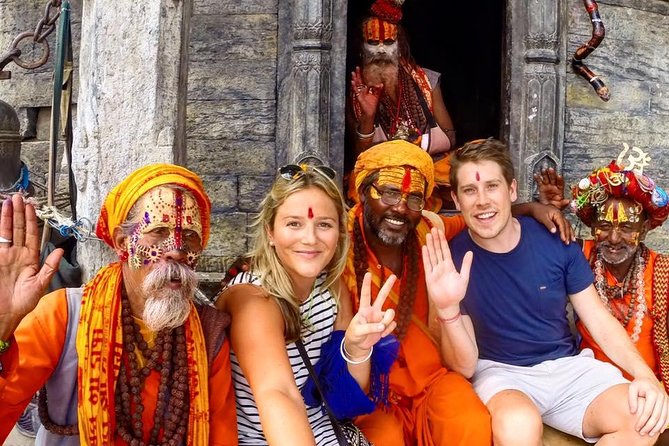
Pashupatinath Temple sits on a holy stream at the edge of the Bagmati in central Kathmandu. It’s one of the biggest Hindu pilgrimage magnets in the city, and it ties directly into a central idea in Hinduism: impermanence.
The burning ghats theme matters here. This is not a “look for a show” stop. You’re being asked to witness how people respond to life and death in a spiritual way, and the idea is linked to the Pashupatinath Burning Ghats as a festival of impermanence. If you’re comfortable with that kind of spiritual context, the stop can feel powerful rather than shocking.
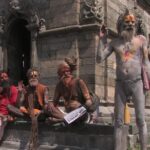
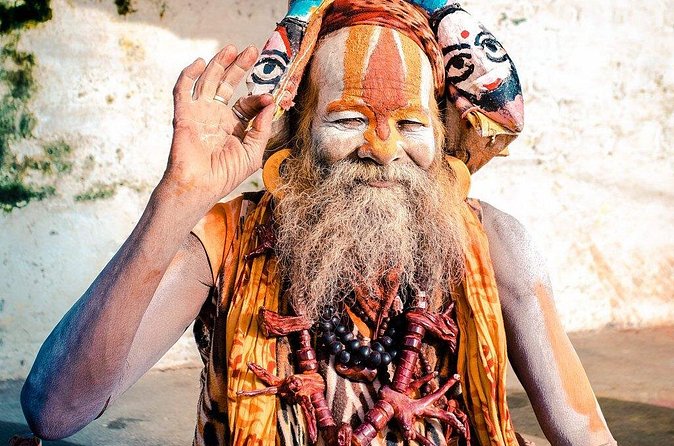
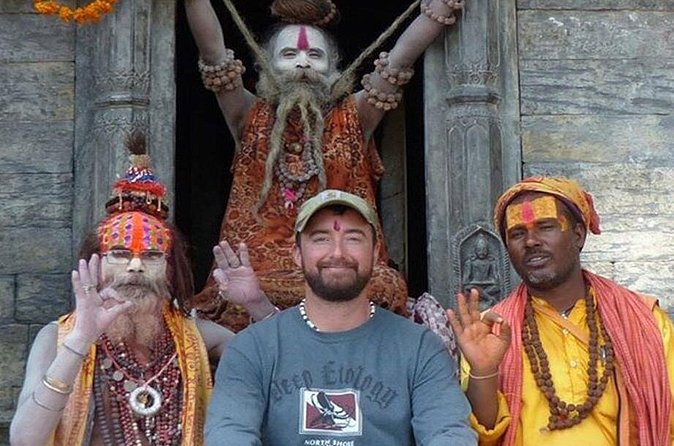
The tour also sets expectations around what you might see: Hindu holy men, and perhaps a cremation at Pashupatinath. That “perhaps” is important. Even if you don’t see cremation, you still get the emotional gravity of the place, the riverside setting, and the way daily religious life happens right in front of you.
My practical advice: treat this as a solemn site. Keep your body language calm, ask your guide where photography is okay, and don’t crowd people who are there for prayer or ritual.
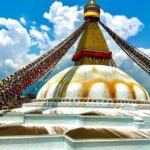
Boudhanath Stupa: UNESCO scale and daily devotion
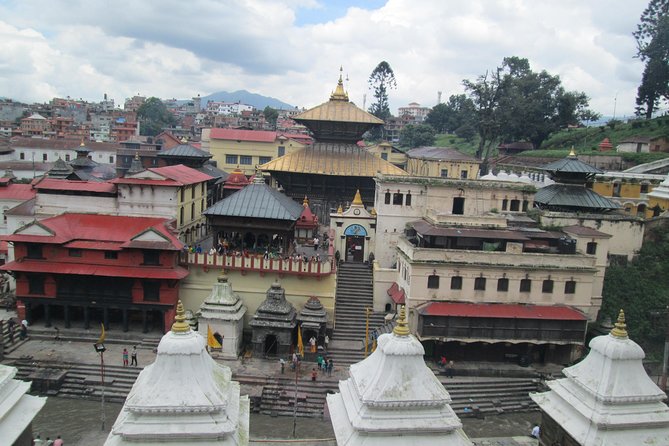
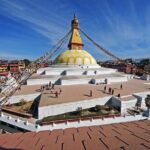
Boudhanath Stupa is about 7 km east of Kathmandu, and it’s a UNESCO World Heritage Cultural Site. Even before you hear an explanation, the scale does something to your brain. This is the kind of landmark you understand instantly as “major.”
What makes Boudhanath worth your time on a guided day is how easy it is to misread it on your own. Without context, you might just notice the architecture and miss the spiritual rhythm. With a guide, you can connect what you’re seeing to how people practice devotion around the stupa.
You’ll also notice how the stupa sits inside a wider religious environment. The atmosphere is part tourism, part local worship space. That’s where having a private art historian helps: you get the why behind the wow, so you’re not just standing there wondering what each element is doing.
If you’re the type who loves seeing religious life up close, this stop is usually where the day starts to feel less like a checklist and more like you’re learning the city’s belief system in human terms.
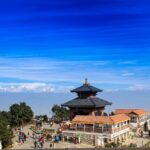
Swayambhunath hilltop: where the viewpoint becomes the lesson
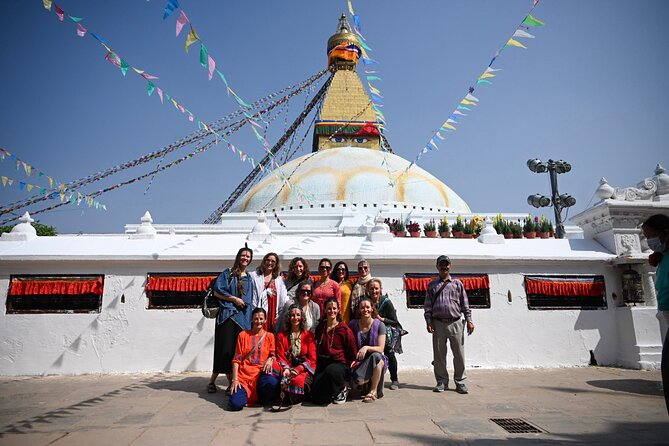
Swayambhunath is on a knoll top overlooking the Kathmandu Valley. It’s one of the most seasoned and holy pilgrimage locations in the area for Buddhists, and that hilltop location is more than scenery—it changes how you experience the temples and how you understand their role.
This is a classic Kathmandu “arrive and look around” place. From up high, you can make sense of why the site became important: it gives you a sweeping sense of the valley and a clear feeling that you’re visiting something set apart. Your guide can connect that setting to the spiritual meaning, so you’re not just viewing temples—you’re learning why this spot draws pilgrims.
On a private tour, you’ll also be able to slow down at the moments that catch your eye. One person may want to focus on iconography and temple details. Another might want the best photo viewpoint, but also the explanation of what they’re photographing. Either way, the private format helps.
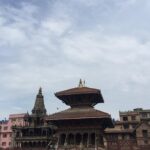
Patan Durbar Square: crafts, old-city art, and architectural details
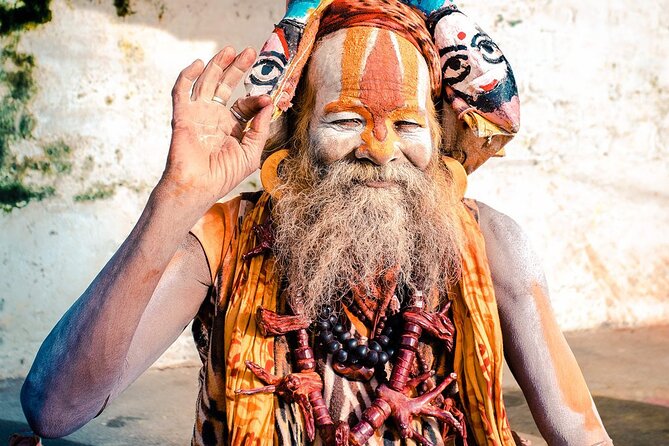
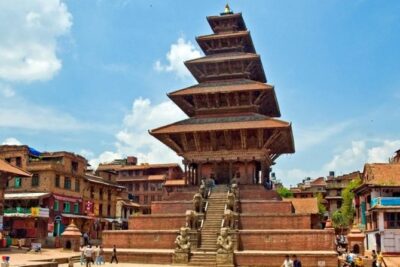
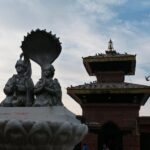
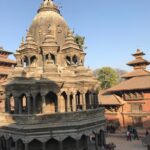
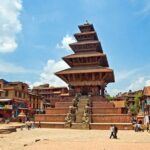
After the big religious sites, Patan Durbar Square gives you a different kind of Kathmandu education: art, craft tradition, and city architecture. Patan is believed to be the oldest of the three cities inside the Kathmandu Valley, and its Durbar Square reflects that long-settled feel.
This is where you can shift from “religious meaning” to “cultural expression.” Patan is known for fine traditional crafts and a rich artistic heritage, and Durbar Square is the place to see that in built form—courtyards, stonework, and the kind of design that rewards you for looking closely.
The best reason to include Patan Durbar Square on this itinerary is balance. Pashupatinath, Boudhanath, and Swayambhunath can dominate your day with spirituality and ritual space. Patan brings in a different angle: how the valley’s people created art, traded skills, and expressed identity through architecture.
Tip for your time here: don’t rush. On a full-day tour, it’s tempting to sprint from one photo to the next. Patan responds best to slower looking, especially if you care about traditional craft work and the visual logic of old-city design.
You can also read our reviews of more private tours in Kathmandu
A 7 to 8 hour day: what the pace really feels like
The tour runs about 7 to 8 hours. That’s long enough to do justice to four major stops, but not so long that you’re stuck in transit all day. The big win is the private door-to-door transport—less time negotiating, fewer delays, and more time at the sites.
Still, you should plan mentally for a full day. The itinerary moves between major landmarks that each carry emotional and spiritual weight. If you like reflection, give yourself a few quiet minutes with your guide’s guidance, then a bit of independent space to just watch and absorb.
The comfort details help you stay functional. An air-conditioned vehicle is a real relief in Kathmandu heat, and bottled water is included so you won’t have to hunt for it mid-day.
Price and value: is $95 per person fair?
At $95 per person, this tour isn’t an ultra-budget bargain. It’s priced for convenience and for expertise: you get a private tour, professional art historian guide, hotel pickup and drop-off, bottled water, and an air-conditioned vehicle.
Here’s how I think about value for a day like this:
- If you were to DIY four major sites with transport and a guide only for one stop, you’d likely spend a similar amount or more after you add time, confusion costs, and guide time.
- The private format matters because it protects your time. A day tour that saves you navigation effort usually feels more “worth it” than a cheaper option that forces you to figure everything out.
The costs you should budget separately are clearly stated: food and drinks aren’t included, and entry permits/tickets are not included either. If you treat those as part of your baseline Kathmandu expenses, the $95 fee starts to look like what you’re truly paying for: access, guidance, and smooth logistics.
Also, the tour is operated by Dream Heaven Adventure Pvt. Ltd. That matters mainly because it signals a professional provider handling pickup, guiding, and vehicle service as part of the package.
Who should book this private Kathmandu city tour
This tour is a strong match if you want:
- Big-ticket Kathmandu sites in one organized day
- Explanations that go beyond names on a map
- Door-to-door comfort, without giving up the freedom to ask questions
- A route that mixes Buddhism, Hinduism, and Patan’s craft-focused old-city vibe
If you’re traveling solo, it can be especially reassuring to have a guide who feels friendly and comfortable. One guide highlighted by name is Saraswati Ghimire, praised for being warm, knowledgeable, and easy to laugh with—exactly the kind of human tone that makes temple days less intimidating.
If you hate structured days, or if you want total spontaneity to wander at your own speed with no plan, you might find a full-day circuit too scheduled. But if you want a reliable, guided overview of Kathmandu’s major spiritual landmarks, this fits well.
Should you book the Full Day Private Kathmandu City Tour?
You should book if you care about meaning, not just sights, and you’d rather spend your energy learning than figuring out logistics. The private art historian guide plus door-to-door transport is a real combo for value at this price point.
I’d also book if you’re short on time and want the strongest “four main stops” day you can reasonably do. This itinerary hits Pashupatinath, Boudhanath, Swayambhunath, and Patan Durbar Square, so you get a balanced look at Kathmandu Valley’s religious life and craft-driven city heritage.
Skip it only if you strongly prefer DIY freedom, you’re not interested in religious sites, or you’d rather keep your day lighter than 7 to 8 hours.
FAQ
What sites are included in the Kathmandu city tour?
The tour includes visits to Pashupatinath Temple, Boudhanath Stupa, Swayambhunath, and Patan Durbar Square.
How long is the tour?
It runs about 7 to 8 hours.
What time does the tour start?
The start time is 9:15 am.
Is hotel pickup and drop-off included?
Yes. Hotel pickup and drop-off are included, and the tour offers door-to-door round-trip private transport.
Is this tour private?
Yes. It’s a private tour, and only your group will participate.
What’s included in the price?
Included items are the professional art historian guide, all activities, hotel pickup and drop-off, a private tour, bottled water, and an air-conditioned vehicle.
What isn’t included, and do I need tickets?
Food and drinks aren’t included. Entry permit tickets are also not included, so you’ll need to plan for that cost.
What’s the cancellation policy?
Free cancellation is available. You can cancel up to 24 hours in advance for a full refund.