REVIEW · KATHMANDU
14 Days Everest Base Camp Trek
Book on Viator →Operated by Magic Himalaya Treks · Bookable on Viator
Everest isn’t far from this trek’s starting line. This 14-day Everest Base Camp journey focuses on the real rhythm of the Khumbu—Kathmandu to Lukla, steady altitude gain, and big Everest Base Camp payoff at 5,463 meters.
Two things I really like: you get an experienced, licensed guide plus required porters, and you’re not left to figure out acclimatization on your own. I also like that the plan builds in purposeful walking on rest days, like aiming for viewpoints near Namche Bazaar before you go higher.
One consideration: altitude and weather. You’ll be at serious elevations (including Kalapather at about 5,450m), and the trek depends on good conditions.
In This Review
- Key highlights at a glance
- Price and logistics: what $1,680 covers (and what it doesn’t)
- Kathmandu to Lukla: getting moving on day two
- Dudhkoshi river crossings to Namche Bazaar: long days, quick wins
- Namche rest day that still hikes: acclimatization you can feel
- Tengboche views: the classic Everest-facing day
- Dingboche and Nangkartshang hill: short walking, big altitude work
- Lobuche and Thukla Pass: monuments and the long approach higher
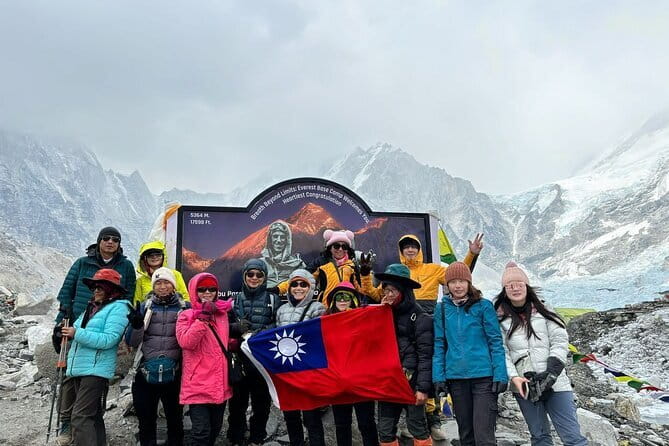
- The longest push: Gorekshap to Everest Base Camp
- Kalapather sunrise: the payoff for getting up early
- Heading back to Namche: the downhill that still works you
- The final trek: Namche to Lukla and celebrating the team
- Fly back to Kathmandu and take the full rest day
- Meals, tea-house rhythm, and what to pack for real comfort
- Safety, altitude, and weather: how to protect your Everest dream
- Who this trek fits best (and who might rethink it)
- Booking with Magic Himalaya Treks: what to look for in the team
- Should you book this Everest Base Camp trek?
Key highlights at a glance
- Kathmandu pickup and private airport transfers help you start without stress
- Domestic flight logistics to Lukla with round tickets for guide and clients
- Acclimatization walks around Namche and on rest days before the higher push
- Kalapather sunrise viewpoint for classic Everest views and photos
- Monuments at Thukla Pass along the route to Lobuche and higher camps
- Tea-house style trekking with meals largely included for less guesswork
Price and logistics: what $1,680 covers (and what it doesn’t)
At $1,680 per person, this Everest Base Camp trek is priced for the whole operating side of the trip, not just the trail. The included items cover the big moving parts: government fees, a licensed guide, required porters (with their salary and expenses), a medical kit box with required medicine, and transport between Kathmandu and Lukla, plus airport pickup and drop by private vehicle.
You also get a lot of food covered. Breakfast is included across most mornings, with lunch included on most trekking days and dinner included on the bulk of the trip. That matters because it reduces decision fatigue in remote areas where options are limited and prices can vary.
What’s not included is also important to plan around:
- Nepal entry visa fee
- Travel insurance for the trek
- International flights and departure tax
- Tips for guide and porters (listed as compulsory)
- Rescue operations in an emergency
- Personal expenses and drink bills
- Extra items during meals
If you want a simple budget, you’ll still need to add visa, insurance, tips, and personal spending. If you prefer not to micromanage logistics, this package does a lot of the heavy lifting.
You can also read our reviews of more hiking tours in Kathmandu
Kathmandu to Lukla: getting moving on day two
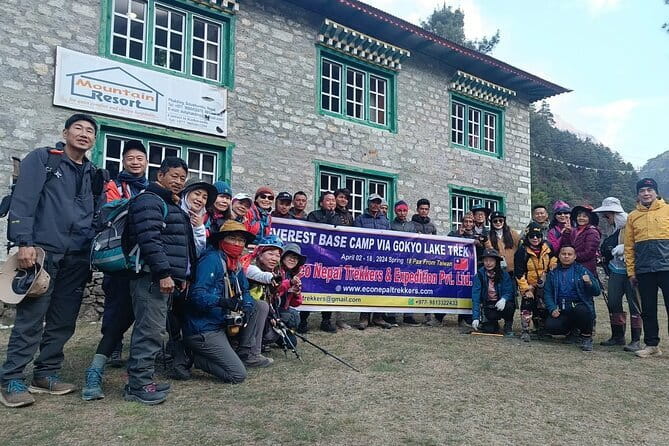
Day one is all about arriving and being taken care of. After you land at Tribhuvan International Airport, representatives from Magic Himalaya Treks and Expeditions meet you and help you get oriented.
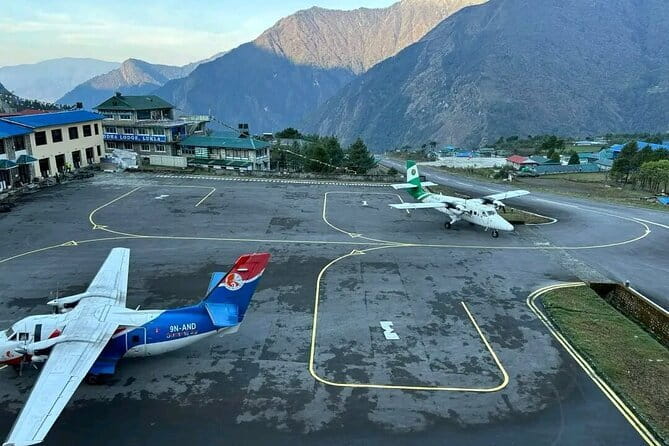
Then day two starts the real journey: you’re picked up and taken to Kathmandu’s domestic terminal to fly to Lukla. Lukla is one of the most famous airports in the world for its tricky approach, and the experience is often a highlight in itself. Once you land, you meet porters and begin trekking downhill to start building your stamina.
Why this setup is valuable: you’re not hiking right away from sea level in a chaotic scattershot way. You arrive, settle, then transition into trekking with guided support and the team already organized.
Dudhkoshi river crossings to Namche Bazaar: long days, quick wins
The trek’s early days do a clever thing: they move you through scenery while giving you time to adapt. On day three, you’ll trek alongside the Dudhkoshi River with suspension bridges that you cross multiple times. You’ll stop for lunch in Jorsella village, then continue toward Namche Bazaar.
What to expect here:
- You’ll walk for a solid chunk of the day (around 6 hours listed), so bring steady pacing.
- Suspension bridges add constant interest, but they can also be mentally tiring—especially if you’re not used to wind and height.
- You start seeing the Khumbu’s mix of trail life and mountain drama.
Namche is where the trek starts to feel like a real base for altitude travel. It’s also where you’ll notice the Sherpa culture isn’t just scenery—it’s part of everyday life along the route.
Namche rest day that still hikes: acclimatization you can feel
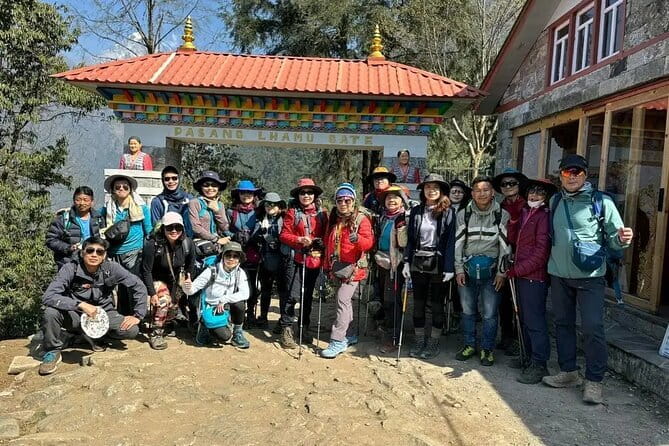
Day four is labeled as a rest day, but the plan keeps you moving to acclimatize properly. Instead of staying idle, you walk toward viewpoint options such as Syangboche (and the Everest View area, often associated with the Everest View Hotel).
This is a smart approach: your body doesn’t just need a day off, it needs controlled effort at higher elevation. A short hike at the right time can help you avoid the classic mistake of going too high too fast.
Possible drawback: if you’re tired from the flight and the early trekking, you’ll want to start slow and treat this as easy walking, not a workout.
Tengboche views: the classic Everest-facing day
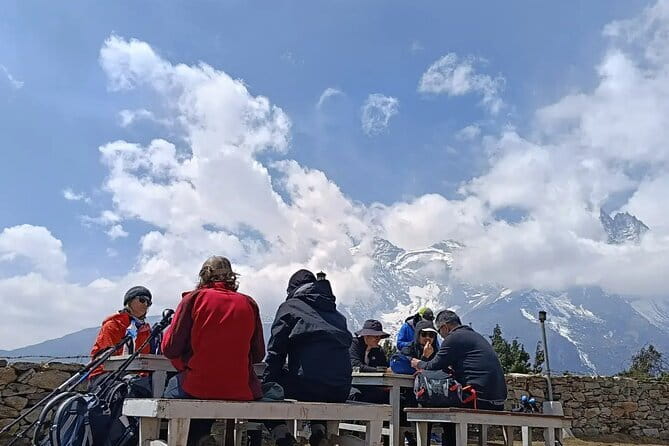
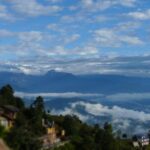
On day five, you move to Tengboche (spelled Tyangboche in the outline). This day is described as the best walk so far, with trekking facing Mount Everest and multiple Himalayan ranges. You’re set up to see peaks such as Ama Dablam, Thamserku, and Tabauche.
This is the day you’re likely to remember for the way the trail frames the mountains. Trekking “facing Everest” is different from catching a peak here and there—you get a sustained sense of what you’re working toward.
Drawback to keep in mind: days like this can tempt you to move faster because the views feel like a reward. Try not to sprint. Higher elevation punishes bravado.
Dingboche and Nangkartshang hill: short walking, big altitude work
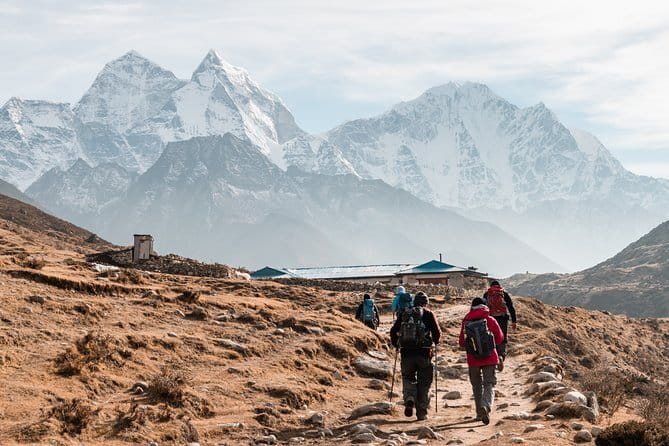
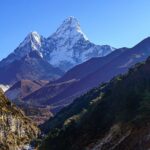
Day six is a shorter day (around 4 hours of trekking listed) to Dingboche, passing Pangboche and Sanasa. You reach Dingboche for lunch, with Amadablam Mountain views mentioned as an highlight.
Then day seven is another rest day-with-a-job. You hike to Nangkartshang hill (around 5,000 meters), aiming for views over Imja Tse Valley and mountains such as Island Peak and Ama Dablam.
This pair of days is where you learn the real logic of Everest Base Camp trekking:
- Some days are shorter so you can recover.
- Some rest days still include elevation exposure so your body can adapt.
If you’re the kind of traveler who hates being bored, you’ll appreciate this design. If you’re the kind of traveler who hates being cold, you’ll want to pack layers for the hill hike.
Lobuche and Thukla Pass: monuments and the long approach higher
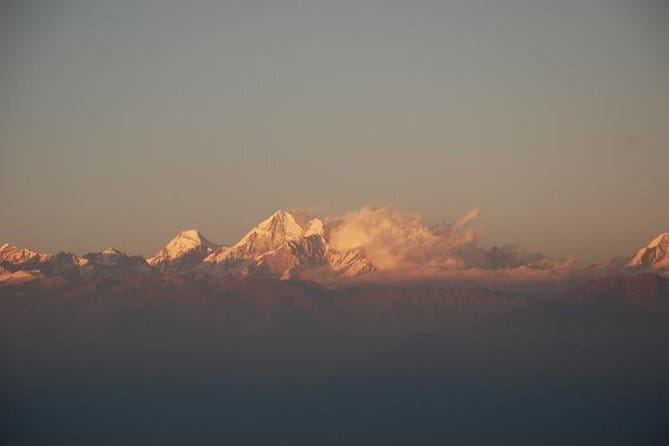
Day eight takes you toward Lobuche, walking through areas like Thukla and Thukla Pass. You’ll pass monuments made by famous climbers at Thukla Pass, then continue to lunch at Laubecha (listed name) and continue onward.
This day matters because it shifts the scenery from “nice trekking valleys” toward “high-altitude expedition territory.” The monuments are not just decoration; they remind you that this route has history—and risk—built into the experience.
The time on day eight is listed around 6 hours. Expect the air to feel thinner, so slow down and take breaks before you feel forced to.
The longest push: Gorekshap to Everest Base Camp
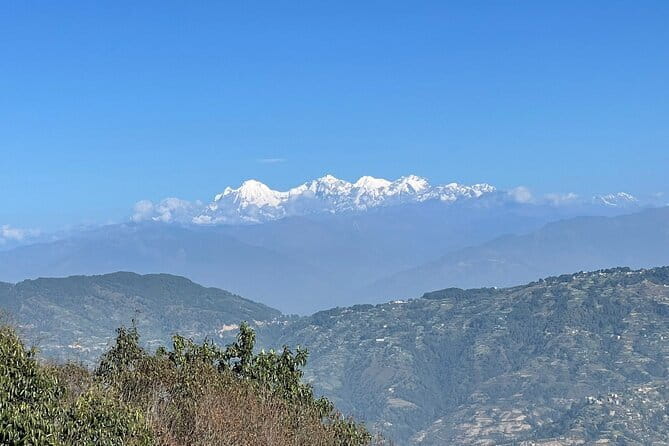
Day nine is one of the longest days: you walk toward Gorekshap in the morning, have a light lunch, then continue for around two hours to reach Everest Base Camp. There’s also a mention of a tea house stay setup around this phase, so you’re likely to be in high-altitude lodging as you move between key points.
What makes this day intense isn’t only the distance. It’s the psychological shift. Once you’re close enough to see Base Camp as an actual destination, the trek becomes “real.” That can make you rush.
My practical advice: treat this like a steady job. Eat early, drink enough, and don’t chase every view with speed. At these altitudes, small pacing choices matter more than you think.
Kalapather sunrise: the payoff for getting up early
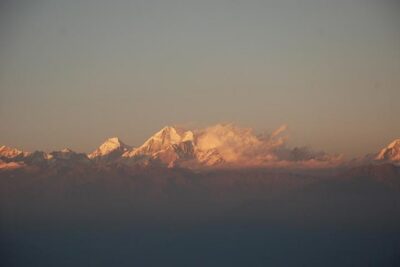
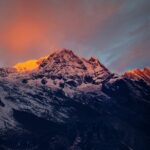
Day ten starts early for a sunrise hike to Kalapather (about 5,450 meters). The goal is a sunrise and mountain view, then you come down to Gorekshap for breakfast.
This is one of the strongest moments on the route because it ties together effort and reward. You’ve built acclimatization, you’ve handled long days, and then you get that classic panoramic payoff—exactly the kind of “this was worth it” feeling that keeps people coming back to the Khumbu.
The only drawback is obvious: early mornings at elevation are harder than they sound. If you’re not a fan of waking before your body is ready, you’ll still survive, but you may grumble on purpose.
Heading back to Namche: the downhill that still works you
Day eleven goes down toward Namche Bazaar, passing Pangboche and Tengboche. You’ll have lunch at Phortse Tangha and then reach Namche, where there’s time to enjoy the bar and pubs in town (listed in the itinerary).
Downhill sounds easier, and sometimes it is. But it can be rough on knees and ankles. This is also where altitude fatigue can linger even when you’re dropping elevation. Take your time on descents.
Why this day is good value: you’re both moving and getting a bit more normal human life back—food choices, social energy, and the chance to feel the trek’s completion slowly.
The final trek: Namche to Lukla and celebrating the team
Day twelve is the last trekking day, around 7 hours walking from Namche Bazaar to Lukla. You stop for lunch at Phakding, then arrive in Lukla. The plan also includes a celebration and making porters happy.
That part matters. A good Everest trek is a team sport. Porters and guides carry more than bags; they carry logistics, pacing, and safety judgment. When the itinerary specifically calls out celebrating them, it’s a decent sign the company understands what makes the trek work.
Practical note: this is the day many people feel the tiredness they’ve been postponing. Save energy for the last stretch by keeping your pace controlled.
Fly back to Kathmandu and take the full rest day
Day thirteen is flight dependent: you head to the airport early after breakfast, then fly back to Kathmandu. Upon arrival, your driver picks you up and transfers you to your hotel, with accommodation and breakfast provided. It’s a full rest day.
Day fourteen is your final day in Nepal: you fly home after breakfast.
This two-day finish is a smart buffer. You get time to rehydrate, eat normally, and let your body adjust after high altitude. Even if you feel great on day twelve, you’ll usually appreciate this slower landing.
Meals, tea-house rhythm, and what to pack for real comfort
The plan includes dinner, lunch, and breakfast on set days, which is a big deal on this route. It means you can focus on trekking rather than constantly asking what’s open and what’s affordable.
That said, tea-house style trekking typically means simple meals and shared rhythms. So even with meals included, you’ll want to think practically:
- Pack snacks you like, because the included meals may not match your tastes perfectly.
- Bring layers for cold evenings—high elevation changes quickly.
- Plan for reduced appetite some days; smaller meals spread out often feel easier.
If you’re the type who likes predictable routines, included meals help a lot. If you’re picky about food, you might need to supplement with items you enjoy—but extra items during meals are not included, so keep that in mind.
Safety, altitude, and weather: how to protect your Everest dream
Safety here is less about dramatic rescues and more about smart pacing and altitude management. The trek includes a medical kit box and required medicine, and the company uses an experienced licensed guide with porters. That support is exactly what you want on a route where conditions can shift.
Still, altitude is not optional. Everest Base Camp reaches around 5,463 meters, and Kalapather is around 5,450 meters. Even with rest days and acclimatization walks, some people face altitude sickness.
The trek also requires good weather. If the weather isn’t right, you’ll need flexibility, and the operator offers either a different date or a full refund in that scenario.
My advice: if you have any health concerns, talk to a travel doctor before you go. And once on the trail, don’t treat symptoms like they’ll disappear just because you’re motivated.
Who this trek fits best (and who might rethink it)
This itinerary is best for travelers with strong physical fitness. It’s also a good fit if you want structure: you like having guides, porters, and key logistics handled, while still experiencing the trail day by day.
It’s also a strong choice if you enjoy authentic mountain travel rather than luxury tourism. You’ll spend nights in trekking towns and tea-house style settings, walk long days, and learn the Khumbu’s pace.
Who might think twice:
- If you’re not comfortable with early wake-ups and long walking days
- If you’re sensitive to altitude and don’t have a good health plan
- If you hate basic, remote accommodations and simple food rhythms
Booking with Magic Himalaya Treks: what to look for in the team
Magic Himalaya Treks and Expeditions gets consistent praise for professional support. In particular, guides and staff like Nabin and Santaji come up in feedback for being helpful and carrying the trip smoothly. Other crew names mentioned include Shanta and Sanasa, and people highlight care for safety and organization.
That matters for you because EBC is not a “DIY and hope” kind of trek. You’re going to rely on your guide’s judgment for pacing, acclimatization decisions, and handling practical trail-day issues.
Also, since this is a private tour/activity, you’re trekking with your own group rather than mixing with random strangers. That can make mornings feel calmer and coordination easier.
Should you book this Everest Base Camp trek?
Book it if you want a guided, well-paced Everest Base Camp trek with domestic flights to Lukla, clear day-by-day structure, and a team that takes professionalism seriously. The included permits/fees, licensed guide, medical kit, and most meals help keep the trek from turning into a constant budgeting exercise.
Consider booking a different trip or adjusting your expectations if you’re very sensitive to altitude, hate early starts, or have limited flexibility around weather. This trek depends on conditions, and the elevations are real.
If your goal is to reach Everest Base Camp while learning the Khumbu rhythm instead of just chasing a photo, this 14-day plan is a strong match.