REVIEW · KATHMANDU
8 Days Special Nepal Tour Package
Book on Viator →Operated by Welcome Nepal Treks P.ltd · Bookable on Viator
Temples, sunrise, and safari in one tight circuit. This Nepal package strings together Kathmandu, Pokhara, and Chitwan with an air-conditioned ride and smart timing, so you’re not spending every day in transit. You also get a gentle first evening in Thamel to get your bearings fast.
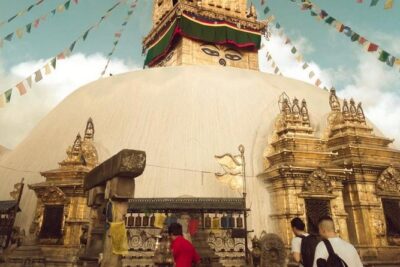
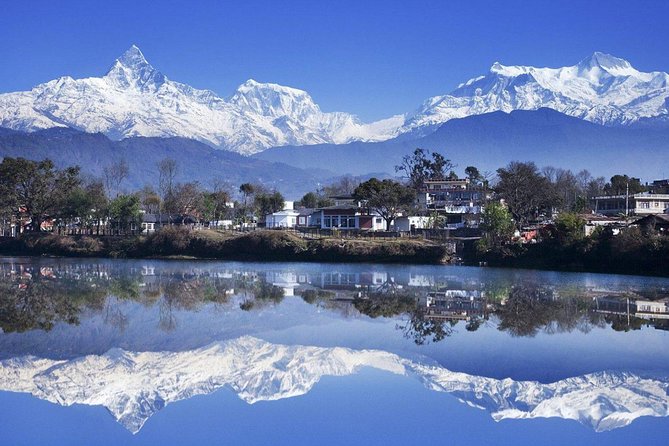
I especially liked the guided Kathmandu sightseeing, with time at Pashupatinath and the big stupa stops in the Boudhanath and Swayambhunath area. Then Pokhara delivers with an early Sarangkot outing for Himalaya sunrise views, plus classic sightseeing like Davis Falls and Gupteswor Cave.
One possible drawback: you’ll be on the road a lot. Expect several 4–6 hour drives plus an early start day, so this isn’t the slow, purely relaxing kind of trip.
In This Review
- Key highlights worth your attention
- A Kathmandu–Pokhara–Chitwan mix that feels big, but stays efficient
- Price of $1,066.67: where the value really comes from
- Day 1 in Kathmandu: arrival, a welcome drink, and Thamel orientation
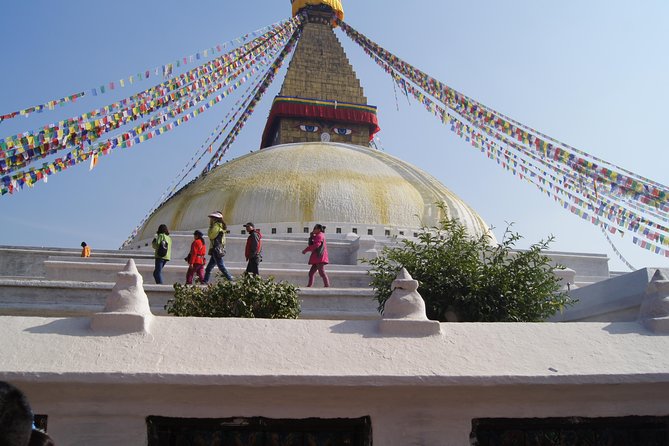
- Day 2 Kathmandu temple and stupa day: Pashupatinath, Boudhanath, Swayambhunath
- Day 3 Chitwan drive and Tharu culture night
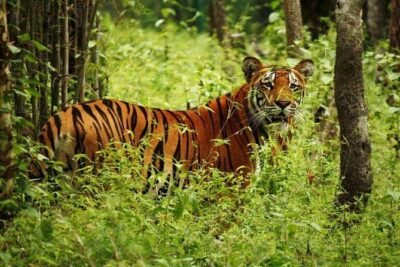
- Day 4 Chitwan activities: canoeing, jungle walk, and jeep safari
- Day 5 Pokhara: the lakeside reset after Chitwan
- Day 6 Pokhara: Sarangkot sunrise plus Davis Falls, Gupteswor, Tibetan camp, World Peace Pagoda
- Day 7 drive back to Kathmandu: mountain views and a farewell Nepal dinner
- Day 8: free Kathmandu time and a private vehicle to the airport
- Guides, communication, and the small-group feel that keeps stress low
- Who should book this Nepal combo (and who should rethink)
- Should you book this 8-day special Nepal tour?
- FAQ
- Where does the tour start?
- Where does the tour end?
- How long is the tour?
- What’s included in the price?
- Are entrance fees included?
- What meals are included in Chitwan?
- Are lunches and dinners included throughout the whole trip?
- Is tipping included?
- What’s the group size limit, and is it suitable for pets?
Key highlights worth your attention
- Small group size (up to 15) keeps the schedule from feeling like cattle-class tourism.
- Air-conditioned vehicle for the whole tour reduces the daily logistics headache.
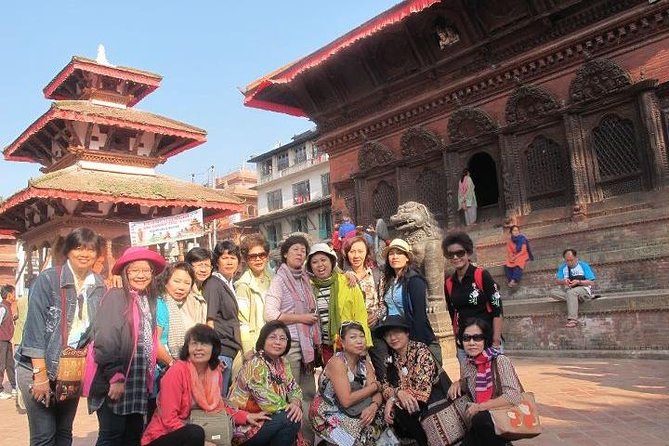
- Kathmandu guide time covers major sacred sites like Pashupatinath, Boudhanath, and Swayambhunath.
- Chitwan includes culture + wildlife-style activities, from Tharu village visits to a jeep safari.
- Pokhara sunrise at Sarangkot is built in, not optional.
- Meals are mostly handled in Chitwan, which helps you keep your energy for the day’s activities.
A Kathmandu–Pokhara–Chitwan mix that feels big, but stays efficient
This is a classic “three-region” Nepal combo: heritage in Kathmandu, lakeside reset in Pokhara, and wildlife-focused lowland nature in Chitwan. The best part is the pacing: you’re getting different vibes every few days rather than repeating the same kind of sightseeing.
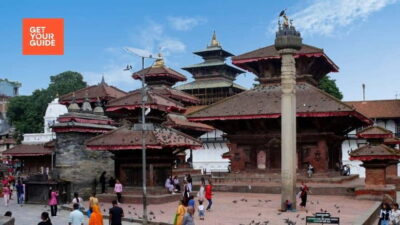
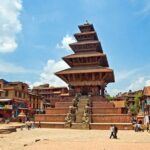
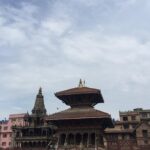
Kathmandu is all about sacred architecture and living religion. You’ll see Hindu temple life at Pashupatinath, plus major Buddhist energy at Boudhanath and Swayambhunath. Pokhara shifts you into a quieter rhythm, with views over the Himalayas and a more chilled lakeside evening. Then Chitwan is the contrast: flat, bushy forest country where you go looking for wildlife and spend time with Tharu culture.
Logistically, it’s geared to feel straightforward. The package uses a meeting point at Tribhuvan International Airport (Ring Rd) for the start, and you end back at that same meeting point. You’ll travel in an air-conditioned vehicle for the duration, and your tickets are handled via mobile ticket.
That combination matters. When you’re bouncing between cities like this, smooth ground transport and clear guiding can make the difference between a fun trip and a stressful one. This one aims for the fun.
You can also read our reviews of more tours and experiences in Kathmandu.
Price of $1,066.67: where the value really comes from
At $1,066.67 per person for an 8-day circuit, you’re not paying for “extra luxuries.” You’re paying for the structure: hotels, transport, guides, entrances, and a big chunk of meals.
Here’s where the value shows up:
- Accommodation is included on a double/twin sharing basis (based on the hotel list). For many travelers, that single line item removes one of the biggest planning headaches.
- Air-conditioned transport is included for the whole tour, which is a real comfort boost during long drives.
- Entrance fees for sightseeing are included according to the program. You don’t have to budget and queue for every ticket while you’re trying to keep momentum.
- Kathmandu includes a city guide, not just a drive-by route.
- Chitwan includes full-board meals (breakfast, lunch, dinner), so you’re not searching for food between activities.
- Taxes and service charges are included, which helps prevent surprise add-ons.
What’s not included is also clear. Any lunches/dinners not listed, snacks, and mineral water aren’t included. Tipping is expected, but it’s also described as not mandatory.
So the “value” question becomes: do you want your trip mostly organized and packaged? If yes, this price makes sense. If you prefer to piece things together yourself and pick your own hotels and meals, you may be able to spend less—but you’ll trade away a lot of the convenience.
Day 1 in Kathmandu: arrival, a welcome drink, and Thamel orientation
Your trip starts with arrival at Tribhuvan International Airport, then pick-up and transfer to your hotel. You’ll check in, get a welcome drink, and have time to rest before going out.
In the evening, you’ll visit a tourist market in Thamel for about an hour. This matters more than it sounds. The first night in a new city can feel disorienting, and Thamel is where many travelers get their bearings: easy walking, lots of signboards, and a gentle on-ramp to Nepal life without committing to a full day of sightseeing right away.
If you’re arriving tired, this day works because it doesn’t overload you. If you’re arriving energized, Thamel still gives you enough variety to feel like you’ve started traveling, not just checking into a hotel.
Day 2 Kathmandu temple and stupa day: Pashupatinath, Boudhanath, Swayambhunath
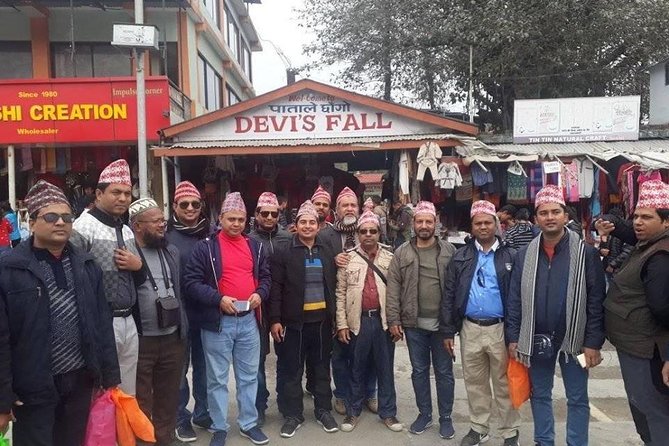
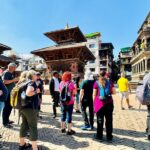
After breakfast, the day becomes Kathmandu sightseeing with a city guide. The big hitters are:
- Pashupatinath Area: a popular Hindu temple area where religion is not a museum exhibit—it’s part of daily life.
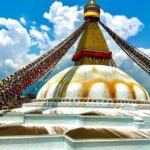
- Boudhanath Stupa: a major Buddhist site often described as the kind of place where you can slow down just by standing there.
- Swayambhunatha Stupa: an old Buddhist stupa tied to historic storytelling in the area.
The key benefit of having a guide here is order. These places can be crowded and confusing if you’re trying to work everything out on your own. With guidance, you can focus on what you’re seeing instead of constantly asking where you’re supposed to go next.
A practical consideration: sacred sites can involve stairs, uneven paths, and crowds at busy times. Wear shoes you can trust. This isn’t the day for fancy sandals unless you’re very confident on your feet.
Day 3 Chitwan drive and Tharu culture night
On this day you leave Kathmandu for Chitwan, with a drive time of about 4–5 hours. You’ll reach the park area, settle in, then head into the evening for a Tharu village tour and a Tharu culture program.
Why this is a good pairing: it stops you from thinking Chitwan is only about animals. The Tharu community is part of the region’s human story, and the culture program gives you a different kind of context for the “lowland forest” setting.
Also, since Chitwan meals are included (breakfast, lunch, dinner), you’re not scrambling for food between activities. That’s a quiet win on a day that includes a long drive plus an evening program.
If you like your travel days structured, this one has a natural arc: transit, arrival, then culture.
Day 4 Chitwan activities: canoeing, jungle walk, and jeep safari
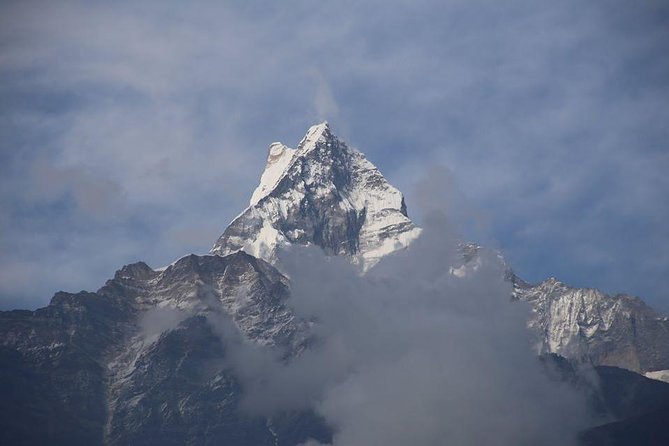
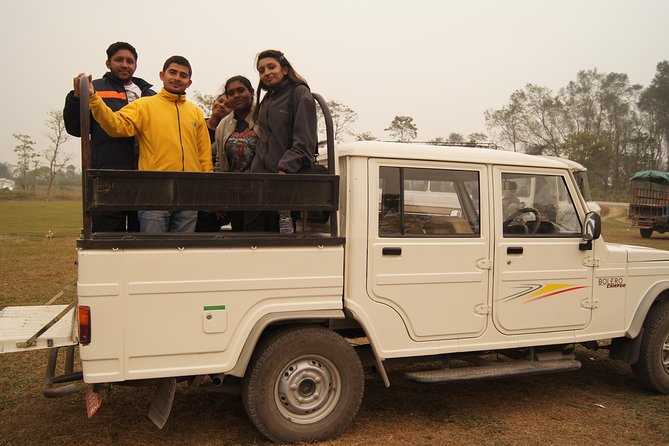
This is your action-heavy Chitwan day. After breakfast, you do canoeing (listed as cannoning) and a jungle walking session. After lunch, the plan shifts to a Jeep safari.
That sequencing is sensible. A morning on the water and on foot fits the “start early, then explore” logic. Then the jeep safari gives you a different viewing style after lunch.
The tour schedule indicates about 6 hours total for the activity block. So plan your energy accordingly. You’ll be outdoors, moving around, and dealing with the physical reality of a wildlife-focused region rather than museum comfort.
One more practical note: because this day depends on being out in nature, your experience will be affected by weather. You don’t get a weather-proof, indoor-only alternative in the provided program.
Day 5 Pokhara: the lakeside reset after Chitwan
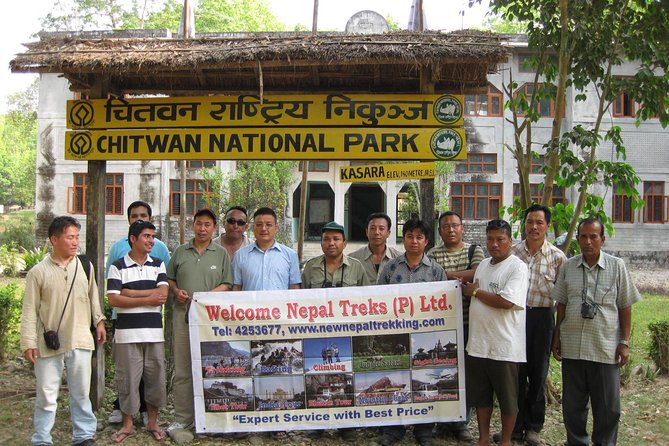
After breakfast, you drive from Chitwan to Pokhara, about 5 hours. Once you arrive, the evening is yours. The plan is simple: hang out near the lakeside in Pokhara.
This is exactly the kind of decompression time that makes a mixed trip work. After two days of temples and lowland nature activities, you get a softer pace. Lakeside evenings are where you tend to see the city’s personality: relaxed walks, casual conversation, and an easier rhythm that doesn’t demand your full attention.
If you like wandering on your own, this evening gives you that freedom without leaving you without guidance for the important parts of the day.
Day 6 Pokhara: Sarangkot sunrise plus Davis Falls, Gupteswor, Tibetan camp, World Peace Pagoda
This is the big “Pokhara highlights” day.
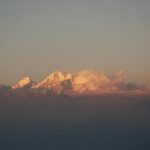
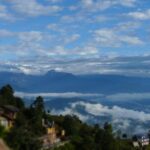
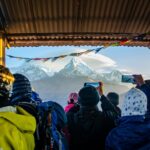
You get up early for a drive to Sarankot (spelled Sarankot in the plan) for Himalaya view and sunrise. Then you return for breakfast. After that, you’re sightseeing around Pokhara with stops including:
- Davis Falls
- Gupteswor Cave
- Tibetan Camp
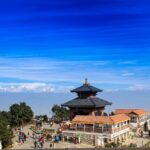
- World Peace Pagoda
What I like about this day is the balance. You get high-impact views early, then you switch to attractions that are more about places and stories than just scenery. That helps if sunrise clouds are annoying—your day doesn’t collapse into one single moment.
A practical consideration: sunrise days mean cold starts for many people, even when the later day feels warm. Since the plan explicitly includes an early drive and sunrise viewing, pack for being outside early and moving up and down viewpoint areas.
Day 7 drive back to Kathmandu: mountain views and a farewell Nepal dinner
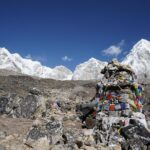
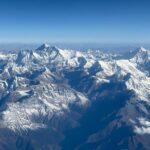
On day 7, you head back to Kathmandu by road, about 6 hours. The plan notes that on the way you can enjoy Himalayas nature, which usually means you’ll have some viewing windows from the bus/vehicle, even if the exact look depends on weather and road conditions.
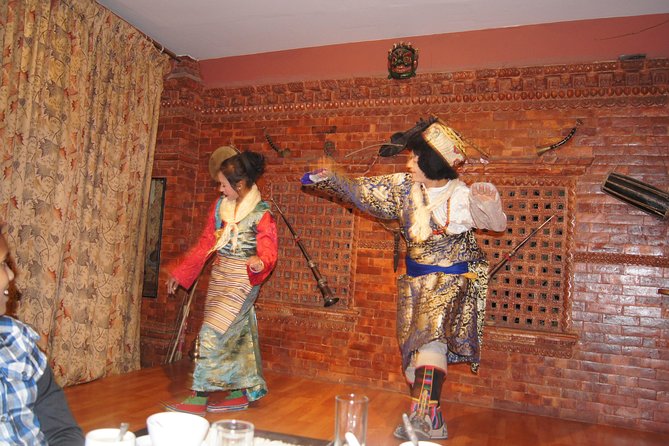
In the evening, you get a farewell dinner with Nepal cuisine and dancing. The included “traditional Nepali dinner with culture program” also points to this kind of evening event, and these are usually the moment when the trip feels real: you share one last meal, you see performance as part of culture rather than a generic show, and you get to cap the experience on your own timeline.
After a long drive, it’s the right kind of program—good energy, not too complicated.
Day 8: free Kathmandu time and a private vehicle to the airport
After breakfast, you have free time for your own activities. Then you check out and depart to the airport by private vehicle.
This day is short and flexible, which is perfect when you’re not sure what you’ll want to revisit. Maybe you want a last stroll, a quick photo walk, or time to buy a small souvenir without feeling rushed.
Just keep your timing realistic. Free time sounds easy until you’re negotiating traffic and wondering where that last open shop is.
Guides, communication, and the small-group feel that keeps stress low
The most praised parts of this trip type are the human ones: clear guiding and smooth handling.
In the feedback you provided, Nawa is mentioned for looking after needs and being informative during the Kathmandu and overall trip experience. Hari is also repeatedly credited for arrangements, communication, transportation, and guidance that made people feel comfortable.
That matters because Nepal travel runs on relationships. When a guide communicates well, you spend less time lost, asking repeated questions, and second-guessing the plan. When the vehicle is handled well, the long drives feel less punishing.
This package also limits group size to a maximum of 15 travelers. In practical terms, that usually means you get a little more attention and fewer “everyone follow the leader” moments.
Who should book this Nepal combo (and who should rethink)
This tour is a strong fit if you:
- Want one organized circuit across the big three regions: Kathmandu heritage, Pokhara views and lakeside downtime, Chitwan nature and culture.
- Like having a plan that includes major sights plus free time that doesn’t eat your whole day.
- Prefer included transport and entrance fees rather than building everything yourself.
You might want to reconsider if you:
- Don’t want long road days. With drives of roughly 4–5 hours, 5 hours, and 6 hours, the trip is efficient, but it’s still a lot of time in transit.
- Need a trip that is fully relaxed with no early starts. Sarangkot sunrise requires you to get up early.
- Travel with pets. The tour is listed as not suitable for pets.
Also, it’s a good idea to confirm what “hotel on double/twin sharing basis” means for your group. If you’re traveling as a solo, you may want to ask how they handle rooming, since the data only specifies double/twin sharing for accommodation.
Should you book this 8-day special Nepal tour?
If you want a well-organized introduction to Nepal that covers major sacred Kathmandu sites, Pokhara’s sunrise and classic attractions, and Chitwan’s park-style activities with Tharu culture, this package is a solid choice. The included guide time in Kathmandu, the air-conditioned transport, and the fact that Chitwan meals are handled for you are the kind of “boring but valuable” details that make the trip smoother.
Book it if you’re comfortable with early mornings and long drives. Pass on it if you’re chasing a slow pace or you hate being outdoors for activity blocks.
My practical recommendation: if you book, ask your operator which guide you’ll have for Kathmandu (names like Nawa and Hari come up in the feedback you shared) and set your expectations around early starts and road time. Do that, and you’ll get a trip that hits the highlights without you doing all the work.
FAQ
Where does the tour start?
The tour starts at Tribhuvan International Airport, Ring Rd, Kathmandu 44600, Nepal.
Where does the tour end?
It ends back at the same meeting point.
How long is the tour?
It lasts 8 days (approximately).
What’s included in the price?
The package includes hotel accommodation on a double/twin sharing basis, air-conditioned vehicle transportation, sightseeing entrance fees as per the program, a Kathmandu city tour with a guide, a traditional Nepali dinner with culture program, Chitwan full-board meals (breakfast, lunch, dinner), and all taxes/VAT/service charges.
Are entrance fees included?
Yes, all sightseeing entrance fees according to the program are included.
What meals are included in Chitwan?
Chitwan includes full-board meals: breakfast, lunch, and dinner.
Are lunches and dinners included throughout the whole trip?
Lunch (2) and dinner (2) are included, but any other meals, snacks, and mineral water are not included unless mentioned.
Is tipping included?
Tipping is not included, though it’s expected by guides and the driver; it’s described as not mandatory.
What’s the group size limit, and is it suitable for pets?
The tour has a maximum of 15 travelers, and it’s not suitable for pets.