REVIEW · KATHMANDU
Kathmandu: Mt Everest Scenic Flight by plane (window seat)
Book on GetYourGuide →Operated by Kathmandu City Tours · Bookable on GetYourGuide
Seeing Everest without trekking is a rare kind of luck. This Kathmandu Mt Everest scenic flight turns the big-name Himalayan peaks into something you can actually fit into a short Nepal visit, with a guaranteed window seat and serious photo time. I especially like how straightforward it is for sightseers who do not want the grind of hiking, and how the flight feels purpose-built for views, including onboard mountain identification. One possible drawback: early-morning weather can change what you see, and it is not a good fit if you have real anxiety about being up in the air.
I like the practical flow here: hotel pickup in central Thamel, a quick ride to Tribhuvan International Airport, then a small aircraft hop over the eastern Himalayas before you are back in Kathmandu again. Flights operate every morning weather permitting, and you can usually plan around a departure window from 6:00 AM to 8:30 AM, with warm layers ready for the chill at altitude. If you are hoping for the clearest possible view, you will want to prioritize the morning sky and remember the guidance about where to sit.
In This Review
- Key Things I’d Mark on My Map
- Everest From Your Seat: Why This Beats the Trek for Many People
- From Thamel To the Airport: The Part You’ll Actually Care About
- The Main Event: Soaring Over Everest and the Eastern Himalayas
- Your Window-Seat Advantage: How to Get Better Views and Photos
- The Extras That Make It Feel Like More Than a Ride
- Weather, Heights, and Small-Plane Reality Checks
- Price and Value: Is $295 Worth It
- Who This Trip Fits Best (And Who Should Skip It)
- The Booking Decision: Should You Do It?
- FAQ
- How long is the total experience?
- Are window seats guaranteed?
- What time do the flights usually depart?
- Which peaks can you see during the flight?
- Is trekking required to see Mount Everest?
- What should I bring and what is not allowed?
Key Things I’d Mark on My Map
- Guaranteed window seat: each passenger gets the best chance at unobstructed views.
- 50–60 minute Himalayan flight: most of your time is focused on the sky, not long waiting.
- Multiple peak sightings: you may see Everest (Sagarmatha), Lhotse, Makalu, Cho Oyu, and more.
- Better photo odds in the morning: clear morning skies are the sweet spot, especially Sep–May.
- Souvenir plus optional rare access: you get a flight certificate, and some flights may allow a cockpit visit.
- Best viewing side note: sit on the left side of the plane for the best views.
Everest From Your Seat: Why This Beats the Trek for Many People
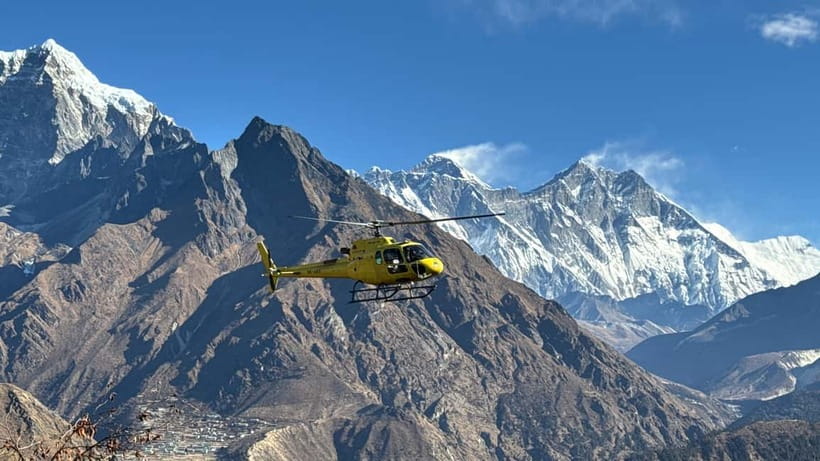
If you only have a few days in Kathmandu, this flight is one of the fastest ways to feel the scale of the Himalayas. The idea is simple: trade days of trekking for one morning of sky-level views, with Mount Everest showing up during the flight segment rather than after a long hike. For a first-time visitor, it is also a great way to understand where the biggest peaks sit relative to each other.
I like that the experience is designed for sightseers, not adventure athletes. You are not managing a porter, a teahouse schedule, or altitude acclimatization. What you get instead is a focused, timed outing that concentrates on the main payoff: seeing Everest and neighboring giants from above.
That said, this is still an airplane experience. If you have a strong fear of heights or turbulence, you might find this difficult even if the flight is short. Also, the Himalayas are weather-dependent, so the promise is “weather permitting,” and visibility can vary.
You can also read our reviews of more tours and experiences in Kathmandu.
From Thamel To the Airport: The Part You’ll Actually Care About
The day starts with convenient hotel pickup in Kathmandu, specifically around Thamel Narsing Chowk and Thamel Marg. The airport transfer is about 15 minutes to Tribhuvan International Airport, which matters because it keeps your schedule tight and predictable.
Once you arrive, you will board a small aircraft operated by airlines such as Buddha Air, Yeti Airlines, or Shree Airlines (operator can vary by day and routing). The overall activity length is listed at 3 hours, so it is built for people who do not want half a day swallowed up.
A small practical note: the morning departure window runs from 6:00 AM to 8:30 AM, and flights operate every morning weather permitting. That means you should plan to be flexible and ready to leave early, especially if you want the clearest sky conditions.
The Main Event: Soaring Over Everest and the Eastern Himalayas
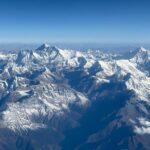
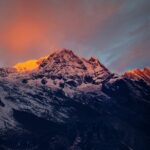
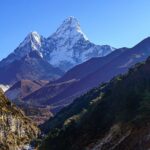
The flight segment is typically 50–60 minutes, and that is where the magic lives. After takeoff, you fly over the eastern Himalayan chain, with Mount Everest (Sagarmatha) included in the sightseeing portion. You can also expect views of other major peaks such as Lhotse, Makalu, and Cho Oyu, along with Langtang Lirung and Gauri Shankar, depending on conditions and routing.
Onboard, many flights provide a map of the Himalayas so you can place each peak in your mind rather than just guessing shapes through the window. That is a surprisingly big deal when you are looking from a moving plane, because it helps you translate what you are seeing into names and distances.
During the sightseeing portion, you are often thinking in two modes: tracking where Everest should appear and grabbing photos before the light changes. Clear morning skies are the reason this works so well for photography, because the snow can look bright against the darker air around it.
One more reason this feels special: the flight certificate. It turns a quick flight into something you can keep, rather than just a blur of views.
Your Window-Seat Advantage: How to Get Better Views and Photos
The best part of choosing this tour is the window seat guarantee. You do not have to hope for a luck-of-the-draw seat assignment when the plane fills up. With a window secured, you can aim your camera calmly instead of constantly shifting for a view.
Here is the practical tip I would treat as non-negotiable: the guidance is to sit on the left side of the plane for best views. If you are booking and seat options are discussed, pick that side. If you cannot, do not panic, but know you may get slightly different sightlines to the main targets.
For photos, morning matters. The experience is built around clear morning skies and the kind of light that makes snow look crisp. If you have ever tried to photograph mountains from ground level, you know haze can ruin sharpness; this flight replaces that with a clearer line of sight.
What to bring for comfort and camera performance:
- Warm clothing (it can be chilly up high even when Kathmandu feels mild)
- A camera and extra battery
- Your passport, or a copy accepted (bring it just in case)
The Extras That Make It Feel Like More Than a Ride
This isn’t only about looking out the window. It’s also about the small perks that turn the flight into an experience with a clear ending.
First, there is the possibility of visiting the cockpit for a pilot’s-eye view. This is listed as an opportunity included in the experience, though it can depend on what the flight crew allows that day. Either way, it is a rare add-on for most travelers, and it usually creates that kind of memory you cannot get from photos alone.
Second, you get a flight certificate as a souvenir. That matters more than it sounds. Many tours give you nothing but a story. This gives you a tangible reminder tied to the flight you took.
Finally, there is a human layer in how it runs. The feedback I found repeatedly emphasizes smooth handling and friendly staff, including helpful check-in support and professional communication. That is not guaranteed on every short tour, so it is worth paying attention to.
Weather, Heights, and Small-Plane Reality Checks
This is where you should be realistic. Flights operate every morning weather permitting, and mountain visibility can change quickly. If you catch a clearer morning, the peaks can look close enough to count ridgelines. If the weather is less cooperative, you may still see major peaks, but views can soften.
Second, consider the “not suitable for people afraid of heights” note. Even if the flight is not long, you are still in the air with dramatic drop-offs below you. If you get panic in small enclosed spaces or while looking down, take that seriously.
Third, expect small-aircraft comfort to be different from big airlines. The duration is short, and that helps. Still, you are on a smaller plane for the sightseeing portion, so plan for closer quarters and the basic reality of flying in that class of aircraft.
Price and Value: Is $295 Worth It
At $295 per person for a 3-hour experience, it is not a budget activity. But the value comes from what you are buying: time savings, guaranteed viewing, and major peak sightlines without trekking.
If you compare this to the cost and time of trekking logistics—permits, guides, several days away, and the physical commitment—this flight can look like a bargain for the right traveler. Even if you never plan to hike Everest, this offers a “first contact” perspective on the Himalayan giants that makes future trips feel more grounded.
You also get included basics that reduce friction:
- Hotel pickup and airport drop-off (and the return transfer)
- Scenic flight over the Himalayas
- Window seat for each passenger
- Flight certificate souvenir
- English-speaking host or greeter
Notably, personal expenses are not included, but the core experience is. For many people, the peace of mind and short schedule are what they are paying for.
Who This Trip Fits Best (And Who Should Skip It)
This scenic flight is a strong match if you:
- Have limited time in Kathmandu
- Want to see Everest and other peaks without trekking
- Care about photography and want a guaranteed window seat
- Prefer a short morning plan with a clear start and end
It is also a good choice if you are traveling as a couple or solo and want a single highlight that does not require days of preparation.
It may not be the right match if you:
- Are strongly afraid of heights
- Need very flexible timing beyond weather permitting
- Want a “slow travel” day with lots of stops (this is focused and fast)
If you have mobility needs, the experience lists wheelchair accessibility. If you want to confirm details for your specific situation, it is smart to ask in advance, since aircraft access can vary by operator.
The Booking Decision: Should You Do It?
If you want the Everest view and you do not want to hike for it, I would book this—especially if you are traveling between September and May, when conditions are often best for clear skies. Prioritize mornings, wear warm layers, and try to request the left side for the best viewing angle.
Skip it only if heights are a serious issue for you, or if your trip is so time-constrained that an early departure (6:00 AM to 8:30 AM) would feel impossible. For everyone else, this is one of the simplest ways to check Everest off your mental list with a real view, not just a postcard.
FAQ
How long is the total experience?
The overall experience runs about 3 hours, with a Himalayan flight segment that is typically around 50–60 minutes.
Are window seats guaranteed?
Yes. Each passenger is guaranteed a window seat for the best possible view.
What time do the flights usually depart?
Flights depart between 6:00 AM and 8:30 AM, and they operate every morning weather permitting.
Which peaks can you see during the flight?
You may see Mount Everest (Sagarmatha) and other major peaks such as Lhotse, Makalu, Cho Oyu, Langtang Lirung, and Gauri Shankar, depending on conditions and routing.
Is trekking required to see Mount Everest?
No trekking is required. This is a scenic flight that provides views during the flight.
What should I bring and what is not allowed?
Bring warm clothing and a camera, and have your passport (a copy is accepted). Alcohol and drugs are not allowed.