REVIEW · KATHMANDU
Mohare Danda Trek
Book on Viator →Operated by Trekking Trail Nepal · Bookable on Viator
Mohare Danda turns a short trek into a big-deal experience. You get sunrise views from about 3,313 meters, plus a community lodge circuit through Magar villages tied to education and women’s empowerment. Two things I especially like: the trek feels built for comfort and safety (with an oxygen monitor and first-aid kit), and the program is designed so your money supports local priorities.
One thing to consider: the route is described as easy and short, but you’ll still walk daily and may face stone stairs and uneven paths—tell the operator ahead of time if you have joint issues so they can suggest an easier option.
In This Review
- Key Things I’d Put on Your Radar
- Why Mohare Danda Is More Than a Viewpoint Trek
- Price and What You Really Get for $799
- Kathmandu Start: Thamel as Your First Nepal Reset
- Pokhara Ride and Beni Bazaar: The Long Roads Before the Trails
- Ramche and Nagi Village: A Culture-First Trek Day
- Reaching Mohare Danda: The Sunrise Day at 3,313m
- Tikot and Magar Settlements: Viewpoints Like Thula Kharka
- Basari Finale: Last Trek Day and the End of the Trail Loop
- Guides, Safety, and Why the Team Matters
- Community Lodges, Village Meals, and the Real Meaning of “Impact”
- How Challenging Is It, Really? (Stone Stairs and Joint Issues)
- What to Pack When They Hand You a Down Jacket
- Is This the Right Trek for You?
- Should You Book Mohare Danda Trek?
- FAQ
- How long is the Mohare Danda Trek?
- What is the highest elevation on this trek?
- What does the $799 price include?
- Are meals included during the trek?
- Is pickup offered from Kathmandu?
- What’s the maximum group size?
- What should I do if I have joint problems or trouble with stone stairs?
Key Things I’d Put on Your Radar
- Community lodge circuit: You’re not just passing through—you’re supporting a community-run trekking model.
- High-impact viewpoint day: A sunrise-focus day at about 3,313m is the visual payoff.
- Big-view claims (weather permitting): up to 42 peaks can be visible, including Annapurna, Dhaulagiri, and Manaslu.
- Support-heavy inclusions: permits, guide + porters, and even a down jacket and sleeping bag for Mohare Danda.
- Small group size: capped at 11 travelers, which usually means less chaos on narrow trails.
Why Mohare Danda Is More Than a Viewpoint Trek
This trek is marketed as an easy, short circuit around Mohare Danda—and that matters. When you don’t have weeks to spend in the mountains, you want payoff without overreaching your fitness. Here, the plan is tight: you get a handful of trekking days, plus travel days that position you well in the Annapurna region.
The other big difference is the social mission. The program links trekking to education, economy, and women empowerment, with community welfare and rural development as the stated goals. In plain terms: you’re paying for a guided hike, but also for local systems that benefit from tourism income.
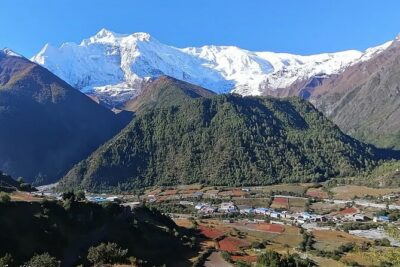
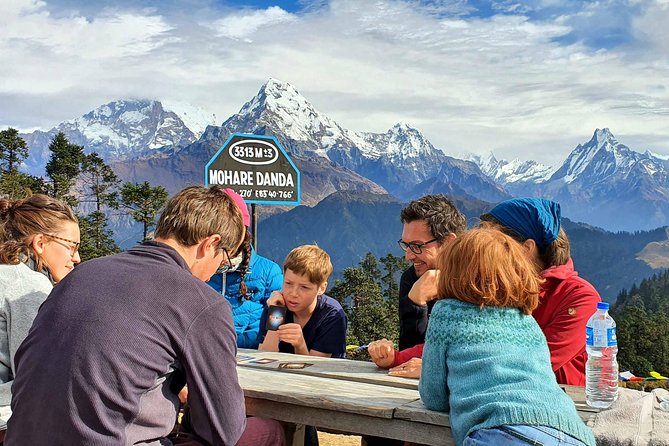
And yes, the views are the headline. The description highlights the chance to see up to 42 peaks, including three major 8000-meter giants: Annapurna, Dhaulagiri, and Manaslu. That’s the kind of sky map you daydream about—just remember mountain weather decides what you actually see.
You can also read our reviews of more hiking tours in Kathmandu
Price and What You Really Get for $799
At $799 per person for about 10 days, this isn’t a barebones budget trek. It’s priced like a supported program. Here’s what that buys you from the included items:
- Guide and porters: wages, insurance, and gear are included.
- Permits and documentation: all required permits are covered.
- Mountain safety kit: first-aid medical kit plus an oxygen monitor are included.
- Cold-weather comfort for Mohare Danda: you receive a sleeping bag and down jacket for the highest-elevation area.
- Meals: breakfasts (9), lunches (6), and dinners (5) are included.
- Transport: all ground transportation is included as the best available option.
- Extras that add up: a map is provided, you get a duffle bag, and you’ll have a short stop at Baglung High Bridge (with entry fees).
- A completion certificate: a certification of achievement after finishing the trek.
So the value question isn’t just the dollar amount. It’s whether you want to outsource logistics: permits, meals, and key gear support. If you show up ready to walk and let the team handle the mountain math, this package makes a lot of sense for a first serious trek in Nepal.
Not included are the usual personal expenses: tips, drinking water, snacks, bar bills, and personal items. If you’re trying to keep costs tight, budget for water and small extras even on “included meal” treks.
Kathmandu Start: Thamel as Your First Nepal Reset
Your trek begins in Kathmandu, with the standard pattern: arrive at Tribhuvan International Airport, clear immigration, and meet the tour representative. This is where you get your bearings and your first real check-in with the team.
If you’re staying in Thamel, you’ll likely find everything you need within walking distance: gear shops, pharmacies, and lots of small cafés. Even if you don’t shop much, Thamel is handy for last-minute errands and simple comfort before the mountain days.
The important practical point: day one is about setup, not exertion. You’re building momentum for the long overland moves ahead.
Pokhara Ride and Beni Bazaar: The Long Roads Before the Trails
After breakfast, you take a drive west toward Pokhara. The road trip is listed as roughly 200 km and about 6–7 hours. That’s a real travel day, so plan to treat it like transit energy management, not vacation sightseeing.
Then comes the move toward the trek start area, with Beni Bazaar as the trekking launch point. From the structure of the plan, you’re looking at another road segment before the first trek step: the trek begins on day three after reaching Beni.
Why this matters: these overland days help you avoid extra altitude gain from Kathmandu to the mountains. You’ll still acclimatize through slow pacing during trekking, but the transport routes reduce the chance of feeling overwhelmed right away.
Ramche and Nagi Village: A Culture-First Trek Day
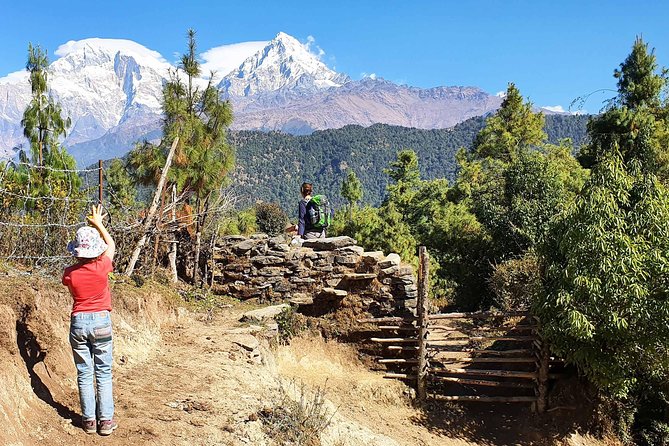
Once you’re actually on the trail, day four focuses on nature and culture. You walk toward Nagi Village with Ramche as the named stop.
This is one of the better “training days” in a short trek. You’re not rushing straight to the highest point. Instead, you build rhythm while absorbing village life. The circuit style also means you’re more likely to notice the details: fields, footpaths, and daily routines rather than just following the fastest line to the next viewpoint.
The description calls out a peaceful trail element and a strong village atmosphere tied to local traditions, including Poon Magar culture. Even if you don’t go deep into the ethnography on the trail, you’ll feel the difference between a viewpoint-only hike and a community-route trek.
Reaching Mohare Danda: The Sunrise Day at 3,313m
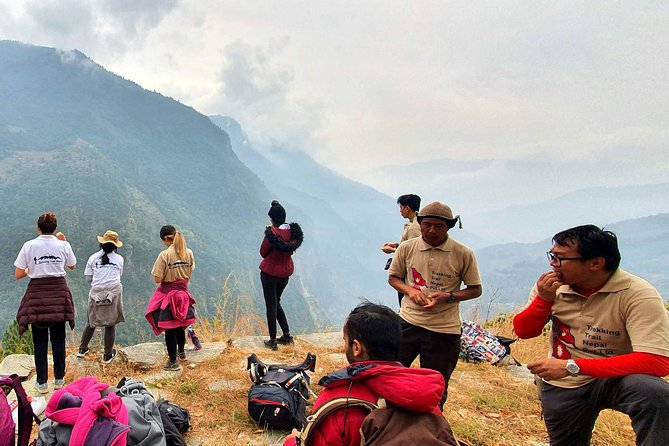
By day five and into day six, the trek shifts into the payoff phase. You trek toward Mohare Danda starting after breakfast from Nagi.
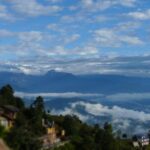
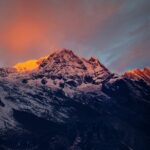
Day six is explicitly the big moment: you reach Mohare Danda at about 3,313 meters, and you’re set up to enjoy a beautiful sunrise and Himalayan views. If you’ve never done a sunrise trek before, it helps to know what this kind of day really means: you’ll wake early, keep warm, and move while the air is still calm. When it works, the light makes mountain edges crisp, and photos become much easier.
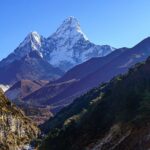
The view potential is part of the appeal. The program notes that up to 42 peaks may be visible, including Annapurna, Dhaulagiri, and Manaslu. In real life, cloud cover can steal the show. But even when visibility isn’t perfect, you usually get a rewarding mix of valley detail and ridge lines.
One practical win here: you’re provided key cold-weather support for this highest area, including a down jacket and sleeping bag. That can make a major difference in comfort and decision-making. You’re less likely to feel forced into a last-minute shopping frenzy.
Tikot and Magar Settlements: Viewpoints Like Thula Kharka
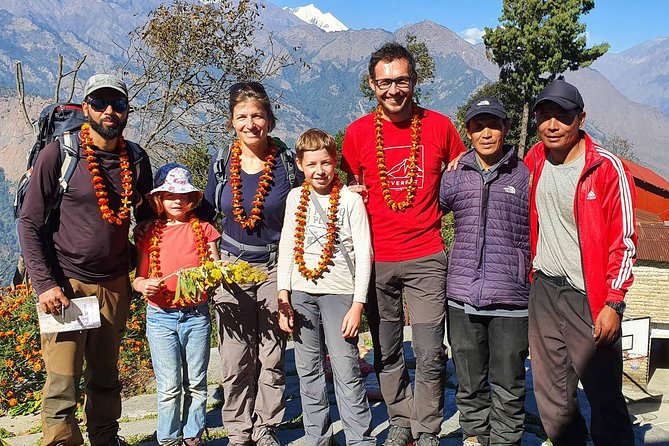
On day seven, the walk continues toward Tikot village, described as a beautiful ethnic Magar settlement. You’ll pass viewpoints named Thula Kharka and Sikha Danda along the way.
This is a day that often suits travelers who want more than scenery—they want people, routines, and a chance to watch village life at walking pace. The program’s mission is tied to community welfare, and Tikot is the kind of village stop where that shows up most clearly.
Even if you’re only there briefly, you’ll likely notice how trekking income supports everyday needs. On this kind of community circuit, you don’t just buy a ticket and disappear. You’re part of the flow that keeps small systems functioning.
Basari Finale: Last Trek Day and the End of the Trail Loop
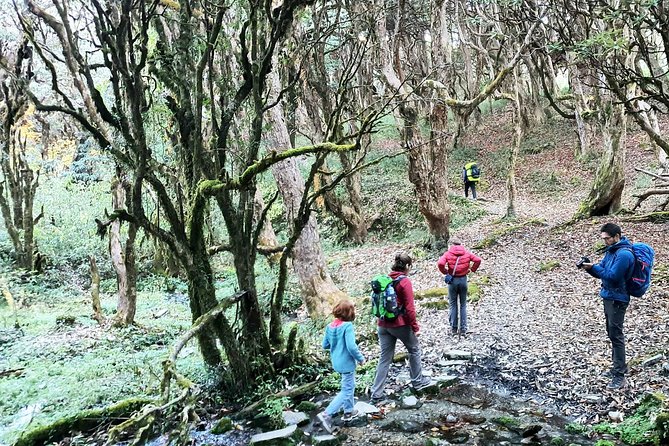
Day eight brings you toward Basari, described as the last trekking segment on the circuit. Day eight is the final push on the mountain walking side.
If you want an easy-to-manage finale, this is where that “short trek” design shows. You’re not facing a long grind to reach the end. Instead, you close out the trek and transition into the return plan.
Day nine is the overland move back to Kathmandu via Pokhara, with about 7 hours of driving listed. Day ten finishes with a transfer to Tribhuvan International Airport for your final departure.
The road days can feel long, but they’re part of the structure that keeps the trek itself from dragging on.
Guides, Safety, and Why the Team Matters
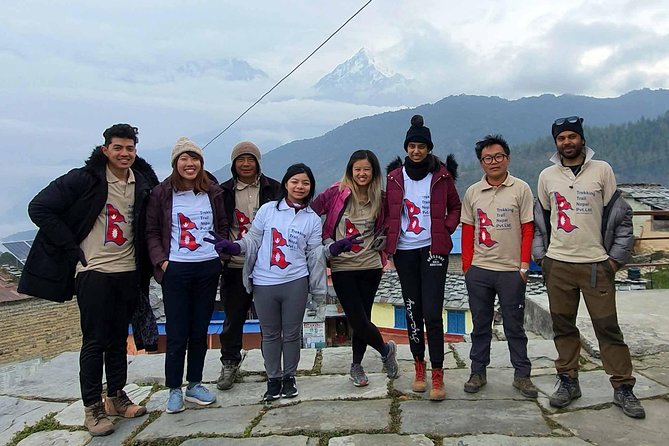
This trekking style runs on people. You’re on a small group trek (maximum 11 travelers) and guided by a team: a Mohare Danda trekking guide and porters, with wages, insurance, and gear included.
In feedback from Mohare Danda programs, guides named Apar and Lokendra show up as recurring strengths, with support from team members including Ashishm and Joyendra. What stood out in the shared tone: guides were professional, patient, and helpful—exactly what you want when weather shifts or when the day includes tricky steps.
Safety is also built into the inclusions. You’ll travel with a first aid medical kit and an oxygen monitor. That doesn’t mean you ignore common sense—drink water you’re able to carry, move carefully on stones, and dress for cold mornings. But it does mean the program isn’t improvising on mountain basics.
There’s also a practical coaching angle. The program materials and the way it’s described emphasize guidance on mountain behavior and safety habits. On a short trek, that kind of coaching can prevent small mistakes from turning into big problems.
Community Lodges, Village Meals, and the Real Meaning of “Impact”
One reason this trek gets attention is that it’s tied to community lodge trekking. That means your overnight stays and day-to-day flow can directly support local operations, not just an external lodge chain.
The mission statement is straightforward: the trek is linked to education, economy, women empowerment, and rural development. When a program is explicit about where the money goes, it’s easier to feel good about your decision.
You’ll also get village-style contact. In feedback that specifically mentions Mohare Danda community trekking, people highlighted interactions with local villagers and local hospitality, including delicious cuisine. Even when you’re tired from walking, that’s usually the part that makes the trek stick in your memory: not just views, but conversations, meals, and small moments.
If you care about responsible travel, this is the kind of trek that aligns with that priority. You’re not just photographing a mountain—you’re supporting a community route.
How Challenging Is It, Really? (Stone Stairs and Joint Issues)
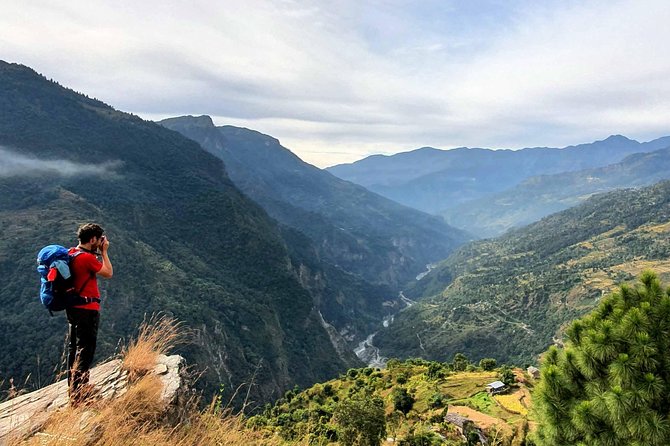
The trek is described as new, easy, short, and a peaceful circuit. That’s encouraging. But “easy” in Nepal still means you’ll walk uphill and downhill, and trails can include uneven sections and stone stairs.
If you have joint issues or struggle with downhill stairs, there’s a specific note: let them know ahead of time. The operator states they’ll assist you with a better and easier route for Mohare Danda trekking. That’s the right mindset: communicate early so the plan can adapt.
My advice: if you’re fit enough for daily walking but not for rough stone descents, don’t tough it out in silence. Ask for route adjustments early, and focus on steady pacing. On a short trek, small adaptations keep you enjoying the mountain instead of paying for it later.
What to Pack When They Hand You a Down Jacket
Because key gear is included for Mohare Danda (sleeping bag and down jacket), your packing list can be simpler than for fully self-supported trekking.
Still, pack for comfort and basics:
- Layers for cold mornings (even with a down jacket provided, temperatures can vary)
- Good trekking footwear with grip for stone and dirt
- A daypack for water and personal items
- Sunglasses and sun protection for daylight ridge time
- Any personal meds you rely on
Drinking water isn’t listed as included, so plan for water management as a personal expense. The included meals help a lot—when breakfast, lunch, and dinner are handled, you can focus your mental energy on walking and acclimatizing.
Also, expect photo opportunities during viewpoints and sunrise time. The plan highlights time for Himalayan views and photo chances, which is exactly when you want to be dressed and ready.
Is This the Right Trek for You?
Mohare Danda is a smart choice if you want a short, guided Nepal trek with strong scenery payoff and a community-centered mission. It’s especially appealing if you:
- want sunrise at a high viewpoint without a long expedition
- prefer a small group setup (max 11)
- like the idea of your trek spending supporting education and women empowerment
- appreciate having permits, meals, and cold-weather gear support handled
It may be less ideal if you want total flexibility to roam independently, or if you’re hoping for a trek that’s purely flat and painless. Even on an easy circuit, walking days add up.
If you’re trying to decide, go with the version that fits your goal: scenic impact plus community value, delivered on a manageable schedule.
Should You Book Mohare Danda Trek?
I’d book it if your priorities are big Himalayan views, a community lodge route, and a supported small-group format where you’re not guessing about logistics. The inclusions are strong for the price: permits, guide + porter support, meals, and cold-weather gear at the highest elevation.
If you have joint limitations, this trek can still work—but only if you tell the team early so they can adjust the route. And if you’re chasing clear-sky 42-peak fantasies, keep expectations flexible. The program requires good weather, and mountains will do what mountains do.
FAQ
How long is the Mohare Danda Trek?
The Mohare Danda Trek is listed as 10 days (approx.). Trekking days are spread across the middle of the trip, with road travel days at the start and end.
What is the highest elevation on this trek?
The highest elevation is listed as 3,313 meters at Mohare Danda.
What does the $799 price include?
The price includes the trekking guide and porters (wages, insurance, and gear), all required permits and documentation, a first aid medical kit and oxygen monitor, and a sleeping bag and down jacket for Mohare Danda. It also includes ground transportation, a map, duffle bag, and meals (9 breakfasts, 6 lunches, 5 dinners).
Are meals included during the trek?
Yes. Meals included are 9 breakfasts, 6 lunches, and 5 dinners, with Kathmandu/Pokhara meals not included.
Is pickup offered from Kathmandu?
Yes. The experience includes pickup offered as a tour feature.
What’s the maximum group size?
This tour/activity has a maximum of 11 travelers.
What should I do if I have joint problems or trouble with stone stairs?
Let them know ahead of time. The operator says they will assist you with a better and easier route for the trek if you have joint problems or difficulty hiking down stone stairs.