REVIEW · KATHMANDU
Bhaktapur: Experience the Art of Clay, Curd, and Chant
Book on GetYourGuide →Operated by Maya Trips · Bookable on GetYourGuide
Bhaktapur gives you clay in your hands. This half-day outing mixes a hands-on pottery class, a tasting of jujudhau (king curd), and a guided walk through the UNESCO-listed core of Bhaktapur. I like that it pairs art with food, not just sightseeing, and I also like the way the whole flow is planned so you’re not stuck figuring out what to do next.
The main thing to consider: the bhajan part only happens on evening time slots, so if you want that temple music, pick the right departure window.
You start with a drive from Kathmandu, then spend real time with local artisans at Pottery Square. After shaping clay and tasting sweet, creamy curd, you’ll move through Bhaktapur Durbar Square with a guide who keeps the stops clear and meaningful.
In This Review
- Key highlights worth your afternoon
- Pottery Square in Bhaktapur: shaping clay the traditional way
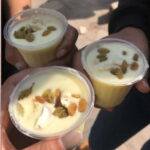
- Jujudhau tasting: the king curd in a clay bowl
- Walking Bhaktapur Durbar Square with a guide (UNESCO, but human)
- Evening bhajan at a local temple: folk music you can feel
- How the 4.5 hours work in real life (and why pace matters)
- Price and value: what you get for $86 per person
- Who this tour is best for (and who might not love it)
- Tour team note: smooth coordination you can count on
- Should you book this Bhaktapur art-and-food afternoon?
- FAQ
- How long is the Bhaktapur clay, curd, and chant experience?
- What is included in the tour price?
- Where does the tour start?
- Is the bhajan always included?
- How long is the pottery-making workshop?
- How much does it cost?
- What languages are available for the live guide?
- Is there free cancellation?
Key highlights worth your afternoon
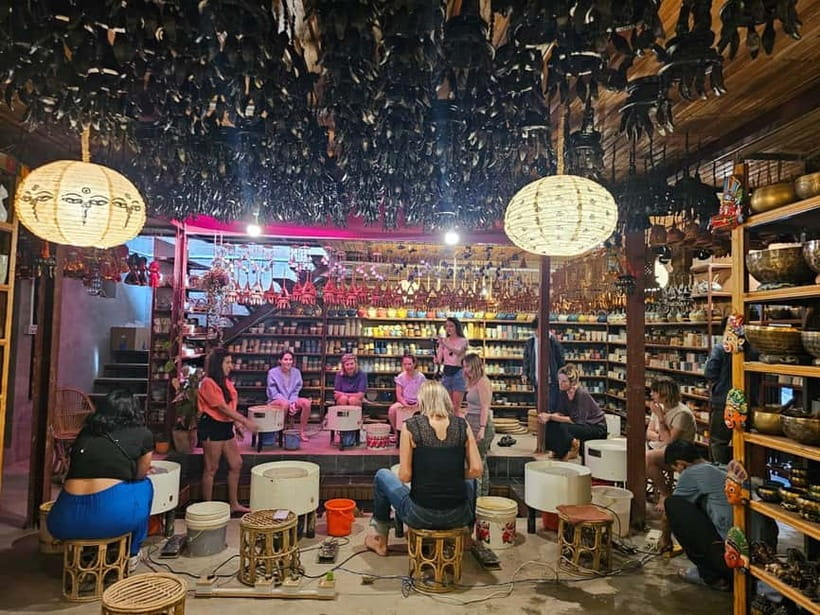
- Pottery-making workshop with hands-on instruction, guided by local artisans at Pottery Square
- Jujudhau tasting of Bhaktapur’s iconic king curd served in a traditional clay bowl
- Bhaktapur Durbar Square walk with a guide through UNESCO World Heritage Sites
- Photo stops plus practical context so you know what you’re looking at and why it matters
- Evening bhajan at a local temple with folk music and local devotees (evening slots only)
Pottery Square in Bhaktapur: shaping clay the traditional way
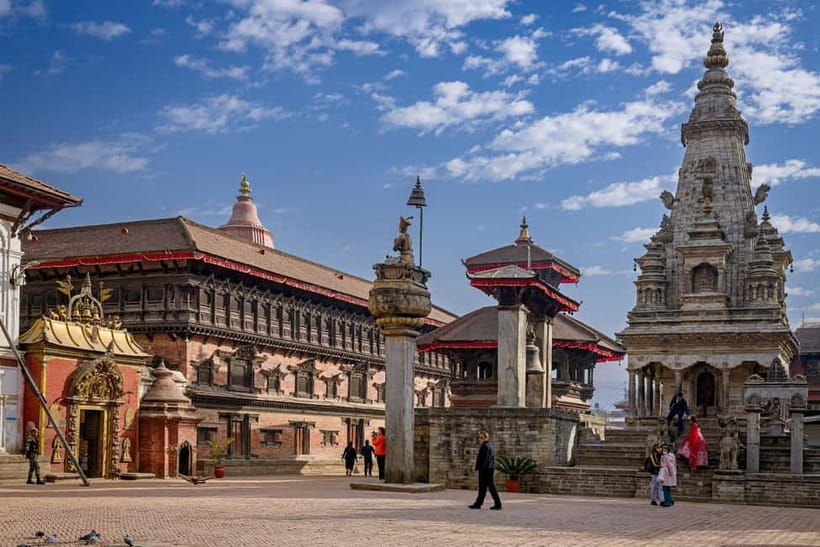
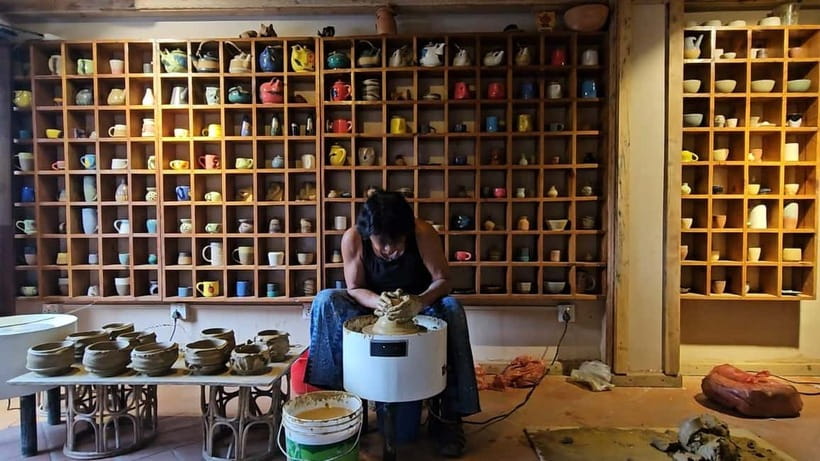
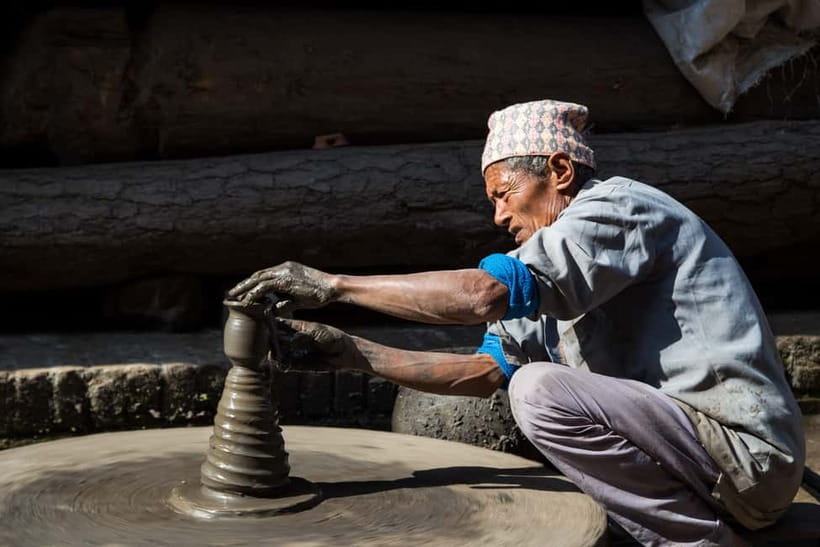
Your day starts with a Kathmandu pickup and a private ride into Bhaktapur, which helps a lot because you can just focus on the experience. Once you’re in town, the heart of the tour moves to Pottery Square, where you’ll join a guided pottery-making workshop.
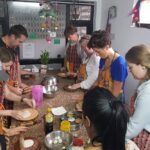
This isn’t the kind of pottery stop where you watch someone else work. You’ll actually handle the clay and learn techniques from local artisans. Even if you’re not artistically inclined, the workshop format is set up so you can get your hands moving quickly. Expect a real pace shift here: the tour turns from walking and looking into doing and feeling.
Why I think this matters: in Bhaktapur, craft is not separate from daily life. When you shape clay yourself, you start noticing how the city’s makers think—how tools, patience, and small steps create something useful and beautiful. The workshop also gives you a good “anchor” for the rest of the afternoon. After you’ve made something, the temples and courtyards you pass later feel less like scenery and more like a living workshop culture.
You can also read our reviews of more tours and experiences in Kathmandu.


Jujudhau tasting: the king curd in a clay bowl
After the pottery session, you get one of Bhaktapur’s most famous tastes: jujudhau, also called king curd. The key detail is how it’s served. It comes in a traditional clay bowl, which changes the whole feel of the dish.
Clay bowls tend to hold temperature and change texture slightly as you eat. That means you’re not just tasting curd; you’re experiencing a small tradition about serving and enjoyment. It’s also the right kind of break after working with clay. Your hands are busy earlier, then your senses shift to sweet and creamy.
What I like about this stop is the balance. Bhaktapur is a visual place, but jujudhau gives you something immediate and personal. You can judge it right there—thickness, sweetness, and that iconic creamy finish—without needing to “figure it out” from a menu.
Walking Bhaktapur Durbar Square with a guide (UNESCO, but human)
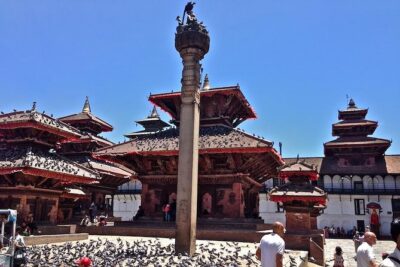
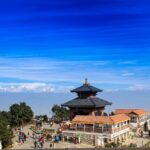
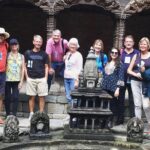
Next comes Bhaktapur Durbar Square, where you’ll do more than snap photos. You’ll have a guided walk through the UNESCO World Heritage Sites in the square, with time for sightseeing and photo stops.
This portion works best if you go in with one simple mindset: look slowly. Durbar Square can feel like a visual flood—carvings, towers, courtyards, and layered architecture. A guide helps you sort what you’re seeing into understandable chunks: what’s ceremonial, what’s architectural, and what’s part of the city’s old power centers.
You also get regional food tasting here, which is a smart add-on. It keeps the walk from turning into a pure photo-and-step routine. With food, you get a second layer of understanding: what the place tastes like, not just what it looks like.
Practical heads-up: Bhaktapur Durbar Square has uneven surfaces in parts, and you’ll be walking. You don’t need hiking shoes, but comfortable footwear is a good idea. Also, bring patience for photos—this tour builds in photo stops, so you won’t feel rushed.
Evening bhajan at a local temple: folk music you can feel
If you book an evening time slot, the tour ends with a temple visit and a bhajan (folk music) session with local devotees. This is the part that makes the day feel complete, because you go from hands-on craft and tasting to a shared moment of song and chant.
The bhajan setting is described as serene, with voices rising in rhythm. That kind of atmosphere changes how you remember the afternoon. After clay and curd, the music becomes the emotional finish line—quiet, reflective, and very local in tone.
One practical point: bhajan is only offered for evening time slots. So if your schedule is tight and you choose the wrong start time, you’ll miss the music. If you’re specifically coming to hear folk singing in a live temple setting, pick the evening option.
How the 4.5 hours work in real life (and why pace matters)
The total duration is about 4.5 hours, with pickup in Kathmandu, time in Bhaktapur, and return. That’s short enough to fit into a busy Kathmandu itinerary, but long enough to include four meaningful elements: guided Durbar Square time, a pottery workshop, a jujudhau tasting, and (if you choose evening) bhajan.
The workshop is set at about 1.5 hours, which is the main time block. That’s important because pottery needs actual hands-on minutes—less than that and you’d feel like you barely started. With 1.5 hours, you get a real chance to make progress, ask questions, and walk out with the sense that you did something, not just attended something.
Private transportation also matters more than it sounds. Bhaktapur is close enough to day-trip, but traffic and timing can still be unpredictable. With the private ride arranged, you’re less likely to lose time to navigation and haggling. It’s a quality-of-life upgrade for a short tour.


Price and value: what you get for $86 per person
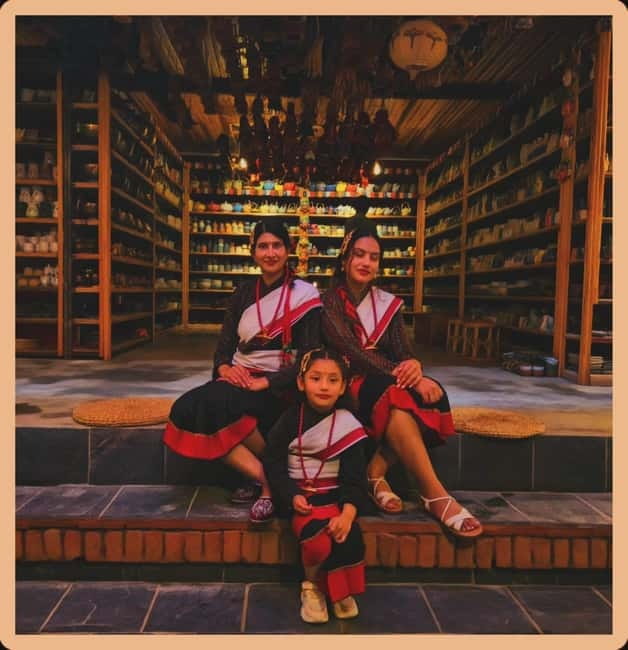
At $86 per person, this tour sits in a mid-range bracket for Kathmandu day experiences. The value comes from how many “real” components you get inside the 4.5 hours.
Here’s what you’re paying for, in plain terms:
- Private transportation between Kathmandu and Bhaktapur
- An English-speaking guide
- A guided pottery-making workshop (the main activity)
- Jujudhau tasting served in a traditional clay bowl
- A guided walk in Bhaktapur Durbar Square (UNESCO sites)
- A regional food tasting component
- Evening bhajan at a local temple for evening slots
When you add that up, it’s not just “a ticket to see stuff.” You’re paying for guided interpretation, a hands-on craft session, and structured food experiences. That’s usually where day trips earn their keep—if the tour helps you understand and participate, it’s worth more than a generic drive-and-look outing.
Also, one small but meaningful value point: the pottery workshop plus Durbar Square walk are both guided, so you get context during the moments that normally feel confusing for first-time visitors.
Who this tour is best for (and who might not love it)
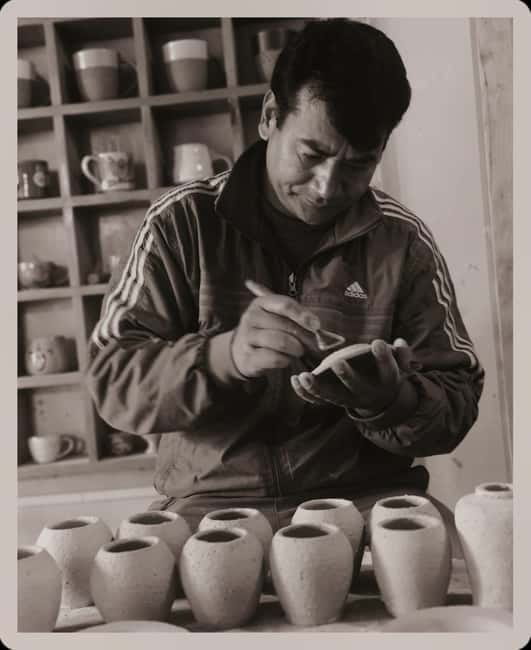
This is a great fit if you want a day that feels lived-in. You’ll enjoy it most if you like:
- Hands-on activities rather than passive viewing
- Food tastings as part of cultural learning
- Temple music and local atmosphere
- A guide-led walk that explains what you’re seeing
It might not be the best match if you’re the type who wants lots of free time to roam on your own, or if you dislike structured itineraries. This tour has a clear flow, with scheduled stops and a workshop block that’s not optional.
If you’re traveling as a couple or a small group, the private group available option can make the experience feel more relaxed, especially during the pottery workshop and temple music portion.
Tour team note: smooth coordination you can count on
One detail that stands out from a recent booking is the emphasis on smooth coordination and punctuality from the team at Maya Trips. When you’re traveling with a short schedule, punctual pick-up and clear communication can make a big difference. You’re not spending your afternoon chasing details.
Another praised element is the authenticity in the guiding approach. A guide with personal ties to Bhaktapur can connect the cultural dots in a way that feels natural rather than scripted. That kind of guidance shows up especially during the Durbar Square walk, where understanding the meaning behind carvings and courtyards helps you appreciate what you’re seeing.
Should you book this Bhaktapur art-and-food afternoon?
I’d book it if you want one ticket that delivers craft, food, and cultural atmosphere in a tight schedule. The pottery workshop plus jujudhau tasting is a strong combo for anyone who likes sensory travel, and the Durbar Square guide adds context you’ll miss if you go alone.
I’d think twice if evening bhajan matters to you and your plans don’t match an evening time slot. Bhajan is offered only for evening departures, so the schedule is the make-or-break detail.
FAQ
How long is the Bhaktapur clay, curd, and chant experience?
It runs for about 4.5 hours.
What is included in the tour price?
It includes private transportation, an English-speaking guide, a guided pottery-making workshop, jujudhau tasting, a guided walk through Bhaktapur Durbar Square UNESCO World Heritage Sites, and a traditional evening bhajan with local devotees (for evening slots).
Where does the tour start?
Pickup is from a location in Kathmandu.
Is the bhajan always included?
Bhajan experience is only available for evening time slots.
How long is the pottery-making workshop?
The class lasts about 1.5 hours.
How much does it cost?
The price is $86 per person.
What languages are available for the live guide?
The tour lists guides available in Chinese, English, French, German, Italian, and Spanish.
Is there free cancellation?
Yes. You can cancel up to 24 hours in advance for a full refund.