REVIEW · KATHMANDU
Kathmandu: Pharping, Dakshinkali and Chobhar Tour with Lunch
Book on GetYourGuide →Operated by Liberty Holidays · Bookable on GetYourGuide
Pharping hits you fast with spiritual drama and quiet caves. This 6-hour loop strings together Asura Cave and a full run of temples, then cools down with Taudaha Lake and Chobhar Gorge.
I especially like the way this tour pairs Buddhist and Hindu sites in one morning-and-afternoon rhythm, with an expert guide who explains what you’re seeing. I also like that lunch is included, and at least one past group enjoyed it on a rooftop setting near the route.
One thing to think about: a day like this can feel intense, and specific caves or monuments can be closed, which may change the exact plan on the ground.
In This Review
- Key highlights to notice
- Kathmandu’s Pharping–Dakshinkali–Chobhar Circuit in 6 Hours
- Pickup, Timing, and How the Day Feels On the Ground
- Asura Cave: Sacred Stone Above Pharping
- Shesnarayan Temple: Licchavi-Era Narayana in Plain Sight
- Gorakhnath Temple: Yogis, the Nath Sect, and a Different Kind of Devotion
- Dakshinkali Temple: Kali, Hill Views, and a Moment That Can Feel Intense
- Lunch on the Route: Simple, Included, and Often With a View
- Taudaha Lake: Largest Natural Lake, Bird Sanctuary Energy
- Chobhar Gorge and Caves: Kathmandu’s Old Lake Drained Away Here
- Price and Value: Is $83 Fair for 6 Hours?
- What You’ll Learn From the Guide (And Why It Matters Here)
- Who This Tour Fits Best (And Who Should Rethink It)
- Should You Book This Pharping, Dakshinkali and Chobhar Tour?
- FAQ
- How long is the Kathmandu Pharping, Dakshinkali and Chobhar Tour with Lunch?
- What does the tour cost and what’s included?
- Where does pickup happen in Kathmandu?
- What are the main places you visit?
- What languages is the guide available in?
- Is this tour private or group-based?
- What should I bring for the day?
- What are the restrictions during the tour?
- Is free cancellation available?
- Is the tour suitable for wheelchair users or people with health issues?
Key highlights to notice
- Asura Cave: a sacred stop tied to Guru Rinpoche’s meditation story
- Shesnarayan Temple: an ancient Narayana complex linked to the Licchavi king Vishnugupta
- Dakshinkali: major Kali shrine, plus the “hill-to-temple” climb and prayer-flag views
- Taudaha Lake: the Kathmandu Valley’s largest natural lake and a known bird area
- Chobhar Gorge and caves: a legendary water-drain escape point tied to Manjushri’s story
Kathmandu’s Pharping–Dakshinkali–Chobhar Circuit in 6 Hours
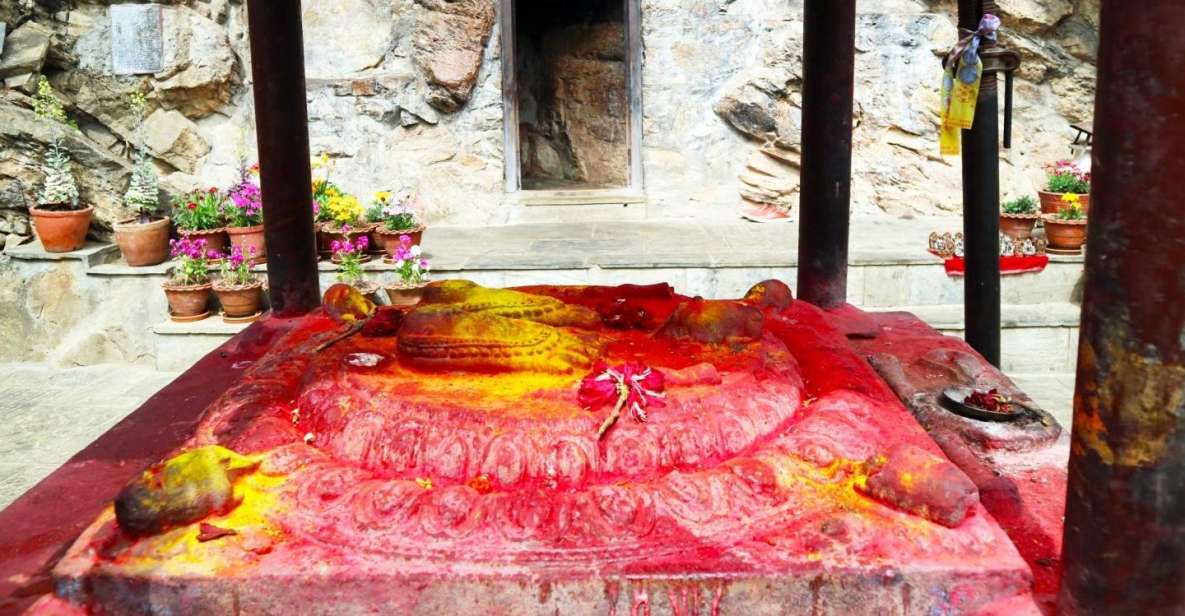
This is a practical day trip if you want more than a quick photo stop from Kathmandu. In about half a day you’ll cover pilgrimage sites around Pharping, then switch gears to lake scenery and a gorge tied to the old Kathmandu lake-drain legend.
The tour runs for 6 hours, in a private format with a dedicated guide and a luxury vehicle. That matters because the route is spread out, with short walks and temple stair climbs that can add up. You’ll also get entrance fees and lunch handled, so you can spend your brain on what you’re seeing, not what you need to pay next.
You can also read our reviews of more tours and experiences in Kathmandu
Pickup, Timing, and How the Day Feels On the Ground
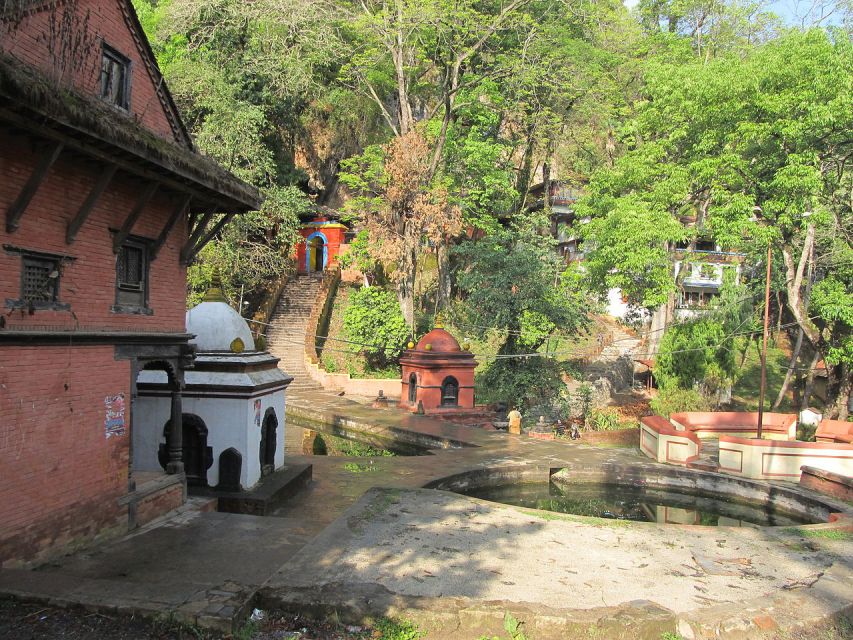
You start with hotel pickup from inside Kathmandu’s city ring road. If your hotel sits outside that ring, there’s an extra charge. Either way, you’ll want to be ready in the lobby about 5 minutes before pickup, because Kathmandu traffic can be unpredictable.
The day has a built-in flow:
- morning temple-and-cave sequence starting around Pharping
- a temple-focused mid-day break (with lunch)
- lake and gorge exploration before returning to Kathmandu
Private tours are a mixed blessing. You get flexibility, but you also get less downtime than on a slower group itinerary. If you’re prone to rushing, I’d plan on setting your pace early. Wear comfortable shoes and assume stairs and uneven ground.
Asura Cave: Sacred Stone Above Pharping
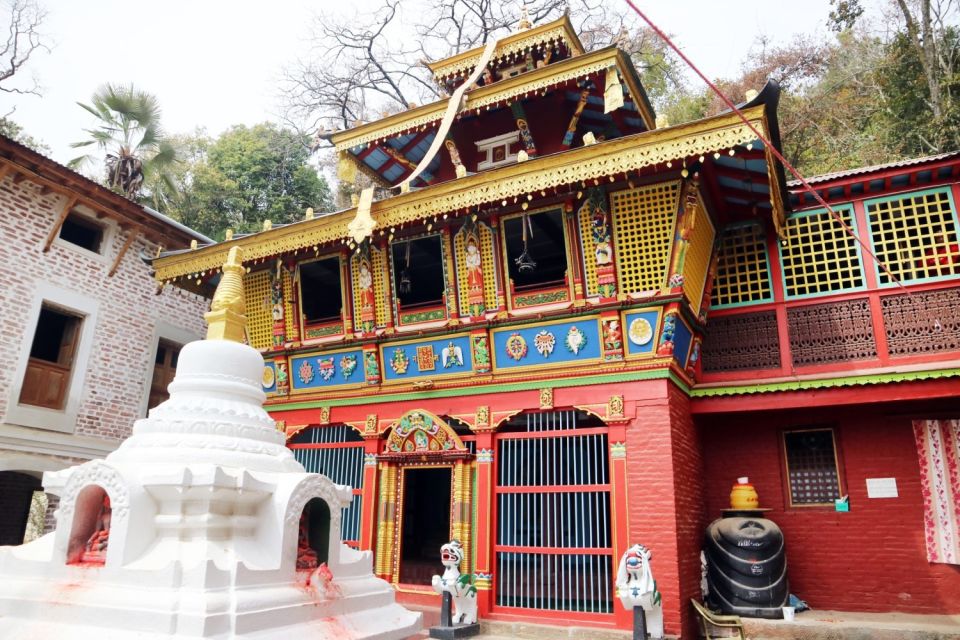
Asura Cave is one of those places that feels both remote and personal, even when you’re in the middle of a busy spiritual landscape. It sits above the village area of Pharping, which gives the stop a “walk-up into meaning” feeling.
The key story here is Guru Rinpoche. The cave is described as a sacred site where he meditated and attained enlightenment. Even if you don’t know the full background, the guide’s job is to connect the setting to the tradition, so you’re not just touring a cave with bats and humidity.
What you should expect:
- time to explore the cave space at a calm pace
- a focused explanation from your guide before or during your walk-through
- a spiritual atmosphere that’s usually quieter than the temple yards
Practical tip: bring comfortable, closed shoes. Caves and temple approaches can be slick or uneven.
Shesnarayan Temple: Licchavi-Era Narayana in Plain Sight
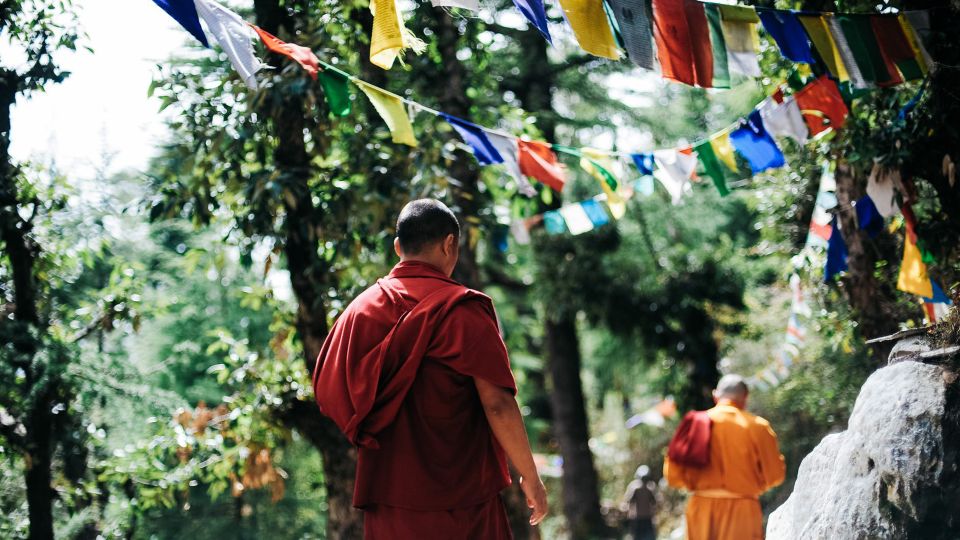
After Asura Cave, you’ll head to the Shesnarayan Temple complex nearby. This is one of the four Narayana temples of the Kathmandu Valley. It’s also tied to the Licchavi king Vishnugupta, with the complex believed to have been built during his reign.
This matters because it’s not just “another temple stop.” Narayana temples connect you to a particular layer of Kathmandu Valley architectural and religious history, and the guide should be able to point out features that help you understand why this site is counted among the most important in the valley.
Here’s what I think makes the Shesnarayan stop worthwhile for most people:
- you get a break from cave-dark stillness into open temple grounds
- the visit adds depth to the day’s Hindu-Buddhist blend
- you learn why Pharping’s area matters beyond scenic views
Time wise, you’re typically there for about half an hour, so this is a “see it well, don’t rush it” stop.
Gorakhnath Temple: Yogis, the Nath Sect, and a Different Kind of Devotion
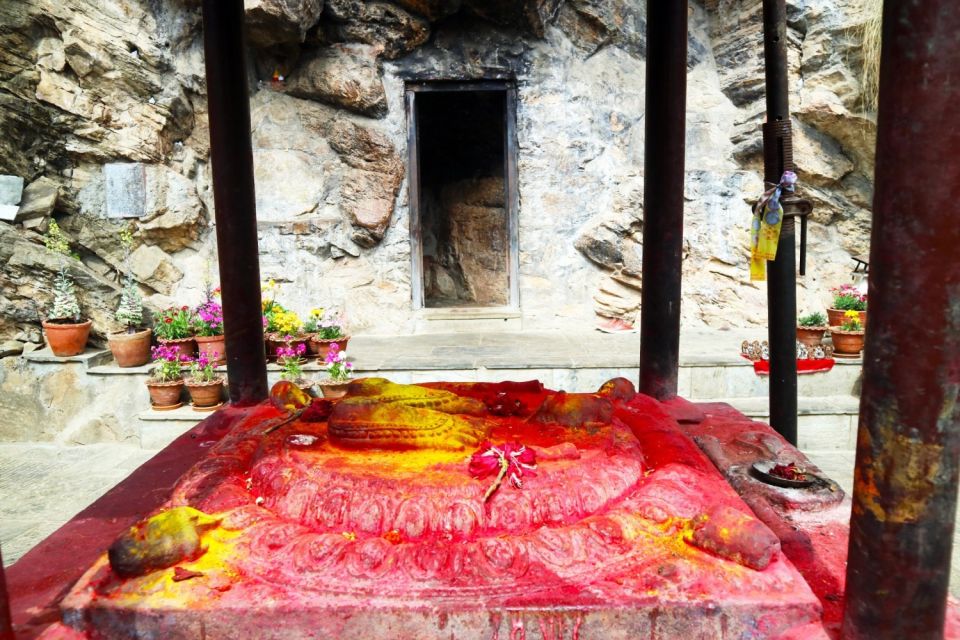
Next up is Gorakhnath Temple. The tour describes it as associated with Guru Gorakhnath, a revered saint and yogi connected to the Nath Sect.
That yogic emphasis gives this stop a different flavor from many orthodox temple visits. Instead of focusing only on ritual objects, you’re meant to connect the idea of practice—discipline, devotion, spiritual training—with what you see in the temple space.
What to watch for:
- the guide’s explanation of Nath tradition links
- any imagery or symbols connected to Guru Gorakhnath
- the way visitors interact with the space (often more focused and quiet than festival energy)
If you enjoy learning how different branches of South Asian spirituality express themselves through architecture and ritual, this stop will land well.
Dakshinkali Temple: Kali, Hill Views, and a Moment That Can Feel Intense
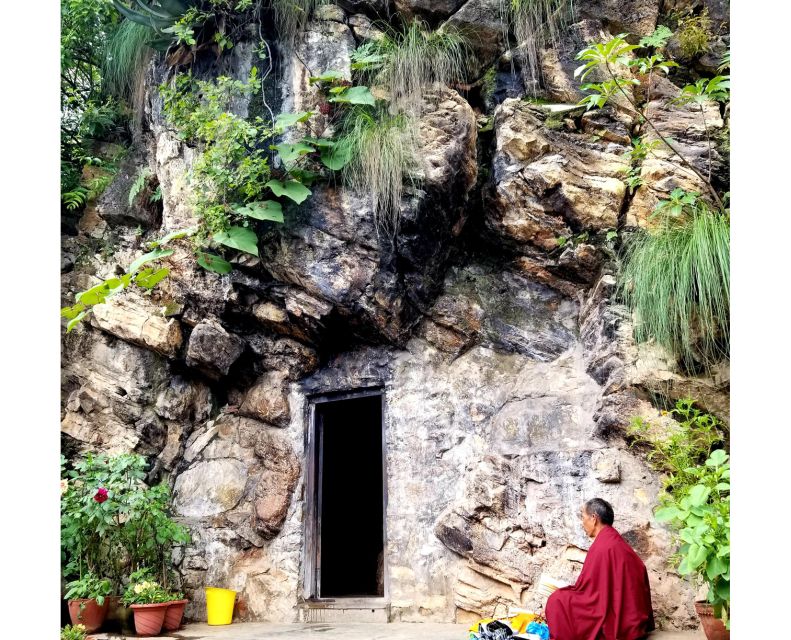
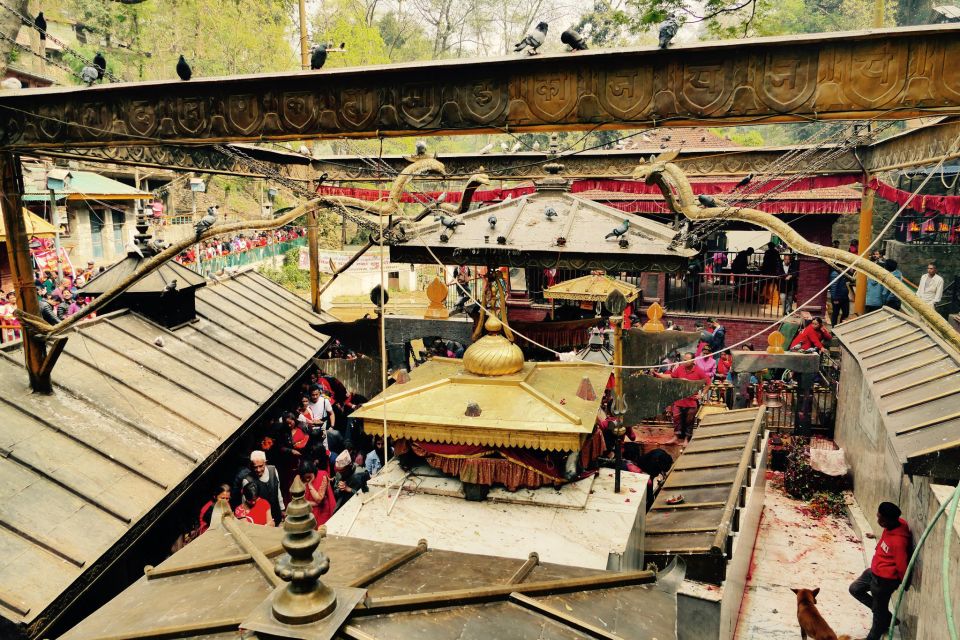
Dakshinkali Temple is one of Nepal’s major temples dedicated to Goddess Kali. It’s about 1 kilometer outside Pharping village, and it’s also around 22 kilometers outside Kathmandu.
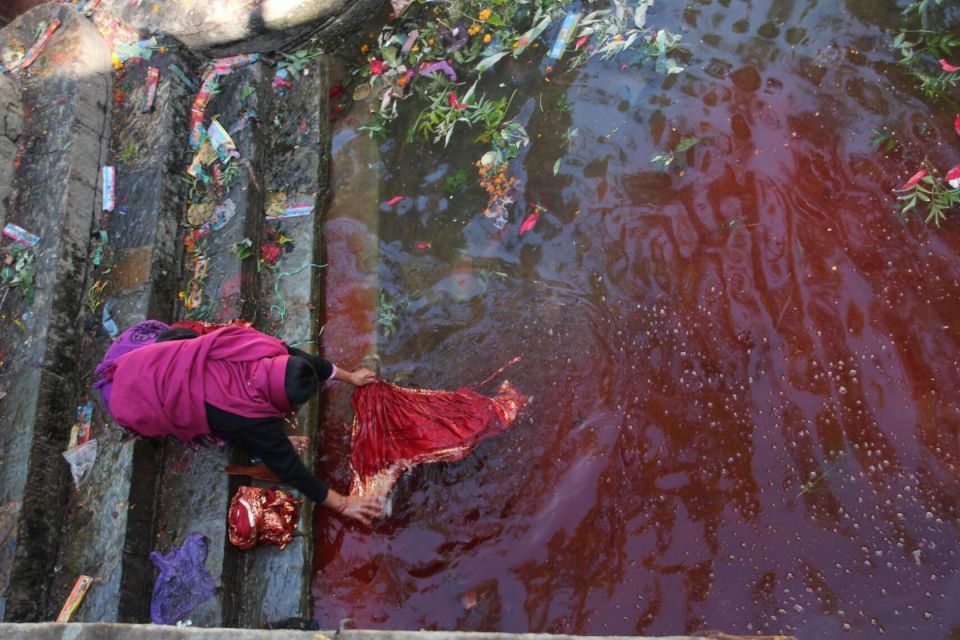
This is the emotional centerpiece of the day. The tour specifically warns that the bloody river and the Dakshinkali temple setting may be distressing to some visitors. So if you’re sensitive to gore-themed imagery, you should take that seriously and decide ahead of time.
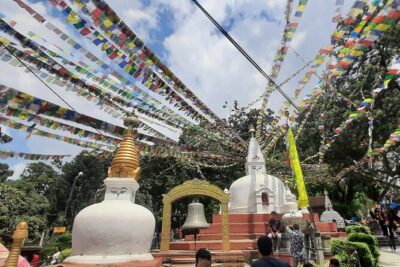
At the same time, this is the kind of temple stop that many people remember most. You’ll also have a chance for the hilltop vibe. One previous guest advice that’s genuinely useful: climb the stairs to the top of the hill to experience prayer flags and then the Hindu temple view from above.
My practical take:
- decide how you want to handle intense visuals before you arrive
- go slow on stair climbs
- if you need distance, stand back and watch first before stepping closer
Lunch on the Route: Simple, Included, and Often With a View
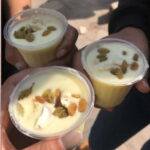
Lunch is included. In one past experience, the meal was described as delicious and served on a rooftop. Even if your lunch spot isn’t the same setup, you can expect a local restaurant meal that’s timed for the day’s schedule.
What I recommend:
- eat what’s comfortable for you. This is a long day of walking and spiritual sites.
- drink water when you can.
- use lunch to reset, because the afternoon includes gorge walking and more open-air time.
Since entrance fees are included too, lunch being included keeps the day feeling tidy. You’re not hunting for tickets and payment stops mid-temple.
Taudaha Lake: Largest Natural Lake, Bird Sanctuary Energy
After lunch, the tour heads to Taudaha Lake. This is described as the largest natural lake in the Kathmandu Valley and also known for being a bird sanctuary.
Taudaha is a good “breather” stop for a day like this. Temples and caves ask for attention. A lake stop lets your body feel the open air again. Even if you’re not a hardcore birdwatcher, the setting can help you reset your mood after intense temple imagery.
Expect:
- a relaxed hour to enjoy the environment
- photo opportunities with calmer views than the temple yards
- opportunities for short walks rather than major hikes
If you want one part of the day that feels less intense than the shrine-heavy morning, this is usually it.
Chobhar Gorge and Caves: Kathmandu’s Old Lake Drained Away Here
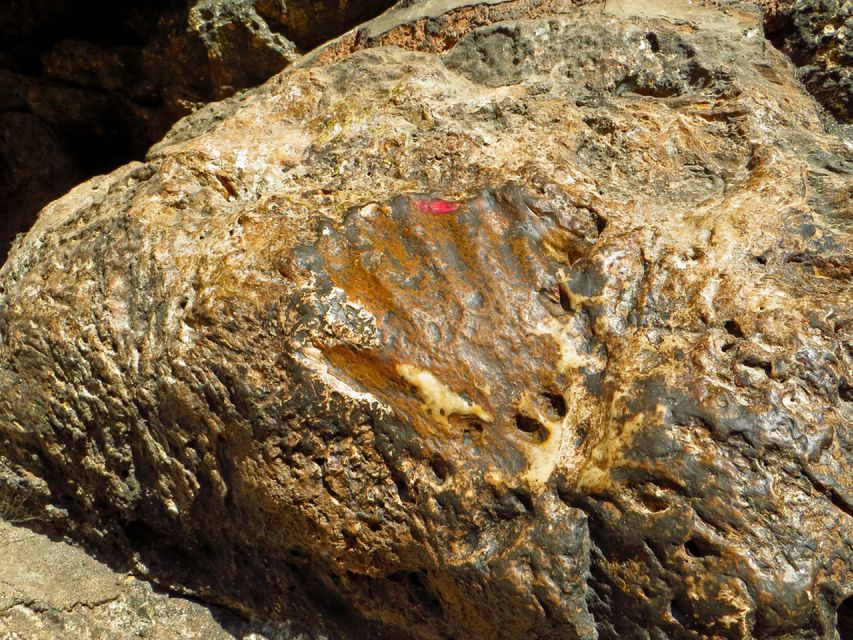
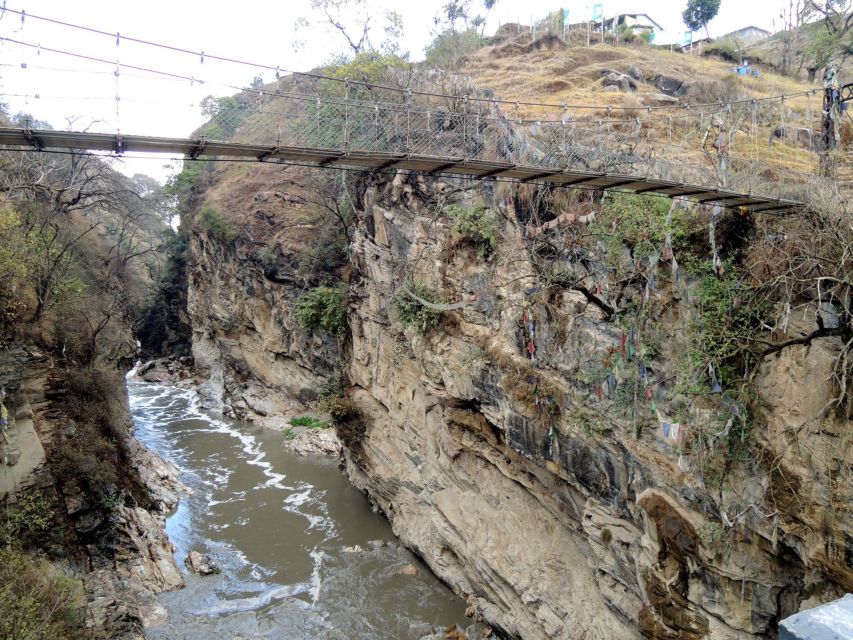
The final major stop is Chobhar Gorge. The tour explains it as the point of escape of water from an ancient lake that once existed where Kathmandu now sits.
There’s also a legend: the bodhisattva Manjushri cut a gorge at this location, allowing the lake’s water to drain and creating land that people later occupied. That story gives the gorge a “myth meets geography” feeling. You’re looking at a physical place that ties to how Kathmandu’s landscape came to be.
The gorge area also includes caves, and the tour description mentions exploring them. This is where a practical warning matters: access can shift. In one example, a closed cave meant the exact program changed at the gorge stop.
So when you book, don’t treat Chobhar as a guarantee of every cave being open. It’s still worth it for the gorge setting and the legend behind it, but keep expectations flexible.
Price and Value: Is $83 Fair for 6 Hours?
At $83 per person for 6 hours, this sits in a reasonable range for Kathmandu day trips that include a private guide, a luxury vehicle, entrance fees, and lunch. The math gets better because you’re not paying separate monument tickets on top of the tour price.
Where the value can rise:
- if your guide gives you clear explanations at each stop
- if you actually get time at each main site without constant rushing
- if the lunch spot is solid and timely
Where you should be careful:
- if closures force major reroutes or reduced site time, the value drops fast.
- if the day ends up feeling shorter than expected, it can feel overpriced.
One more angle: private means you’re paying for comfort and focused interpretation. If you’re the type who wants a guided day rather than a self-drive crawl, this price can make sense.
What You’ll Learn From the Guide (And Why It Matters Here)
The guide is an “expert tour guide,” and the tour runs with English and Japanese support. This matters because several stops are spiritual sites with specific stories: Guru Rinpoche at Asura Cave, Licchavi-era Vishnugupta links at Shesnarayan, Nath tradition at Gorakhnath, and Kali worship at Dakshinkali.
A standout detail from one praised experience: a guide named Rajat was described as friendly, with answers to questions, and with useful facts. That’s the difference between seeing temples and understanding why people take them seriously.
In practice, you’ll get more out of the day if you ask questions like:
- what specific belief is connected to this cave or temple
- how this site fits into Kathmandu Valley’s religious world
- why the legend about Manjushri and the old lake matters
Your guide is what turns the route into a story you can remember.
Who This Tour Fits Best (And Who Should Rethink It)
This tour is best for you if:
- you want a concentrated sampler of Pharping-area spiritual sites
- you like guided context, not just sightseeing
- you’re okay with a mix of temple walking and an outdoor gorge/lake finish
It may not suit you if you have back problems or heart problems, or if you use a wheelchair. The tour is also not suitable for people over 220 lbs (100 kg) or people over 95 years. If you’re managing kidney problems, also skip this one based on the stated suitability rules.
And consider the Dakshinkali warning. The bloody river and temple environment may be distressing to some visitors. If that would bother you, plan a different day.
Bring:
- comfortable shoes
- sunglasses, sun hat, sunscreen
Should You Book This Pharping, Dakshinkali and Chobhar Tour?
Book it if you want a guided, efficient day that mixes cave spirituality, temple meaning, and natural breaks with lunch included. At $83 with entrance fees and a private vehicle, it’s a practical way to cover a lot without spending your whole day figuring out transport and tickets.
Skip it or choose something else if:
- you’re easily distressed by graphic-themed religious settings linked to Kali
- you need guaranteed access to every cave or monument, with no changes
- you prefer a slower pace with more free time
If you’re comfortable with some stairs and you’ll treat the route as a flexible day of spiritual and natural stops, this tour is a solid bet.
FAQ
How long is the Kathmandu Pharping, Dakshinkali and Chobhar Tour with Lunch?
It runs for 6 hours.
What does the tour cost and what’s included?
The price is $83 per person. Included are an expert tour guide, a luxury vehicle, hotel pickup and drop-off from hotels inside Kathmandu city ring road, entrance fees, and lunch.
Where does pickup happen in Kathmandu?
Pickup is provided from hotels inside the Kathmandu city ring road. If your hotel is outside that ring road, you must pay an additional charge.
What are the main places you visit?
You’ll visit Asura Cave, Shesnarayan Temple, Gorakhnath Temple, Dakshinkali Temple, Taudaha Lake, and Chobhar Gorge (including caves).
What languages is the guide available in?
The live tour guide is available in English and Japanese.
Is this tour private or group-based?
It’s a private group.
What should I bring for the day?
Bring comfortable shoes, sunglasses, a sun hat, and sunscreen.
What are the restrictions during the tour?
No pets, weapons or sharp objects, baby strollers, or open-toed shoes. Smoking is not allowed in the vehicle. Alcohol and drugs are not allowed, and nudity is not allowed.
Is free cancellation available?
Yes. You can cancel up to 24 hours in advance for a full refund.
Is the tour suitable for wheelchair users or people with health issues?
It’s not suitable for wheelchair users, and it’s also listed as not suitable for people with back problems or heart problems, among other health considerations.