REVIEW · KATHMANDU
4 Days Pikey Peak Trek : The Best View of Mt Everest
Book on GetYourGuide →Operated by Alpinist Club · Bookable on GetYourGuide
Everest feels close on this quick Pikey Peak adventure, with real Sherpa village life along the way. I like the way you get panoramic Himalayan views for a modest time commitment, and I also like how calm the trail feels compared with bigger Everest routes. The main drawback is the long, winding road—expect roughly 7–9 hours each way from Kathmandu.
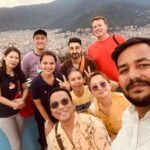
You’ll hike mostly in Lower Khumbu scenery—alpine meadows, rhododendron forests, and ridgelines that are photogenic even on an average day. The experience runs as a small group (limited to 8), led by an English-speaking guide—names you may hear include Pemba, Sukbir Tamang, and Ngima chhechi Sherpa—and that matters because pacing is everything at altitude. Lodges are basic but cozy, and you’ll be living on tea-house rhythm (dal bhat, noodles, soup) rather than restaurant comfort.
If you want a beginner-friendly trek that still delivers the Everest moment, this is a smart pick. Just go in knowing it’s short on paper but not short on driving, and you’ll want to pack for cold mornings even at these altitudes.
In This Review
- Key highlights worth planning around
- Why Pikey Peak From Kathmandu Is a Smart Shortcut to Everest
- Price and Logistics: What $350 Really Buys You
- Getting There: The Kathmandu to Dhap Drive Can Be the Real Challenge
- Day 1: Dhap Bazaar to Jhapre (2,820 m) — Villages, Monasteries, and First Views
- Day 2: Trek to Pikey Base Camp (3,640 m) — Stupas, Stone Walls, and a Calm High Pause
- Day 3: Pikey Peak (4,065 m) Summit and the Everest Panorama Day
- Day 4: Jhapre to Dhap and Back to Kathmandu — Ending With a View Hangover
- Lodges, Food, and Hot Showers: What Comfort Looks Like Here
- Gear and Health: Your Checklist for a 4-Day Everest-View Trek
- Who This Trek Fits Best (and Who Should Skip It)
- Should You Book Pikey Peak Trek? My Decision Guide
- FAQ
- What is the highest point on the trek?
- How long is the trekking portion each day?
- How many people are in the group?
- What’s included in the $350 price?
- What is not included?
- Do you stay in teahouses or hotels?
- Is hot shower included?
- When is the best time for clear views?
Key highlights worth planning around
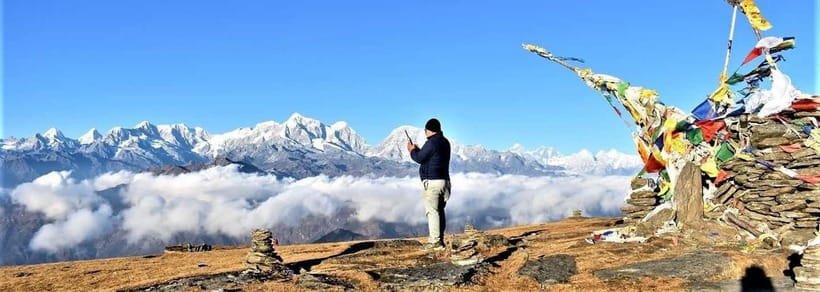
- Sunrise from Pikey Peak (4,065 m) gives you that big-screen view without the multi-week commitment
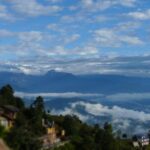
- Lower Khumbu trails through rhododendron forests and high meadows keep walking varied and scenic
- Sherpa villages and Buddhist sites help you understand daily mountain life, not just viewpoints
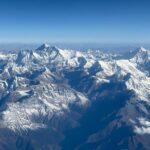
- Big panorama day: Kanchenjunga east to Dhaulagiri west, plus a clear Everest glimpse when weather cooperates
- Short trek feel from Kathmandu: you’re back in Kathmandu in 4 days, even after the long road
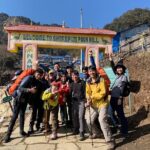
- Small-group pacing (up to 8) makes it easier to adjust when your breathing tells you to slow down
Why Pikey Peak From Kathmandu Is a Smart Shortcut to Everest
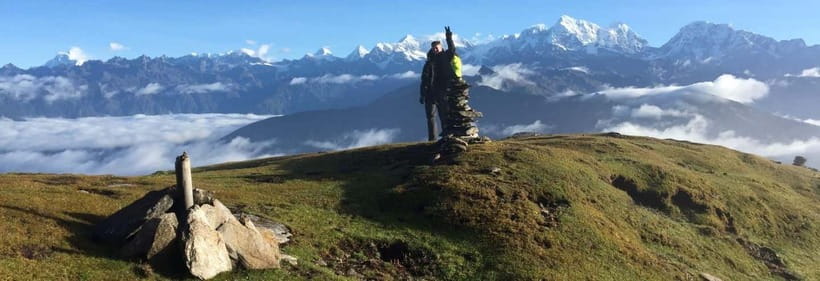
If you’re chasing Everest views but you don’t have the time (or legs) for Everest Base Camp, Pikey Peak is one of the best “close enough to feel serious” options in Nepal. You hike into the Lower Khumbu area, where the scenery still feels Himalayan and the vibe stays quieter than the most famous routes.
The altitude profile is also friendly for a short itinerary. You’re not sprinting to extreme heights, but you still climb enough (to 4,065 m) to make the sunrise views feel earned. On a clear morning, you can see a sweeping range of peaks—this is the kind of trek where your camera gets used early and often.
And yes, it’s “easy-ish,” but that doesn’t mean “effortless.” Cold air, steep moments, and early starts can still get you. The good news: the trek is short and guided, so you can focus on steady steps instead of logistics chaos.
You can also read our reviews of more hiking tours in Kathmandu
Price and Logistics: What $350 Really Buys You
The listed price is $350 per person for 4 days, and it covers the stuff that usually adds up fast on short treks: an experienced English-speaking guide, necessary permits, government taxes, private jeep/van Kathmandu–Dhap–Kathmandu, and hotel pickup/drop in Kathmandu. You also get lodge accommodation during the trek with breakfast.
What’s not included is where you should plan your spending: meals and beverages are on you, as is any personal spending. A porter isn’t included either, which matters if you don’t want to carry your own water and day essentials. Also, hot showers are only in some lodges and cost extra, so don’t count on a guaranteed rinse after a cold morning.
Value-wise, I like this format for people who want a guided Everest-view trek without adding extra travel services. If you’re comfortable budgeting for tea-house meals and you pack well, this price can feel fair. If you want full board and a porter, your final cost will climb—so decide upfront what comfort you actually want.
Getting There: The Kathmandu to Dhap Drive Can Be the Real Challenge
The trekking itself is manageable, but you should respect the travel day. You’ll do a long transfer from Kathmandu to Dhap (about 8 hours is listed), and you’ll repeat that drive on the last day, returning to Kathmandu afterward.
That kind of ride can be tiring even if you’re fit. Bring water, plan snacks for the long stretch (meals aren’t included), and consider motion-sickness comfort if you’re prone to it. The upside is that you start and end the trek in Kathmandu, which is a big deal if you have limited time or you’re combining this with other Nepal plans.
Also note: you’ll rely on cash. There are no ATMs on the trail, and network can be patchy, so don’t build your safety plan around finding money late.
Day 1: Dhap Bazaar to Jhapre (2,820 m) — Villages, Monasteries, and First Views
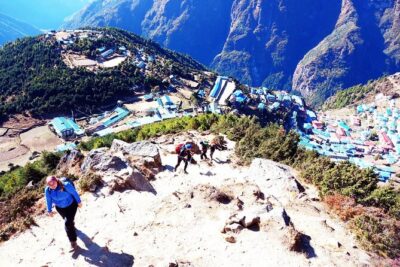
Day 1 begins with the drive to Dhap Bazaar, following the trail alongside the Sunkoshi River. It’s a countryside Nepal kind of start: lush forests, rivers, and terraced rice fields. This is where you shift from city time into mountain time—slow down, take in the scenery, and let the day set your pace.
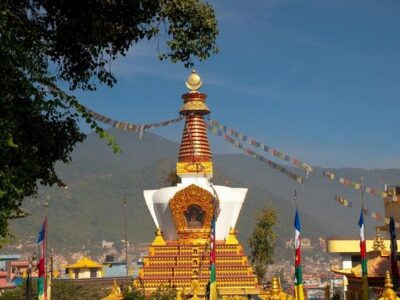
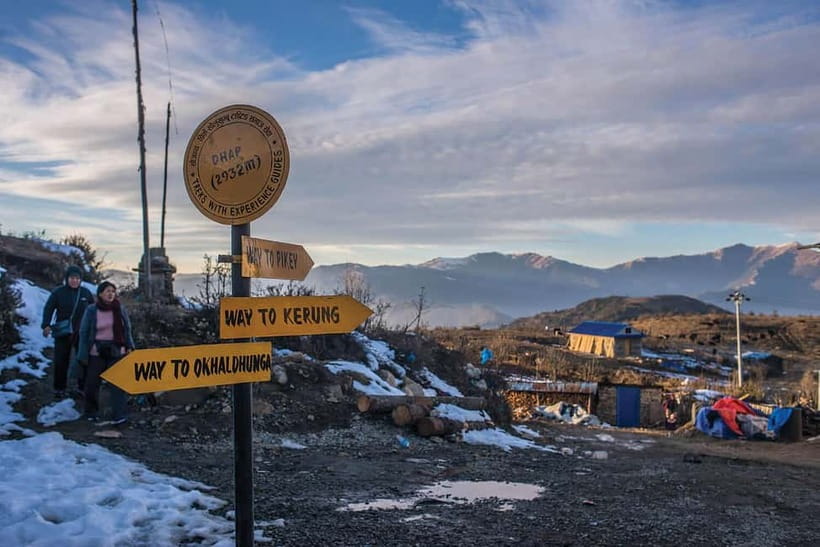
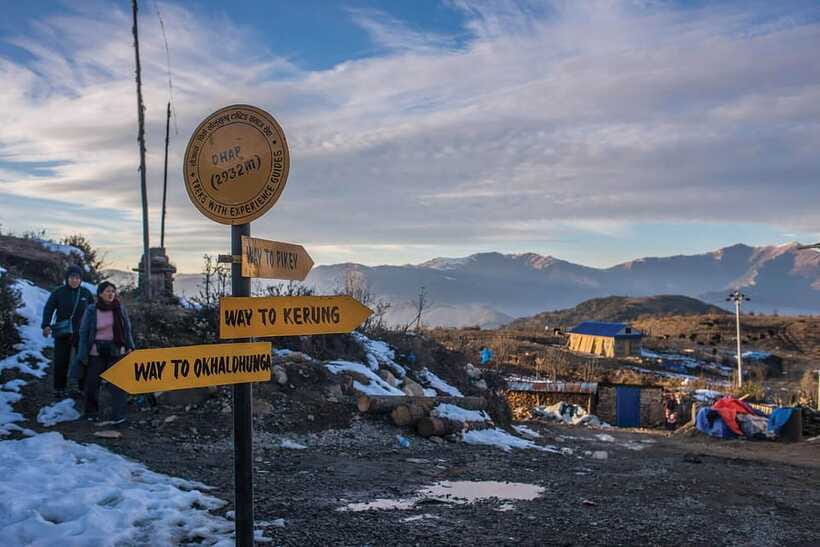
After a short break at Dhap Bazaar, you walk toward Jhapre (2,820 m) for a couple hours. Along the way, you pass a Tibetan-influenced village called Kerung and you may explore traditional Buddhist monasteries. The trek is also described as moving through landscapes with wild orchids, so it’s not just dirt and stairs—there’s life and color if conditions are right.
You’ll reach Jhapre for the night in a local lodge. This first day is mostly about acclimatizing to the idea of altitude and hiking. If you go too hard today, you’ll pay for it later—so keep your effort gentle and focus on breathing steadily.
Day 2: Trek to Pikey Base Camp (3,640 m) — Stupas, Stone Walls, and a Calm High Pause
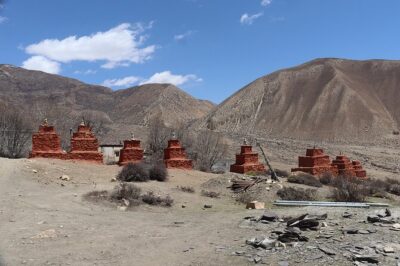
On Day 2, the hike to Pikey Base Camp (3,640 m) takes about 6 hours. This is your main “climb and settle” day, and it’s packed with small, meaningful details: stone walls, ancient stupas, and Buddhist monasteries along the trail.
This matters more than it sounds. When you’re working your way uphill, the mind likes something to focus on besides your lungs. Cultural features and trail textures turn a long walk into something you can enjoy instead of just survive.
At base camp, you’re at a high, peaceful setting to rest and prepare. The altitude is higher than Day 1, but it’s still reasonable—think of this day as building confidence. If you can keep a slow pace and hydrate, you’ll arrive feeling prepared for the summit push on Day 3.
You can also read our reviews of more tours and experiences in Kathmandu
Day 3: Pikey Peak (4,065 m) Summit and the Everest Panorama Day
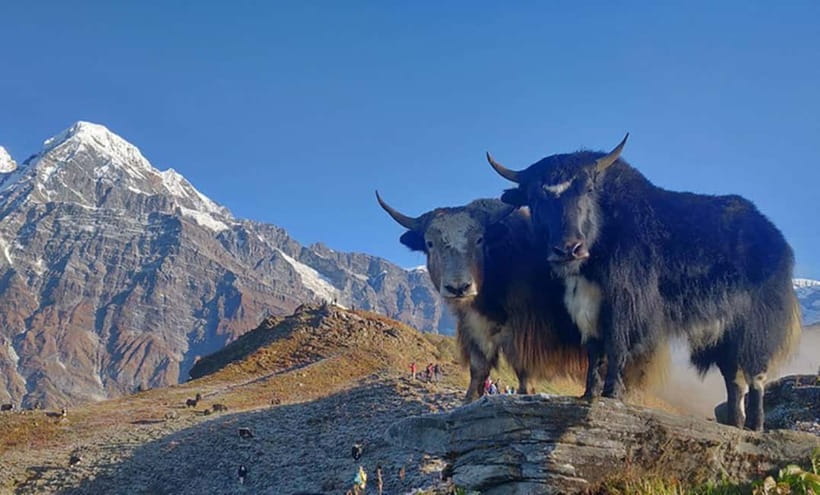
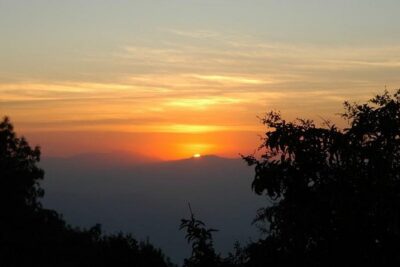
Day 3 is the highlight: Pikey Peak (4,065 m). The plan includes time for sunrise, and once you start climbing, you reach the summit after about 1.5 hours of hiking.
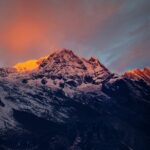
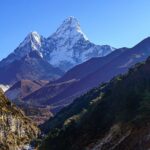
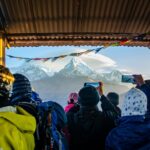
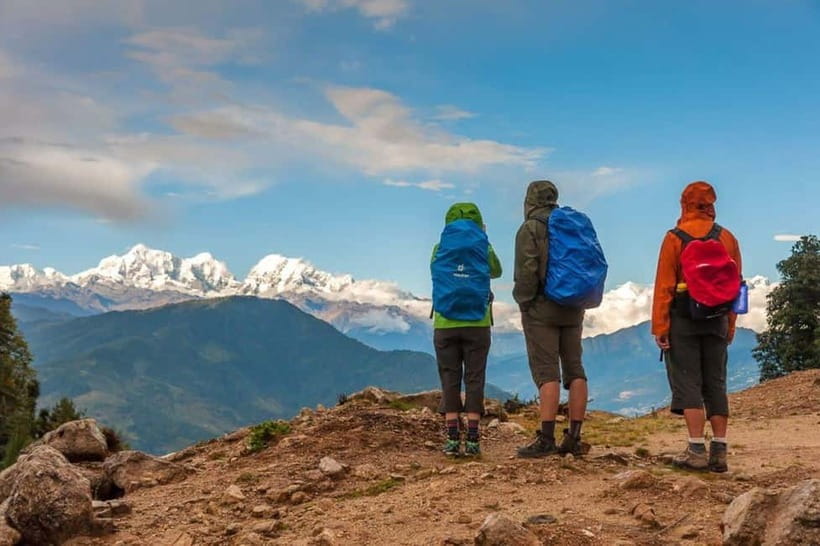
That short summit push is the part you brag about, but the real payoff is what the top shows you. The view is described as panoramic—Kanchenjunga in the east to Dhaulagiri in the west—and on clear days you can catch the world’s highest peak, Mt. Everest (8,848 m).
Then you descend back to base camp and continue to Jhapre, with around 6 hours of hiking total for the day. This is where smart trekking beats hero trekking. Descending is hard on knees, and altitude fatigue can sneak up even when the summit was only an hour or two away.
Altitude note: this elevation is “moderate,” but mild altitude sickness can still happen. Expect possible headaches or nausea if you go too fast. Your best tools are water, a slower pace, and good rest—especially after the summit day.
Day 4: Jhapre to Dhap and Back to Kathmandu — Ending With a View Hangover
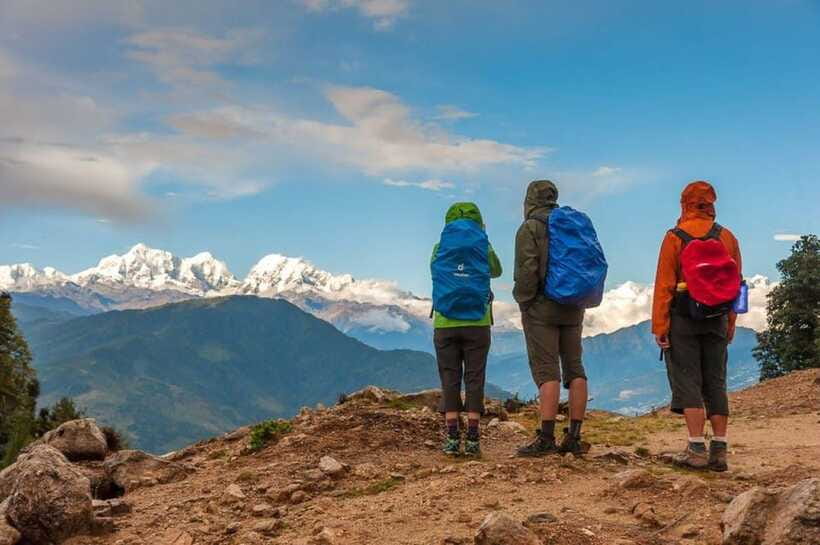
Day 4 is a mix of a final trek and a return drive. You hike down toward Dhap and then drive back to Kathmandu, with hotel drop-off afterward.
The emotional part is real: after Everest views, even a normal morning feels like it should come with a soundtrack. Keep it practical, though. Hydrate, eat what’s available, and don’t rush the downhill sections. Your legs will feel it even if today sounds simpler on paper.
This day also makes the whole trip work for short-stay visitors. You get a genuine Himalayan experience without committing to a long trek calendar. That’s why Pikey Peak is often chosen when you want the “Everest moment” but you still want to stay flexible with the rest of your trip.
Lodges, Food, and Hot Showers: What Comfort Looks Like Here
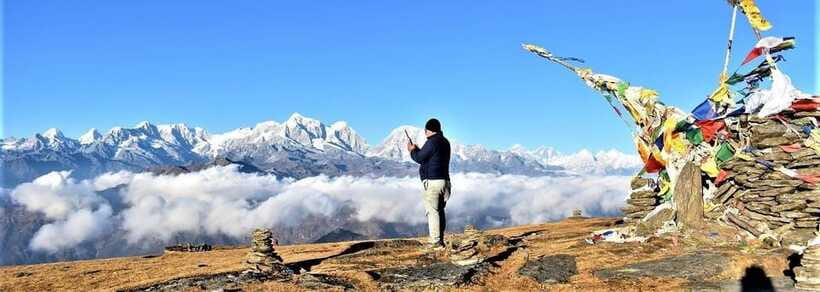
You’ll stay in teahouses/lodges with twin sharing rooms and blankets. The overall standard is described as basic but cozy, which is what you want on a short trek: warm layers, a dry-ish place to sleep, and food when you’re hungry.
Meals are classic tea-house fare: dal bhat, noodles, soup, eggs, potatoes, Tibetan bread, tea, and coffee. This is not gourmet, but it’s reliable energy for hiking days. If you have dietary needs, you’ll want to plan around what’s available in the villages.
Hot showers are available in some lodges, but they cost extra. Electricity is limited, so plan to charge devices when you can. Connectivity can work in many villages with NTC and Ncell, but it’s patchy, so treat your phone like a camera—not like a lifeline to the internet.
One practical rule: bring enough cash in Nepali rupees. There are no ATMs along the trail.
Gear and Health: Your Checklist for a 4-Day Everest-View Trek
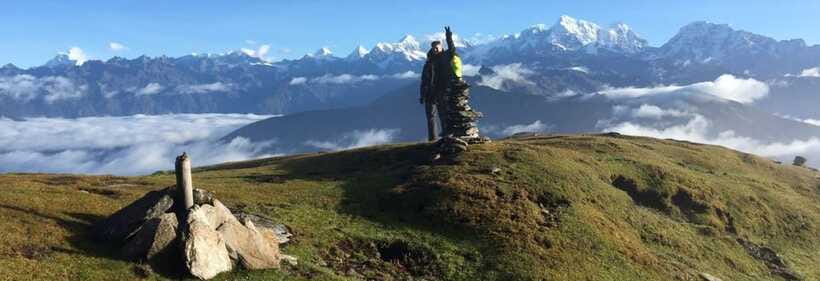
Even with a short itinerary, conditions can change fast. Pack light but smart, because cold mornings and windy ridgelines can turn your “quick summit” into a shiver-fest.
Here’s what you should prioritize based on what’s recommended:
- Trekking boots that are broken in
- Layering system: base, fleece, down jacket, and a waterproof shell
- Warm head and hands: gloves, hat, buff or scarf
- Sun protection: sunglasses and sunscreen
- Headlamp for early starts and dark lodge mornings
- Water purification (tablets or a filter)
- Snacks for energy between meals (energy bars, nuts)
- A small first-aid kit, including altitude and stomach medicine
- Power bank since charging is limited
Altitude tips are straightforward: drink plenty of water, walk slowly, avoid alcohol, and after summit day try to sleep lower. Also, this trek is listed as not suitable for pregnant women, so be sure to follow that guidance.
If you’re a beginner, the best gear isn’t expensive gear—it’s the layers and shoes that keep you comfortable while you move at a slow pace.
Who This Trek Fits Best (and Who Should Skip It)
This trek is a great match if you want:
- Everest views with less time (4 days total, including drives)
- A beginner-friendly, moderate altitude experience
- Cultural moments: Sherpa villages and Buddhist monasteries
- Photography-friendly ridgelines and sunrise scenery
- Bird-watching opportunities and quiet trail time
It’s also ideal for families or anyone who wants a short Himalayan adventure without jumping straight into a long multi-week grind.
Who should think twice: if you dislike long drives, this route won’t be for you. If you’re sensitive to altitude or have health constraints, talk with a medical professional first. And if you’re pregnant, it’s specifically listed as not suitable.
Should You Book Pikey Peak Trek? My Decision Guide
Book it if you want a short, guided Everest-view trek from Kathmandu that still feels authentic: village life, monasteries, ridge views, and a sunrise that makes the whole effort worth it. The small-group size (up to 8) is a real advantage for comfort and pacing, and the included guide plus permits plus transport saves you hassle.
Don’t book it if your trip budget is tight and you can’t add extra spending for meals and beverages, or if you hate road time. Also be honest about cold mornings and the fact that lodges are basic.
My final take: this is a smart choice for travelers who want the Everest moment without the long route. If you pack for cold, move slowly on summit day, and accept tea-house living, you’ll come back with photos that look way more dramatic than a four-day plan should allow.
FAQ
What is the highest point on the trek?
The highest point is Pikey Peak at 4,065 m.
How long is the trekking portion each day?
Day 1 includes a walk of about 2 hours after the drive, Day 2 is about 6 hours, Day 3 includes about 1.5 hours up to the summit plus roughly 6 hours total for hiking back to Jhapre, and Day 4 is a trek back to Dhap before driving to Kathmandu.
How many people are in the group?
The trek runs as a small group with a limit of 8 participants.
What’s included in the $350 price?
It includes an English-speaking trekking guide, necessary permits, government taxes, private jeep/van Kathmandu to Dhap and back, hotel pickup and drop-off in Kathmandu, and lodge accommodation during the trek with breakfast.
What is not included?
Meals and beverages, porter service, and personal expenses are not included.
Do you stay in teahouses or hotels?
You stay in lodges/teahouses during the trek. Rooms are twin sharing with blankets, and comfort is basic but cozy.
Is hot shower included?
Hot showers are available in some lodges, but extra cost may apply.
When is the best time for clear views?
Spring (March–May) and autumn (Sept–Nov) are listed as best for rhododendrons and visibility, while winter (Dec–Feb) is cold but can be clear.