REVIEW · KATHMANDU
Everest Base Camp Trek
Book on Viator →Operated by Adventure Glacier Treks & Expedition · Bookable on Viator
Everest dreams start with a flight and a plan. This Everest Base Camp trek from Kathmandu is built around high-altitude hiking, the famous Everest region towns, and big mountain sightings like Ama Dablam. You also get the practical pieces handled for you, so the trip is about breathing, walking, and taking in the views.
Two things I like right away: the logistics support (including domestic flight and airport transfers) and the guide help that keeps the experience steady. Guides such as Sau Bir Rai and Roshan are praised for making things feel manageable, even in busy seasons and for solo trekkers. Dipak also gets credit for being friendly and attentive, and Arjun is noted for taking careful care during the trek.
One drawback to keep in mind: the trip price doesn’t cover everything you’ll pay along the way. You’ll need to budget for your own accommodation and food (for the guest), beverages, travel insurance, Nepal visa and international flights, plus tips.
In This Review
- Quick hits before you go
- How the Kathmandu start shapes your Everest Base Camp trek
- The “Stops” that matter: Ama Dablam and Namche Bazaar
- Namche Bazaar: where acclimatization becomes real
- Ama Dablam: why this side peak is more than a photo stop
- Everest Base Camp: the destination that connects trekkers and climbers
- Price and logistics: what $990 really buys you
- Private guiding: the human part that makes or breaks EBC
- What the itinerary timing implies about your body
- Accommodation and meals: plan for what’s on you
- Who this Everest Base Camp trek fits best
- Should you book this Everest Base Camp trek?
- FAQ
- Where does this Everest Base Camp trek start?
- How long is the Everest Base Camp trek?
- What is the price per person?
- Is this tour private?
- What’s included in the price?
- What is not included?
- Is a mobile ticket provided?
- What meeting point should I use in Kathmandu?
- Do I need strong fitness to do this trek?
- What’s the cancellation refund window?
Quick hits before you go
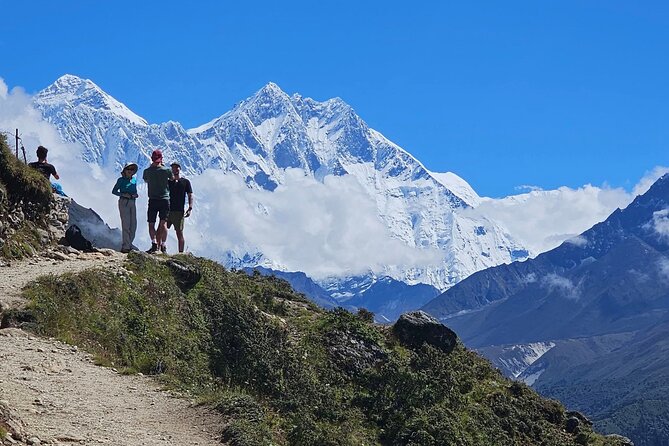
- Namche Bazaar acclimatization is treated as the key step in high-altitude trekking.
- Ama Dablam focus gives you a memorable look at the Khumbu Valley’s most striking technical peak, often called mother’s necklace.
- Domestic flight and airport transfers reduce stress before and after the trek.
- Private tour format means your group only, not a mixed crowd.
- Guide-led pacing and care is a standout theme, including named guides like Roshan, Dipak, and Arjun.
How the Kathmandu start shapes your Everest Base Camp trek
Your journey begins back at the same meeting point in Kathmandu: Adventure Treks Nepal, in Thamel (Thamel Marg, Kathmandu 44600). Thamel is handy because it’s full of travel offices, gear shops, and practical services, so you’re not scrambling to find basics before you go.
The trip runs about 12 days, and one of the biggest value points is that it includes a domestic flight plus arrival/departure airport transfers. That matters on an EBC itinerary because it cuts down on long internal travel days when your body is already under pressure from altitude.
This is also set up as a private tour/activity, so you won’t be squeezed into a large group with people you didn’t choose. If you prefer a calmer rhythm for altitude days, that can make a real difference.
You can also read our reviews of more hiking tours in Kathmandu
The “Stops” that matter: Ama Dablam and Namche Bazaar
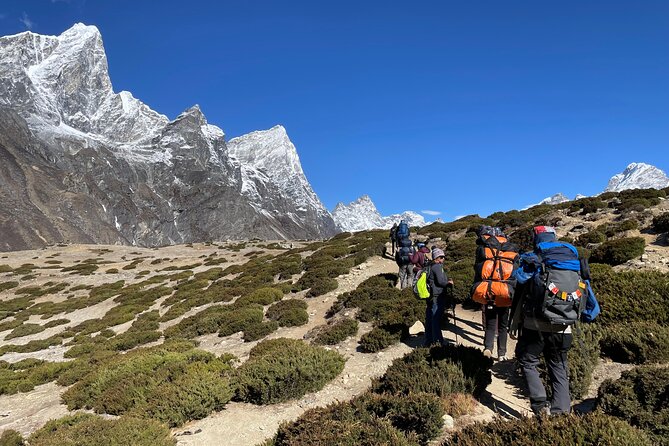
Even if your full day-by-day schedule shifts based on trail and conditions, two anchor points define this route: Ama Dablam and Namche Bazaar.
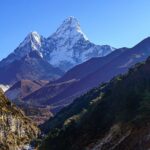
Ama Dablam, often nicknamed mother’s necklace, is an iconic peak in the Khumbu Valley. It’s known for its distinctive shape and for attracting climbers who want more technical, steeper terrain than a simple walk-up. When you’re trekking toward Everest Base Camp, seeing Ama Dablam in the right light is one of those moments that helps you understand why the Everest region draws both hikers and technical climbers.
Namche Bazaar is the other big one. It’s described as the gateway to the Everest Base Camp route and, more importantly, the place where trekkers pause for acclimatization. That’s the step that can keep your climb safer and more comfortable, since altitude doesn’t respond well to “rush and hope.”
Namche Bazaar: where acclimatization becomes real
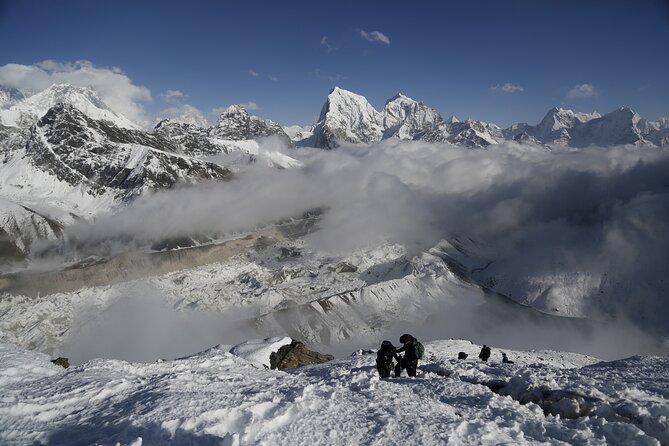
Namche Bazaar isn’t just a town stop. It’s the place where you slow down on purpose so your body can adjust. EBC treks tend to move from lower altitude to higher altitude in stages, and Namche is a central checkpoint in that logic.
This trek treats Namche as the “most important step” in high-altitude trekking. That’s a good sign, because acclimatization is not a checkbox—it’s the difference between feeling steady and feeling awful.
Practically, this kind of schedule also helps you mentally. You get to settle into the rhythm: walk a bit, rest, eat, and recover. If you’re coming from sea level or a low-altitude trip, that mindset shift helps more than people expect.
Ama Dablam: why this side peak is more than a photo stop
Ama Dablam gets attention because it’s dramatic and recognizable, but it’s also useful for understanding the whole region. This peak sits prominently in the Khumbu Valley and is considered by many to be one of the most beautiful mountains in the world—plus it’s tied to steeper climbing goals.
So when you experience it on your route, you’re not just chasing scenery. You’re watching a mountain that represents the technical side of the Everest region—something that’s always present in the background even when you’re trekking at a non-technical level.
If you like your travel to feel grounded in real geography, Ama Dablam is a satisfying target. It gives you a clear visual landmark for where you are in the Khumbu.
Everest Base Camp: the destination that connects trekkers and climbers
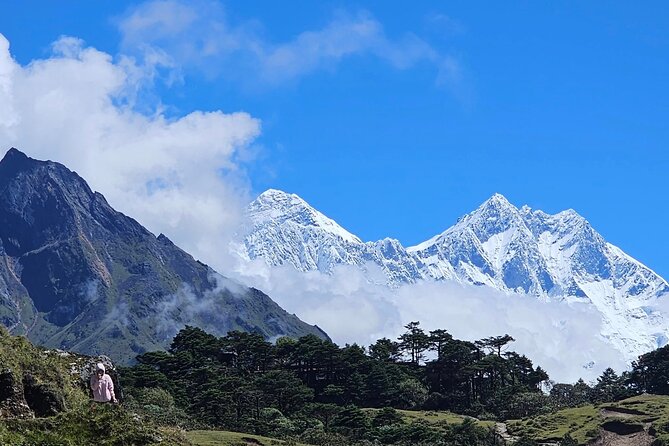
Everest Base Camp is the main event, and this trek is built around reaching that iconic area. The description makes one key point: it’s where trekkers and mountaineers from around the world gather to begin their journey toward the big Everest goal.
That matters because it explains what Base Camp feels like beyond “a point on a map.” You’re arriving at a place designed for preparation—meetups, planning, and the next stages of bigger ambitions. Even if your goal is the trek itself, that context adds meaning to each day of hiking.
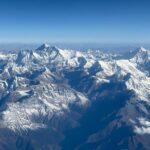
You can expect spectacular views of Mount Everest and many surrounding peaks. That’s a big claim, but it’s consistent with why this route is so popular: it’s not just one view, it’s repeated sightings from different angles as the route gains altitude.
Price and logistics: what $990 really buys you
At $990 per person for an approximately 12-day trek, you’re not just paying for “walking in the mountains.” You’re paying for a package of operational support.
Included items are strong and clearly helpful on an EBC trek:
- Domestic flight
- Necessary permits and entrance fees
- Guide salary, plus the guide’s food
- Equipment and insurances covering the guide as part of the trip cost
- Airport transfer services for arrival and departure, including the domestic flight
You also get a mobile ticket, which is convenient for day-to-day organization.
What’s not included is equally important to plan for:
- Beverages and tips
- Your insurance (you’ll need to arrange this yourself)
- Personal or nature expenses
- International flights and the Nepal Visa Fee
- Accommodation and food of the guest
- Tips for the trek guide (expected)
So the real value question becomes: can you cover the “not included” costs without stress? If yes, this package can be a clean, no-drama way to do EBC because you’re not trying to assemble permits, transfers, and timing on your own.
Private guiding: the human part that makes or breaks EBC
For Everest Base Camp, the guide isn’t just a driver of the itinerary. They manage pacing, decisions, and day-to-day reassurance when altitude and weather start nudging your plans.
The names that show up with consistent praise are a big clue:
- Sau Bir Rai is highlighted as experienced and able to make the trek feel easier.
- Roshan is praised for organizing accommodation, food, and transport even during a busy season.
- Dipak is described as friendly and attentive, especially on an EBC + Gokyo private setup.
- Dil is credited with strong support during the planning phase, helping keep trekkers prepared.
- Arjun is mentioned for careful care during the trek, including support through differing needs and a medical situation (as described in the feedback).
Even without chasing extra promises, these comments point to something you should look for: clear organization before you start hiking, and responsive support while you’re on the trail.
If you’re traveling solo, that practical coordination can feel like a safety net. If you’re traveling with others, attentive guiding helps keep the pace comfortable for everyone.
What the itinerary timing implies about your body
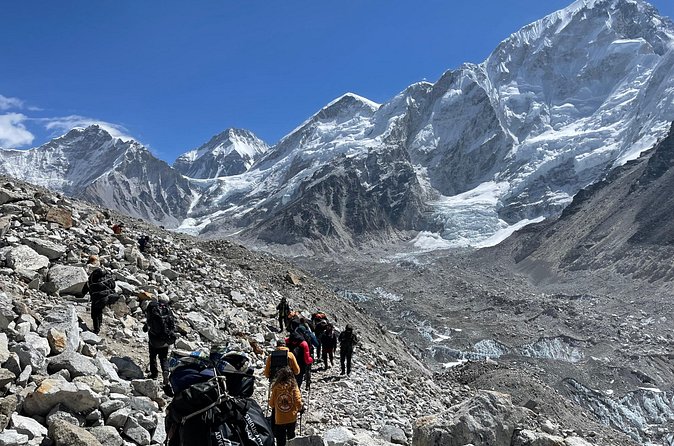
The description is clear that this isn’t a casual stroll. You should treat it as a serious hiking trek with a focus on altitude adjustment.
The only fitness requirement stated is straightforward: you should have a strong physical fitness level. That’s not marketing language. It’s the reality of hiking days at higher elevations and doing acclimatization thoughtfully.
Because Namche Bazaar is emphasized as the key acclimatization stop, you should expect a pace that prioritizes recovery. That usually means more resting than people imagine from a marketing brochure, and it means you should take symptoms seriously rather than pushing through.
Also, because accommodation and guest meals aren’t included, you’ll want to be mentally ready to handle those day-to-day logistics at the lodge level. That’s normal for this region, but it affects budgeting and comfort.
Accommodation and meals: plan for what’s on you
Since accommodation and guest food are not included, your comfort will depend on what you choose for the nights and what’s available when you’re there. In practice, this is often one of the easiest parts to manage when you have a guide arranging things, and some feedback specifically praises guides for organizing lodging and transport.
Still, you should budget extra for:
- Your own lodge/hotel costs while trekking
- Meals while on the trail and in stop towns
- Beverages
If you’ve done EBC before, you already know the style: you’re not in an all-inclusive resort, even when the trekking logistics are well-run. This is a guided trekking experience with you carrying some costs directly.
Who this Everest Base Camp trek fits best
This trek is a strong match if you want:
- A private experience with a guide-led plan
- Clear structure around acclimatization at Namche Bazaar
- A route that also gives you a memorable connection to Ama Dablam
- A package that handles permits, domestic flight, and airport transfers
It may feel less ideal if:
- You want full board pricing with everything covered
- You’re not comfortable planning your own accommodation and meals
- You’d rather handle permits and logistics yourself (because the package includes them)
It also suits hikers who value good communication during the planning stage. Support described around preparation suggests that the company’s process can help you get your bearings early.
Should you book this Everest Base Camp trek?
I’d book it if you want a guided EBC trek where the hard parts are managed for you: permits, domestic flight, airport transfers, and an experienced guide who keeps the route steady. The emphasis on Namche Bazaar acclimatization is exactly what you want for altitude safety and comfort.
I’d think twice if you dislike “add-on” costs and you want one single all-in number. Since guest accommodation and food, beverages, insurance, and tips aren’t included, you’ll need to budget beyond the advertised price.
Also, be honest about fitness. This trek expects strong physical conditioning, and the success of your experience depends on how well you handle the altitude rhythm, not just your excitement.
If you’re ready for a real trekking commitment and you appreciate solid logistics support, this is the kind of EBC setup that can turn a big dream into a clean, well-run journey.
FAQ
Where does this Everest Base Camp trek start?
It starts at Adventure Treks Nepal P. Ltd. in Thamel, Kathmandu (Thamel Marg, Kathmandu 44600, Nepal).
How long is the Everest Base Camp trek?
The duration is listed as about 12 days.
What is the price per person?
The price is $990.00 per person.
Is this tour private?
Yes. It’s described as a private tour/activity, so only your group participates.
What’s included in the price?
Included are a domestic flight, necessary permits and entrance fees, guide salary plus guide food, guide equipment and insurances included in the trip cost, and airport transfer services for arrival and departure (including the domestic flight).
What is not included?
Not included are beverages, tips, your travel insurance, personal/nature expenses, international flights and the Nepal visa fee, and accommodation and food for the guest.
Is a mobile ticket provided?
Yes, the tour includes a mobile ticket.
What meeting point should I use in Kathmandu?
Use the Adventure Treks Nepal P. Ltd. office in Thamel along Thamel Marg, Kathmandu 44600.
Do I need strong fitness to do this trek?
Yes. The experience notes that travelers should have a strong physical fitness level.
What’s the cancellation refund window?
You can cancel for free up to 24 hours in advance for a full refund. Canceling less than 24 hours before the start time doesn’t get a refund.