REVIEW · KATHMANDU
Kathmandu: 15-Day Everest Base Camp Trek with Guide
Book on GetYourGuide →Operated by Outshine Adventure Pvt Ltd · Bookable on GetYourGuide
Everest starts long before you see Everest. This 15-day trek from Kathmandu builds the story the right way: small-group pacing up through the Khumbu, plus an English-speaking licensed Sherpa guide who adds cultural context as you move. The main thing to keep in mind is that Lukla flights can be weather-sensitive, so you should expect plan flexibility on flight days.
I also like how the itinerary balances effort with recovery. You get a real Kathmandu intro with Durbar Square, Swayambhunath, Boudhanath, and Pashupatinath—then the trek eases in via Phakding and Namche, with a rest/acclimatization day in Namche Bazar plus a hike toward Syangboche. And if you need gear, the package can provide a down jacket and sleeping bag if needed, which makes an early decision about packing a lot easier.
One more practical note: the tour price covers a lot on the ground, but it doesn’t cover everything you’ll likely spend in Nepal. Meals during the trek and trekking airfare to/from Lukla are not included, so your real total will depend on those add-ons.
In This Review
- Key things that make this Everest Base Camp trek worth your time
- How this trek plan stays organized (even when the mountains aren’t)
- Kathmandu first: Durbar Square, Swayambhunath, Boudhanath, Pashupatinath
- Lukla launch: the flight step, Phakding, and settling into Sagarmatha National Park
- Namche Bazar and Syangboche: where acclimatization turns into confidence
- Tengboche to Dingboche: Sherpa villages, Khumbu glacier, and Chhukung Valley
- Gorakshep and Kalapathar: the Everest-view payoff and why early starts matter
- Flying back to Kathmandu and recovering like a human
- Price and logistics: what $675 covers, and what you must budget separately
- Weather and the Lukla flight risk: how to plan without panicking
- Who this trek suits best (and who might struggle)
- Should you book this Everest Base Camp trek with Outshine Adventure?
- FAQ
- What’s included in the trek price?
- What is not included in the price?
- How long is the trekking experience?
- What’s the language used for the guide?
- Is accommodation provided?
- Are meals included during the trek?
- Do I need to bring my own sleeping bag or jacket?
- How do flights to and from Lukla work?
- Can I cancel for a full refund?
- What should I bring for the trek?
- Is this trek suitable for wheelchair users?
Key things that make this Everest Base Camp trek worth your time
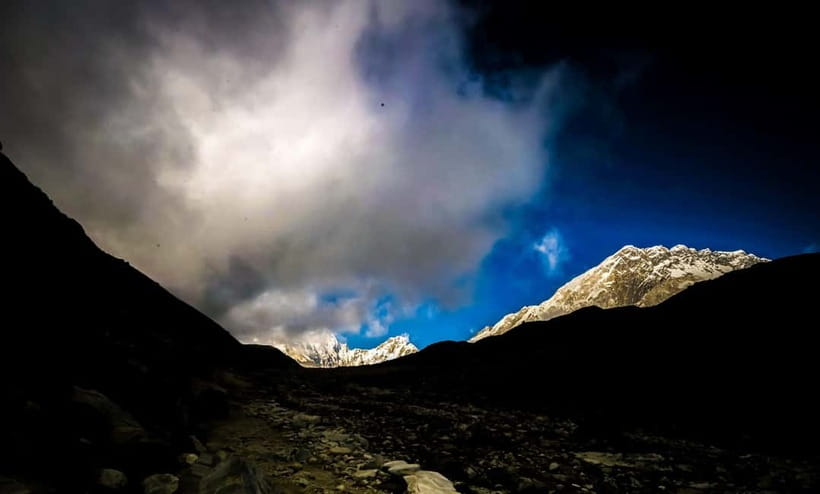
- Tight, small-group feel with tailored pacing so you’re not stuck in a slow-moving crowd.
- Licensed English Sherpa guide who can connect the route with Sherpa culture and daily life.
- Acclimatization built into the schedule, including Namche rest day and a push to Kalapathar before heading back.
- Guest houses during the trek plus Kathmandu hotel nights arranged for you.
- Down gear support if needed, which helps if you’re traveling light or want less hassle.
How this trek plan stays organized (even when the mountains aren’t)
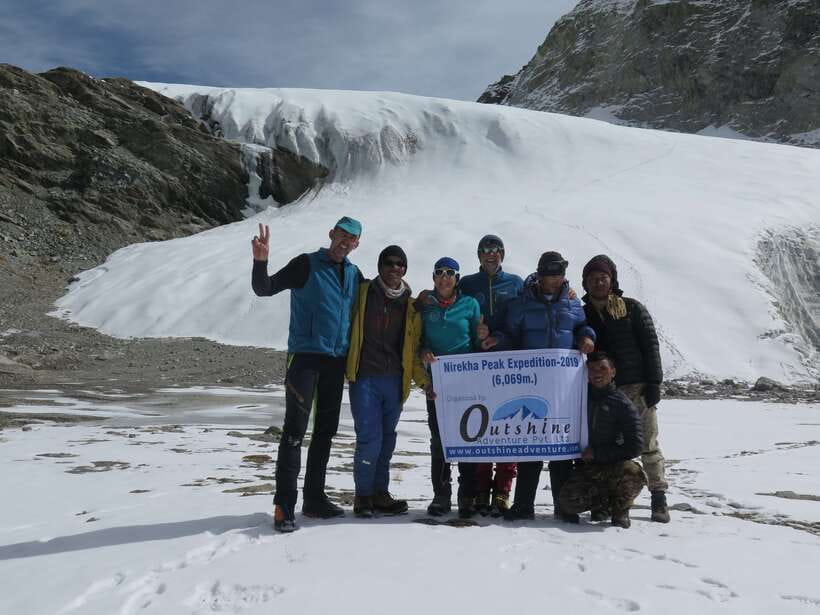
I like when a Himalayan trek feels calm on the logistics side, because the mountains are already doing plenty. This one is set up with private airport/hotel transfers in Kathmandu, standard Kathmandu hotel accommodation for 3 nights, and guest houses along the trekking route. On trek days, you’re guided, fed in a structured way (though meals on the trek are not included in the price), and you’re moving through a clear sequence of altitude gains and recovery points.
The biggest value here is that the route isn’t just a list of towns. It’s a pacing strategy. You start with an easy approach after flying into Lukla, then you climb through the Dudh Koshi valley to Namche Bazar, then you build in acclimatization before pushing deeper toward Tengboche, Dingboche, and the high country around Gorakshep.
Also, the guide team in this program gets specific praise for being hands-on when things go sideways. Names that come up include Kale Prakash and Dillisher Katuwal, and in at least one account, the guide provided strong support when someone got sick on the trek. Another account highlights Santos and Kumar for kindness and help, and Gokul for smooth organization in Kathmandu and the handoff back to the city. That matters because Everest-region treks aren’t only about views. They’re about problem-solving: altitude, timing, weather, and simple comfort.
You can also read our reviews of more guided tours in Kathmandu
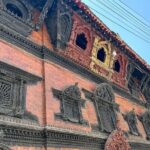
Kathmandu first: Durbar Square, Swayambhunath, Boudhanath, Pashupatinath
Day 1 is straightforward: arrival at Kathmandu Airport, then a private transfer to your hotel with trek info from your guide. It’s a good setup because you’re not sent off “to figure it out.” You get a human to translate the plan into something you can actually picture.
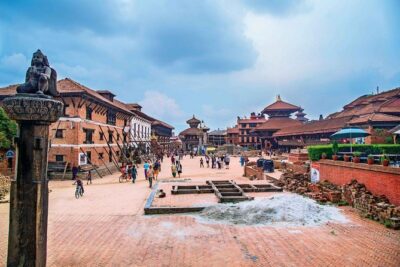
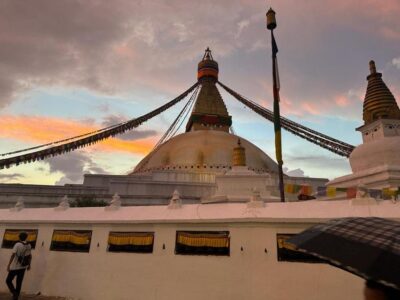
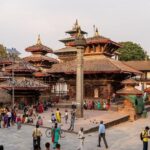
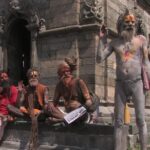
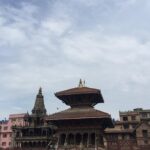
Day 2 is your cultural warm-up with a private car tour. You’ll visit:
- Kathmandu Durbar Square
- Swayambhunath
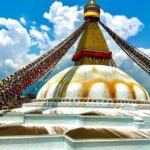
- Boudhanath
- Pashupatinath (the cremation temple)
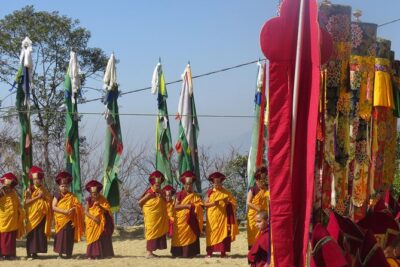
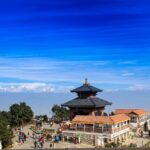
This is more than sightseeing. If you’re trekking in the Everest region, you’re stepping into a world shaped by Buddhism and Sherpa culture. The best time to understand that is before you leave paved roads behind. Even if you only catch a few key moments at each site, you’ll recognize religious themes again later on the trail—especially around monasteries and village life near Tengboche and other stops.
Practical tip: wear comfortable shoes for the city day. Kathmandu sites involve uneven ground and stairs, and your legs will thank you later.
Lukla launch: the flight step, Phakding, and settling into Sagarmatha National Park
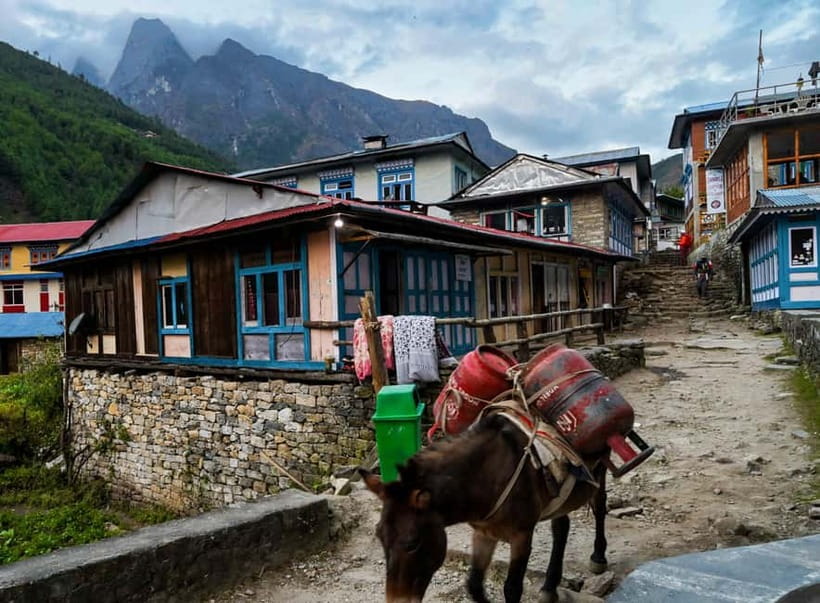
Day 3 is a flight from Kathmandu to Lukla, then an easy trek to the upper region of Phakding for the night. This “landing day” style matters. You’re not immediately stacking hours at altitude. You’re letting your body adapt while you orient yourself to the trail rhythm: small climbs, regular breaks, steady walking.
Over the next few days, you’ll be in Sagarmatha National Park, a World Heritage Site, where the scenery and the culture overlap constantly. The route gives you time to see Buddhist monasteries and meet friendly Sherpa people. In practice, that means the trail feels alive with human stories, not just altitude numbers on a chart.
One important consideration: the airfare from Kathmandu (Ramechhap) – Lukla – Kathmandu (Ramechhap) is not included in the trek price. The tour can arrange flights on request, but you need to plan for this cost. And because Lukla weather can disrupt schedules, build flexibility into your mindset for Day 3 and Day 14-type days.
Namche Bazar and Syangboche: where acclimatization turns into confidence
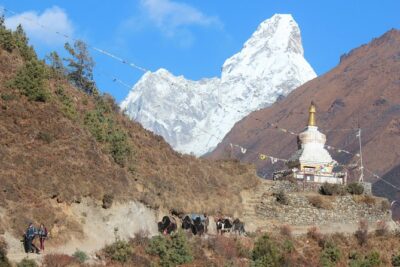
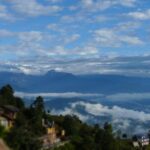
Day 4 brings you to Namche Bazar by following the Dudh Koshi valley, then climbing up toward one of the best-known hubs of the Everest region. Expect rhododendron forests and panoramic views of the Everest area. I like Namche because it’s both practical and scenic—you can rest, eat well, and still feel like you’re already in the high country.
Day 5 is the key day: a rest day in Namche Bazar to acclimatize. You hike up to Everest View Point Hotel Syangboche at 3850 meters. This kind of “rest day with a smart climb” is a common strategy because it helps your body adjust without draining you. You’re not just resting. You’re testing how you feel higher up.
Day 6 then takes you to Tengboche. The trail continues through high altitudes and chilly weather, and after two hours of climbing you reach Thyangboche Monastery at about 3,867 meters. Tengboche/Thyangboche is one of those spots where the view and the spiritual atmosphere click together. I’d treat this stop like a slow moment. The ridges and the monastery setting make it easy to understand why this region has such a strong cultural identity.
Tengboche to Dingboche: Sherpa villages, Khumbu glacier, and Chhukung Valley
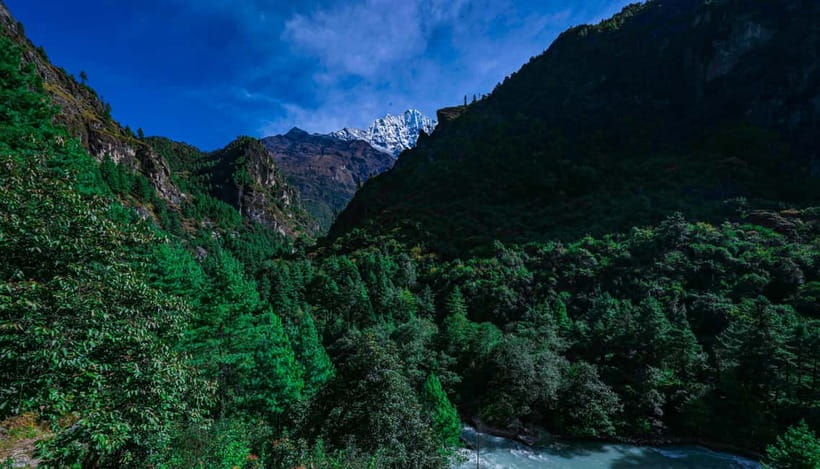
Day 7 is your move deeper: Tengboche to Dingboche. You pass through villages including Imja Khola, Pangboche, and Pheriche before reaching the Khumbu glacier area. This is where you start noticing the details that make Everest-region trekking feel different from generic mountain hiking: the pattern of village life, the way people work around altitude, and how Sherpa culture shows up in everyday rhythms.
Day 8 is a day trip to Chhukung Valley and back to Dingboche. The plan notes Chhukung Valley as one of the world’s best hikes. Even without quoting that line, you can expect a more active day—usually because the terrain feels more dramatic and the walking is less “settling.” The benefit of doing it as a day trip is that you still return to Dingboche for the night, so you don’t add extra fatigue while you’re still building acclimatization.
Day 9 takes you to Lobuche, another step toward the Everest approach. You’ll rest and admire the design of nature—meaning glaciers, rock, and the subtle shift in how the mountains look when you’re getting closer to the high, exposed zones.
You can also read our reviews of more hiking tours in Kathmandu
Gorakshep and Kalapathar: the Everest-view payoff and why early starts matter
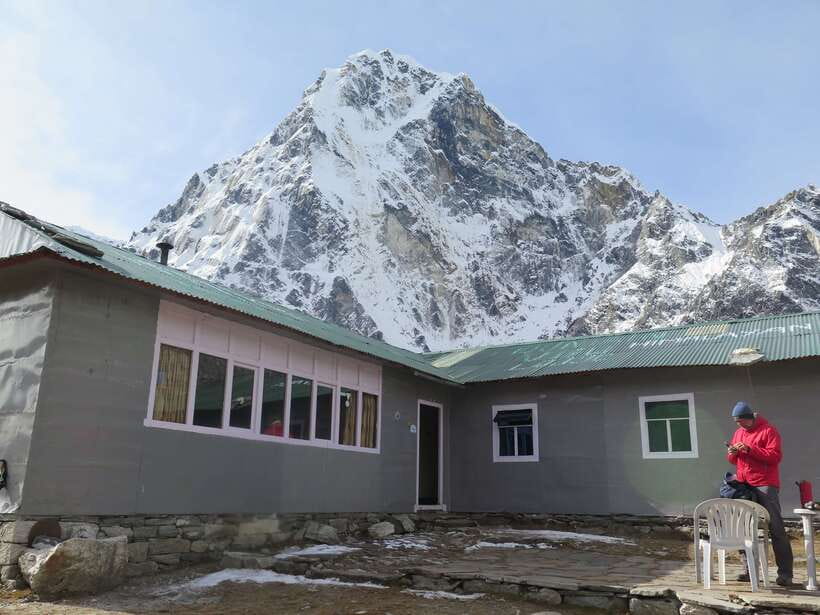
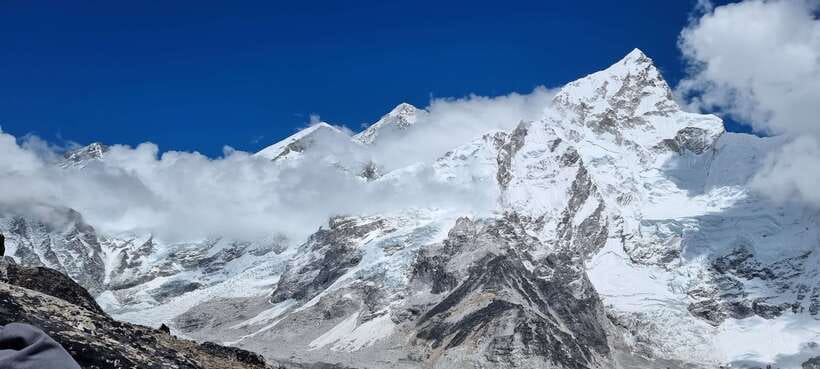
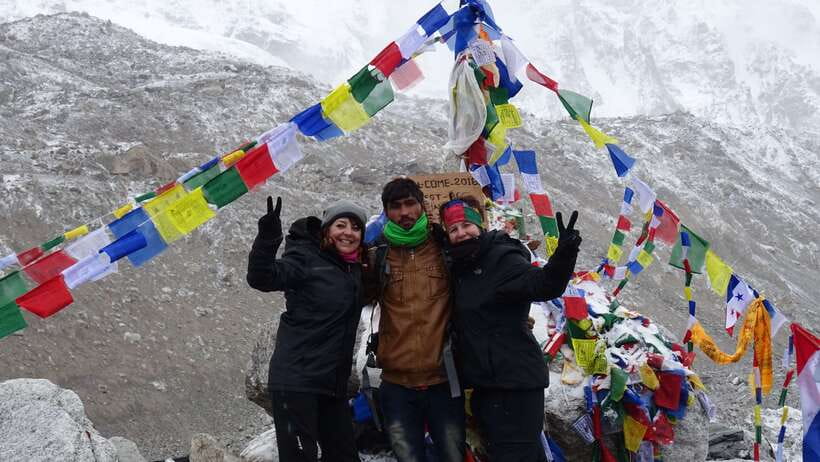
Day 10 is Gorakshep. You trek from Lobuche to Gorakshep, a small settlement on the shores of a frozen lake. You’re also being set up for your Everest Base Camp push, since Gorakshep is the departure point toward it.
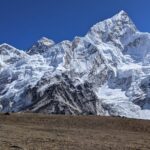
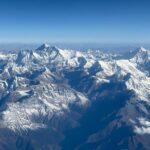
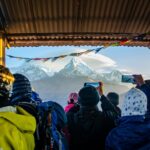
Day 11 is the classic early-morning moment: a hike to Kalapathar followed by a return to Pheriche. The schedule specifically calls for rising early to make the most of fantastic views. This is one of those practical truths: the clearer the morning, the better your chance of seeing Everest-type silhouettes the way you came for. In one account, a clear morning view of Mt. Everest from this early window made the whole trip feel worth it—even after several days of cloudy weather.
Day 12 is the descent back to Namche Bazar. This is where your legs start to feel the cumulative effort, but it’s also psychologically helpful because you’re moving toward Lukla and the endgame.
Day 13 then brings you back to Lukla. Yes, it’s a long walk, but it’s also the most straightforward kind of walking—less altitude drama than before, more about steady effort.
Flying back to Kathmandu and recovering like a human
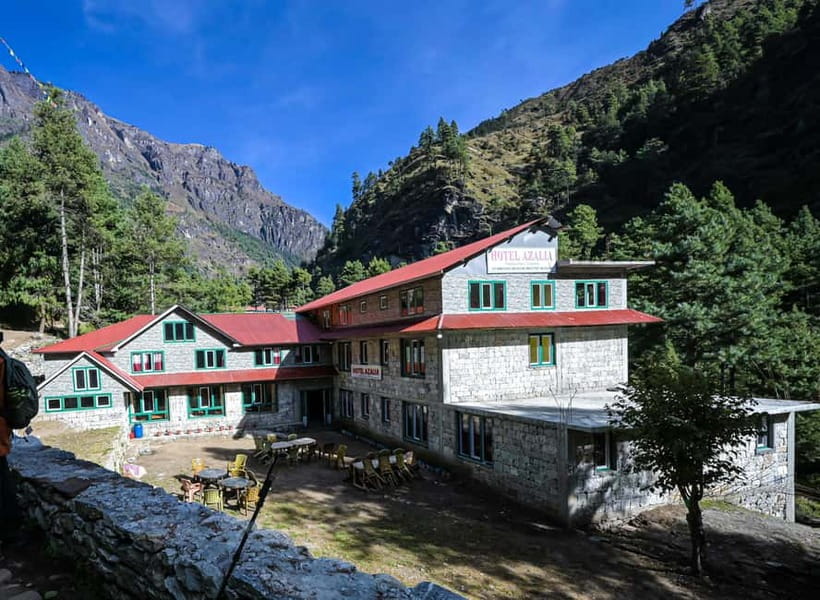
Day 14 is your flight back to Kathmandu, followed by a night in a Kathmandu hotel to recover. Day 15 is the final airport transfer for international departure.
I like this structure because it acknowledges what your body needs after high altitude trekking: real rest, a hot shower if you’re lucky, and time to eat normal food without snow-melt consequences.
Price and logistics: what $675 covers, and what you must budget separately
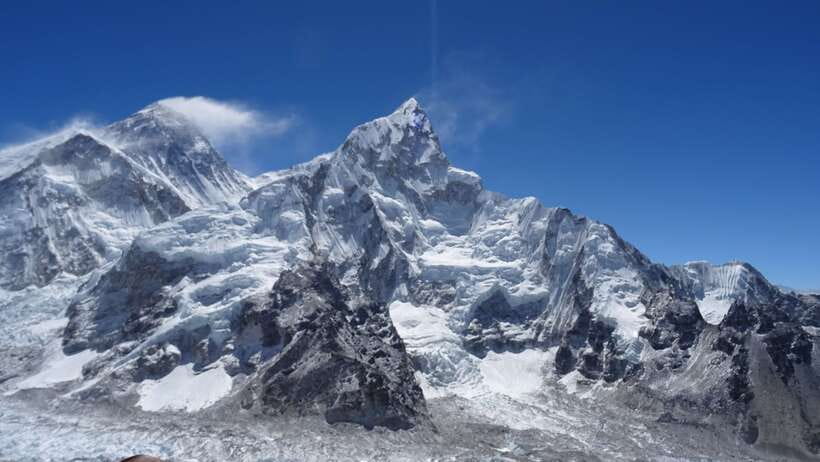
The listed price is $675 per person for a 15-day package. What makes it feel like decent value is that it includes a lot of the big-ticket operational items:
- Kathmandu airport/hotel pick-up and drop-off in a private car
- Hotel accommodation in Kathmandu for 3 nights
- A guided Kathmandu city tour in a private car
- Guest houses during the trek
- An expert licensed holder English-speaking Sherpa guide
- Everest National Park permits and TIMS trekking permits
- Staff food, accommodation, salary, insurance, equipment, and medicine
- Down-filled jacket and sleeping bag if needed
- All government taxes
What’s not included is where your personal total can change:
- Trekking airfare Kathmandu (Ramechhap) – Lukla – Kathmandu (Ramechhap)
- Travel insurance and any city entrance fees
- Breakfast/lunch/dinner during the trek
- Porters (optional; shared with two people)
- Alcoholic and cold/hot drinks
- Any other expenses not mentioned
So here’s the honest way to think about it: the package price buys you organization, permits, guiding, and core lodging. You still need to carry the costs of getting in and out of Lukla and covering your own food during the trek days.
Weather and the Lukla flight risk: how to plan without panicking
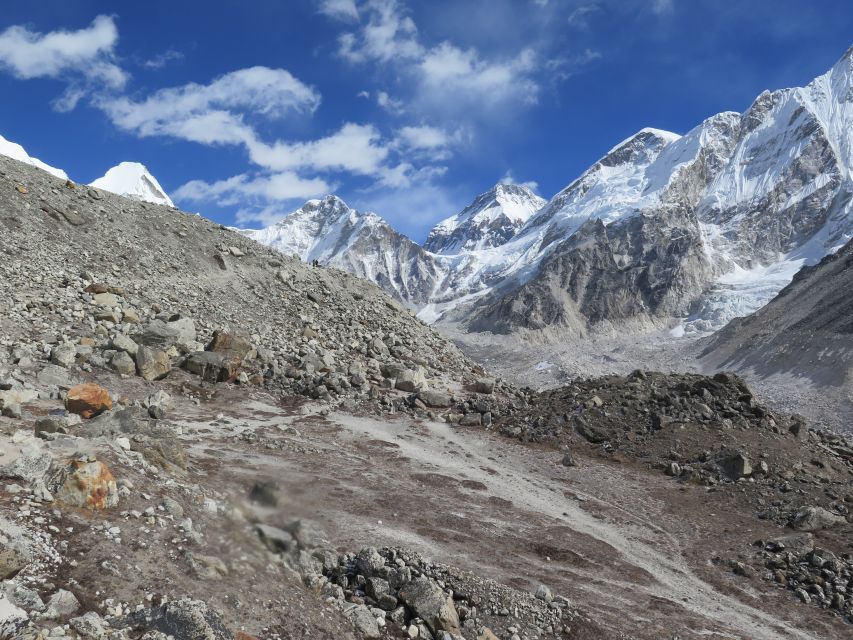
I can’t ignore the weather factor. Lukla flights are known to be sensitive, and this program depends on that transport step both ways. One booking experience described weather trouble in Lukla that prevented completing Everest Base Camp as originally planned, with an itinerary change offered as an alternative trek.
So if you choose this trek, choose it with a flexible mindset. You want a plan that can adjust without breaking you financially or emotionally. Ask your operator what options exist if flights don’t run as expected—especially if your time in Nepal is tight. Having a backup idea helps you keep the trip positive even when the sky has other plans.
Who this trek suits best (and who might struggle)
This trekking style is described as accommodating various fitness levels. The schedule includes acclimatization time (like the rest day in Namche), and the route uses gradual progression toward higher altitudes.
You’ll likely enjoy it most if you:
- want a guided Everest Base Camp route with culture stops built in from Kathmandu onward
- like small-group travel where you can move at a human pace
- prefer having permits and core logistics handled so you can focus on walking, rest, and views
If you use a wheelchair, this option is not suitable.
Should you book this Everest Base Camp trek with Outshine Adventure?
If your priority is a well-run Everest-region trek with a licensed English Sherpa guide, guest-house lodging, and permits taken care of, this looks like a solid choice. The Kathmandu pre-trek day is also a plus because it sets context for what you’ll see later—monasteries, Sherpa village life, and the religious texture of the region.
I’d especially lean toward booking if you like the idea of:
- acclimatization built in (Namche rest day plus Kalapathar early start)
- receiving down gear support if needed
- a small-group setup that can feel more personal
I’d think twice if your trip is very time-crunched or you can’t tolerate flight disruption risk from Lukla. The mountain doesn’t follow calendars, and this trek depends on those flights.
If you’re still deciding, ask two straight questions before paying: what’s the likely alternative if Lukla weather stops flights, and what food costs should you plan for during the trek. If you can answer those calmly, you’re set up for one of Nepal’s most memorable walking journeys.
FAQ
What’s included in the trek price?
The package includes private airport/hotel pick-up and drop-off in Kathmandu, Kathmandu hotel accommodation for 3 nights, a guided Kathmandu city tour in a private car, guest house accommodation during the trek, an English-speaking licensed Sherpa guide, Sagarmatha National Park permits, TIMS permits, and down-filled jacket and sleeping bag if needed.
What is not included in the price?
Airfare for Kathmandu (Ramechhap) – Lukla – Kathmandu (Ramechhap), travel insurance, city entrance fees, breakfast/lunch/dinner during the trek, optional porters, alcoholic and cold/hot drinks, and any other expenses not mentioned are not included.
How long is the trekking experience?
It’s a 15-day trek package.
What’s the language used for the guide?
The guide is English-speaking.
Is accommodation provided?
Yes. You get standard hotel accommodation in Kathmandu for 3 nights, and guest houses during the trek.
Are meals included during the trek?
No. Breakfast, lunch, and dinner during the trek are not included.
Do I need to bring my own sleeping bag or jacket?
The package can provide a down-filled jacket and sleeping bag if needed.
How do flights to and from Lukla work?
The itinerary includes flights to Lukla from Kathmandu (Ramechhap) and a return flight to Kathmandu (Ramechhap), but the airfare is not included in the listed trek price. Flights can be reserved or booked on request.
Can I cancel for a full refund?
The offer includes free cancellation up to 7 days in advance for a full refund.
What should I bring for the trek?
Wear comfortable shoes and bring sunglasses.
Is this trek suitable for wheelchair users?
No, it is not suitable for wheelchair users.