REVIEW · KATHMANDU
12 Days Everest Base Camp Trekking
Book on Viator →Operated by Blissful Himalayas · Bookable on Viator
Everest starts with a short flight. This 12-day Everest Base Camp trek with Blissful Himalayas is interesting because it builds acclimatization into the schedule and keeps the logistics tight from Kathmandu to the high Khumbu villages.
I really like how the trek includes the key “must-haves” like round-trip domestic airfare to Lukla (or Ramechhap in peak season), a Kathmandu hotel night, and all meals in the tea houses.
I also like that you’re not just dropped on a trail. The tour is led by a licensed English-speaking guide, and one named guide you may see credited by previous trekkers is Ramchandra. A possible drawback: this is very much a mountains-first trip, so if you hate early mornings or you’re not comfortable with altitude pacing, you’ll want to think carefully before signing up.
In This Review
- Key highlights (what makes this trek work)
- Price and logistics: what you pay for, and what you still need to plan
- Kathmandu check-in to Lukla lift-off: where the trek really starts
- Namche Bazaar days: acclimatization that feels earned
- Sagarmatha National Park and rhododendron forests: big views with steady effort
- Dingboche: the rest-and-recover day that helps you go further
- Khumbu Glacier terrain: the day you start feeling the scale
- Gorak Shep to Everest Base Camp, plus Kala Patthar sunrise
- Heading back down days 10-11: knees and careful steps
- Day 12 Kathmandu reset: flight home and a farewell dinner
- How private group structure changes your experience
- Who this trek is best for (and who should be cautious)
- Should you book Blissful Himalayas for the Everest Base Camp trek?
- FAQ
- What is included for the Everest Base Camp trek besides the guide?
- Do I need to arrange permits for this trek?
- Are meals included during the trek?
- What kind of accommodation will I have?
- Is this tour private or a group trip?
- What fitness level do I need?
- Are flights included to reach Lukla?
- Is insurance included?
- Can I add a porter if I want one?
- Is the itinerary based on acclimatization days?
Key highlights (what makes this trek work)
- Lukla flights included (and Ramechhap used during peak season)
- Permits handled with Sagarmatha National Park permit and TIMS card included
- Acclimatization days in Namche Bazaar and Dingboche built into the plan
- Altitude support with a basic first aid kit plus a pulse oximeter
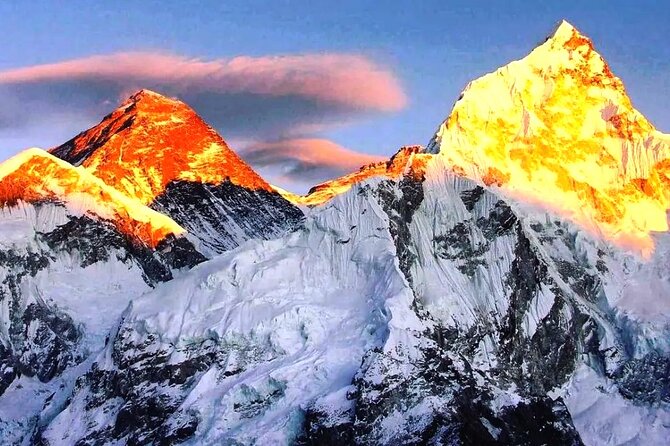
- Kala Patthar sunrise focus for classic Everest-area views
- Tea house comfort basics: twin-sharing rooms and all trek meals included
Price and logistics: what you pay for, and what you still need to plan
At $1,399 per person for an approx. 12-day Everest Base Camp trek, you’re paying for more than walking. The value here is in the things that usually cause trip headaches: domestic flights, permits, and day-to-day meals and accommodation structure.
Here’s what’s included that actually matters on this route:
- Kathmandu ground transport (airport pickup and drop-off)
- 1 night deluxe hotel in Kathmandu with breakfast
- Round-trip domestic airfare between Kathmandu (or Ramechhap in peak season) and Lukla
- Twin-sharing teahouse lodging during the trek
- All meals on the trek (breakfast, lunch, dinner) plus tea/coffee with breakfast
- A licensed, experienced English-speaking guide (salary, meals, accommodation, and insurance are covered)
- Permits (Sagarmatha National Park Permit and TIMS card)
- A basic first aid kit with a pulse oximeter
- Government taxes and official service charges
What’s not included (and you should budget for):
- Your international airfare to/from Nepal
- Nepal entry visa fee (available on arrival)
- Travel and medical insurance (strongly recommended)
- Tips for the guide and support staff
- Personal expenses like snacks, drinks, Wi-Fi, laundry, and hot showers
The big practical takeaway: if you’ve ever planned a Himalayan trek, you know the “hidden” costs and missing pieces can add up fast. This price includes a lot of the stuff you’d otherwise spend time chasing, which is a real quality-of-life upgrade.
You can also read our reviews of more hiking tours in Kathmandu
Kathmandu check-in to Lukla lift-off: where the trek really starts
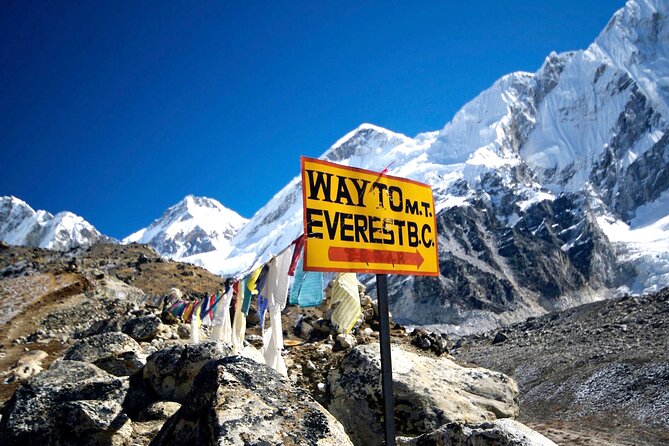
Day 1 is all about getting you from Kathmandu to the trailhead with minimal fuss. Your guide meets you at the hotel, then you’re driven to the airport for an early flight to Lukla (2,800m / 9,184ft). Lukla’s airstrip is short, the views are steep, and the whole experience sets the tone: you’re not easing in on a flat warm-up day. You’re entering the Khumbu world fast.
From Lukla, you trek to Phakding (a lower-lying starting leg that helps your body settle). Practically, this first day is valuable because it’s enough time to start moving and get your rhythm without immediately jumping to the highest elevations.
What to watch for on Day 1:
- Early flights are part of the deal, so you’ll want to be rested and ready.
- Weather can affect flights in Nepal, and mountain days don’t always behave like city schedules.
Still, the good news is the core logistics are handled: airport transfers, flights, and your first trekking day are all built into the plan.
Namche Bazaar days: acclimatization that feels earned
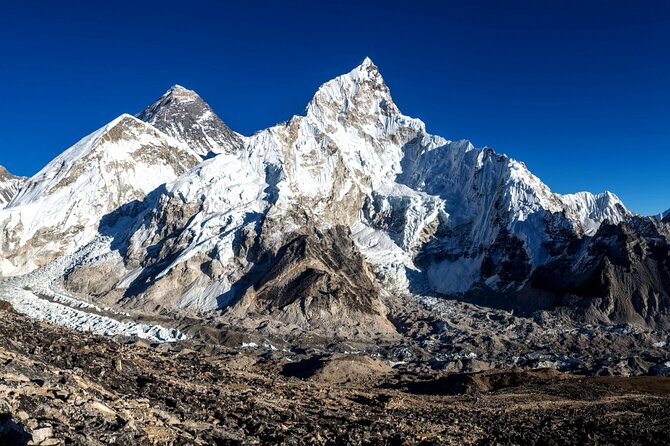
Days 2 and 3 focus on Namche Bazaar, the main trading hub of the Khumbu region. You trek from Phakding up through a route with suspension bridges, then gradually gain elevation into Namche.
This stretch matters because Namche is where many trekkers first feel the altitude hit. The schedule reflects that reality. On Day 3 you get a full acclimatization day. You can explore Namche’s viewpoints and, if you feel good, you can optionally hike up to Everest View Hotel for panoramic views of Everest and surrounding peaks.
Why I like this approach for you:
- You don’t just “climb because the calendar says so.”
- You get a built-in chance to assess how your body is responding before pushing higher.
A small word of realism: Namche is a busy mountain town compared to the villages ahead of it, and you’ll likely feel the contrast. If you enjoy meeting people and seeing how trekkers plan their next moves, Namche is a great place for it.
Sagarmatha National Park and rhododendron forests: big views with steady effort
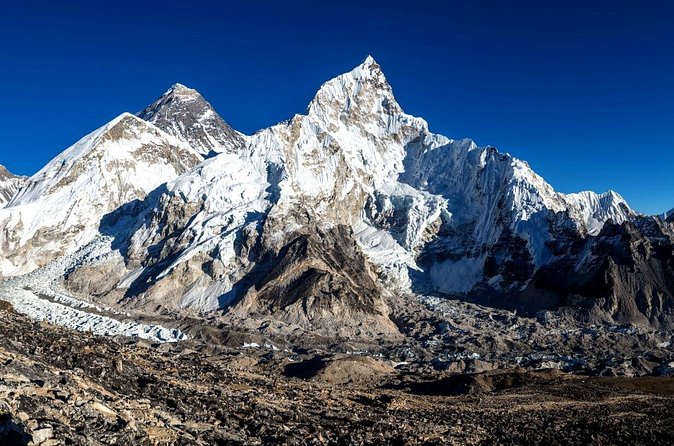
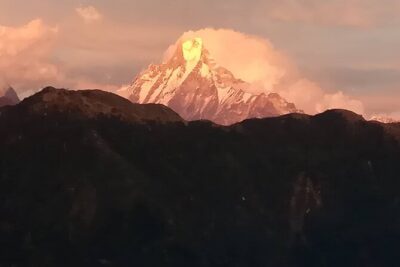
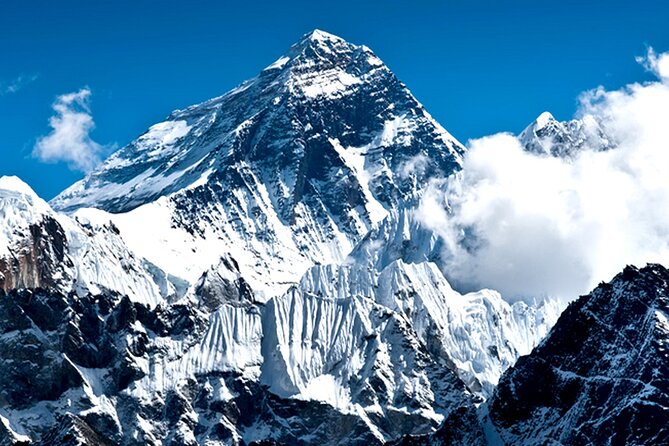
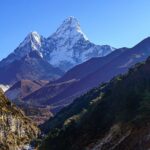
On Day 4, your route turns into something special visually. You’re treated to panoramic views of Everest, Nuptse, and Ama Dablam en route, then you descend for about two hours through rhododendron forest before climbing again toward the next higher area (you’ll end up moving toward Dingboche on later days).
This day’s value is that it gives you:
- Classic high-mountain “wow” scenery
- Enough altitude movement to keep your trekking legs active
- A gradual pattern rather than a brutal vertical jump
Potential drawback: rhododendron season can mean slippery, muddy sections depending on conditions. Even when the route feels scenic, you’ll still want to place steps carefully, because footing matters a lot at altitude.
Dingboche: the rest-and-recover day that helps you go further
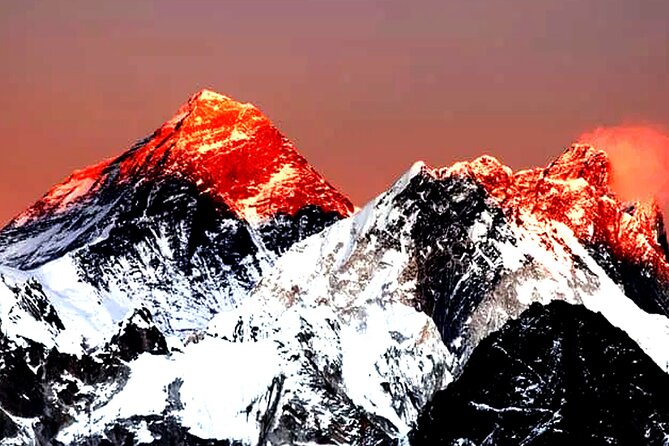
Days 5 and 6 are anchored around Dingboche, a village in the Khumbu Valley with outstanding Himalayan views. The trek into Dingboche includes alpine forest sections and stretches of more barren terrain, and the walk builds toward big scenery plus a sense of “we’re really getting up there.”
Day 5 is a longer day into Dingboche, where you can enjoy views including Island Peak and other surrounding peaks. Day 6 is the second acclimatization day—this one is crucial.
You spend the day acclimatizing in Dingboche, with optional hikes like Nagarjun Hill or Chukhung depending on how you feel. This is the right kind of free time: it’s not full downtime, but it’s also not another forced summit-style climb.
Why this matters: altitude treks succeed when you respect your body. The schedule here gives you breathing room without turning the whole trip into rest-only mode.
Khumbu Glacier terrain: the day you start feeling the scale
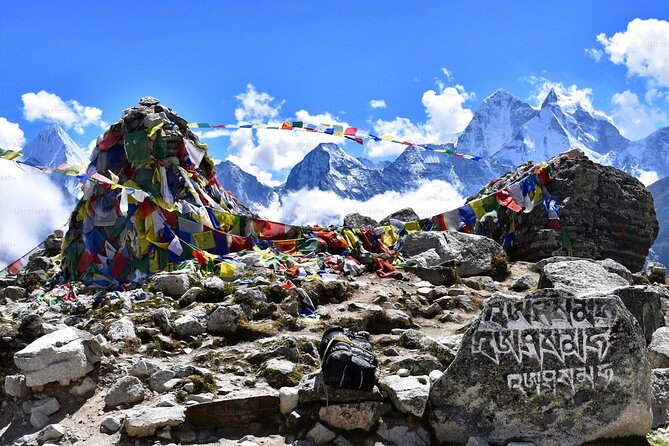
On Day 7 you head toward the Khumbu Glacier area. You start early, cross the Khumbu River, then ascend through rocky terrain and glacial moraines. You’ll get direct views of the glacier and surrounding peaks.
This is one of those days where the scenery feels less like postcard Everest and more like real mountain engineering: boulders, moraines, and wide open cold spaces that make you understand how massive this region is.
Practical notes:
- Early starts are common, so plan for an efficient breakfast and quick packing.
- This is a “legs working” day. Your body will feel the transition from village trails to more rugged glacier-adjacent terrain.
By the end of this day (and on Day 8), you’ll be much closer to the final approach.
Gorak Shep to Everest Base Camp, plus Kala Patthar sunrise
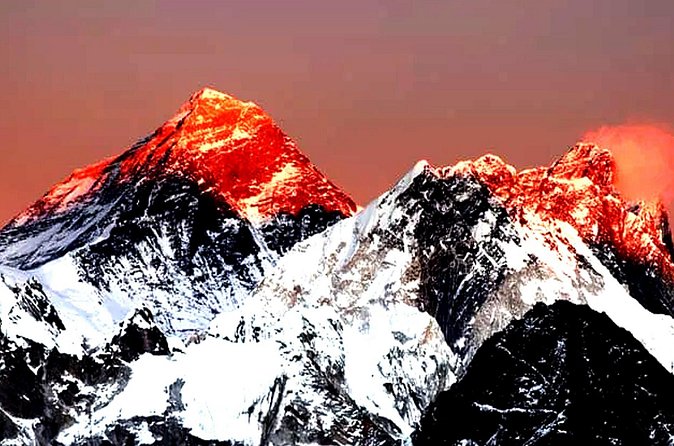
Day 8 is a big one. You trek from Lobuche to Gorak Shep, the final settlement before Everest Base Camp. After lunch and settling your bags, you continue on to Everest Base Camp and have time to explore the area.
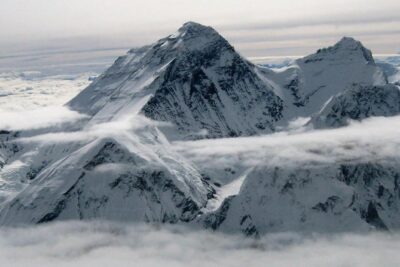
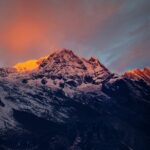
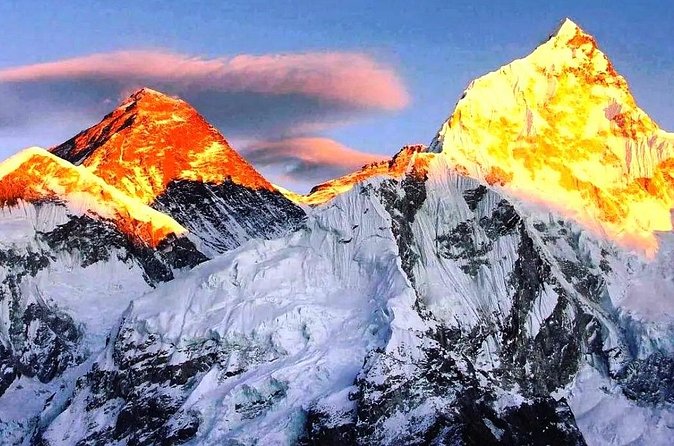
Day 9 is built around the highest-value moment for many people: the early hike to Kala Patthar for sunrise views over Everest, Lhotse, and other peaks. After that, you return to Gorak Shep.
A couple balanced realities to keep in mind:
- Sunrise climbs are hard, even for fit trekkers. It’s a lot of steps at high altitude.
- The payoff is huge, but you still want to keep your effort steady rather than racing.
Also, Day 9 in the itinerary is labeled with wording about a helicopter landing at Kala Patthar. The practical experience described for the day centers on walking up for sunrise and returning afterward—so your main expectation should be the hike itself, not a flight-based shortcut.
Heading back down days 10-11: knees and careful steps
Days 10 and 11 shift into descent mode. Descending is often easier on paper, but it’s where knees can take a beating. The plan still includes time to enjoy the surroundings while emphasizing careful footing and balance.
Day 11 is described as a final trekking day with a short trek, and then an evening celebration with your trekking companions, guide, and porters/support staff.
What I like about finishing this way:
- You get a “done” moment that feels earned, not rushed.
- You can take stock of what you learned about pacing, altitude, and your own limits.
Then Day 12 becomes your recovery-and-celebration landing in Kathmandu.
Day 12 Kathmandu reset: flight home and a farewell dinner
On Day 12 you take an early morning flight to Kathmandu from the mountain area. You’ll transfer to your hotel and get leisure time for relaxing or exploring. There’s also a farewell dinner organized as part of the trip’s wrap-up, and the trek includes the final dinner meal as well.
This last day is valuable because you can actually process the whole journey with fewer constraints. After many days of trail life, even a normal shower can feel like an event.
How private group structure changes your experience
This is listed as a private tour/activity, meaning only your group participates. In practice, that usually helps with pacing and decision-making. For example, if you’re two people traveling together (a setup mentioned in client feedback), you typically get a more personalized rhythm than you would on a big group departure.
You also get the sense that your guide can adjust timing based on your comfort level, which matters on altitude days like Namche and Dingboche.
One small note: the listing also mentions group discounts. If you’re traveling with friends or family, it’s worth asking whether adding people changes the per-person rate.
Who this trek is best for (and who should be cautious)
This trek is a strong fit if:
- You have moderate physical fitness
- You want a structured route with acclimatization days
- You prefer having permits, meals, and guiding sorted out
- You like the classic Everest Base Camp experience, not just a fast drive-by
You might want to think twice if:
- You get very anxious about altitude and need a slow, highly flexible plan
- You hate early mornings and sunrise climbs
- You’re hoping for a mostly comfortable walk with minimal fatigue
Altitude is the main variable in the Everest region, and this itinerary is built around making altitude safer through pacing and rest. Still, how your body reacts day-to-day is always your part of the deal.
Should you book Blissful Himalayas for the Everest Base Camp trek?
If you want an Everest Base Camp trek that feels organized without feeling overly scripted, this is a solid choice. The value comes from the practical inclusions: domestic flights, permits, all meals, teahouse lodging, and a licensed English-speaking guide with altitude monitoring support like a pulse oximeter.
I’d book it if you like structure, you’re okay with early starts, and you want your money to go toward the essentials instead of surprise logistics.
I’d skip or ask extra questions if you’re very altitude-sensitive, you need a very flexible plan beyond what’s on the itinerary, or you don’t want sunrise hiking like Kala Patthar.
FAQ
What is included for the Everest Base Camp trek besides the guide?
The trek includes airport pick-up and drop-off in Kathmandu, a 1-night deluxe hotel with breakfast, round-trip domestic airfare between Kathmandu (or Ramechhap in peak season) and Lukla, twin-sharing teahouse accommodation, and all trek meals (breakfast, lunch, dinner) with tea/coffee with breakfast. Permits (Sagarmatha National Park Permit and TIMS) and a basic first aid kit with a pulse oximeter are also included.
Do I need to arrange permits for this trek?
No. The Sagarmatha National Park Permit and TIMS card are included.
Are meals included during the trek?
Yes. Breakfast, lunch, and dinner are included during the trek, and tea/coffee is included with breakfast.
What kind of accommodation will I have?
You’ll have twin-sharing accommodation in local teahouses during the trek, plus 1 night in a deluxe hotel in Kathmandu with breakfast.
Is this tour private or a group trip?
This is listed as a private tour/activity, so only your group will participate.
What fitness level do I need?
The tour notes that travelers should have a moderate physical fitness level.
Are flights included to reach Lukla?
Yes. Round-trip domestic airfare is included between Kathmandu (or Ramechhap during peak season) and Lukla.
Is insurance included?
Travel and medical insurance are not included, though they are highly recommended.
Can I add a porter if I want one?
Porter service is available upon request, but it is not included by default.
Is the itinerary based on acclimatization days?
Yes. The plan includes acclimatization days in Namche Bazaar and Dingboche, with optional hikes on some of those days.