REVIEW · KATHMANDU
Folklore and Everyday Life in Ancient Patan
Book on Viator →Operated by Travel Nextdoor · Bookable on Viator
Patan feels like a living puzzle, and this walk helps you read it. I love the courtyard-to-courtyard route that shows how faith and daily life share the same space, and I love that the guide, Sandip (with helpful support from Pinhua), explains what you see with real clarity and humor. One thing to consider: Patan Durbar Square is not included, so you’ll finish nearby and may want to add it on your own afterward.
This is a smart choice if you want more than postcard Patan. You get a guided stroll through traditional streets and tucked courtyards, with stops focused on Newar Buddhism and Tantric Hindu practices and how they shape everyday routines. The group stays small (max 10), and the timing is friendly for a half-day window.
In This Review
- Key things to know before you go
- Where this Patan walk fits on your day
- The opening move: Patan Dhoka to Pimbahal’s monastery courtyard
- Nyakhachowk: how street architecture teaches faith and family ties
- Nagbahaa: global influence showing up in local religious art
- Swotha Square finish: temples, shrines, and a natural next step
- The guides’ style: Sandip’s storytelling and the humor factor
- Faith, folklore, and daily life: what you should expect to understand
- Price and value: why $65 can make sense here
- Logistics that matter: meeting point, pace, and comfort
- Who should book this tour (and who might skip it)
- Should you book? My simple decision test
- FAQ
- Where does the tour start and end?
- What time does the tour run?
- How long is the walking tour?
- Is Patan Durbar Square included?
- Which stops are included during the walk?
- Are entrance fees included for the stops?
- Is pick-up or drop-off provided?
- How big is the group?
- What happens if the weather is bad, or if I need to cancel?
Key things to know before you go
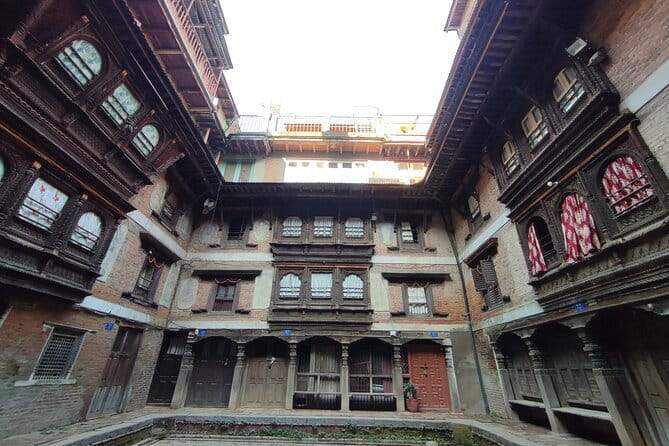
- Start at Patan Dhoka: The walk begins at the old town entrance gate and quickly shifts from the main road into quieter lanes.
- Pimbahal first: You’ll start with a Newar Buddhist monastery courtyard context, including a major monastic tradition.
- Architectural clues you can spot: Look for falchaa resting areas, ancestral shrines, and vernacular houses as you walk.
- Nagbahaa and art history in context: Expect a discussion about globalization influences on Buddhist/Hindu iconography, including Greek or Hellenistic impressions.
- Finish at Swotha Square: You end near Patan Durbar Square, with an easy walk if you want to continue on your own.
- Good weather matters: This is a walking tour, so plan for decent conditions.
Where this Patan walk fits on your day

This tour is priced at $65 for about 2 to 2.5 hours, and that time slot is one of its strengths. You’re not trying to cover every major monument; instead, you’re getting a focused route through the older fabric of Patan right around the main area. You’ll walk from Patan Dhoka (on Patandhoka Road, Lalitpur 44600) and end at Swotha Square (M8FG+W63), which is only a couple minutes on foot from Patan Durbar Square.
If your goal is to understand how Patan works—socially and spiritually—this format makes sense. Durbar Square is huge and impressive, but it can also feel like a single big stop. This tour routes you through the smaller spaces where people have lived with religion in plain sight.
Also, it’s small-group. With a maximum of 10 travelers, you’re more likely to get questions answered and to keep the pace comfortable through narrow streets and courtyard turns. You’ll use a mobile ticket, and you can expect an experienced local guide leading the walk.
You can also read our reviews of more tours and experiences in Kathmandu.


The opening move: Patan Dhoka to Pimbahal’s monastery courtyard
You start at Patan Dhoka, the entrance gate to the old town area. That matters because it sets expectations right away: you’re not starting in a museum hallway. You’re stepping into the lived geography of old Patan, where lanes funnel you toward courtyards and shrines rather than toward a single grand viewpoint.
From there, the first major stop is Pimbahal, described as a Newar Buddhist monastery dating back many centuries. The scale of the monastic tradition is part of the point. The monastery is noted as one of the most well-respected and embellished Buddhist monasteries in the Patan area, with more than 4,000 ordained monks in the monastic order. Even if you can’t count that many people in your own visit, the idea lands: this isn’t just a decorative stop. It’s tied to ongoing religious practice.
What I like about starting with Pimbahal is that it gives you a framework before you start collecting details. When you understand the courtyard logic—how buildings, prayer spaces, and everyday rhythms fit together—the rest of the walk becomes easier. You stop seeing courtyards as random alley breaks and start recognizing them as social and spiritual units.
Practical note: this stop runs about 30 minutes, and the admission ticket is listed as free for this segment. Still, go with respectful behavior. Courtyard spaces around monasteries and temples tend to be active parts of community life, not just photo backdrops.
Nyakhachowk: how street architecture teaches faith and family ties
After Pimbahal, the tour shifts to a cozy path that’s all about observing. Nyakhachowk is where you slow down enough to notice that architecture isn’t just pretty; it’s functional and meaningful in how people organize identity and worship.
The walk highlights traditional features you can actually spot. Expect discussion around falchaa, which are resting areas, plus ancestral shrines and vernacular houses. In other words, the tour isn’t only pointing at big religious buildings. It’s also asking you to pay attention to the smaller infrastructure that supports everyday life—places where people pause, where family memory is kept, and where sacred meaning sits close to daily routines.
The stop is about 30 minutes and also lists admission as free. You’ll likely be walking and looking more than standing still. So if you’re the type who likes to take photos, bring a charged phone and keep your camera habits respectful—there are times when quiet observation works better than snapping constantly.
One more thing: Nyakhachowk is described as a courtyard area that houses a religious site associated with a mosque. Even with the truncated description, the takeaway is clear: this neighborhood holds more than one religious world in the same spatial ecosystem. That’s one of the reasons this tour feels more “real” than a list of monuments.
Nagbahaa: global influence showing up in local religious art
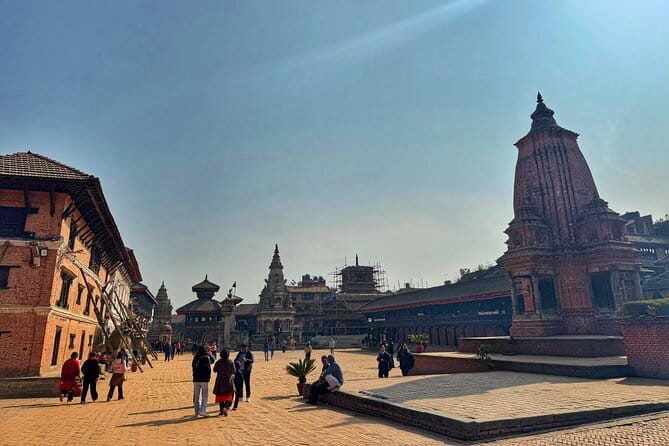
Next comes Nagbahaa (Nagbahaa), one of the largest courtyards in old Patan. The tour gives you a short but meaningful session here—about 15 minutes. Because the time is tight, the guide’s interpretation matters more than lingering.
Here’s the theme: how globalization in ancient times shaped traditional art. The tour notes that Greek influence and Hellenistic impressions show up in Buddhist/Hindu iconography. Even if you don’t already know what Hellenistic style looks like, you’ll be primed to look for the stylistic fingerprints in the religious artwork. That kind of guided looking is exactly how small courtyards turn into history lessons you can feel.
Why this is valuable: a lot of visitors assume art styles only travel via modern borders. This framing shows you that old Patan wasn’t isolated. Trade, travel, and cultural contact likely left traces in the way gods and legends are depicted. You start to see religious art as a conversation across time, not a sealed bubble.
Admission is listed as free for this stop as well. Since it’s brief, it works well as a “reset” point: you go from large-scale monastic context (Pimbahal) to neighborhood architecture (Nyakhachowk) and then to art interpretation (Nagbahaa), which keeps your brain engaged without overwhelming you.
Swotha Square finish: temples, shrines, and a natural next step
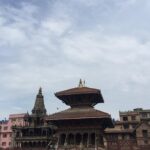
The tour ends at Swotha Square, with about 15 minutes allotted. This stop is described as a beautiful square with several temples, shrines, and tea shops. That last part matters. Patan can make you feel like you’re always trying to reach the next monument. Ending with a square that supports an easy pause gives your legs a break and your mind time to process what you just learned.
Swotha Square is also your launchpad for Patan Durbar Square, which is not covered on the tour itself. The ending point is only a couple minutes’ walk from the main palace complex area. If you want the big-ticket structures after the tour, you can go next on your own. The museum inside the old palace is called out as worth visiting, but extra admission fees apply.
How to think about this choice: the tour intentionally avoids Patan Durbar Square so you can get a more local, nuanced perspective first. Then you can switch gears and handle the ticketed, monument-heavy zone afterward with better context. It’s a good two-step plan, assuming you have the time and energy.


The guides’ style: Sandip’s storytelling and the humor factor

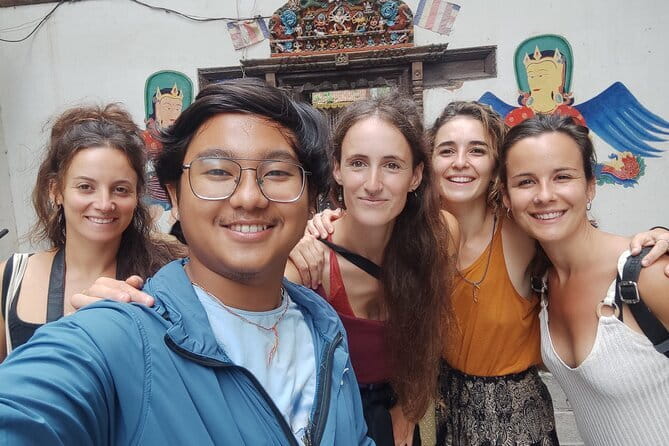
A walking tour like this lives or dies by the guide. The standout strength here is how well Sandip ties practical observation to faith and folklore. The route can sound straightforward on paper—courtyards, temples, squares—but the best part is how the explanation turns visual details into meaning.
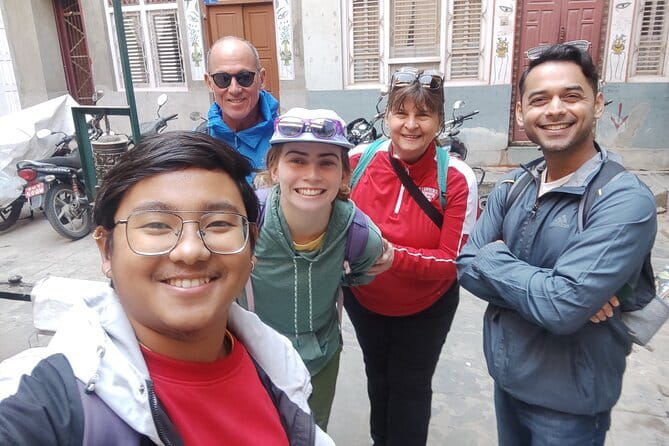
You also get a social vibe. With help from Pinhua mentioned alongside Sandip, the experience feels like a real local conversation rather than a lecture. In reviews, the guide is praised for both knowledge and an easygoing approach, plus a sense of humor that keeps the pace light.
For you, that means you’re more likely to walk away saying, I know what I just saw and why it matters. You’re not just collecting names of places; you’re learning how belief systems like Newar Buddhism and Tantric Hinduism shape everyday life and how people interpret myths through the built environment.
Faith, folklore, and daily life: what you should expect to understand
This tour’s big idea is simple: in Patan, religion isn’t separate from regular life. Newar Buddhism and Tantric Hinduism are described as faith practices that influence daily routines. The tour also frames traditions of the past alongside ambitions of the future, noting how young Nepalis embrace cultural norms while engaging modern values.
That framing shows up in how the stops are chosen. Courtyards aren’t presented as pretty background. They’re treated like spiritual workspaces and community anchors. Architectural features like ancestral shrines and resting areas aren’t treated as decoration. They’re treated as social signals.
If you like understanding a place through people’s habits, you’ll enjoy that angle. It’s also a good fit for anyone curious about the Kathmandu Valley beyond just temples on a map.
Price and value: why $65 can make sense here
At $65, you’re paying for more than walking access. You’re buying an experienced local guide for roughly 2 to 2.5 hours, in a format that keeps you in the old town area where finding meaning on your own takes real effort.
A few value points are built in:
- Many listed stops have admission ticket free for the segments you’ll visit.
- The group size cap (10 travelers) helps keep attention focused.
- The route focuses on how to read the town, not just where the biggest monuments are.
The main tradeoff is also clear: because Patan Durbar Square isn’t included, you may spend more later if you decide to add it. The museum inside the palace complex is mentioned as worth it, but it has extra admission fees.
Still, if your budget is tight, this tour can be a strong way to get rich context without buying a stack of monument tickets up front. Then you can choose how much extra you want to add.
Logistics that matter: meeting point, pace, and comfort
Start time is 10:00 am. You meet at the entrance gate of the old town of Patan at Patan Dhoka (Patan Dhoka Road, Lalitpur 44600, Nepal). You end at Swotha Square.
Pick-up and drop-off are not included, so plan to reach the meeting point on your own. The tour notes it’s near public transportation, which helps if you’re staying within the Kathmandu Valley area.
Most travelers can participate, and service animals are allowed. Because it’s a walking tour through old streets and courtyards, comfortable shoes are the practical upgrade that will pay off immediately. Also note that the tour requires good weather. If conditions are poor, you’ll be offered a different date or a full refund.
If you’re visiting in a season with unpredictable rain, I’d plan to keep your schedule flexible around this time.
Who should book this tour (and who might skip it)
This walking tour is a great match if you:
- Want a local, courtyard-focused view of Patan rather than only the main palace complex.
- Like the idea of understanding faith in everyday spaces—Newar Buddhism and Tantric Hinduism in context.
- Enjoy guides who explain art and iconography, not just point at buildings.
- Prefer small groups, with time for questions and a relaxed pace.
You might skip or rethink it if you:
- Only want Patan Durbar Square sights and don’t want to do an extra self-guided visit afterward.
- Are looking for a long duration with lots of major monuments. This is shorter, curated, and interpretation-heavy.
Should you book? My simple decision test
Book it if you want to leave Patan with more understanding than photos—especially if you’re curious about how courtyards, shrines, and monasteries connect to daily life. The combination of a small group, a strong local guide like Sandip, and a route that avoids the most obvious checklist stops makes this a smart value for $65.
Skip it if your time is extremely tight and you only care about Patan Durbar Square itself. In that case, go straight to the palace complex and keep it simple.
If you can do both—this tour first, Durbar Square afterward—you’ll get the best of both styles: local nuance in the morning, and major monuments when you’re ready for the bigger wow moments.
FAQ
Where does the tour start and end?
It starts at the Patan Dhoka entrance gate on Patandhoka Road, Lalitpur 44600, Nepal. It ends at Swotha Square (M8FG+W63, Lalitpur 44600, Nepal), which is a couple minutes’ walk from Patan Durbar Square.
What time does the tour run?
The start time is 10:00 am.
How long is the walking tour?
It runs about 2 hours to 2 hours 30 minutes.
Is Patan Durbar Square included?
No. Patan Durbar Square is intentionally not included. You can visit it on your own after the tour; the museum inside the old palace has extra admission fees.
Which stops are included during the walk?
The itinerary includes Pimbahal, Nyakhachowk, Nagbahaa, and Swotha Square.
Are entrance fees included for the stops?
The stops listed in the itinerary show admission ticket free for those specific courtyard areas. Patan Durbar Square is ticketed separately if you choose to go after the tour.
Is pick-up or drop-off provided?
No pick-up or drop-off is included.
How big is the group?
The tour has a maximum of 10 travelers.
What happens if the weather is bad, or if I need to cancel?
The tour requires good weather. If it’s canceled due to poor weather, you’ll be offered a different date or a full refund. You can cancel up to 24 hours in advance for a full refund.