REVIEW · KATHMANDU
Cook and Dine with a Local family
Book on Viator →Operated by Royal Mountain Travel · Bookable on Viator
Spices, stories, and a family table in Kathmandu. This hands-on class takes you from a local market to the kitchen, then ends with dinner in the host family home. I love that it’s small (max 4 people), so you get real conversation, and I also like that you shop for ingredients together instead of just copying a recipe.
The main thing to consider is the weather. The experience requires good weather, and if conditions aren’t right, you’ll be offered another date or a full refund.
In This Review
- Key highlights you’ll feel right away
- Why cooking with a local family beats a classroom
- Royal Mountain Travel pickup and the small-group advantage
- The market stop: choosing spices with the family
- Dal bhat cooking: simple steps, real seasoning logic
- Home dinner and everyday Nepali life
- Price check: what $45 covers and why it feels fair
- Who this experience suits best
- Quick practical advice before you go
- Should you book this family cooking class?
- FAQ
- What time does the cooking class start?
- How long is the experience?
- Is pickup included?
- What dish will I learn to cook?
- What’s included in the price?
- What happens if the weather is bad?
Key highlights you’ll feel right away
- Pickup + private transportation so you spend your energy cooking, not navigating
- Local market spice shopping with an English-speaking host family
- Dal bhat cooking lesson using clear, practical steps with common spices
- Dinner included in the family home, not a restaurant add-on
- Small group size (max 4) for a more personal feel
Why cooking with a local family beats a classroom
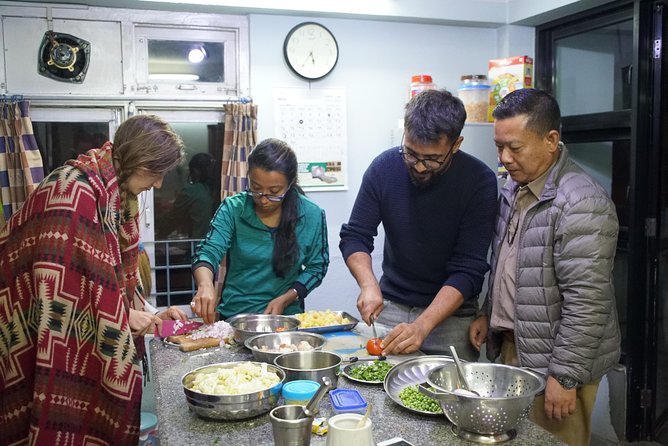
Kathmandu cooking classes can be fun. This one feels different because it’s built around family life. You’re not just learning technique. You’re learning how Nepali food gets made in a real home, with the rhythm, routines, and easy back-and-forth that comes from living with the same ingredients day after day.
I also like how the experience keeps things grounded. You’re choosing groceries, learning what spices do, and then putting it all together. It’s the kind of meal you can recreate later because the building blocks are familiar: vegetables, lentils, and a spice mix where turmeric, cumin, ginger, and garlic matter.
You can also read our reviews of more tours and experiences in Kathmandu.
Royal Mountain Travel pickup and the small-group advantage
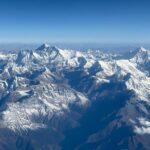
The experience starts at Royal Mountain Travel on Lal Durbar Marg (Kathmandu 44601). Pickup is offered, and you’ll travel by private transportation, which is a big deal in Kathmandu. Traffic and getting across town can turn a “quick activity” into a long hassle, so having transport handled keeps the whole afternoon on schedule.
You’ll also be in a group of up to 4 travelers. That small number matters more than you’d think. It means you can ask questions while cooking, not just wait for a single demonstration moment. It also helps you blend into the household dynamic instead of feeling like a tour group rolling through the kitchen.
The market stop: choosing spices with the family
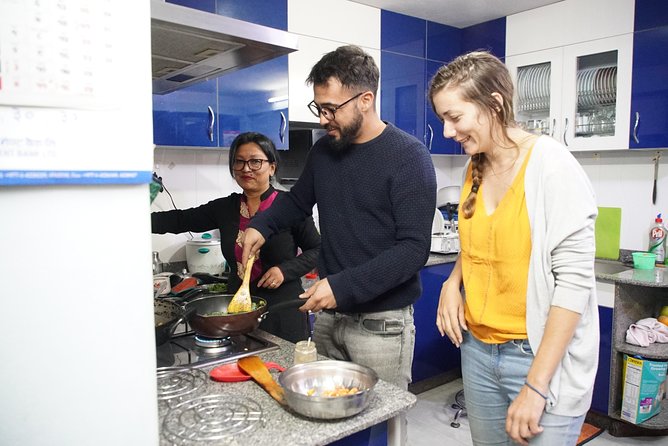
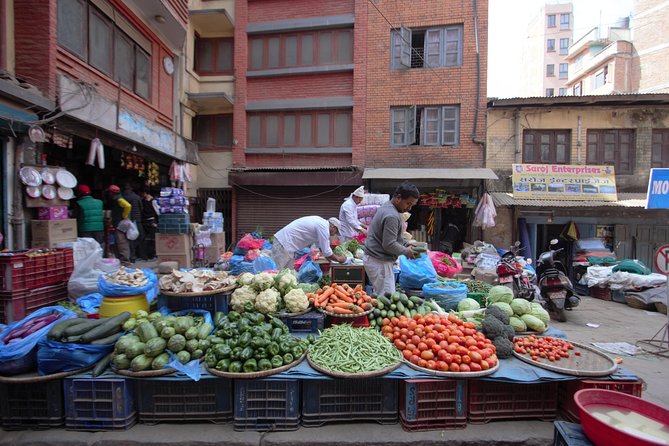
Before any cooking happens, you’ll head to a local market with your English-speaking host family. This is where the experience becomes more than just dinner.
You’ll shop for groceries and ingredients, including spices. The value here isn’t only what you buy. It’s that you learn what you’re buying and why it matters. You can see, smell, and compare ingredients in person, and then connect those choices to the flavors you’ll use later.
A practical tip for this part: expect to move through a real market environment. Wear comfortable shoes and keep your camera handy, but don’t treat the shopping like a photo safari. Ask simple questions about what you’re selecting. You’ll get better answers when you’re engaging with the ingredients, not just walking past them.
Dal bhat cooking: simple steps, real seasoning logic
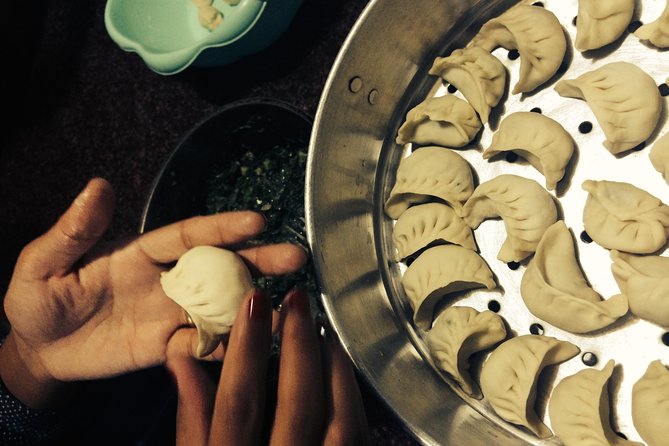
The main dish you’ll learn is dal bhat, a traditional meal in Nepal. The structure of the lesson is straightforward, which is exactly what makes it useful at home later. You’ll cut vegetables, then mix them with a selection of spices—turmeric, cumin, ginger, garlic—so the dish tastes full and layered instead of flat.
What I like about this approach is that it teaches a method you can reuse. Even if your kitchen doesn’t have the same exact ingredients (which is normal), you can still recreate the logic: start with spices, build flavor, and let the vegetables and lentils carry it.
Because this is a class inside a home, you’ll likely get instruction in the way Nepali cooks actually talk about food: what to add, when to adjust, and how the aroma tells you things are coming together. That’s hard to get from a video, and it’s why home cooking classes often stick with you longer than formal cooking tours.
Home dinner and everyday Nepali life
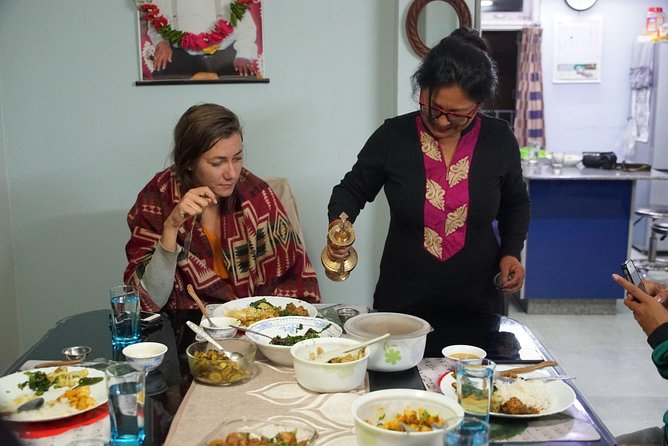
After cooking, you’ll eat dinner at the host family home. Dinner is included, and it’s not served as a performance. It’s part of the day’s living rhythm, which is where the experience earns its high marks.
You’ll also get time for interaction—talking with the family and seeing daily life around you. That matters because food isn’t just a dish. It’s social. In a home setting, you get to ask questions that are hard to ask in a restaurant, like what the meal means, how the family approaches cooking at different times, and what ingredients are treated as essentials.
One thing to keep in mind: you’ll probably be asked about your own food habits too. A good way to connect is to keep your answers simple and curious. If you’re willing to share what you cook at home, you’ll get more conversation back—and that turns a good meal into a memorable night.
Price check: what $45 covers and why it feels fair
At $45 per person for about 5 hours, this class is priced like an “experience,” not a quick bite. You’re paying for several things that add up fast if you were to arrange them yourself:
- Dinner included
- Market shopping with the host family
- English-speaking support
- Private transportation
- A group capped at 4, which improves the quality of the interaction
For many visitors, the biggest hidden cost in Kathmandu is time. If you had to handle transport plus a guided market stop plus a cooking lesson plus a meal, you’d usually spend more and still feel rushed. Here, the structure is built to protect your time and keep the experience flowing.
Is it the cheapest thing you can do? No. But it’s also not a touristy meal where you pay for location and ambience. You’re paying for instruction, ingredients, and hospitality in a private setting—so the value comes from participation, not just consumption.
Who this experience suits best
This is a great fit if you want:
- A hands-on way to understand Nepali flavors
- A cultural experience that happens in a home, not a staged venue
- A small-group activity where questions are welcome
- Something that gives you a dish you can recreate later: dal bhat
It may feel less ideal if you’re looking for a high-energy show or a tour built around monuments. This class is about food and people, with the home kitchen at the center.
Quick practical advice before you go
A few small things can make a big difference:
- Plan to arrive relaxed. You’ll meet at Royal Mountain Travel and the day’s flow is part of the experience.
- Be ready to handle spices in the cooking process. Handwashing and mindful clothing choices help.
- If you’re sensitive to strong spices, tell your host family politely during the lesson. The spice mix is part of the teaching, so communication matters.
Should you book this family cooking class?
If you like cooking, want real conversation, and prefer experiences that connect you to daily life, I think you should book it. The combination of market shopping, a dal bhat lesson with clear steps, and a family dinner makes it more than a single meal. It’s a small, guided window into how a Nepali household actually eats and cooks.
The only reason not to book is the timing and weather sensitivity. If you’re visiting on a day where conditions might be unstable, double-check your plans so you’re comfortable with the possibility of a reschedule.
If you want a memorable Kathmandu experience that you can bring home in your cooking, this one makes a lot of sense.
FAQ
What time does the cooking class start?
It starts at 3:00 pm.
How long is the experience?
The duration is about 5 hours.
Is pickup included?
Yes. Pickup is offered, and the tour includes private transportation.
What dish will I learn to cook?
You’ll learn to cook dal bhat, using spices such as turmeric, cumin, ginger, and garlic.
What’s included in the price?
The price includes dinner, spice shopping at the local market, an English-speaking host family, and private transportation.
What happens if the weather is bad?
The experience requires good weather. If it’s canceled due to poor weather, you’ll be offered a different date or a full refund.