REVIEW · KATHMANDU
Jeep Trip to Upper Mustang
Book on Viator →Operated by World Himalaya Treks & Expeditions · Bookable on Viator
Upper Mustang by jeep cuts out the hardest miles. This tour is built for a comfortable 4WD ride through remote, windswept country—so you can spend more time on Lo Manthang’s walled streets instead of grinding out long trekking days. You start in Kathmandu, head to Pokhara for an overnight, and then work your way west into Mustang with guesthouse-style stays.
I really like how the itinerary mixes classic culture with Mustang-specific stops. You get Kathmandu’s UNESCO sites with an English-speaking guide (and in the World Himalaya team, Thakur is specifically mentioned by past guests), then you shift into monastery days, river-road travel, and short, meaningful explorations once you’re in the restricted region.
One consideration: the driving is part of the experience. Even when you’re in a jeep, you’ll face off-road sections and bumpy segments, and the whole trip depends on good weather to keep movement smooth.
In This Review
- Key highlights worth caring about
- Upper Mustang by Jeep: why this route beats trekking
- Kathmandu warm-up: Swayambhunath, Patan, Pashupatinath, and Boudha
- The drive to Pokhara: a calmer bridge before Mustang
- Kali Gandaki to Marpha and Jomsom market: apple country meets rough road
- Kagbeni monastery morning and the permit checkpoint
- Thubchen Gompa, Charang, and Lo Manthang: culture inside the walls
- Chhoser sky caves and Shija Jhong: a 3,000-year detour
- Jomsom markets, Jomsom crossing, and the return toward Pokhara
- Thamel and your final day in Kathmandu: use it for real-life Nepal
- Price and permits: what $2,200 really covers
- Road conditions, weather, and what to pack for arid Mustang days
- Who this Jeep tour suits best (and who might not)
- Should you book this Upper Mustang Jeep trip?
- FAQ
- FAQ
- How long is the Upper Mustang Jeep tour?
- What does the tour cost?
- What permits are included?
- Are airport transfers included?
- Is Kathmandu food fully included?
- Do I need to pay for site admissions in Kathmandu?
- What about weather?
- Is there a minimum group size?
- What is the refund if I cancel?
Key highlights worth caring about
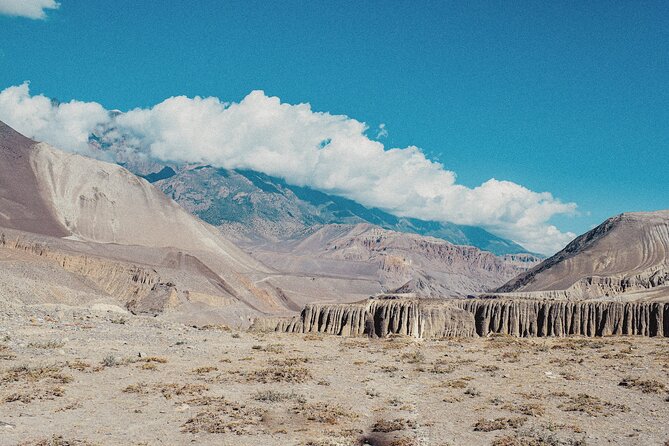
- Lo Manthang inside the walls: narrow alleys and traditional Tibetan-style architecture
- Monasteries and caves on Mustang’s calendar: Chhoser sky caves and Shija Jhong cave are on the route
- Permits are handled for you: Upper Mustang restricted-area permit fee plus Annapurna conservation permit and TIMS card are included
- Real-world logistics support: airport transfers, guided sightseeing, and friendly drivers are repeatedly praised
- Meal planning that reduces guesswork: lunch and dinner are included for 10 days, plus many breakfasts along the way
Upper Mustang by Jeep: why this route beats trekking
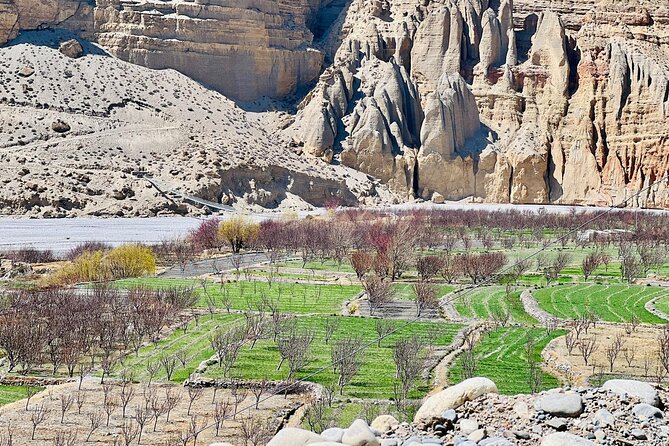
Upper Mustang is remote by design. A trekking version can be rewarding, but it also turns the trip into a long series of physical climbs, carries, and daily walking you can’t really escape. This jeep tour is for people who want the same big rewards—Himalaya views, Tibetan customs, and ancient sites—without making your schedule depend on weather windows for high-mileage hiking.
The “value” here isn’t just comfort. It’s time. A jeep itinerary lets you cover distance so you can reach the big cultural targets like Lo Manthang, then spend your energy walking short stretches: alleys in the walled city, monastery courtyards, and cave viewpoints.
You also get a clearer rhythm. Days are structured around transit plus scheduled stops—so you always have something to look forward to, even when the road slows you down.
You can also read our reviews of more tours and experiences in Kathmandu.
Kathmandu warm-up: Swayambhunath, Patan, Pashupatinath, and Boudha
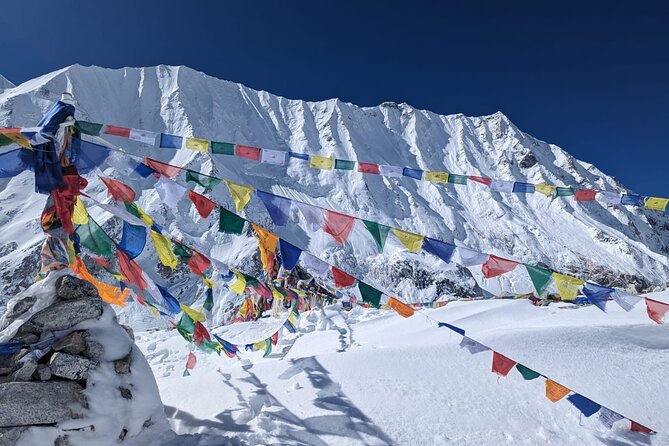
Your trip starts with airport pickup in Kathmandu and a welcome meeting in the evening. The first couple of days focus on getting oriented fast and seeing the UNESCO mainstays without a chaotic self-guided scramble.
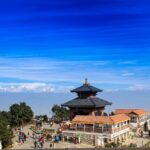
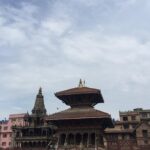
On your Kathmandu sightseeing day, you’ll visit Swayambhunath, plus stops around Kathmandu Valley that include Patan Durbar Square. This is a smart warm-up because the visual language of Mustang—Buddhist symbolism, Tibetan-influenced styles, and temple-centered life—makes more sense after you’ve seen it in the Kathmandu Valley context.
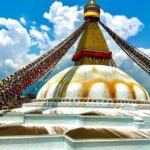
The second Kathmandu day also includes Pashupatinath Temple and Boudhanath Stupa. If you care about how religion shows up in daily behavior—prayer, ritual spaces, and crowds with purpose—this setup pays off. It gives you a foundation before you move toward monasteries and walled-city culture in Upper Mustang.
Practical note: admission tickets for these Kathmandu sites are marked as not included, so you should budget for entry fees on the days they apply.
The drive to Pokhara: a calmer bridge before Mustang
After Kathmandu, you drive to Pokhara Lakeside. En route, you’ll pass greener countryside, rivers, villages, and farms—exactly the kind of contrast that makes Mustang feel even more stark and special once you reach it.
Why Pokhara matters here: it’s not just a pit stop. It gives you a night to reset before the tougher, more isolated travel westward. The tour structure also helps you avoid the “one-day too many” effect—because after Mustang, you’ll still have return time and sightseeing, rather than rushing your whole trip into a single long grind.
Kali Gandaki to Marpha and Jomsom market: apple country meets rough road
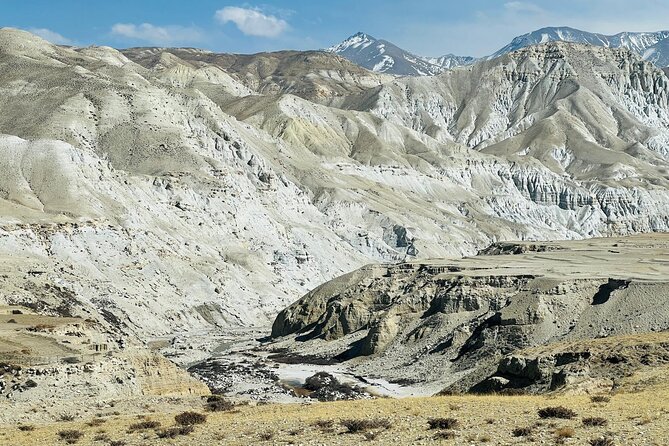
Once the Mustang leg starts, you’ll follow the Kali Gandaki River corridor. The first part includes a drive on black top road to Beni, and after that, the route becomes off-road. That’s the moment when your expectations need to match reality: the comfort is real, but you’re still traveling in rugged terrain.
You’ll stop around Marpha. This is where the tour’s character shifts from transit to culture-and-food. The schedule includes apple farming around Marpha, plus time in the Jomsom local market area. Apple growing may not be the first thing you imagine when thinking of Upper Mustang, but that contrast is the point—Mustang isn’t only rocks and wind. It also has pockets of agriculture and local rhythms you can actually see.
What I like about this portion: it keeps things concrete. You’re not just “passing through.” You get a village setting and a market moment before continuing toward Kagbeni and the Mustang restricted zone.
Kagbeni monastery morning and the permit checkpoint
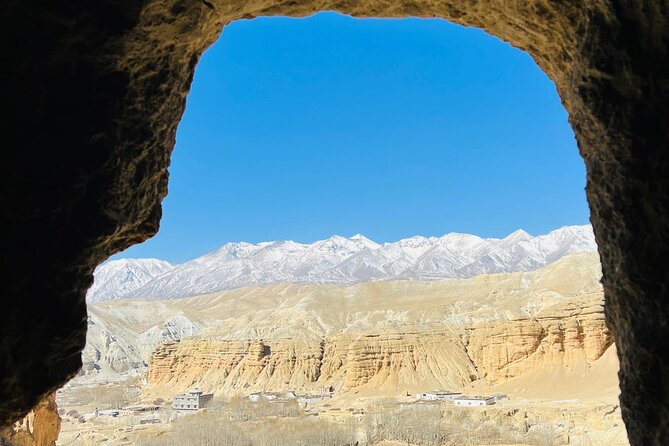
Kagbeni is an important stop, and this itinerary treats it that way. You’ll visit Kagbeni Monastery and a Buddhist school. This works well because it adds meaning to the transition you’re making: from the Kathmandu Valley world of temples and stupas into a place where monastic life is a primary form of cultural continuity.
Then comes a logistical but meaningful moment. Before leaving Kagbeni, your guide checks your Upper Mustang permit. That matters for you because the restricted area is tightly managed, and it’s one of the reasons this tour can operate with predictable access.
If you’re the type who likes knowing what’s happening behind the scenes, this part is worth paying attention to. You’re entering a special administrative zone, and the tour’s workflow is designed to keep that smooth.
Thubchen Gompa, Charang, and Lo Manthang: culture inside the walls
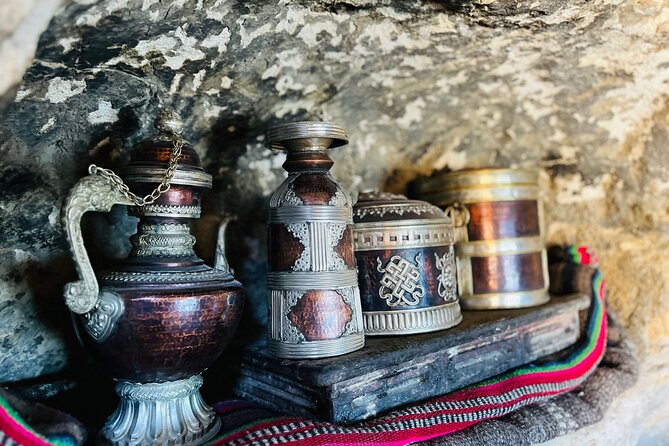
As you move deeper into Mustang, the itinerary layers in monastery visits and then shifts toward the big target: Lo Manthang, the former capital.
The scheduled stops include Thubchen Gompa and visits tied to the Mustang Lo Gager Ghar Gompa and Charang monastery. You’ll also spend time in Lo Manthang itself, including Jampa Gompa, described in the plan as the oldest monastery built there (the exact phrasing is truncated in the itinerary text, but the idea is clear: this is the place locals point to as foundational).
This is one of the most praised parts of these trips in general, and it’s easy to see why. A walled city changes how you experience a place. The streets feel narrower, the movement is slower, and daily life becomes the main show—shops, prayer corners, and the same familiar architectural lines repeated from building to building.
From the practical side, the jeep plan helps here too. Reaching Lo Manthang by vehicle means you can do a proper walk-through without turning the day into a long endurance challenge.
Chhoser sky caves and Shija Jhong: a 3,000-year detour
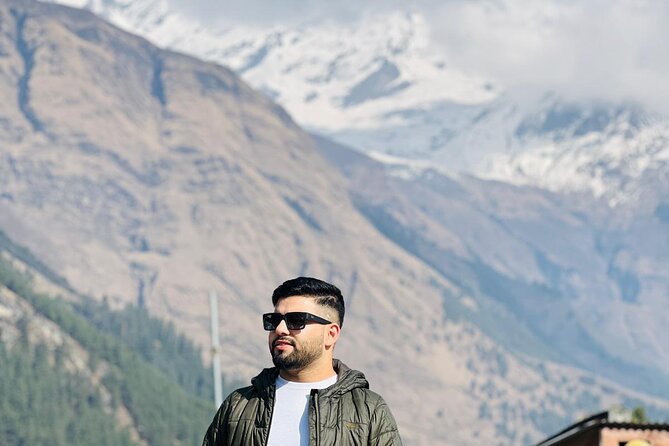
Two of the most compelling itinerary elements are the cave stops. The plan includes Namgyal gompa, the sky caves of Chhoser, and Shija Jhong cave.
The Shija Jhong cave stop is described as dating back over 3,000 years and subject to excavation by archaeologists. Even if you’re not a hardcore history person, this kind of stop gives you a different way to “read” the terrain. Caves aren’t just scenic—they’re part of how people lived, practiced, and used the land for generations.
One good reason these cave days feel worth the effort: you’re not spending hours in a van without a payoff. The schedule gives you specific targets—gompas and named cave areas—so your time in Mustang feels purposeful, not generic.
Jomsom markets, Jomsom crossing, and the return toward Pokhara
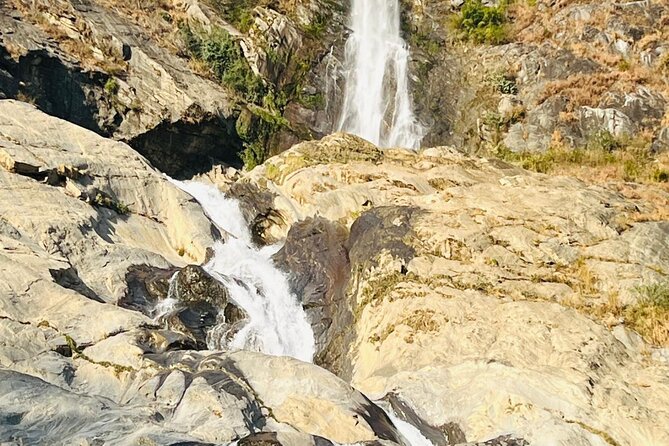
Jomsom is a key transition point. You drive all the way to Jomsom, and the route includes local village passing, Kali Gandaki River scenery, Buddhist stupas, and monasteries. In the evening, you’ll have time to explore the Jomsom market.
Markets are where travel turns from sightseeing into real people life. Even if you mostly browse, you get a sense of what locals buy, how they price small things, and what kinds of items matter in daily Mustang life.
On the return portion, the itinerary lists an early morning fly back to Pokhara and also includes additional driving days back toward Pokhara, plus Tatopani as a stop name. Because the plan has both a flight step and road time on the way back, you should be ready for a multi-mode travel day. The good news: by this stage, you’ve already completed the Mustang core, so the return feels less like chasing distance and more like wrapping the trip with comfort and sightseeing.
Pokhara sightseeing is included on your return days, so you’re not stuck in logistics-only mode once you hit the lakeside again.
Thamel and your final day in Kathmandu: use it for real-life Nepal
After Pokhara, you return to Kathmandu and get a free day in Thamel for shopping. This is a practical close: it gives you time to pick up trekking-lite or travel basics, souvenirs, and small gifts without needing to cram it into the earlier Kathmandu UNESCO days.
Your last day includes transfer to the international airport by private vehicle. That matters because you’re not forced into last-minute transit stress.
Also, hotels and guesthouses along the route are described as clean in traveler feedback. Along with friendly drivers, that kind of reliability is a big deal on a trip where you’re spending lots of time away from major hubs.
Price and permits: what $2,200 really covers
At $2,200 per person for a roughly 14-day trip, the question isn’t just cost—it’s what you avoid paying yourself and what kind of hassle is removed.
Here’s what’s included that can add up quickly on Nepal trips:
- Upper Mustang restricted area permit fee (listed as $500 US$)
- Annapurna conservation area permit and TIMS card
- Kathmandu sightseeing with a professional English-speaking tour guide
- International and domestic airport transfers as per the itinerary
- Lodging-style meals coverage: Breakfast (13), Lunch (10), Dinner (10), with Kathmandu and Pokhara lunch/dinner marked as not included
- Medical supplies (first aid kit available)
- Government and local taxes
What that means for you: a lot of “paperwork and permits admin” is handled. For a restricted region like Upper Mustang, that’s not a small detail. It’s also why the tour can run as a smooth itinerary rather than a collection of independent bookings.
Possible drawback in the pricing structure: you’ll still need to pay for lunch and dinner in Kathmandu and Pokhara, plus beverages and drinks. The plan also marks mineral water and boiled water as not included, so plan to spend on hydration and extras.
Road conditions, weather, and what to pack for arid Mustang days
This tour’s biggest physical reality is the road. The plan specifically notes off-road travel after Beni and a bumpy ride through windswept terrain. That’s not “fear-mongering.” It’s just the right expectation. Your best comfort strategy is to assume you’ll feel the route, even in a vehicle designed for it.
Also, the experience requires good weather. If weather is poor, you’ll be offered a different date or a full refund. That rule is worth treating seriously when planning around fixed work or family schedules.
Packing-wise, the tour description focuses more on journey and sites than gear lists, so I’d treat this as a “standard travel + road comfort” situation:
- Bring layers. Mustang and Himalaya regions can swing in temperature, even when the days look sunny.
- Plan for dust. Road days through dry terrain often mean you’ll want basic protection for skin and eyes.
- Bring cash or card access for market items, drinks, and any site entries not included.
And don’t ignore personal comfort basics. When travel time includes off-road segments, small upgrades (ear protection, eye comfort, water access) make a big difference.
Who this Jeep tour suits best (and who might not)
This is a strong fit if you:
- Want Upper Mustang without long trekking days
- Like a mix of UNESCO-level culture and monastery/cave exploration
- Prefer guesthouse or lodge-style stops rather than camping
- Appreciate clear guidance from an English-speaking team
It’s less ideal if you:
- Hate being bounced around by off-road driving
- Need a trip that can run perfectly regardless of weather
- Want every meal included with no extra spending (Kathmandu and Pokhara lunch/dinner are not included)
Should you book this Upper Mustang Jeep trip?
I’d book it if you’re excited by Lo Manthang, monasteries, and cave stops, but you want to protect your energy for the cultural moments—not for constant hiking. The permit package and multi-day meal coverage make it feel “managed,” and the logistics support (including airport transfers and friendly drivers) is repeatedly praised.
Before you commit, think honestly about the driving. If you’re prone to motion discomfort, you’ll want to plan for that. And if your calendar can’t flex for weather, choose carefully, since this experience is explicitly weather dependent.
FAQ
FAQ
How long is the Upper Mustang Jeep tour?
The duration is listed as 14 days, approximately.
What does the tour cost?
The price is $2,200.00 per person.
What permits are included?
The tour includes the Upper Mustang restricted area permit fee ($500 US$), plus the Annapurna conservation area permit and the TIMS card.
Are airport transfers included?
Yes. International and domestic airport transfers are included as per the itinerary, with pickup in Kathmandu (start point is Tribhuvan Airport).
Is Kathmandu food fully included?
No. Lunch and dinner in Kathmandu and Pokhara are not included. Breakfast is included, and some lunches and dinners are included along the route.
Do I need to pay for site admissions in Kathmandu?
Admission tickets for Kathmandu sightseeing stops are marked as not included for Swayambhunath and other UNESCO sites listed in the plan.
What about weather?
The experience requires good weather. If it’s canceled due to poor weather, you’ll be offered a different date or a full refund.
Is there a minimum group size?
Yes. If it’s canceled because the minimum number of travelers isn’t met, you’ll be offered a different experience/date or a full refund.
What is the refund if I cancel?
You can cancel up to 6 days in advance for a full refund. Cancel 2–6 days before for a 50% refund, and within 2 days for no refund.