REVIEW · KATHMANDU
Fixed Departure Tibet Overland Group Joining Tours.
Book on Viator →Operated by Outshine Adventure Pvt Ltd · Bookable on Viator
Tibet feels like a different planet the first morning you cross in. This fixed-departure overland group tour links Kathmandu to Lhasa by van or bus, with big mountain views (including Mt. Everest in clear conditions) plus classic monastery stops. I especially like that the trip includes an English-speaking Tibetan guide and that the operator handles the key permits so you’re not stuck chasing paperwork.
There’s a lot of driving and altitude on this route, and that’s the trade-off. You’ll start early (5:15 am), spend long hours on the road over high passes, and you should be ready for chilly weather and slow pacing.
In This Review
- Key Highlights Worth Knowing Before You Go
- Why This Fixed-Departure Overland Tibet Route Makes Sense
- Price and Value: What $1,300 Really Buys
- Permits, Passport Timing, and the Paperwork Step You Must Not Skip
- Day-By-Day: Kerung Border to Shigatse to Lhasa (and Back)
- Day 1: Early Start and the Kerung Border Crossing
- Day 2: Into the Plateau Mood (Tengri Stop and Big Views)
- Day 3: Shigatse and the Gyatchu La Pass (5,220m)
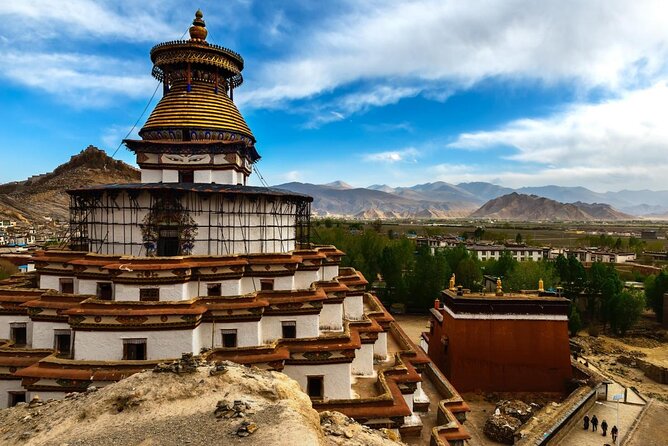
- Day 4: Tashlhumpu Monastery and the Gyantse Valley Stops
- Day 5: Lhasa Arrival via Karo La and Kamba La, plus Yamdrok Tso
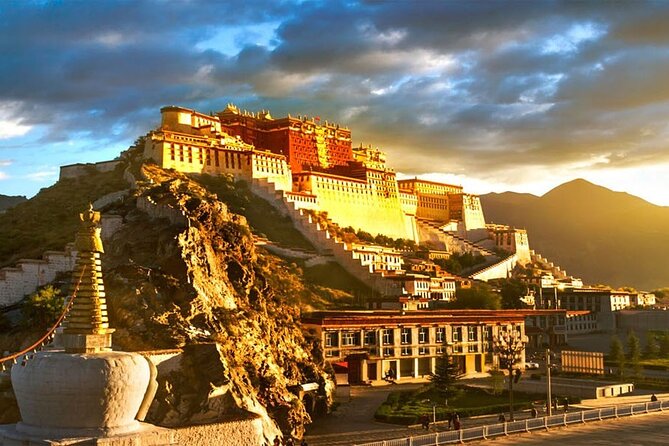
- Day 6: Potala Palace, Norbulingka, Barkhor Bazaar, and Lhasa Museum Time
- Day 7: Drepung and Sera Monasteries (Plus More Sacred Stops on the Included List)
- Day 8: Check Out and Drive Back Toward Kathmandu or Mainland China
- Transport, Timing, and Comfort: What to Expect on the Road
- Group Size and How the Guide Really Changes the Trip
- Where You’ll Spend Extra: Meals, Tips, and Personal Comfort
- Who Should Book This Tour (and Who Might Prefer Another Style)
- Should You Book This Fixed-Departure Tibet Overland Group Tour?
- FAQ
- What’s the meeting time for the Kathmandu start?
- Where does the tour start, and is pickup offered?
- How long is the trip?
- What’s included in the price?
- What is not included?
- Do I need my passport in advance for Tibet documents?
- How many people are in the group?
- What’s the cancellation refund window?
Key Highlights Worth Knowing Before You Go
- A fixed departure format: you’re joining a scheduled group, not building a custom route.
- English-speaking Tibetan guidance included: monastery time turns into real context, not just sightseeing.
- Permit and entrance fees included: Tibet travel permit and monastery entrance fees are part of the package.
- High-pass route with real altitude: you’ll cross passes up to 5,220m on the way to Shigatse and Lhasa.
- Lhasa in two full sightseeing days: you’re not trying to cram everything into a half-day stop.
- Classic Lhasa culture + views: Potala Palace, Barkhor Bazaar, and major monasteries are on the list.
Why This Fixed-Departure Overland Tibet Route Makes Sense
This is the kind of Tibet trip that works well if you like structure. You’re not guessing about borders, permits, or transport between major nodes like Kerung, Shigatse, and Lhasa. Instead, you’re following a single on-the-ground plan with a group size capped at 30 people, which usually keeps things social without feeling like chaos.
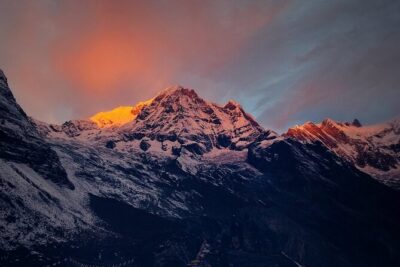
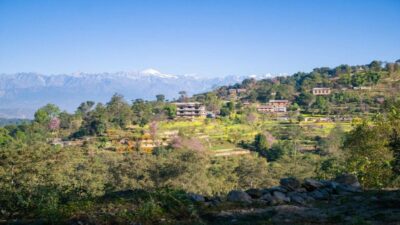
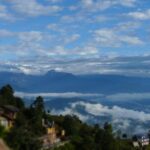
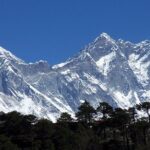
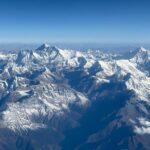
The overland approach also matters. Flying can save time, but overland gives you that gradual shift from Nepalese valleys toward the Tibetan plateau. Along the way you get panoramic mountain views and a real sense of scale as you climb through passes and open up the view lines.
One more practical win: the tour offers pickup in Kathmandu. That reduces the “what bus do I take and where do I meet?” stress on day one, especially when you’re dealing with passport and permit timing.
You can also read our reviews of more tours and experiences in Kathmandu.
Price and Value: What $1,300 Really Buys
At $1,300 per person for about 8 days, the value depends on what you’d otherwise pay yourself. This package includes twin sharing rooms on a bed-and-breakfast basis, 7 breakfasts, monastery entrance fees, an English-speaking Tibetan guide, and van or bus transport according to the itinerary. It also includes the Tibet Travel Permit.
What’s not included is where you’ll feel the cost later: lunch and dinner, plus visa fee and flight/train fare for any sector. Personal expenses like drinks and tips are also on you, and there’s a note about single supplement if needed. If you’re the type who prefers private rooms, expect the final number to be higher.
Here’s the honest way to look at it: paying upfront for the permit, guide, and transport usually costs less effort than piecing everything together. If you want a smoother path into Tibet with fewer moving parts, this price looks more reasonable.
Permits, Passport Timing, and the Paperwork Step You Must Not Skip
Tibet is not a “bring your passport on the day” destination. The tour notes two important timelines:
- You need your original passport at least 3 working days in advance for Tibet visa processing.
- You need your booking confirmation at least 15 working days in advance for the Tibet tour permit.
This matters because the timing isn’t just administrative. Miss the window and you can derail the entire trip before it even starts.
So before you book or pay the final amount, do this checklist:
- Make sure your passport has enough validity for the trip.
- Confirm when your operator will collect your original passport.
- Plan for the quiet reality that you might not have your passport in hand during that processing window.
If you’re traveling with a tight schedule, the paperwork lead time is your biggest constraint.
Day-By-Day: Kerung Border to Shigatse to Lhasa (and Back)
This tour runs like a sequence of “arrive, acclimatize, move again.” Each day has a different rhythm: border formalities, plateau roads, high passes, monasteries, then a return drive.
Day 1: Early Start and the Kerung Border Crossing
You wake up early and drive to Kerung Border, with picturesque countryside along the way. After border formalities, you continue on an uphill drive toward Kerung.
Why day one feels intense: you’re stacking early hours, paperwork, and driving in one go. If you’re sensitive to fatigue, plan to keep your first evening simple and focused on hydration and rest.
Day 2: Into the Plateau Mood (Tengri Stop and Big Views)
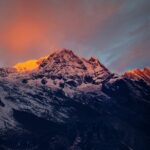
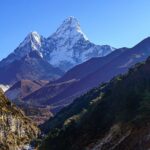
You continue toward the highest plateau area. The route is described as offering Tibetan views and breathtaking Himalayan sights, and the itinerary mentions a stop at Tengri.
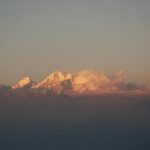
This day is one of those “look out the window and breathe slowly” moments. You might see expansive mountain views that make Everest feel close, even though the distances are huge.
Practical tip: dress for temperature swings. High-altitude conditions can change fast, and cold wind feels stronger once you’re up.
Day 3: Shigatse and the Gyatchu La Pass (5,220m)
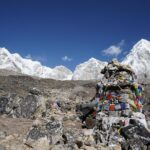
After breakfast, you drive to Shigatse and cross Gyatchu La (5,220m), listed as the highest pass of the trip. The drive is scenic, with Tibetan terrain that opens up as you gain elevation.
This is a day where altitude pacing matters. Don’t treat the pass as a sightseeing stop where you power through photos for an hour. Keep your movements slow, take breaks if you feel it, and let the group set a comfortable rhythm.
Day 4: Tashlhumpu Monastery and the Gyantse Valley Stops
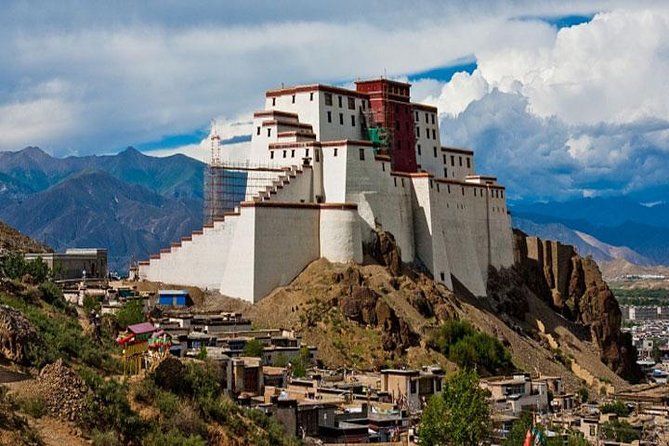
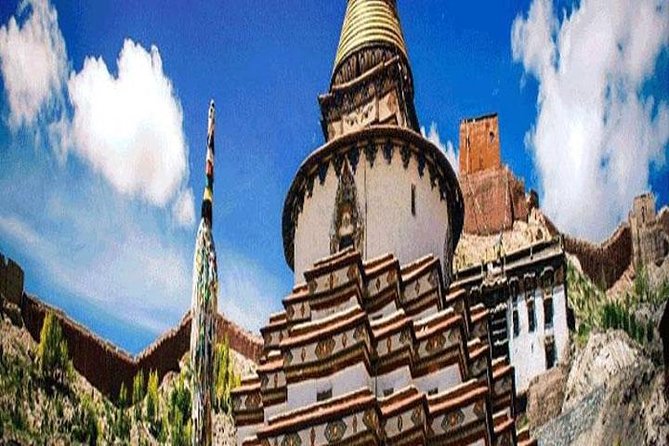
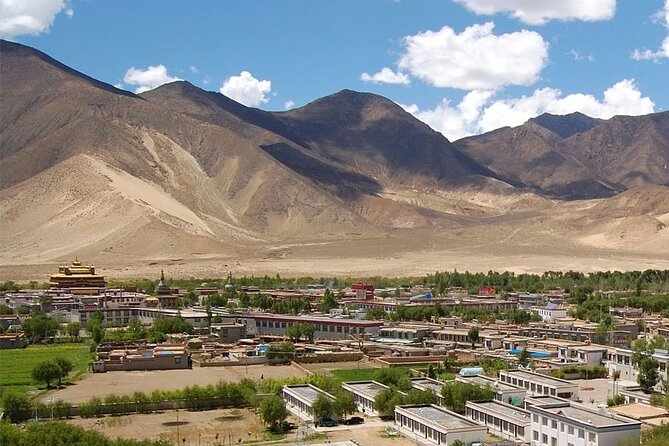
You visit Panchen Lama’s Tashlhumpu Monastery and explore the site. Then you drive into the Gyantse valley, including time through Tibetan villages and additional Gyantse-area sights mentioned in the overview.
This day is strong for culture and architecture. Monasteries here aren’t just places to look; they’re places where you’ll feel the rules, routines, and symbolism of Tibetan Buddhist life. If you enjoy understanding what you’re seeing, the guide’s explanations during this portion can be one of the trip’s best parts.
A possible drawback: village-to-monastery travel means more sitting in the vehicle. If you’re prone to stiffness, bring something small to make the bus seats easier (a light cushion or supportive layer).
Day 5: Lhasa Arrival via Karo La and Kamba La, plus Yamdrok Tso
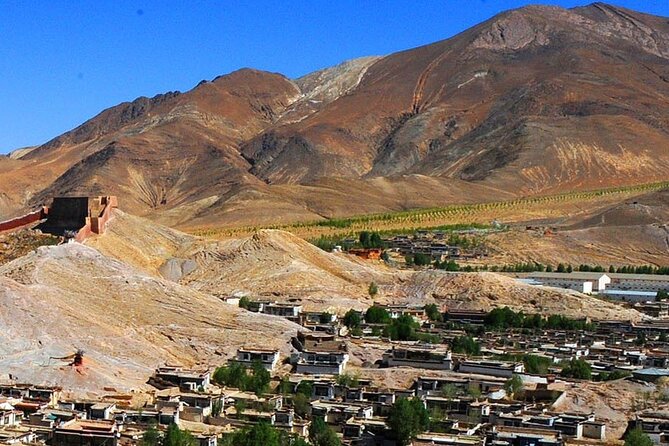
You drive to Lhasa, crossing Karo La (5,010m) and Kamba La (4,794m). Along the way you’ll see Yamdrok Tso (Turquoise Lake) and the Brahmaputra River, plus wide-open views.
This is one of the most camera-friendly days on the itinerary because the route mixes dramatic water views with mountain passes. Expect time to pause for photos, but also expect you can’t stop whenever you want. In a fixed-group format, the schedule rules.
Also, plan for cold wind near passes and comfort needs on the road. You’ll want warm layers that you can put on quickly.
Day 6: Potala Palace, Norbulingka, Barkhor Bazaar, and Lhasa Museum Time
After breakfast, you start your first full Lhasa sightseeing day. The itinerary highlights Potala Palace, described as the winter palace of the Dalai Lama, and it notes you’ll have a broad view over Lhasa from the palace area.
From there, the included highlights list Norbulingka Palace, Barkhor Bazaar, and the Tibet Museum.
This day is ideal if you like mixing big landmarks with street-level culture. Potala is the obvious anchor, but Barkhor Bazaar adds the everyday rhythm—shops, foot traffic, and the hum of devotional life.
A practical consideration: palace and museum visits usually mean steady walking and time spent in crowds. If you’re traveling with limited mobility, you’ll want to pace yourself and keep expectations realistic.
Day 7: Drepung and Sera Monasteries (Plus More Sacred Stops on the Included List)
Your second Lhasa day focuses on monasteries. The itinerary specifically includes Drepung Monastery and Sera Monastery.
Drepung is described as built in the 14th century, and as the world’s largest monastery sheltered by 10,000 monks in the past. Sera is part of the core classic monastery circuit that many first-time visitors want to see.
The overview also lists Jokhang Temple, plus Sakya Monastery and Shalu Monastery among the included sightseeing. Depending on timing and routing, you’ll likely cover additional sites across these two days, but the key takeaway is that you get more than just one monastery photo stop.
Why this day matters: monasteries are the best place to understand Tibetan spiritual architecture and daily practice. You’ll get more from the visit if you pay attention to how spaces are used, not just how they look.
Day 8: Check Out and Drive Back Toward Kathmandu or Mainland China
After breakfast, you check out and drive toward your next destination—either Kathmandu or Mainland China, as listed in the tour notes.
This is usually a quieter ending day because you’ve already seen the major sights. Still, you’re not fully done with the road, so pack your patience and keep energy for the final push.
Transport, Timing, and Comfort: What to Expect on the Road
The tour runs with a group start time of 5:15 am. That means early mornings and a schedule that doesn’t drift. If you like slow travel, this might feel strict. If you like to make the most of daylight in a high-altitude setting, it’s a benefit.
You’ll use a van or bus for transportation. For long-drive days (Kerung to plateau areas, Shigatse leg, and the Lhasa approach), plan for:
- Cold air in vehicles (bring a layer you can keep on)
- Wind chills near passes
- The reality that your main “rest breaks” happen when the itinerary pauses
The trip is also built around high passes and elevation changes. Even if you’re fit, altitude can affect breathing and appetite. Keep your expectations simple: go slow, drink water, and don’t race the itinerary.
Group Size and How the Guide Really Changes the Trip
This tour includes an English-speaking Tibetan guide and is limited to 30 people max. In practice, that size tends to be big enough for a lively group, but small enough that your questions can actually get answered.
The monasteries and palaces included here are complex. If you walk through them without context, you’ll come away with photos and impressions. With a capable guide, you get meaning: who built what, why certain structures exist, and how the rituals tie to daily life.
On the operator side, comments have highlighted support from people like Asmita as a key coordinator, and Gokul as a guide noted for strong English and Spanish ability. Even if you don’t get the exact same team, it’s a good sign that the operation cares about clear communication, not just moving you from stop to stop.
Where You’ll Spend Extra: Meals, Tips, and Personal Comfort
Your package includes breakfast only for 7 days. That means lunch and dinner are up to you. This is normal for many overland tours, but it does affect your total budget.
Personal expenses like drinks and tips are not included. If you’re used to tipping lightly, set a plan before you go so it doesn’t become a last-minute scramble.
If you prefer specific dietary needs, note that the itinerary doesn’t promise anything about special meals. You might find options, but you’ll want to bring basics and stay flexible.
Who Should Book This Tour (and Who Might Prefer Another Style)
This tour fits best if you:
- Want a fixed, guided route into Tibet from Kathmandu
- Enjoy monasteries and cultural context
- Prefer included permits and scheduled transport over DIY planning
- Are okay with early starts and long drive days
It might be a harder fit if you:
- Want lots of free time to wander independently
- Need a private room and strongly dislike shared accommodations
- Get uncomfortable with altitude and long travel days
In other words: if you want the path handled and you’re ready for the road, this works well. If you want total flexibility, you’ll feel constrained by the schedule.
Should You Book This Fixed-Departure Tibet Overland Group Tour?
I’d book it if you’re excited by the idea of reaching Lhasa overland, seeing classic monasteries, and having permits and core logistics handled. The biggest reasons are practical: permit + transport + guide + entrance fees are built in, and you also get two full days for Lhasa highlights instead of a rushed “hit the big names” schedule.
I’d pause before booking if you’re sensitive to early starts, cold weather, and high passes. If you know you’ll struggle with long driving days or shared rooms, look at alternatives or be ready to add comfort upgrades (warm layers, snacks for the road, and whatever helps you handle altitude pacing).
If the itinerary’s mix of Gyatchu La, Karo La, Kamba La, Yamdrok Tso, and Lhasa’s top sights feels like your kind of Tibet trip, then this fixed departure is a solid match.
FAQ
What’s the meeting time for the Kathmandu start?
The tour lists a start time of 5:15 am. Plan to be ready early so the day can begin on schedule.
Where does the tour start, and is pickup offered?
The tour is based in Kathmandu, Nepal, and pickup is offered. You’ll want to confirm the exact pickup point with the operator when you book.
How long is the trip?
The duration is 8 days (approx.).
What’s included in the price?
Included items are twin sharing rooms (bed and breakfast), an English-speaking Tibetan guide, van or bus transport, monastery entrance fees, Tibet travel permit, and 7 breakfasts.
What is not included?
Lunch and dinner are not included, along with train or air fare for any sector. Visa fee, flight fare, and a single supplement (if needed) are also not included, along with personal expenses like drinks and tips.
Do I need my passport in advance for Tibet documents?
Yes. The tour notes you need your original passport at least 3 working days in advance for Tibet visa processing, and booking confirmation at least 15 working days in advance for the Tibet tour permit.
How many people are in the group?
The tour has a maximum of 30 travelers.
What’s the cancellation refund window?
You can cancel up to 6 days in advance of the experience for a full refund. A 50% refund applies if you cancel 2–6 days before the start time, and there’s no refund if you cancel less than 2 days before the start time.