REVIEW · KATHMANDU
Annapurna Base Camp Trekking
Book on Viator →Operated by himalayan sanctuary adventure private limited · Bookable on Viator
Annapurna Base Camp feels organized from day one. This private trek blends Kathmandu UNESCO highlights with the Annapurna Base Camp payoff, with a private guide who can adjust the plan as you go. I also like that accommodation and meals are largely handled for you, including teahouse meals during the hike. The main drawback is simple: you need moderate fitness, because several days include steep climbs and tough downhill sections.
You start with an airport pickup and a full day of Kathmandu culture, then head to Pokhara before your first real step on the trail. The trek builds gradually through Ghorepani and Poon Hill, then moves into the cooler, wilder Annapurna valleys before the big climb to base camp.
In This Review
- Key points worth knowing before you go
- Kathmandu warm-up: temples, prep, and getting your bearings fast
- Price and value: what $899 really covers for a private ABC trek
- From Kathmandu to Pokhara: why this transit day sets your trekking rhythm
- Trek day 1: Nayapul to Ulleri and Birethanti’s first stretch
- Trek day 2: Ulleri to Ghorepani through oak and rhododendron forests
- Trek day 3: Ghorepani to Tadapani with Poon Hill sunrise
- Trek day 4: Tadapani to Chhomrong and the rhododendron descent
- Trek day 5: Chhomrong to Dovan through bamboo and cold damp air
- Trek day 6: Dovan to Deurali and a steady, sometimes steep climb
- Trek day 7: Deurali area to Annapurna Base Camp, plus the real-world weather factor
- Trek day 8: downhill back toward Bamboo and the legs’ final negotiation
- Trek day 9: Bamboo to Chhomrong for lunch, then on toward Jhinu Danda hot springs
- Finish in style: Pokhara and Kathmandu return by tourist bus
- Guide and porter support: the setup that makes private trekking worth it
- What to pack and how to pace yourself on Annapurna
- Should you book this Annapurna Base Camp trek?
- FAQ
- What’s included in the trek during the hiking days?
- Are airport pickups included?
- What transport is included between Kathmandu and Pokhara?
- Do I need permits for this trek?
- What can I expect in Kathmandu?
- Is hot water included?
- What fitness level do I need?
- What’s the cancellation policy?
Key points worth knowing before you go
- Private tour, private guide: you’re not stuck with random timing or fast walkers.
- Meals and lodging are included on the trek: teahouse breakfast, lunch, and dinner take pressure off your planning.
- Poon Hill sunrise is built in: you’ll rise early for the mountain show from 3,210 m.
- Kathmandu UNESCO circuit first: Pashupatinath, Boudhanath, Patan Durbar Square, and Swayambhunath help you settle fast.
- Weather can change trekking plans: the route is flexible, and conditions can limit how far you go.
- Porter support helps you focus: the usual setup is 1 porter for every 2 trekkers.
Kathmandu warm-up: temples, prep, and getting your bearings fast
Your trip starts in Kathmandu with a representative pickup from Tribhuvan International Airport to your hotel. That matters more than it sounds. After a flight, having one person manage the first transfer helps you save time and avoid the first-day chaos.
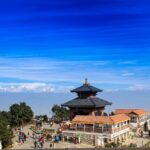
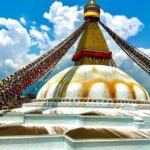
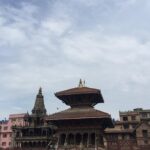
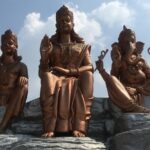
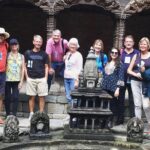
The next day is a full sightseeing block across major UNESCO sites: Pashupatinath Hindu Temple, Boudhanath Stupa, Patan Darbar Square, and Swayambhunath (the Monkey Temple). This is the smart kind of “culture day.” You don’t need to study Nepal’s religious politics to enjoy it—you just need a slow pace, comfortable shoes, and time to look up at carvings and gold details.
Practical note: entrance fees for sightseeing are not included. So if you want everything covered, budget some extra cash for temple site entry, and keep your schedule flexible around opening hours.
You can also read our reviews of more hiking tours in Kathmandu
Price and value: what $899 really covers for a private ABC trek
At $899 per person, the value here is mostly about what’s bundled. You’re paying for airport pickup, 3-star hotel nights in Kathmandu and Pokhara (with breakfast), a private guide, and porter support (typically 1 porter per 2 trekkers). Permits and paperwork are also handled—ACAP and TIMS—plus government and local taxes.
Then there’s the big cost-saver during the trek: teahouse accommodation plus meals. With breakfast, lunch, and dinner included throughout the hiking portion, you’re not constantly making decisions about where to eat or whether prices jump in mountain towns.
What’s not included is the stuff that can quietly add up: hot water, cold drinks, phone calls, laundry, beer, bar bills, and entrance fees in Kathmandu/temple areas. If you rely on hot showers (or you like buying drinks on the trail), plan to spend extra.
From Kathmandu to Pokhara: why this transit day sets your trekking rhythm
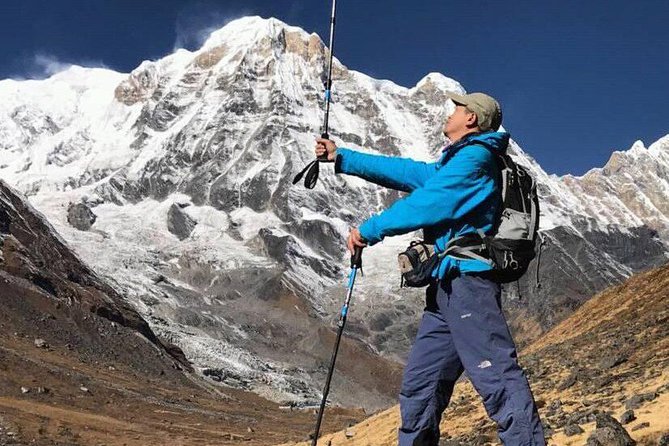
On your way toward the Annapurna foothills, you’ll take a tourist bus from Kathmandu to Pokhara after an early hotel pickup. Pokhara is less frantic than Kathmandu, and it’s a common jumping-off point because it gives you views of Annapurna and Machhapuchhre and a gentler landing after the city.
This day is also your buffer. Even if the drive is long, it gives your body time to shift from city walking to mountain walking. You’ll arrive with enough energy to start your trek the next morning without feeling immediately crushed.
Trek day 1: Nayapul to Ulleri and Birethanti’s first stretch
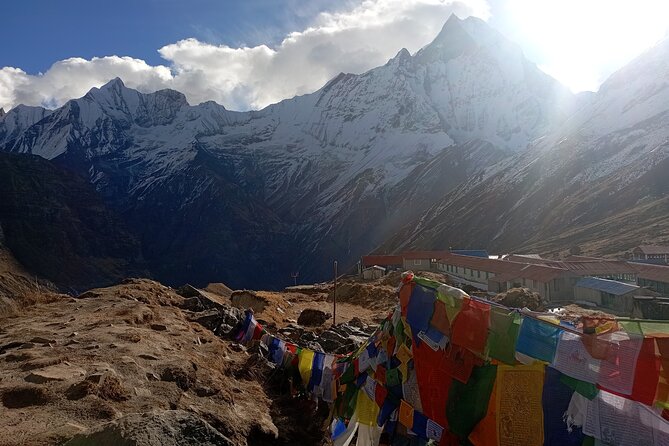
Your trek begins near Nayapul and quickly introduces you to the Annapurna rhythm: short flat sections, then steady uphill. After about an hour’s drive from Pokhara to Nayapul, you walk along the Modi Khola for around 15 minutes to reach Birethanti (1,015 m).
From there the trail climbs to Hille (1,495 m) and Tikhedhunga (1,570 m). This is a good “entry day” because it’s not an altitude shock. You’re building breathing habits and pacing, which is key before the bigger climbs later.
Drawback to expect: even when a day is listed as manageable, the “prelude” days still involve repeated steps and uneven footing. If you’re new to trekking, go slower than you think you need to. Your legs will thank you on day 6 and day 10.
Trek day 2: Ulleri to Ghorepani through oak and rhododendron forests
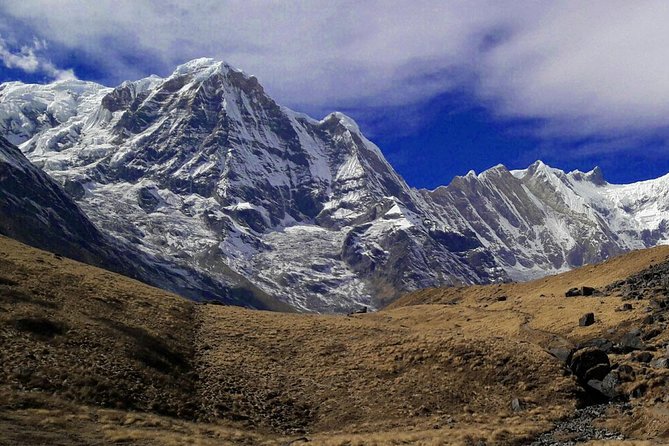
Today is about altitude and forest walking. The route passes Ulleri village (around 2,070 m) and continues through oak and rhododendron forests toward Banthanti (2,250 m) and Nangethanti (2,460 m), before reaching Ghorepani (2,840 m).
This is where the trek starts to feel like the classic Annapurna region. The air tends to change, and the trail can feel more focused and “track-like” as you climb.
Tip: use the forest segments to practice a steady cadence. When you’re later tired, you’ll be grateful you learned to walk evenly instead of sprinting up every steeper bit.
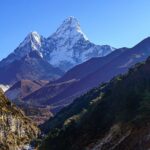
Trek day 3: Ghorepani to Tadapani with Poon Hill sunrise
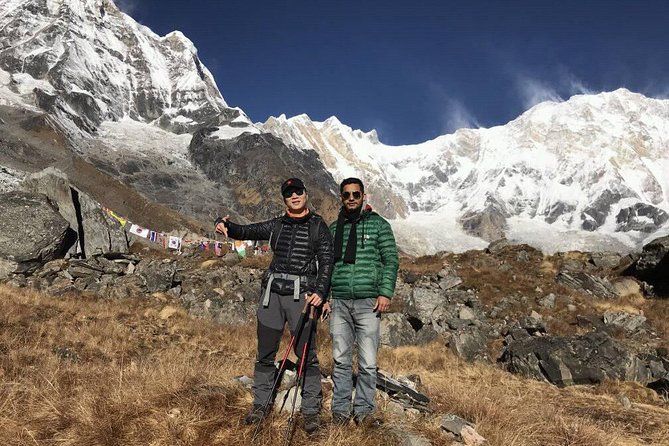
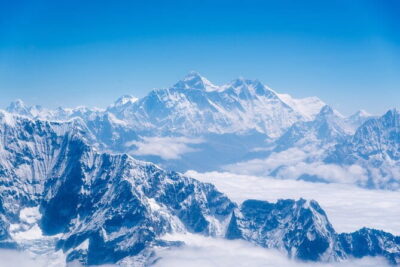
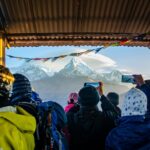
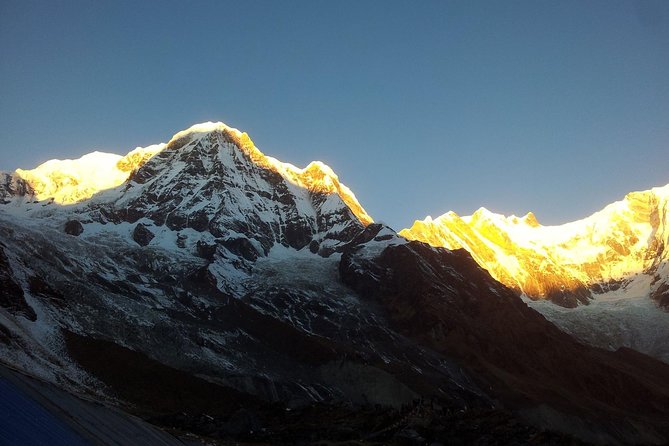
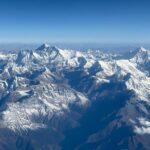
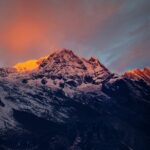
One of the strongest highlights is the early hike to Poon Hill (3,210 m). You go up in time for sunrise over the high Himalayas, then return for breakfast in Ghorepani before continuing onward toward Tadapani.
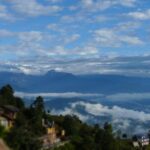
From Poon Hill, you also get broad views of the Annapurna and Dhaulagiri ranges, plus glimpses toward Mustang and Pokhara—helpful if you like understanding where you are in the mountains, not just admiring them.
Then you trek down through rhododendron forests and waterfalls before reaching Tadapani (around 2,700 m). The day is a classic mountain combo: early climb for views, then movement through forest corridors.
Possible drawback: early starts are non-negotiable here. If you struggle with mornings, this is the day that will test you most. Start with a simple plan: hydrate early, eat quickly, and don’t overdo the uphill speed.
Trek day 4: Tadapani to Chhomrong and the rhododendron descent
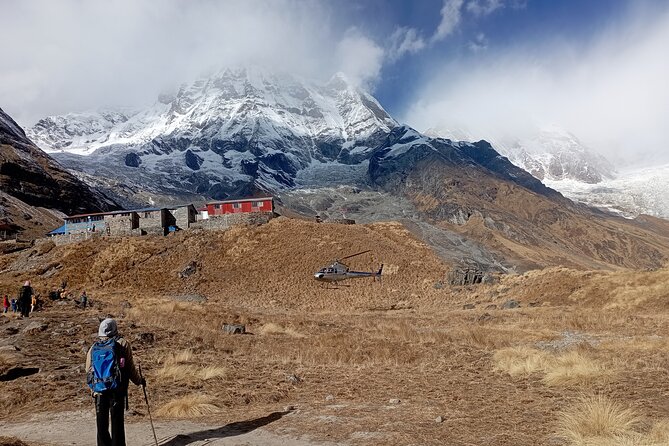
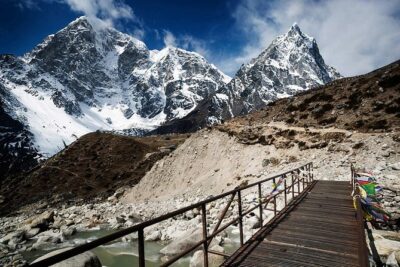
Leaving Tadapani, the trail begins with a descent through rhododendron forest. Then you move into open terraced areas and cross suspension bridges—common in the hilly and mountainous regions of Nepal.
You’ll reach Chhomrong (around 2,170 m), a village below the giant Annapurna massif. Staying here often feels like you’re moving closer to the main event. Chhomrong is also a good emotional checkpoint: it’s where many people start to feel that the base camp goal isn’t just a concept.
Watch your knees on this section. Downhill can be the hardest part, even when it feels shorter on paper.
Trek day 5: Chhomrong to Dovan through bamboo and cold damp air
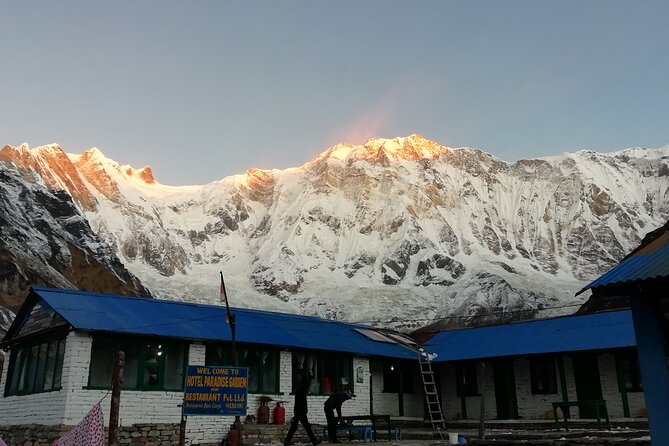
After Chhomrong, you head into a bamboo forest—damp and cold. You’ll walk uphill on a trail that can be steep at times, and eventually the forest opens up again with stronger sun and views of the glacial river below.
You pass through places like Himalaya Hotel and Hinku Cave areas on the way toward Dovan. The route also changes in vegetation: less dense, more exposed, and often more dramatic views of cliffs and waterfalls in the distance.
This day is a reminder that Annapurna isn’t one “type” of trail. Expect variety—temperature shifts, changes in footing, and sections that feel almost like different seasons.
Trek day 6: Dovan to Deurali and a steady, sometimes steep climb
Today follows a valley trail with a steady climb. The description you’ll hear often includes a rocky cliff section and occasional steep terrain.
This matters because it’s setting up the base camp push mindset. You’re not just walking; you’re building endurance and learning how to keep going when your legs start arguing.
If it’s raining or the air is misty, this is also when you’ll need to slow down. A steady pace is safer on cliff-adjacent footing and better for your breathing.
Trek day 7: Deurali area to Annapurna Base Camp, plus the real-world weather factor
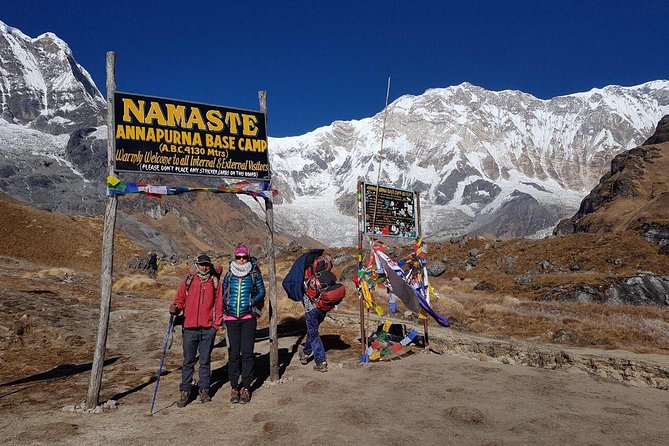
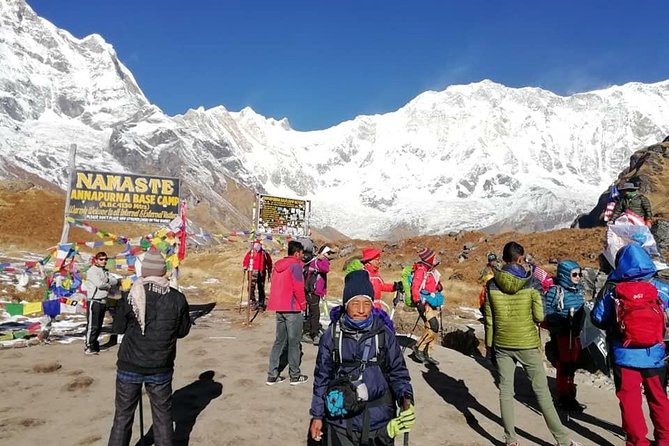
From the Deurali side, the itinerary reaches Annapurna Base Camp in a more direct ascent day. You should treat this as the moment your route choices become less flexible. When conditions cooperate, the climb is the reward. When they don’t, the mountain has the final word.
One of the practical insights from past trekkers’ experiences is that weather can prevent reaching all the way to base camp. That’s why the trip’s flexibility matters: your guide can tweak the plan based on safety and conditions.
No matter what happens, the base camp approach usually feels like a collective shift—from “walking days” to “this is why we came.” Keep moving steadily, and don’t chase the person in front of you. The goal is finishing strong, not finishing exhausted.
Trek day 8: downhill back toward Bamboo and the legs’ final negotiation
After base camp, the trail rapidly descends past Machhapuchhre Base Camp area, Deurali, Himalayan Hotel, and Doban before reaching Bamboo for the night.
It’s downhill, which feels easier until you’re doing it tired. That’s where your muscles burn and your balance matters. Take advantage of any flatter moments to reset your stride. Your pace here affects how you’ll feel on the Chhomrong descent later.
Trek day 9: Bamboo to Chhomrong for lunch, then on toward Jhinu Danda hot springs
You retrace steps to Chhomrong, stopping for lunch. Then you face a steep descent down to the Modi Khola valley with tricky stone steps.
After that, you’ll continue toward Jhinu Danda and enjoy the hot spring stop. Jhinu Danda is a classic ending reward: a warm soak after days of cold air and hard walking.
If you’re not used to trekking, don’t skip the recovery basics here—water, simple food, and early sleep. The goal is to arrive at the end with enough energy to enjoy the final travel days, not limp through them.
Finish in style: Pokhara and Kathmandu return by tourist bus
Once trekking wraps, you drive back to Pokhara. Then you return to Kathmandu by tourist bus after breakfast.
These are not just transfers. They’re part of the experience because you get a real off-ramp from mountain life to city life. Your schedule includes a practical rhythm: one last trekking meal, then time to shower properly and eat without thinking about altitude.
Entrance fees and extra meals in Kathmandu and Pokhara aren’t included, so plan to budget for lunch/dinner and any paid sightseeing. On the other hand, hotel breakfast is included in Kathmandu and Pokhara.
Guide and porter support: the setup that makes private trekking worth it
A private trek only works if the guide and logistics feel smooth, and that’s where this operator seems to get strong feedback.
You travel with an experienced English-speaking trekking guide, plus porter support to carry luggage (with a common ratio of 2 trekkers to 1 porter). That’s a big deal for Annapurna. Even if you carry a daypack, letting porters handle the heavy stuff reduces fatigue and helps you keep a consistent pace.
In feedback from previous trips, guide names like Bishnu Bhatta and Vishnu show up with praise for being friendly and caring, including help with comfort along the way. One person also specifically noted attention to food so they avoided stomach issues—exactly the kind of detail that can make or break mountain comfort.
What to pack and how to pace yourself on Annapurna
The trip asks for moderate fitness, so you should prepare for uneven footing, cold mornings, and multiple days with steep ups and downs. If you’re coming from sea level or you’re new to trekking, do a few hikes beforehand and focus on stairs and downhill control.
On the packing side, the tour data flags what’s extra: hot water isn’t included, and cold drinks and phone calls cost extra. That means you should plan around limited availability of paid comforts. Bring a refillable bottle and understand you’ll likely purchase water as needed (the tour notes that bottled or boiled water is not included).
Pacing-wise, think in “breath chunks,” not distance. Walk steady on uphill sections, and take smaller steps downhill. Save strength for the base camp day and the return descent days, not for early show-offs.
Should you book this Annapurna Base Camp trek?
Book it if you want a private, logistics-light experience with a real guide, predictable meals on the trail, and a Kathmandu start that’s more meaningful than a quick airport-to-hotel transfer. The Poon Hill sunrise and Jhinu Danda hot springs are also strong “you’ll remember this” moments.
Skip or reconsider if you know you struggle with early mornings, steep downhill, or you don’t have a moderate trekking fitness base. Also go in with a weather mindset: you might not always get every meter you expect, and the flexible plan is there because the mountains can change fast.
If you want, tell me your travel month and your current hiking routine (how long and how steep). I’ll help you judge whether this is a good fit and how to train for the steep days.
FAQ
What’s included in the trek during the hiking days?
Teahouse accommodation is included along with breakfast, lunch, and dinner during the trek.
Are airport pickups included?
Yes. You get pickups from the international airport in Kathmandu.
What transport is included between Kathmandu and Pokhara?
A tourist coach is included for Kathmandu to Pokhara and the return trip.
Do I need permits for this trek?
The tour includes the necessary paperwork and permits, including ACAP and TIMS, plus government and local taxes.
What can I expect in Kathmandu?
You’ll have a full day of sightseeing at major UNESCO sites: Pashupatinath Temple, Boudhanath Stupa, Patan Darbar Square, and Swayambhunath.
Is hot water included?
No. Hot water is not included (along with cold drinks, phone calls, laundry, beer, and bar bills).
What fitness level do I need?
The tour notes that you should have a moderate physical fitness level.
What’s the cancellation policy?
Free cancellation is available up to 24 hours in advance for a full refund. If you cancel less than 24 hours before the start time, the amount paid is not refunded.