REVIEW · KATHMANDU
Everest Base Camp Trek Via Gokyo Lake and Cho La Pass
Book on Viator →Operated by Marvel Treks and Expedition · Bookable on Viator
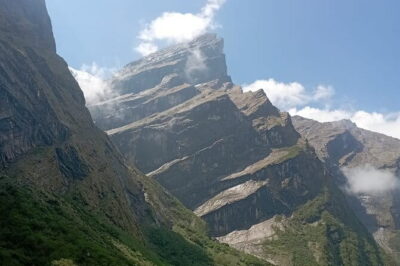
The real draw is the variety. You get classic Everest country plus the calm magic of Gokyo Lakes and the gut-check of Cho La Pass. I love that this route feels like two great treks stitched together: Sherpa towns and big mountain moments, then quiet lake days and glacier scrambling. One drawback to plan for: the itinerary is demanding, and Cho La in particular is not for weak knees or poor weather luck.
I also like the way the trip is packaged for real humans: round-trip flights into Lukla, daily meals on trek, and a licensed guide with a porter so you can focus on moving. From what I’ve seen reflected in past group experiences, guides like Udio and Shisir are often praised for being steady and reassuring when altitude or logistics get annoying. Still, at these elevations you can feel rough even with the best team, so you’ll want a calm pace and serious hydration habits.
If you want a one-of-a-kind Everest trek that doesn’t repeat the same scenery day after day, this route makes a strong case. Just know that your days will be long, cold mornings are normal, and you’ll be trusting the plan while also being ready to adapt to mountain conditions.
In This Review
- Key things I’d bet you’ll care about
- Kathmandu Setup: your first taste of Nepal and your plan
- Kathmandu to Lukla: the fast route into Sherpa country
- Namche Bazaar and the Everest first glimpse
- Tengboche and Dingboche: monasteries, pine forests, and “I’m getting higher”
- Lobuche to Gorak Shep: memorials, glaciers, and Everest Base Camp momentum
- Cho La Pass crossing: when your trek turns adventurous
- Gokyo Lakes and the big panorama day
- Back down through Sherpa towns: Namche, hot shower logic, and Lukla finale
- Price and value: is $1,000 a good deal for this route?
- What this trek asks of you (and who it fits best)
- Safety and altitude reality: what included oxygen support means
- Should you book this Everest Base Camp trek via Gokyo and Cho La?
- FAQ
- How long is the trek?
- Where does the trip start and end?
- Are domestic flights included?
- What kind of trekking stay is included?
- Are meals included?
- What permits are included?
- Do I need travel insurance?
Key things I’d bet you’ll care about
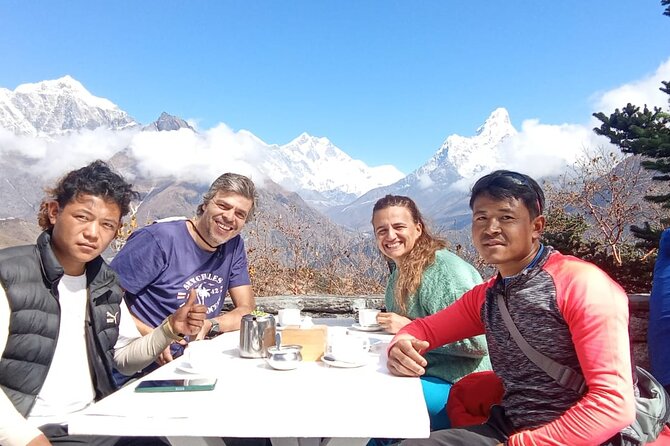
- A route with three highlights: Everest Base Camp, Gokyo Lakes, and Cho La Pass
- Better altitude pacing than straight-up Everest routes thanks to the mix of valleys and crossings
- Teahouse trekking that stays practical, with included meals and twin-sharing nights
- Licensed guide + porter support, commonly at a 1:2 ratio for group comfort
- Safety-minded logistics, including emergency oxygen support mentioned in the trek overview
Kathmandu Setup: your first taste of Nepal and your plan
Kathmandu is where you get your footing before the trail takes over. You’ll be met at the airport with a name sign, then you’ll do a trek briefing and gear check, which matters more than people think when you’re about to walk into thin air.
You’ll also get one night in Kathmandu with breakfast, which is a good buffer after flying in. This is also the easiest place to handle small gear gaps, like swapping out boots that feel wrong or renting trekking poles if you didn’t pack them. A mobile ticket is included, which can simplify check-in steps, and airport transfers are covered so you’re not juggling taxis while tired.
The main value of this day-one setup is that it reduces silly mistakes later. Nepal mountains are not forgiving of poor footwear, missing layers, or bad timing—so using Kathmandu to fix those before you leave for Lukla is smart.
You can also read our reviews of more hiking tours in Kathmandu
Kathmandu to Lukla: the fast route into Sherpa country
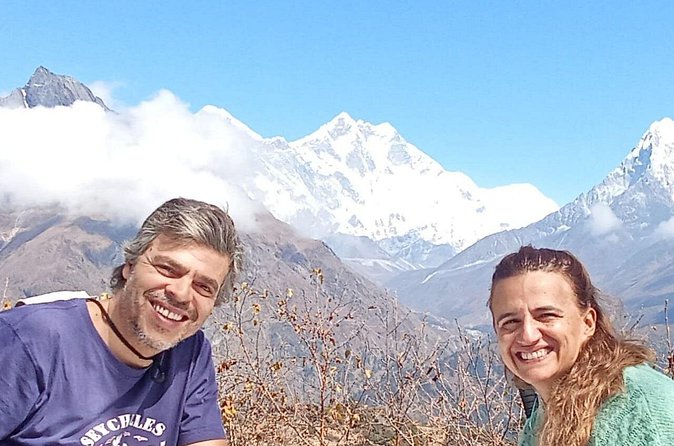
You start with a morning scenic flight to Lukla. That flight is your big jump from city altitude and noise into the mountain travel rhythm, and it’s one of the reasons this trek feels efficient on a 14-day schedule.
From Lukla, you’ll begin walking through Sherpa villages toward Phakding. This is the stage where you should treat your body gently. Even if you feel fine, it’s still early in the trek, and your goal is to conserve energy for the later climbs and passes.
What I like here for your planning: the trip includes round-trip domestic flights (Kathmandu–Lukla–Kathmandu), so you’re not trying to coordinate flights on your own. That reduces stress, especially when weather in the Himalayas can be unpredictable. It also keeps the itinerary realistic—moving in and out of Lukla is part of why the trek can fit all those big sights in about two weeks.
Namche Bazaar and the Everest first glimpse
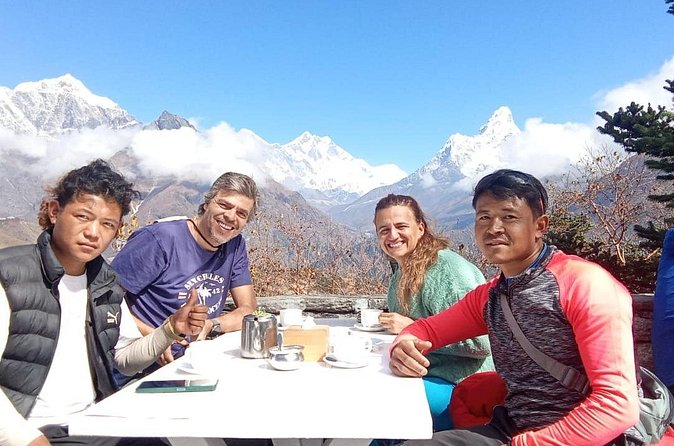
On day three, you reach Namche Bazaar, and you’ll cross suspension bridges while entering Sagarmatha National Park. Bridges sound ordinary until you’re doing them high above a rushing river with loads on your back. You get a quick lesson in “focus on the next step” trekking, which pays off later at Cho La.
Day three is also your first strong Everest moment. You’re not at the viewpoint yet, but the mountain presence starts to feel close, which helps the trek click emotionally. Then you’ll settle into a place that’s more than just a stop: Namche is a hub for supplies, views, and altitude adjustment.
Day four adds an optional hike to the Everest View Hotel (at 3,880m). If you do it, it’s a practical way to mix acclimatization with motivation. The market time also matters. You’ll have a chance to browse, eat something warm and familiar, and manage small needs like charging batteries where possible (though teahouses often limit this). If you choose not to hike, you still get the benefit of a day built around acclimatization rather than pushing straight up.
Tengboche and Dingboche: monasteries, pine forests, and “I’m getting higher”
Tengboche is your next big cultural and scenic anchor. You’ll walk through pine forest with views of Thamserku and Everest, then visit the Tengboche Monastery. Monastery visits on the trail are not just sightseeing. They break up the monotony of walking days and give you a sense of how Sherpa life has shaped these valleys for generations.
The stop on day six at Dingboche is when altitude starts to feel more physical. You’ll cross Imja Khola and pass through Pangboche before settling in Dingboche, where the air tends to thin out. This is where you should start getting serious about breathing calmly and drinking steadily, not just eating when you can.
Your pacing choice here matters. Many trekkers make the mistake of treating each day like a race. Instead, keep your effort controlled. A slightly slower pace now can save your legs—and your mood—later when you’re tired and cold and staring at longer segments.
Lobuche to Gorak Shep: memorials, glaciers, and Everest Base Camp momentum
From Dingboche you head toward Lobuche, walking through alpine terrain and passing memorials of climbers. That’s a somber but grounding moment. It reminds you that this region isn’t a theme park. People come here with ambition, and the mountain keeps its own rules.
Then you reach Gorak Shep, following the Khumbu Glacier path toward Base Camp. This day is about effort plus reward. You’ll be moving when your body already knows it’s working at altitude. Base Camp itself gives you a sense of completion—like you’ve stepped into the center ring of Everest’s story.
On day nine, you’re up early for Kala Patthar for sunrise views of Everest, then you trek down toward Lobuche and onward to Dzongla. Kala Patthar is one of those places where the payoff depends on weather. If clouds roll in, it can feel like a “close but not perfect” moment. If visibility is good, it’s the kind of view that makes you understand why people plan their whole lives around coming here.
The drawback to watch: sunrise starts early, and it’s cold. Plan for that in your layers and in your willingness to move before you’re fully awake.
Cho La Pass crossing: when your trek turns adventurous
This is the heart of the “unique” part of this route. You cross the Cho La Pass early morning and then descend into the quiet Gokyo Valley. Early starts are common on big Himalayan crossings, and here the timing is built in because conditions can be safer with morning stability.
Day ten is often where legs and lungs both feel taxed. Cho La is a glacier pass, and the crossing can mean icy footing, wind exposure, and a slower rhythm. If you’re prone to panic in bad footing situations, this is the moment to rely on your guide’s pace-setting. Your best bet is to keep hands and feet steady, take frequent micro-breaks, and avoid rushing.
What I like about the route design: after the demanding crossing, you get a valley descent that helps you transition. That gives you time to recover enough for the next day’s lake highlights and the return to Namche later.
Gokyo Lakes and the big panorama day
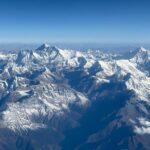
Day eleven centers on Gokyo and panoramic views of Everest, Cho Oyu, and Makalu, plus visits to the 3rd and 4th Gokyo Lakes. This is where the trek stops feeling like a single “Everest only” mission and becomes a full mountain region experience.
The lake stops are also an altitude lesson. You might feel like you’re just walking from one place to another, but the air and the cold matter. Keep your clothing system simple: warm layers you can manage without getting tangled, and gloves you can actually use.
The 3rd and 4th lakes are a nice choice because you’re not only visiting the postcard spots. They help stretch the day into something that feels complete rather than rushed. And the payoff is more than photos. The stillness around high lakes can reset your brain in a way that constant mountain hiking doesn’t always do.
Back down through Sherpa towns: Namche, hot shower logic, and Lukla finale
On day twelve, you return toward Namche Bazaar, passing Machhermo, Dole, and Khumjung, then reaching Namche for rest and a hot shower. That shower isn’t just a comfort perk. It’s also part of recovery. Your body will thank you for getting clean after days of cold sweat and recycled air.
Then day thirteen pushes you toward the Lukla area along the Dudh Koshi River for your final trekking day. This is a more “walk it out” feeling than a “climb a viewpoint” feeling. If you keep your steps steady here, you’ll arrive ready for the final flight out.
Day fourteen is the early morning flight to Kathmandu, with free time for rest, shopping, or an optional massage depending on what you choose to do. Trip ends with hotel night or transfer optional, so you’re not forced into immediate chaos after you finish.
Price and value: is $1,000 a good deal for this route?
At $1,000 per person, the value makes sense only when you look at what’s included—and what you must budget outside it.
Included is the big stuff that usually costs money on the Everest circuit: round-trip flights between Kathmandu and Lukla, one Kathmandu hotel night with breakfast, all trek meals, 12 nights twin-sharing teahouse accommodation, permits (Sagarmatha National Park and TIMS), and a licensed English-speaking guide with porter support. You also get an airport transfer, a duffel bag for trekking gear, and government taxes and trekking service charges.
What’s not included is also important. You’ll still need:
- Your Nepal visa fee on arrival
- Nepal personal gear (or rentals in Kathmandu)
- Travel insurance (mandatory)
- Tips for guide and porter (optional in policy, but expected in practice)
- Personal expenses like hot showers, Wi‑Fi, and battery charging at teahouses
- Extra Kathmandu hotel nights if flights are delayed
So the real question is: are you comparing this to doing it yourself? If you try to build this exact route on your own, you’ll quickly pay in time, permits, guides, and logistics. If you want the convenience of meals, sleeping arrangement, permits, and people who understand the rhythm of the Khumbu and Gokyo trails, this price can feel fair for a 14-day, high-effort trek.
What this trek asks of you (and who it fits best)
This route is for people with moderate physical fitness and a mindset for altitude travel. The itinerary includes long walk days, multiple days above 3,000m, and a glacier pass crossing. Even if you’re a strong hiker, you’ll still be learning how to pace your breathing.
If you’ve never done a multi-day trek at altitude, this isn’t a gentle first step. But if you can handle cold mornings, uneven trails, and days that feel longer than expected, it can become a life-changing challenge.
You’ll also want to be comfortable in a group setting. This is a private tour/activity for your group, so you’re not mixed with random strangers, but it’s still a trek with shared timing. That’s usually helpful when the mountain makes decisions for you.
Safety and altitude reality: what included oxygen support means
The trek overview notes safety support including emergency oxygen. That’s a meaningful line for two reasons. First, it signals a level of planning that goes beyond “good luck.” Second, it helps you feel more confident about the team’s response if someone gets hit hard by altitude symptoms.
Still, oxygen gear is not a substitute for acclimatization and smart pacing. This route’s design—cycling through valleys and towns rather than simply climbing in a straight line—helps your body adjust. But you still own your choices: hydration, steady effort, and telling your guide early if you feel off.
Should you book this Everest Base Camp trek via Gokyo and Cho La?
Book it if you want the full Everest package without feeling stuck on one single theme. This itinerary gives you a strong classic goal (Everest Base Camp), a totally different mood (Gokyo Lakes), and a genuine pass-crossing challenge (Cho La).
Skip it or consider a lighter plan if you want an easy walk, or if you know your cold-weather tolerance is low. Cho La and high-elevation mornings will test you, and the reward only arrives if you’re willing to put in steady, careful effort.
If you’re the type who likes real mountain days—monasteries, villages, glacier edges, and long view moments—this is one of the more compelling ways to experience Everest country in 14 days.
FAQ
How long is the trek?
The trek is listed as approximately 14 days.
Where does the trip start and end?
It starts at Tribhuvan International Airport in Kathmandu and ends back at the meeting point in Kathmandu.
Are domestic flights included?
Yes. Round-trip domestic flights are included for Kathmandu–Lukla–Kathmandu.
What kind of trekking stay is included?
You’ll stay in twin-sharing teahouses on trek for 12 nights.
Are meals included?
Yes. All meals (breakfast, lunch, dinner) during the trek are included.
What permits are included?
Sagarmatha National Park permits and TIMS permits are included.
Do I need travel insurance?
Travel insurance is mandatory, and it is not included in the tour price.